
The Definitive OEM Guide to Digital Learning Timers: From Concept to Classroom
A comprehensive guide for EdTech companies on manufacturing OEM digital learning timers. Covers 2026-2027 market trends, pedagogical design features, compliance standards, and supply chain strategies to boost student engagement and brand authority.
- What is an OEM Digital Learning Timer?
- Why Specialized Timers are Essential
- Key Takeaways: Why OEM Digital Learning Timers Matter for Education
- The Strategic Value for EdTech Brands
- The Evolving Landscape of Digital Learning Timers: 2026-2027 Market Insights
- Demand Drivers for Specialized Hardware
- Core Components & Features: Designing an Effective Learning Timer for OEMs
- Essential Pedagogical Features
- From Concept to Prototype: The OEM Development Journey
- The Development Lifecycle
- Manufacturing & Quality Assurance for Educational Devices
- Best Practices in Production
- Navigating Global Compliance and Educational Standards for 2026-2027
- Critical Certifications
- Strategic Customization, Branding, and Private Labeling for EdTech
- Branding Opportunities
- Supply Chain Management & Logistics for EdTech OEMs
- Mitigating Risk
- Cost Implications: Balancing Innovation, Quality, and Affordability
- Factors Influencing Unit Cost
- Choosing the Right OEM Partner for Your Learning Timer Project
- Selection Criteria
- Expert Tips for Successful OEM Digital Learning Timer Deployment
- The Future of Digital Learning Timers: AI and Beyond (2026-2027 Projections)
- References
In the rapidly expanding EdTech sector, hardware is no longer just about laptops and tablets; it is about the subtle tools that master the classroom environment. Among these, OEM educational timers have emerged as critical instruments for cognitive regulation and classroom management. For educational brands, the shift from generic timekeepers to purpose-built, learning-centric devices represents a massive opportunity.
This guide explores the entire lifecycle of custom learning timer manufacturing, offering actionable insights for EdTech companies looking to dominate the market in 2026 and beyond. Whether you are scaling a new product line or refining an existing one, understanding the nuances of the digital learning timer manufacturing process is the key to success.
What is an OEM Digital Learning Timer?
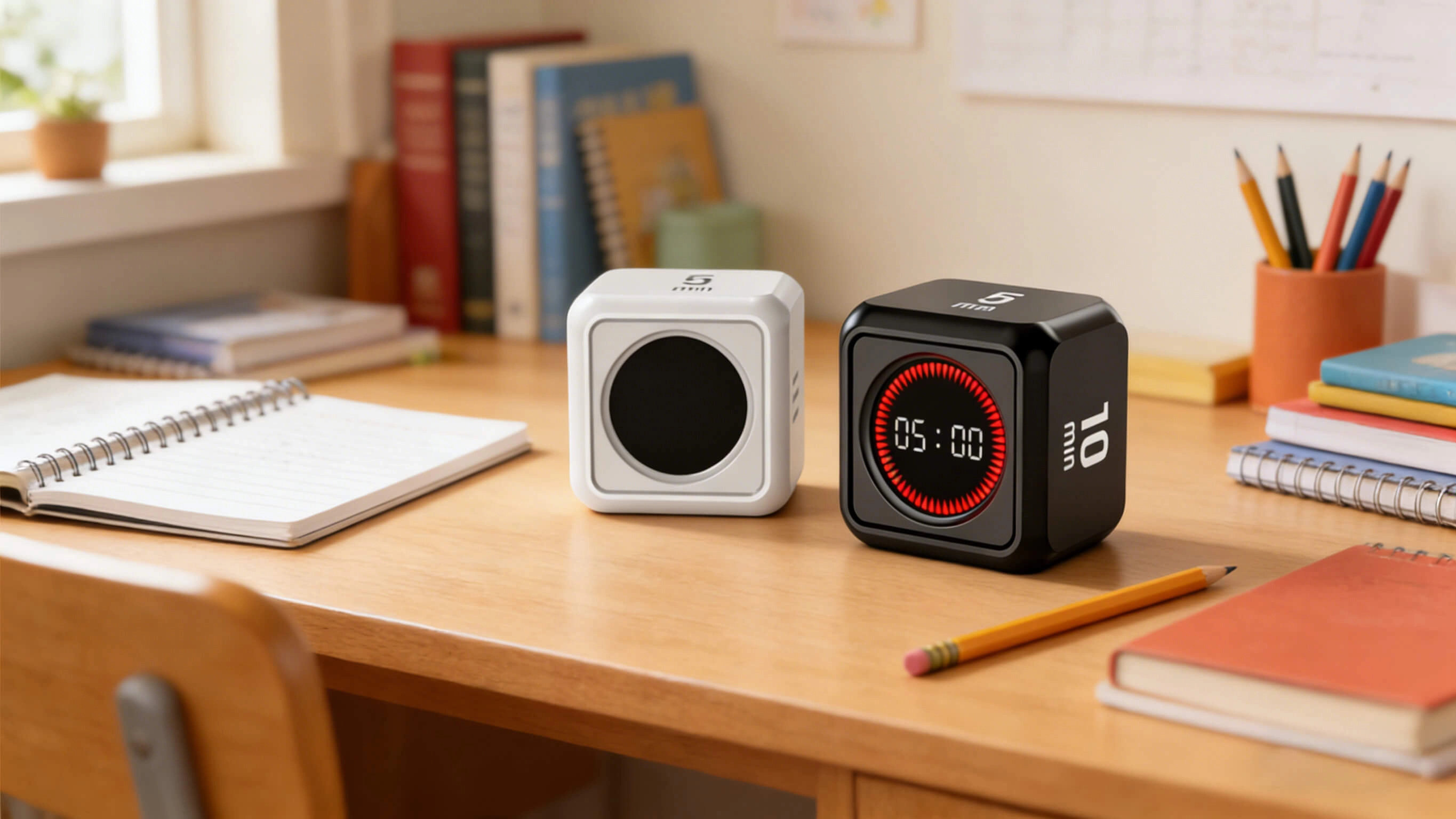
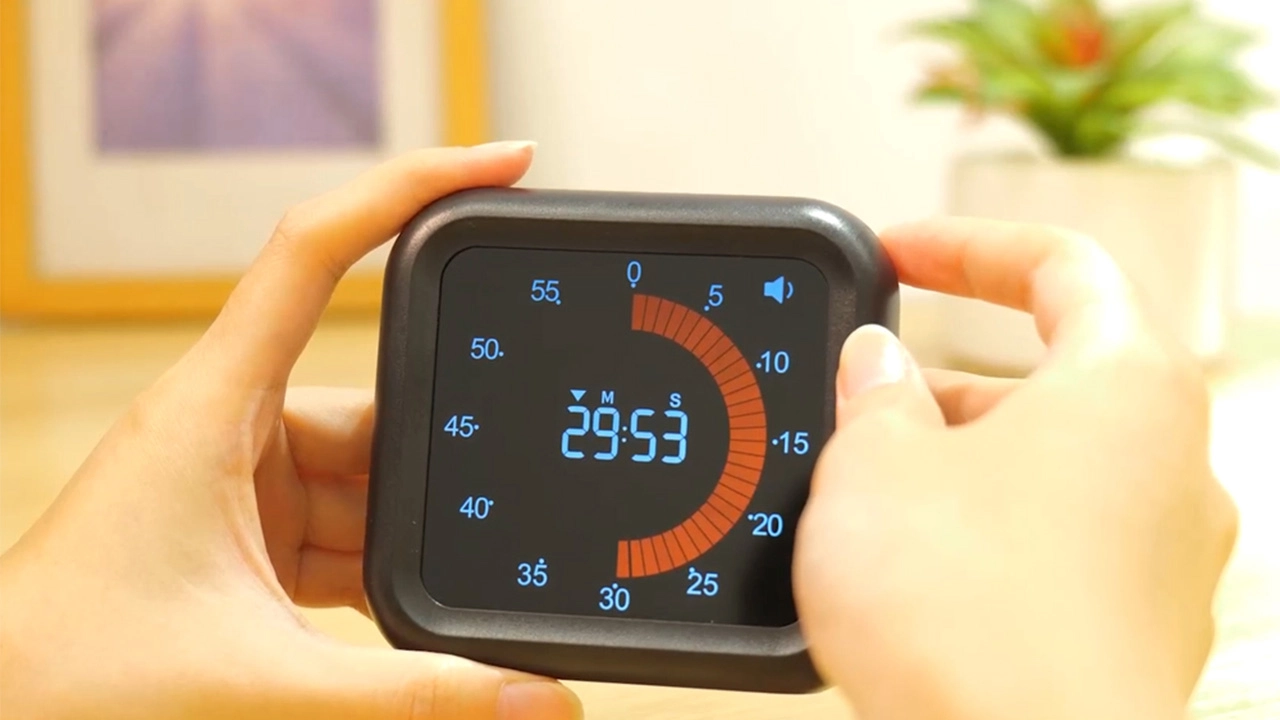
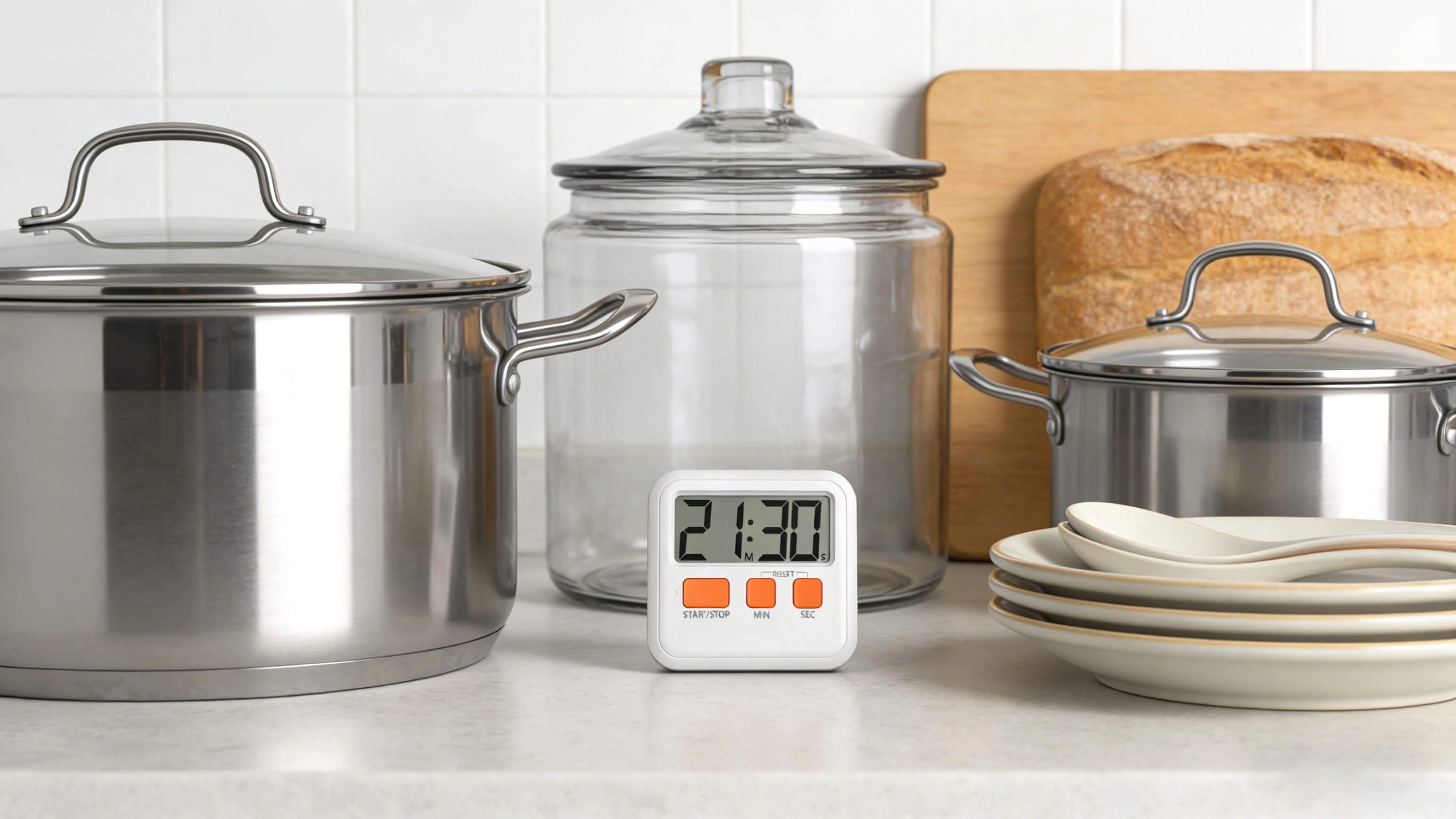
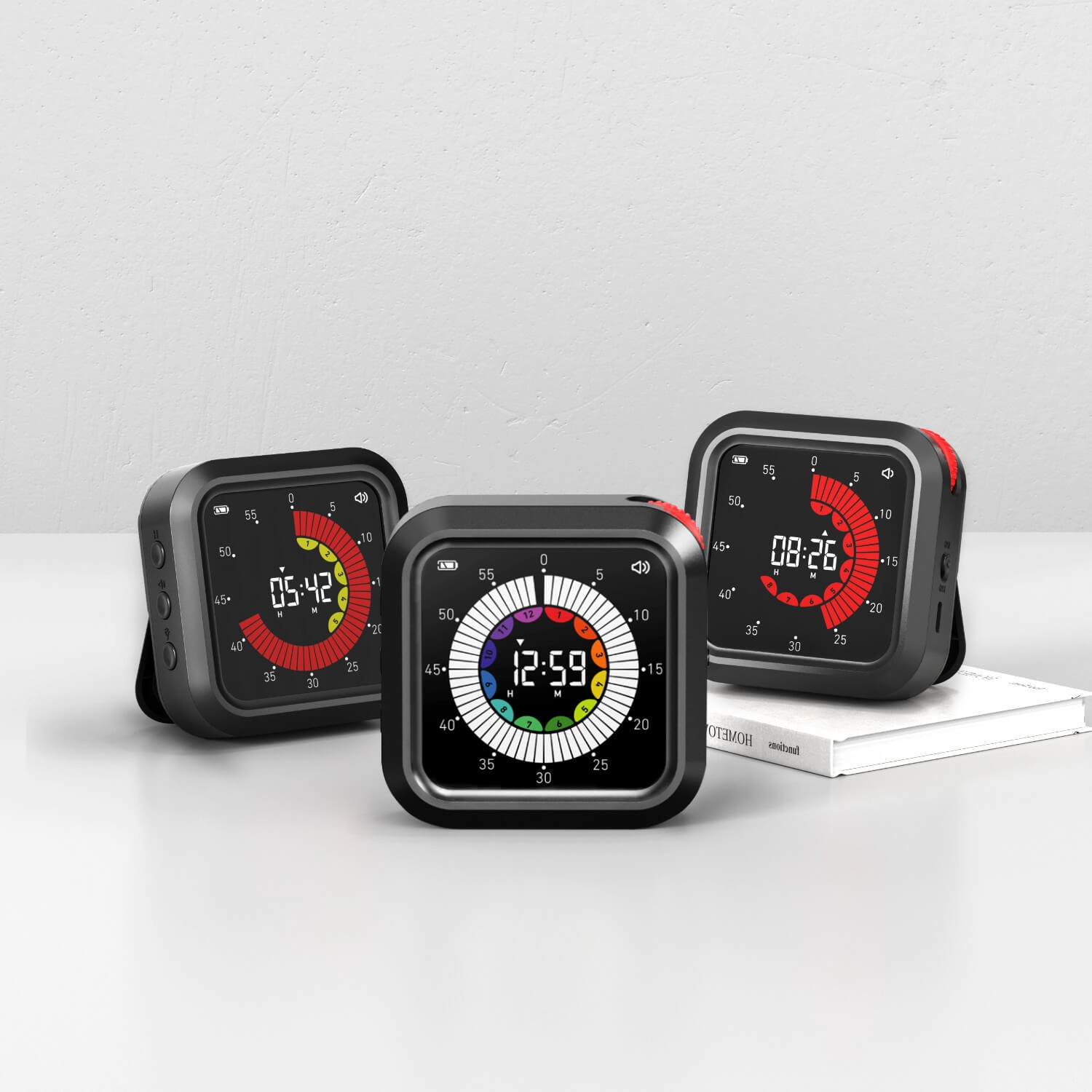
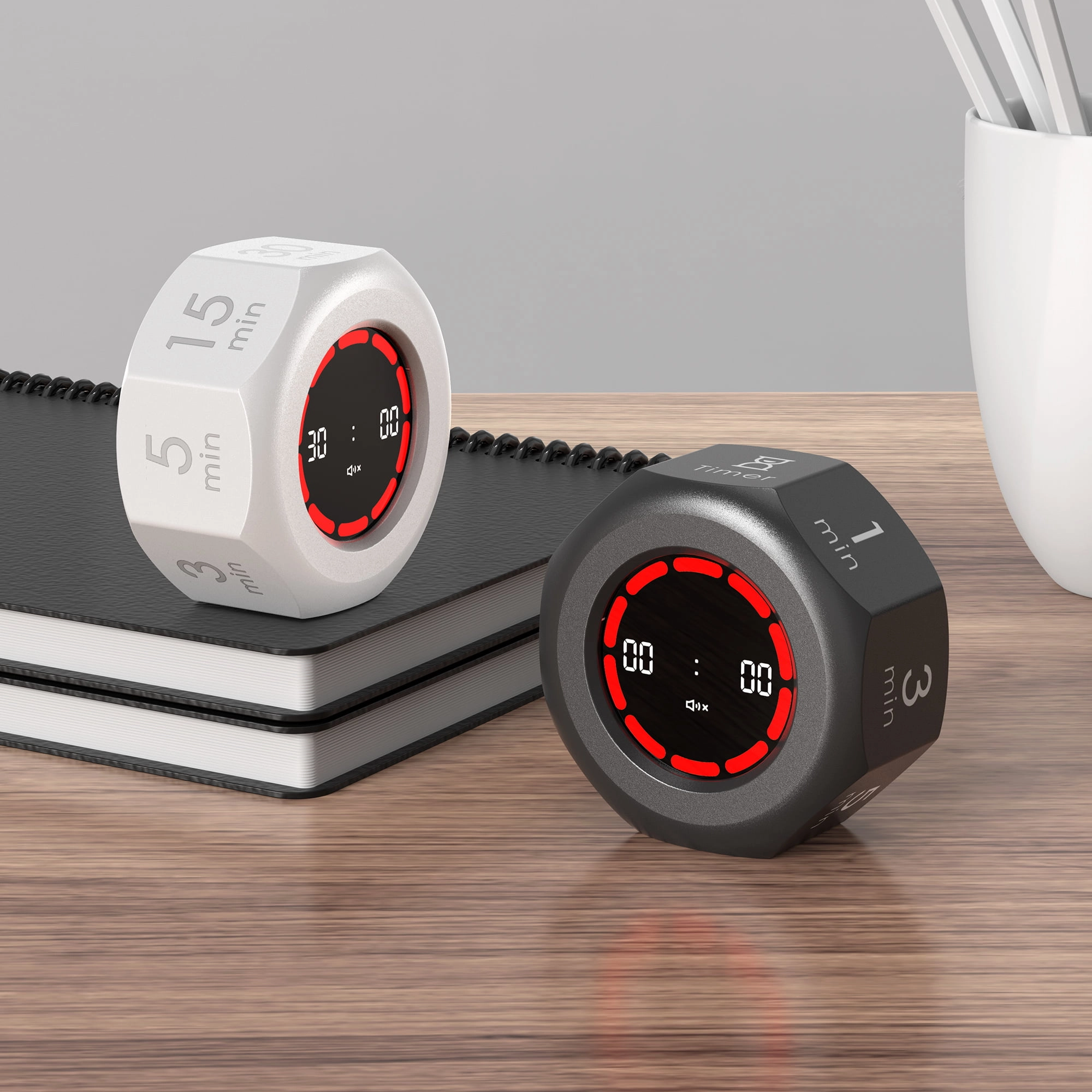
An OEM (Original Equipment Manufacturer) digital learning timer is a specialized timing device manufactured by a third party but branded and customized specifically for an educational technology company. Unlike generic kitchen timers, these devices are engineered with pedagogical features—such as visual countdown arcs, silent operation modes, and haptic feedback—to suit the sensory needs of students and the management needs of teachers.
Why Specialized Timers are Essential
Generic timers often fail in educational settings because they lack the durability and specific functionality required for learning. An OEM partnership allows EdTech brands to create devices that address specific pain points, such as:
· Sensory Overload: Standard loud alarms can disrupt focus, whereas learning timers use gentle chimes or lights.
· Durability: Classroom tools must withstand frequent drops and heavy usage.
· Pedagogical Alignment: Features like "Pomodoro" presets or interval timing support specific study techniques.
Key Takeaways: Why OEM Digital Learning Timers Matter for Education
OEM educational timers are more than just clocks; they are tools for self-regulation and executive function development.
The Strategic Value for EdTech Brands
Partnering with an OEM allows you to deliver a product that feels proprietary without the overhead of building a factory.
· Enhanced Learning Outcomes: Visual timers have been proven to reduce anxiety and improve on-task behavior, particularly for students with ADHD, by making the abstract concept of time concrete.
· Scalability & Cost-Efficiency: Digital learning device OEM partners offer High-Mix, Low-Volume (HMLV) manufacturing, allowing you to test market demand without massive initial capital.
· Brand Consistency: Every device carrying your logo reinforces your brand's commitment to quality education.
· Future-Proofing: Experienced manufacturers can integrate emerging tech like Bluetooth connectivity for LMS synchronization.
The Evolving Landscape of Digital Learning Timers: 2026-2027 Market Insights
The global EdTech market is projected to reach approximately $277.2 billion by 2025, with the K-12 sector commanding over 56% of that share. This growth is driven by a demand for personalized learning tools that function offline as well as online.
Demand Drivers for Specialized Hardware
· Hybrid Learning Models: Students need consistent tools that work at home and in school.
· Focus on Neurodiversity: There is a surging market for assistive technology, expected to exceed $25 billion by 2025, driving demand for accessible, sensory-friendly timers.
· Classroom Digitization: Schools are moving away from smartphones (due to bans) and toward dedicated, distraction-free devices.
EdTech timer solutions that cater to these specific trends are positioned to capture significant market share.
Core Components & Features: Designing an Effective Learning Timer for OEMs
To compete, your product must offer features that generic timers cannot. Custom learning timer manufacturing allows for deep personalization of the user experience.
Essential Pedagogical Features
1. Visual Countdown Interfaces: Research confirms that shrinking red disks or LED bars help students visualize time passing, reducing cognitive load.
2. Multi-Sensory Alerts: Options for auditory (chime), visual (flash), and tactile (vibrate) signals ensure accessibility for all learners.
3. Preset Modes: Pre-programmed intervals for common activities (e.g., 20-minute reading, 5-minute break).
4. LMS Integration: Advanced models can sync with platforms like Google Classroom to automate schedule transitions.
5. Child-Safe Durability: Reinforced ABS plastic casings and recessed buttons to prevent accidental resets.
From Concept to Prototype: The OEM Development Journey
The journey from an idea to a physical product involves rigorous planning. Classroom timer suppliers typically follow a structured pathway to ensure the final product meets educational standards.
The Development Lifecycle
· Ideation & Specification: Define the target age group (K-5 vs. Higher Ed) and specific pedagogical goals (e.g., focus training vs. exam timing).
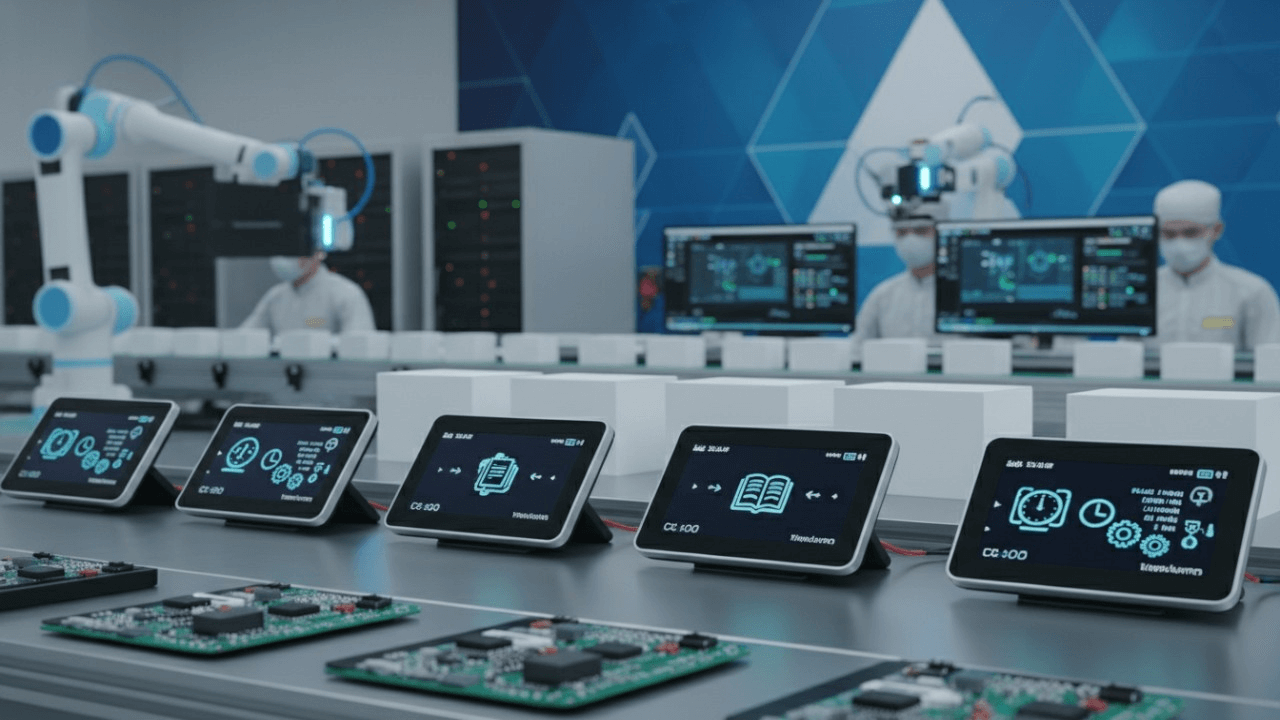
· Design for Manufacturability (DFM): Engineers review your concept to ensure it can be mass-produced efficiently. This step creates the balance between aesthetic desire and engineering reality.
· Prototyping: Rapid 3D printing allows for physical testing of ergonomics and button placement. Feedback from educators at this stage is critical.
· Iterative Testing: rigorous testing for button lifecycle (often 100,000+ clicks) and drop resistance.
Manufacturing & Quality Assurance for Educational Devices
Reliability is the currency of the classroom. If a timer fails during an exam, the trust in your brand is broken. Therefore, digital learning device OEM partners must adhere to strict QA protocols.
Best Practices in Production
· Component Sourcing: utilizing ethical supply chains to source high-quality LCDs, batteries, and PCBs.
· Green Manufacturing: With 2026 trends focusing on sustainability, leading OEMs are shifting toward biodegradable plastics and recyclable circuit boards.
· Scalability: The ability to ramp up production during the summer months to meet the "Back to School" rush is a non-negotiable requirement for EdTech partners.
Navigating Global Compliance and Educational Standards for 2026-2027
Educational hardware is subject to some of the strictest regulations in the electronics industry. Classroom timer suppliers must navigate a complex web of certifications.
Critical Certifications
· Safety: CPSIA (USA) and EN71 (Europe) standards are mandatory for products used by children, restricting lead and phthalates in materials.
· Electronics: CE, FCC, and RoHS compliance ensure the device is safe from electromagnetic interference and hazardous substances.
· Data Privacy: If the timer is "smart" and collects usage data, it must comply with COPPA and GDPR to protect student privacy.
Strategic Customization, Branding, and Private Labeling for EdTech
Differentiation is key. OEM educational timers offer the flexibility to make a product truly yours through private labeling.
Branding Opportunities
· Industrial Design: Custom molds that reflect your brand's design language (e.g., soft curves for elementary, sleek lines for high school).
· UI/UX Customization: Boot screens featuring your logo and custom alert tones that match your brand's audio identity.
· Packaging: Eco-friendly, frustration-free packaging that communicates your brand's values immediately upon unboxing.
Supply Chain Management & Logistics for EdTech OEMs
The post-2024 era has taught manufacturers the value of resilience. Successful EdTech timer solutions rely on robust logistics.
Mitigating Risk
· Dual-Region Manufacturing: Sourcing components from multiple geographies (e.g., Southeast Asia + Eastern Europe) to avoid geopolitical bottlenecks.
· Inventory Management: Smart OEMs use predictive analytics to stock critical components like chips and displays ahead of peak seasons.
· Global Distribution: Navigating customs and import duties to ensure products arrive in warehouses before the school year begins.
Cost Implications: Balancing Innovation, Quality, and Affordability
Schools are budget-conscious. Your product must offer premium features at a price point that districts can approve.
Factors Influencing Unit Cost
1. Volume: Higher quantities drastically reduce unit costs due to economies of scale in tooling and component purchasing.
2. Materials: Choosing between standard ABS vs. premium impact-resistant blends.
3. Complexity: Adding Bluetooth or rechargeable lithium batteries increases cost significantly compared to standard battery-operated models.
Value Engineering is the process where OEMs suggest alternative components that maintain quality while reducing costs, ensuring a viable ROI.
Choosing the Right OEM Partner for Your Learning Timer Project
Selecting a manufacturer is a strategic partnership. The right digital learning device OEM acts as an extension of your team.
Selection Criteria
· EdTech Experience: Do they have a track record of manufacturing educational electronics?
· R&D Capabilities: Can they help you innovate, or are they just an assembly line?
· Communication: Clear, transparent communication in your language is vital for troubleshooting complex engineering challenges.
· Ethical Standards: Ensure their factories meet international labor and environmental standards.
Expert Tips for Successful OEM Digital Learning Timer Deployment
Launching a hardware product is high-stakes. Follow these expert tips to ensure market adoption.
· User Research: Don't guess. Prototype with real teachers and students to validate feature sets.
· Modular Design: Design firmware that can be updated (if the device is connected) or hardware that is easy to repair.
· Feedback Loops: Create a channel for educators to report bugs or suggest features for Version 2.0.
· Simplicity: In a classroom, a device that requires a manual to operate will stay in the box. Prioritize intuitive design.
The Future of Digital Learning Timers: AI and Beyond (2026-2027 Projections)
The future of OEM educational timers lies in intelligence. By 2027, we expect to see:
· Adaptive Timing: AI algorithms that adjust work/rest intervals based on real-time student performance data.
· Analytics Integration: Timers that upload "focus data" to teacher dashboards, helping identify students who struggle with time management.
· Gamification: Devices that reward consistent focus streaks with digital badges or visual celebrations.
By leveraging these insights and partnering with the right manufacturer, EdTech companies can transform a simple countdown clock into a powerful engine for learning.
References
· Educational Technology Market Size & Trends
· K-12 Technology Spending Market Size & Growth 2025–2035
· Top 10 Electronics Manufacturing Trends & Technologies in 2025
Contacts
Sofia
WhatsApp/Phone
All
Do you offer OEM & ODM clock services?
Yes, we provide both OEM & ODM solutions, allowing clients to customize clock design, materials, packaging, and branding.
What types of clocks can you manufacture?
We manufacture a wide range of clocks, including wall clocks, desk clocks, digital clocks, and smart clocks.
Can I customize the clock design and logo?
Absolutely. We offer customization for clock appearance, structure, materials, and logo printing to perfectly match your brand.
What is the minimum order quantity (MOQ)?
Our standard MOQ varies depending on the model, usually starting from 200–500 pieces. Custom designs may require different quantities.
How do you ensure product quality?
All clocks undergo strict quality control, including time accuracy tests, durability checks, and packaging inspections before shipment.
Interested in this article?
Let’s talk.
Need specifications, pricing, or customization options? We’ll provide everything you need.
By clicking “Submit,” you agree to share your information with our authorized team to process your request.
Your data will only be used for necessary communication and support.

Youben life
Youben life
Youben life
Youben life