
The Ultimate Pomodoro Technique Guide: How to Master Your Focus and Reclaim Your Time
- Quick Summary: What is the Pomodoro Technique?
- The 6 Core Steps to Execute the Method
- Why It Works: The Science of Focus
- Advanced Strategies: Handling Interruptions & Flow
- Pomodoro in the Era of AI & Remote Work (2026 Trends)
- Expert Tips & Common Mistakes
- Conclusion
- What is the 25/5 rule in Pomodoro?
- Is the Pomodoro Technique actually effective for studying?
- Can I change the time intervals in the Pomodoro Technique?
- What should I do during the 5-minute break?
- How do I handle interruptions during a Pomodoro?
- Is the Pomodoro Technique good for ADHD?
- How many Pomodoros should I do in a day?
- What happens if I finish a task before the timer rings?
In an age of constant digital notifications and fragmented attention, finding a method to sustain deep work is essential for productivity. Whether you are a student preparing for exams or a professional juggling multiple projects, mastering your relationship with time is the first step toward success. This guide explores the Pomodoro Technique, a proven methodology that transforms time from an enemy into an ally.
Quick Summary: What is the Pomodoro Technique?
The Pomodoro Technique is a time management method that breaks work into focused 25-minute intervals separated by short breaks to instill urgency and reduce mental fatigue.
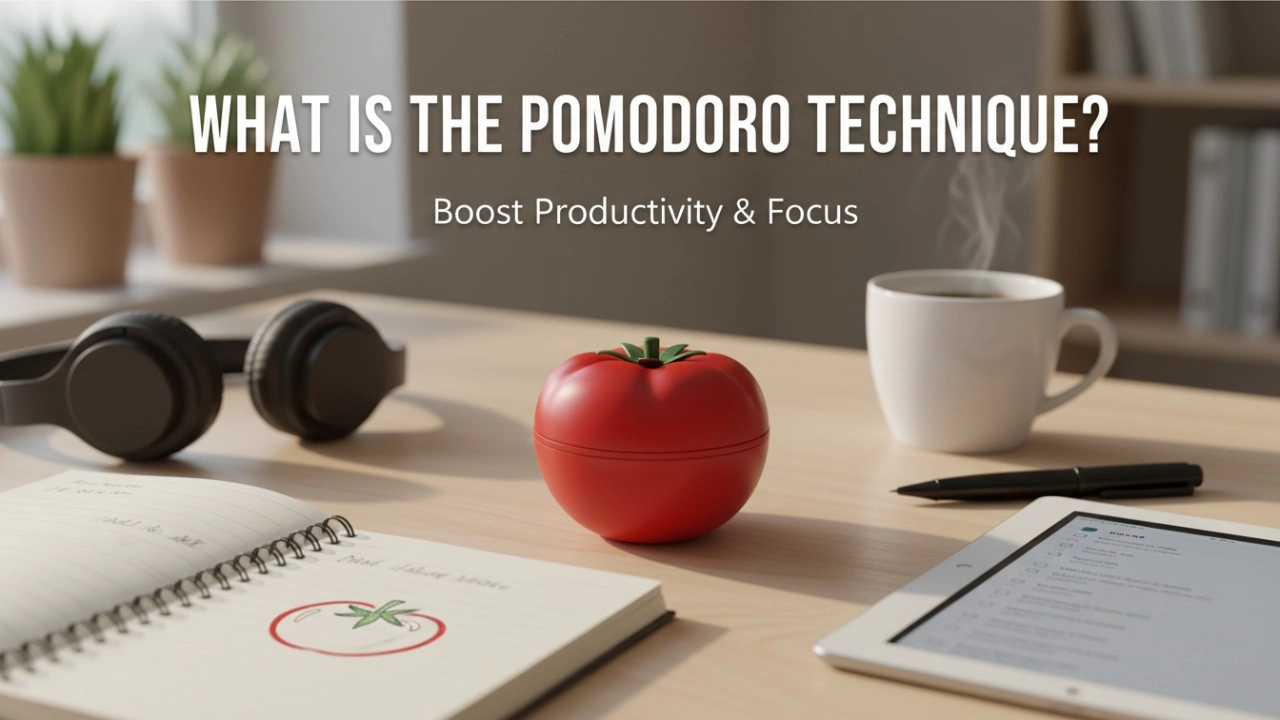
Developed in the late 1980s by Francesco Cirillo, the system is named after the tomato-shaped kitchen timer (Italian: pomodoro) he used as a university student. The core philosophy is simple: rather than fighting against the clock, you work with it. By compartmentalizing tasks into manageable chunks, you can maintain high cognitive performance for longer periods without burnout. As noted by Wikipedia, the technique is closely related to concepts like timeboxing and iterative development, making it a favorite among software developers and creatives alike.
The 6 Core Steps to Execute the Method
To execute the Pomodoro Technique, you must strictly follow a cycle of focused work and restorative rest to train your brain for sustained attention.
The process is rigid for a reason—it eliminates the decision fatigue of "when to stop" and "when to start." Here is the standard workflow:
- Choose a Task: Select exactly one task to tackle. Do not multitask.
- Set the Timer: Set your Pomodoro timer or pomodoro technique timer to 25 minutes.
- Work on the Task: Immerse yourself in the work until the timer rings. If a distracting thought arises, write it down instantly and return to work.
- End the Pomodoro: When the timer rings, stop immediately. Mark your progress with an X or checkmark.
- Take a Short Break: Disengage for 5 minutes. Breathe, stretch, or grab water (no screens).
- The Long Break: After four consecutive Pomodoros (about 2 hours of effort), take a longer restorative break of 15–30 minutes.

Why It Works: The Science of Focus
The technique works by leveraging spaced repetition and alleviating the cognitive load associated with long, unstructured work sessions.
When we face a large, undefined task, our brains often trigger a pain response, leading to procrastination. By shrinking the commitment to just 25 minutes, the Pomodoro study technique timer acts as a safety net, making the barrier to entry much lower. Furthermore, the frequent breaks align with our Ultradian Rhythms—biological cycles that dictate our energy levels throughout the day.
According to a study on medical education retention published by the National Institutes of Health (NIH), time-structured interventions like the Pomodoro method consistently improve focus and reduce mental fatigue compared to self-paced study. The timer creates an external deadline that combats Parkinson’s Law (the adage that work expands to fill the time available), forcing you to be efficient and decisive.
Advanced Strategies: Handling Interruptions & Flow
Effective interruption management involves distinguishing between internal distractions (your own thoughts) and external interruptions (colleagues or notifications) to protect your flow state.
While the basic technique is great for beginners, advanced practitioners know that protecting the Pomodoro technique study timer interval is crucial. For internal distractions, keep a "distraction pad" nearby to offload thoughts without switching contexts. For external interruptions, use the "Inform, Negotiate, Call Back" strategy: quickly inform the interrupter you are busy, negotiate a time to get back to them, and call them back precisely when your timer ends.
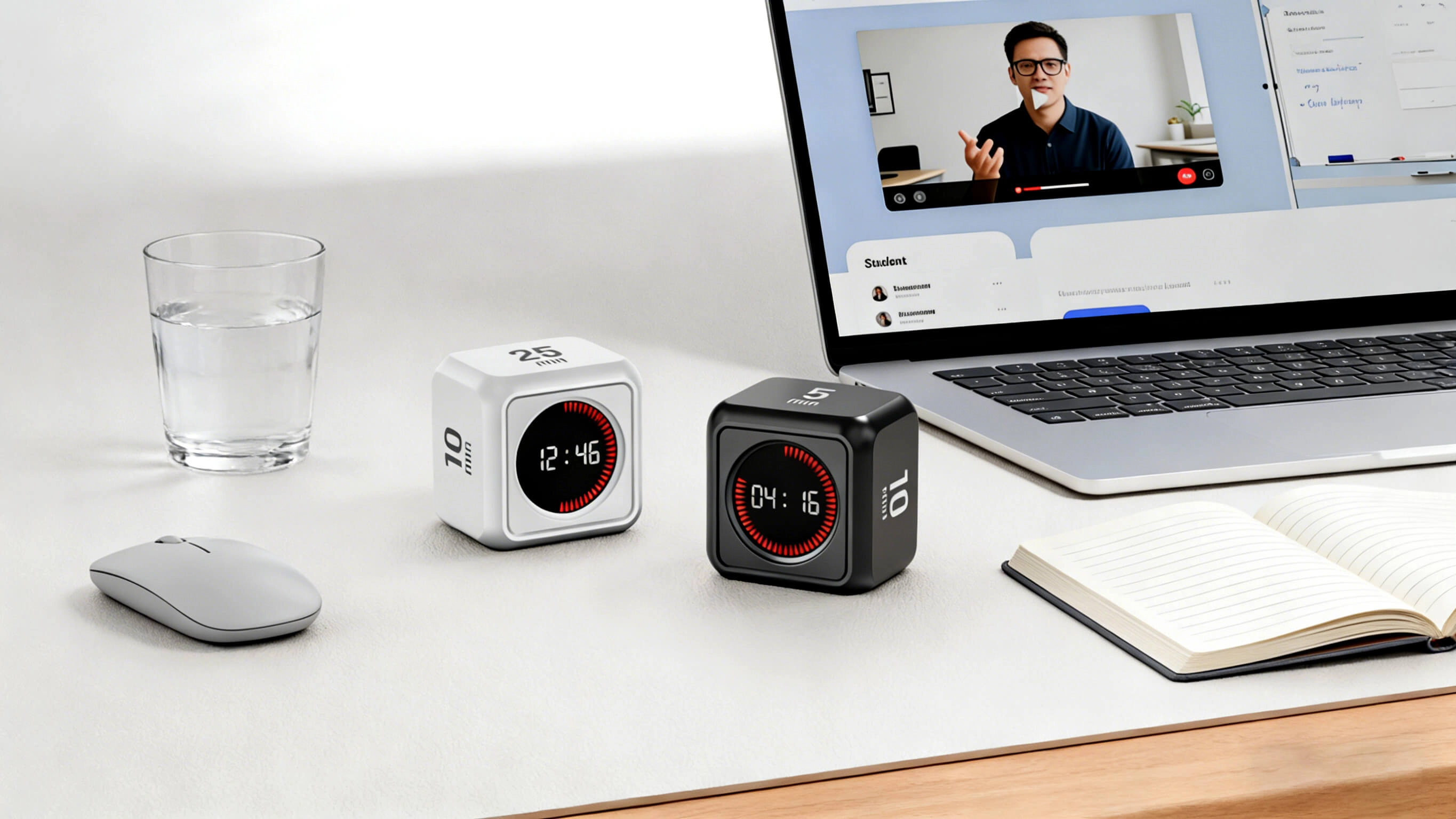
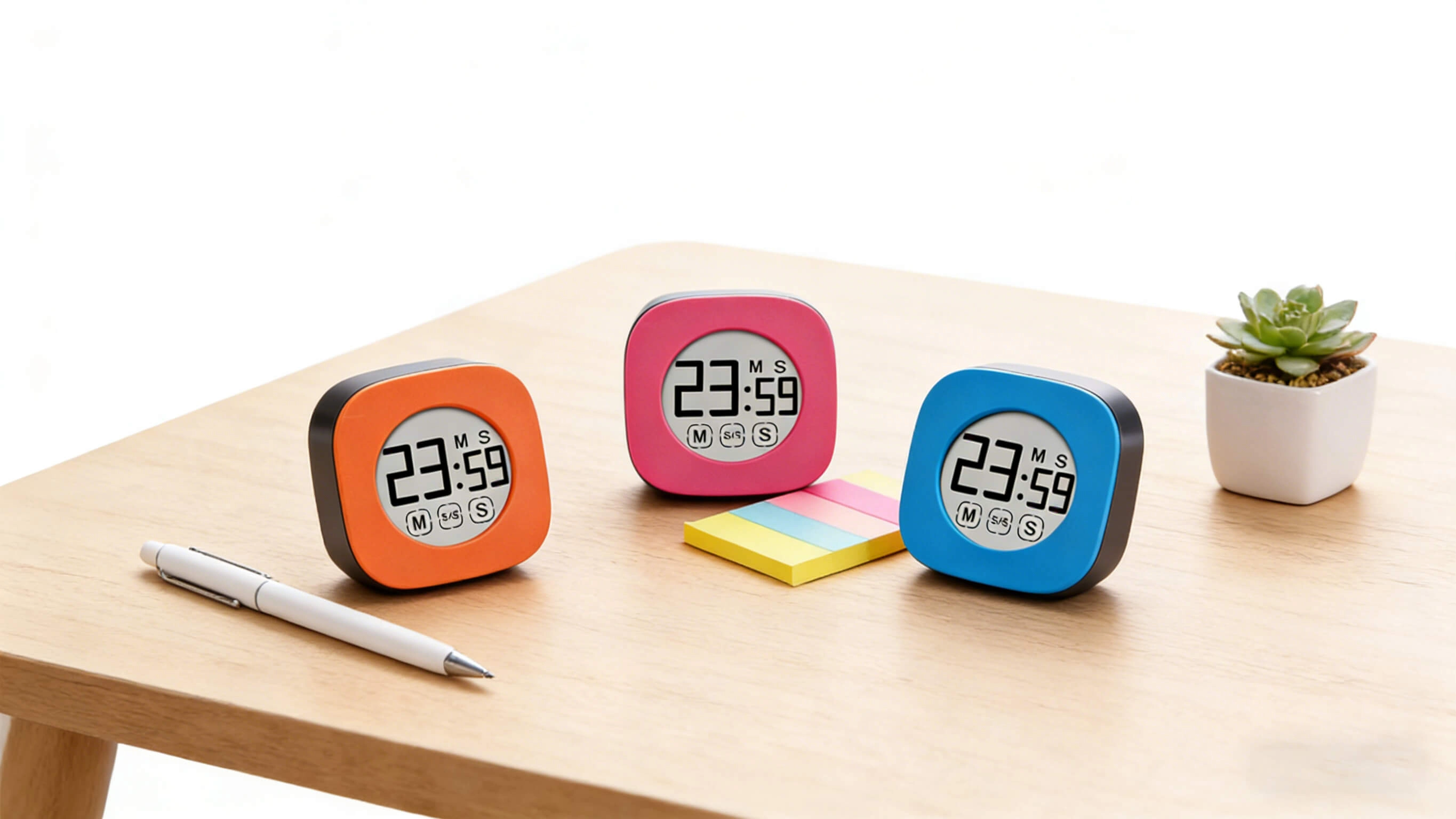
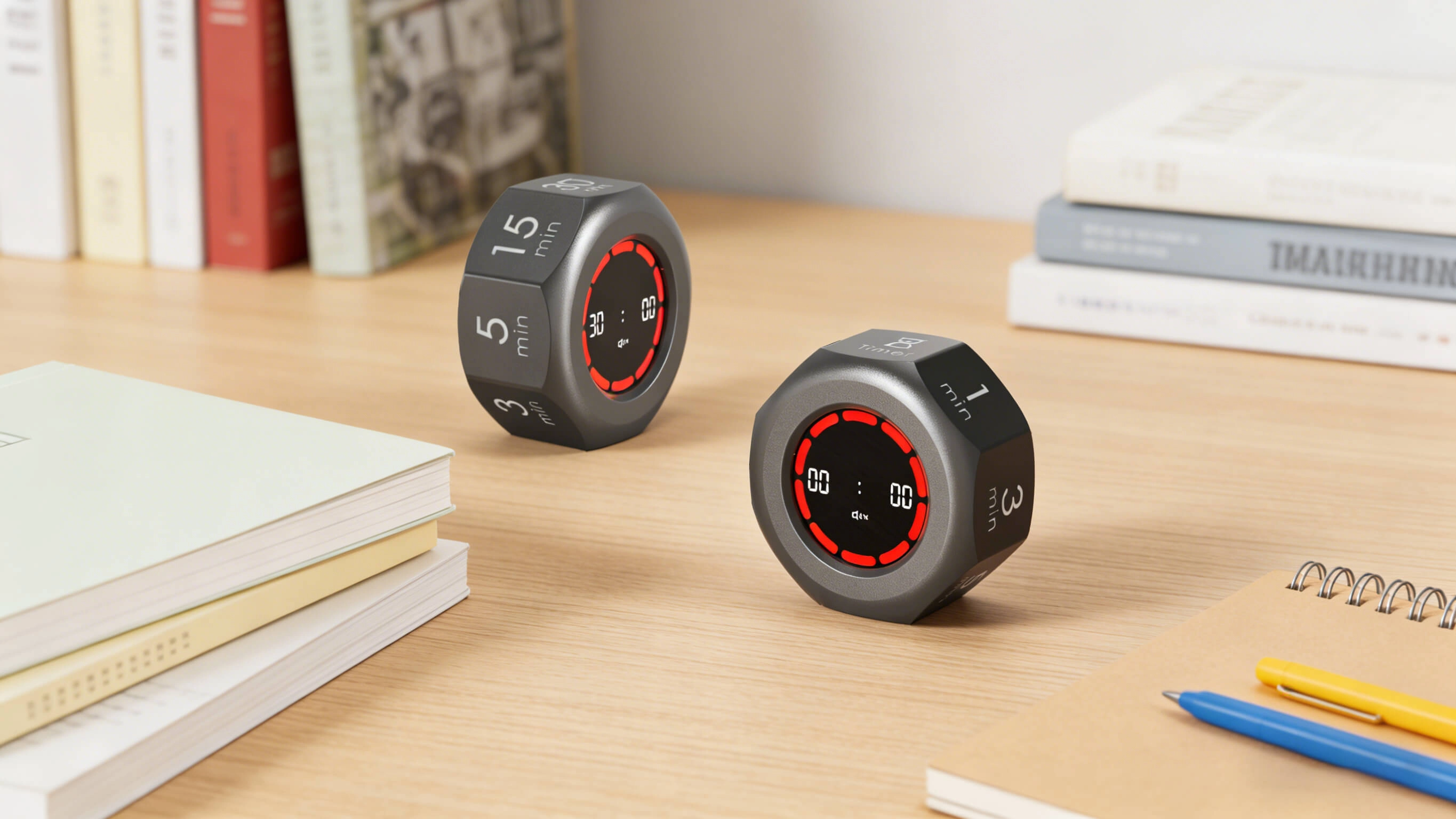
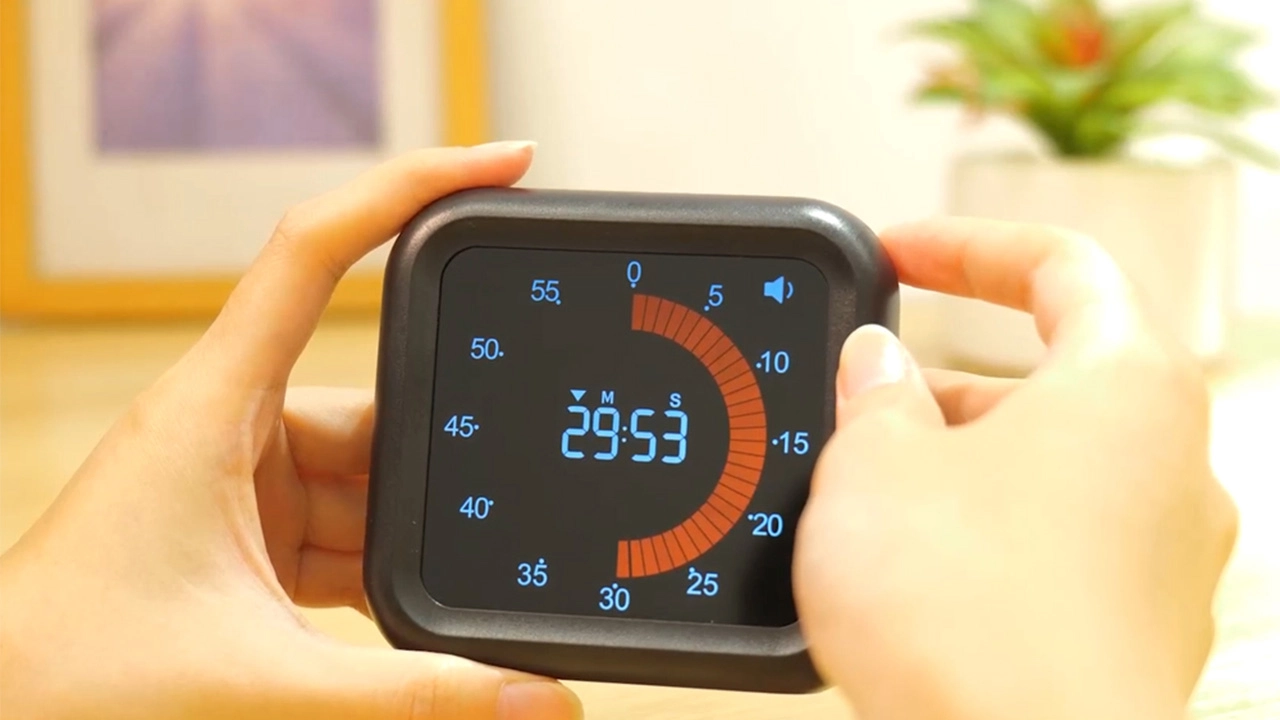
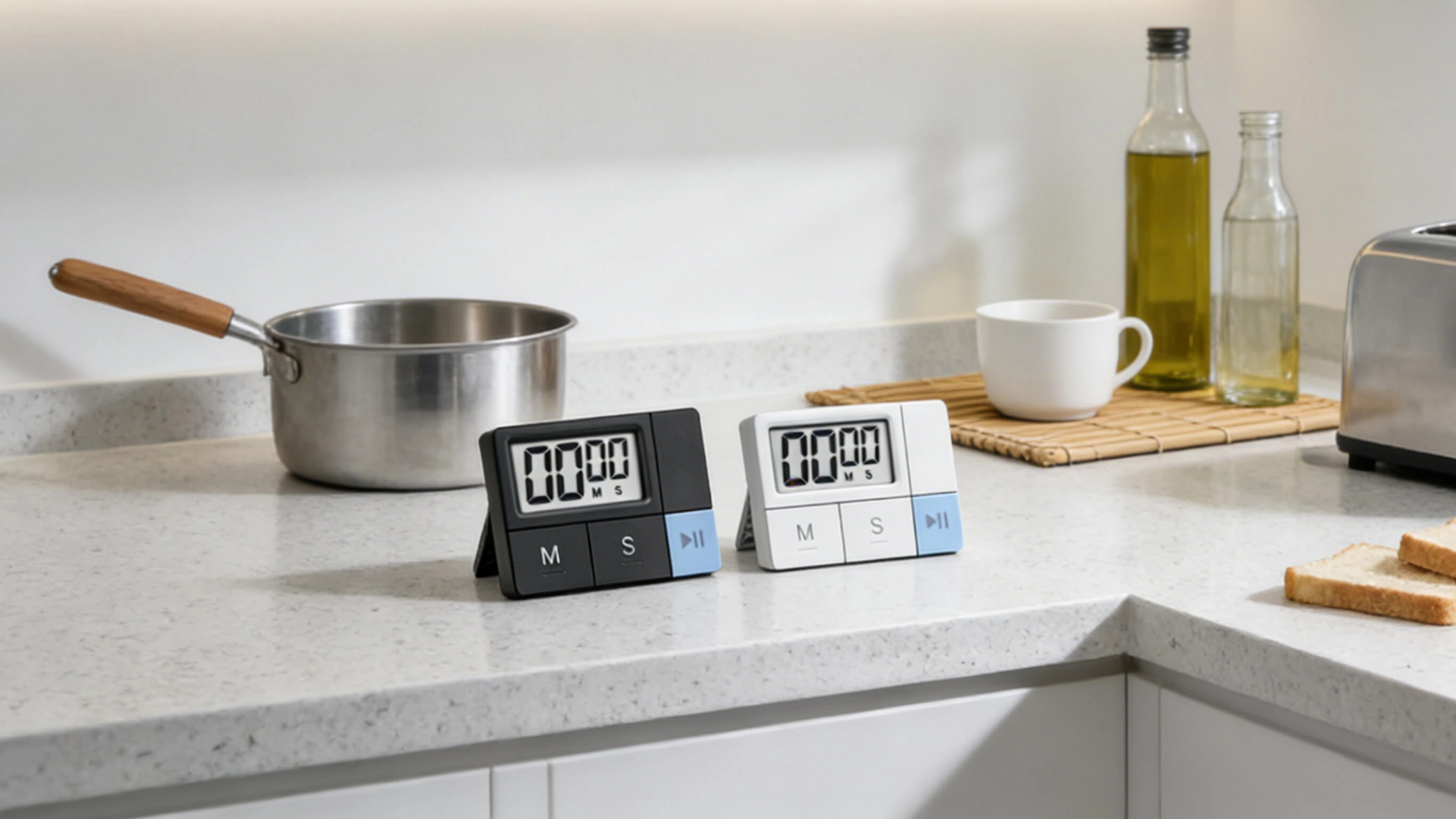
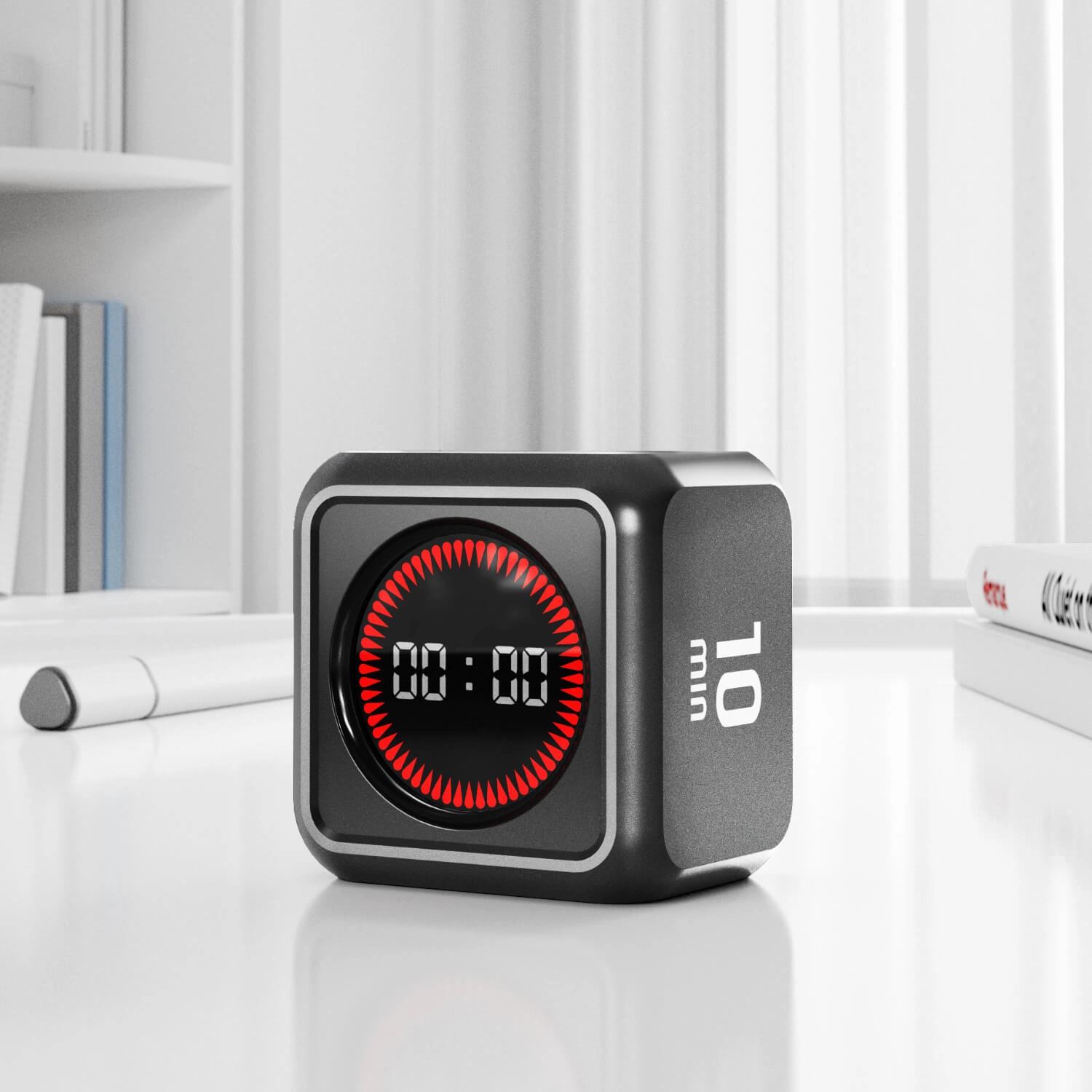
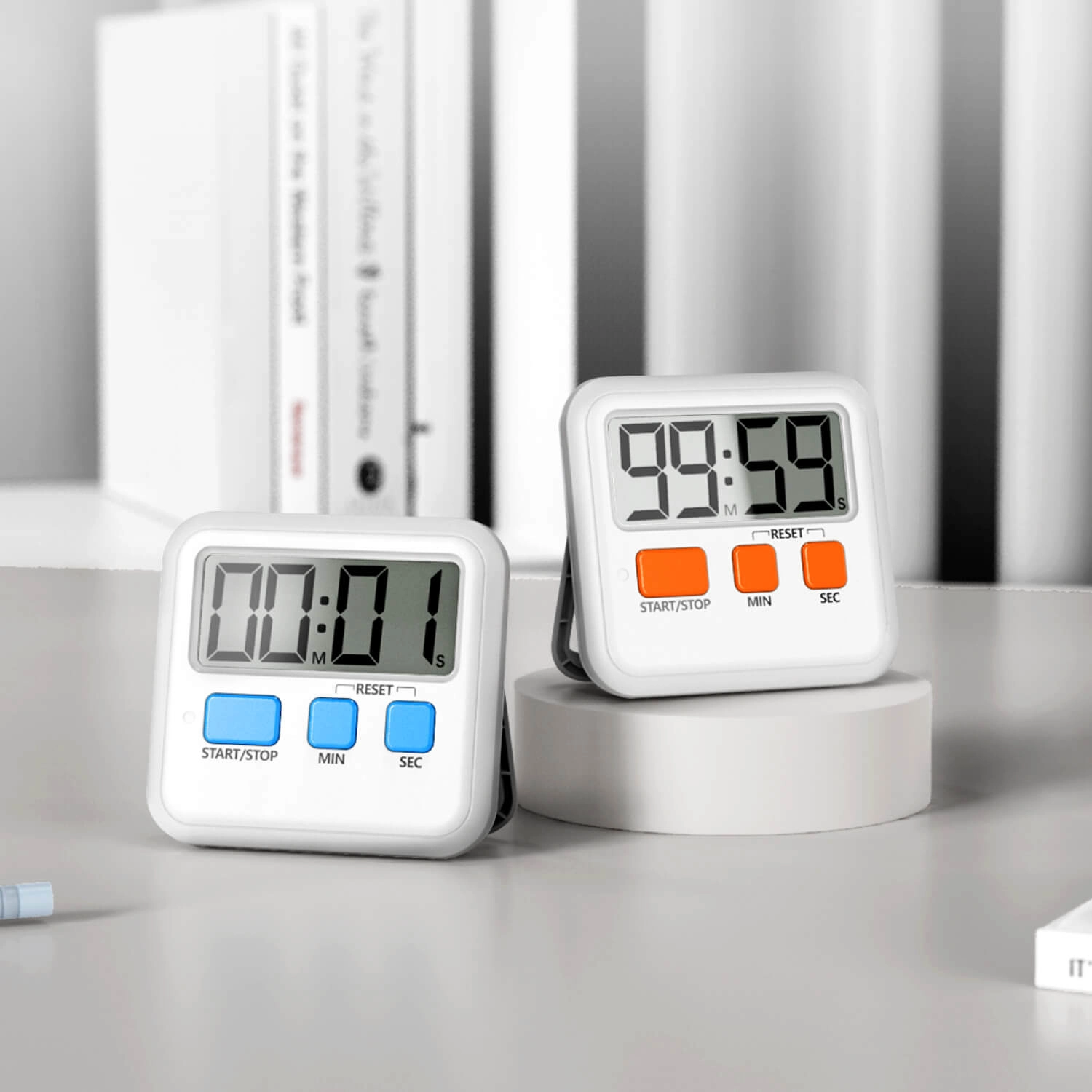
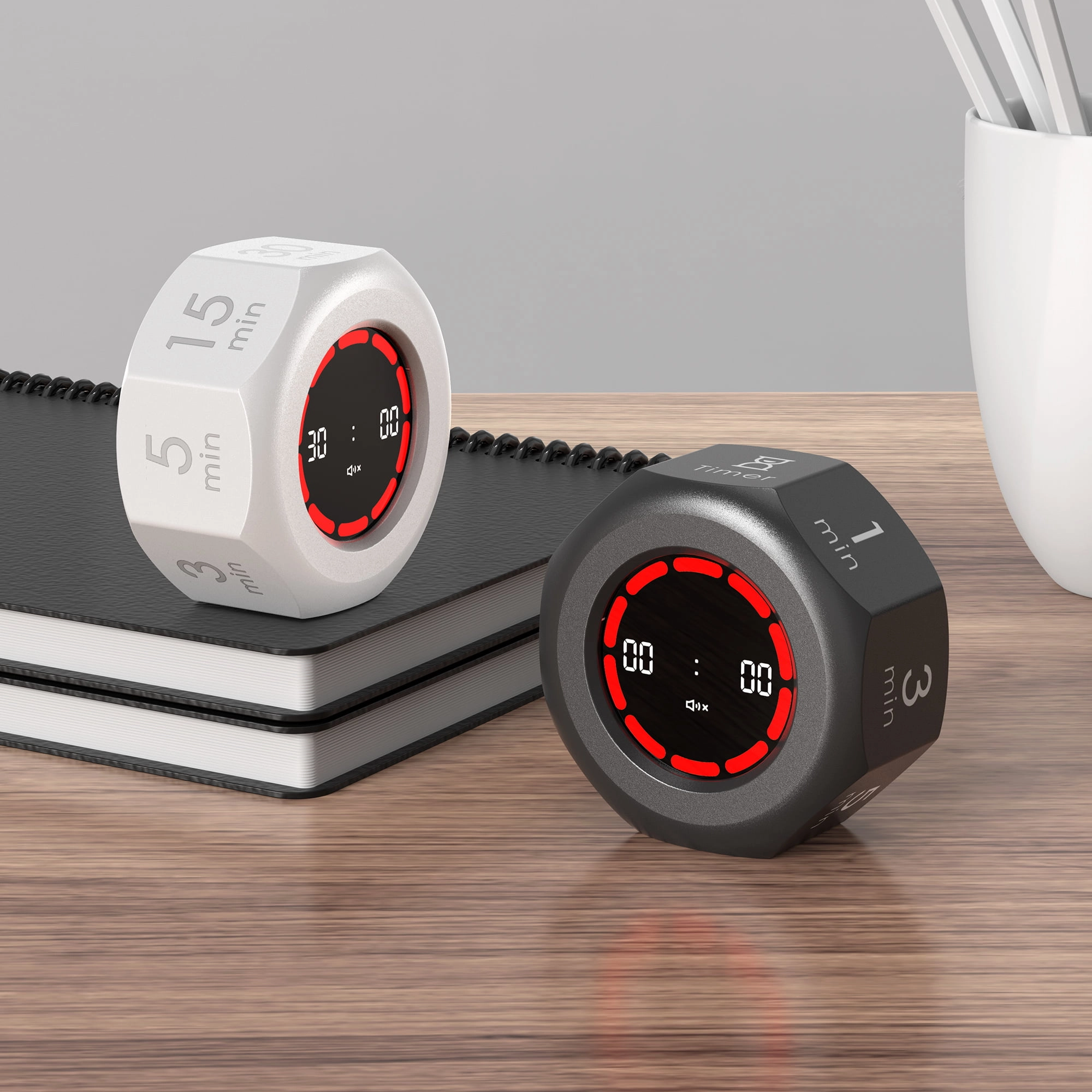
However, one of the biggest threats to focus is the very tool we often use to track it: the smartphone. Using a phone app can expose you to notifications that break your concentration. This is where dedicated hardware shines. At Guangdong Youben life Furnishing Industrial Co., Ltd., we understand this friction. As a premier OEM/ODM manufacturer established in 2010, Youben Life specializes in creating distraction-free Digital Timers and Visual Countdown Clocks. Our vertically integrated facility in Guangzhou produces high-precision hardware that allows users to physically set their work intervals, completely separating their focus tool from the distraction-rich environment of a smartphone.
Pomodoro in the Era of AI & Remote Work (2026 Trends)
In 2026, the Pomodoro Technique is evolving to integrate with Generative AI planning tools and asynchronous remote work environments.
Modern adaptations focus on "Effort Estimation." Instead of guessing how long a project will take, professionals are now using AI tools to break down projects into estimated Pomodoros, then using the timer to validate those predictions. This creates a feedback loop that improves future planning.
- AI-Powered Estimation: Use AI to analyze task complexity and assign a specific number of Pomodoros.
- Asynchronous Sync: Remote teams often use "Silent Pomodoro" sessions where team members join a video call with muted mics to work simultaneously, creating shared accountability across time zones.
- Digital Wellness: With screen time at an all-time high, the 5-minute break is no longer just for rest—it is a critical period for "visual de-loading" to prevent digital eye strain.
Expert Tips & Common Mistakes
Success with this method requires discipline in adhering to the breaks, not just the work intervals.
Many users fail because they try to power through the breaks or treat the timer as a suggestion rather than a rule. Here are expert tips to optimize your workflow:
- Mistake: Working through the buzzer. This defeats the mental reset purpose and leads to burnout later in the day.
- Mistake: Checking email during the 5-minute break. This increases cognitive load rather than releasing it.
- Tip: Batch small tasks. If you have five emails to send, group them into one single pomodoro timer session rather than scattering them.
- Tip: Use a physical timer. As seen with our Youben Life partners, shifting to a physical interface reinforces the ritual of "clocking in" for deep work.
Conclusion
The Pomodoro Technique is more than just a timer; it is a philosophy of protecting your attention in a distracted world. By respecting the balance between intense focus and restorative rest, you can achieve more in less time while maintaining your mental health. Start with the standard 25/5 ratio, use a dedicated timer to minimize digital distractions, and adapt the rhythm as you master your workflow.
Contact us today to optimize your time management hardware strategy with our premium timer solutions.
What is the 25/5 rule in Pomodoro?
The 25/5 rule refers to the standard interval ratio: 25 minutes of focused, uninterrupted work followed by a 5-minute restorative break. This ratio is designed to keep the brain fresh and maintain high levels of focus without inducing fatigue.
Is the Pomodoro Technique actually effective for studying?
Yes, research shows it improves retention by spacing out learning (spaced repetition) and preventing cognitive overload during long study sessions. By breaking complex material into small chunks, students can process information more effectively.
Can I change the time intervals in the Pomodoro Technique?
Absolutely. While 25 minutes is standard, many advanced users switch to 50/10 or 90/20 splits to align with 'Ultradian Rhythms' or Deep Work cycles. The key is to find the duration that allows you to maintain peak flow without exhaustion.
What should I do during the 5-minute break?
Avoid screens. Effective breaks include stretching, getting water, deep breathing, or simple tidy-up tasks to physically disengage from mental work. The goal is to let your eyes and prefrontal cortex rest.
How do I handle interruptions during a Pomodoro?
If it's internal, write it down and continue. If external, use the 'Inform, Negotiate, Call Back' method to defer the interruption until your break. Protect the integrity of the interval whenever possible.
Is the Pomodoro Technique good for ADHD?
Yes, it is highly recommended for ADHD as it breaks overwhelming tasks into manageable chunks and provides frequent, immediate rewards (breaks). The ticking timer also provides an external anchor for attention.
How many Pomodoros should I do in a day?
Most users aim for 8–12 Pomodoros (4–6 hours of deep work). Quality of focus matters more than the quantity of intervals; attempting too many can lead to diminishing returns.
What happens if I finish a task before the timer rings?
According to the strict rules, the Pomodoro is indivisible. Use the remaining time to review your work, optimize your process, or prepare for the next task. Do not switch to a completely unrelated activity until the timer rings.
Contacts
Sofia
WhatsApp/Phone
All
Do you offer OEM & ODM clock services?
Yes, we provide both OEM & ODM solutions, allowing clients to customize clock design, materials, packaging, and branding.
What types of clocks can you manufacture?
We manufacture a wide range of clocks, including wall clocks, desk clocks, digital clocks, and smart clocks.
Can I customize the clock design and logo?
Absolutely. We offer customization for clock appearance, structure, materials, and logo printing to perfectly match your brand.
What is the minimum order quantity (MOQ)?
Our standard MOQ varies depending on the model, usually starting from 200–500 pieces. Custom designs may require different quantities.
How do you ensure product quality?
All clocks undergo strict quality control, including time accuracy tests, durability checks, and packaging inspections before shipment.
Interested in this article?
Let’s talk.
Need specifications, pricing, or customization options? We’ll provide everything you need.
By clicking “Submit,” you agree to share your information with our authorized team to process your request.
Your data will only be used for necessary communication and support.

Youben life
Youben life
Youben life
Youben life