
The Definitive Guide to Digital Kitchen Timers Manufacturing: Innovations & Partners for 2025
A comprehensive resource for businesses and product developers on digital kitchen timer manufacturing. Covers the entire production lifecycle from injection molding and PCB assembly to quality control standards like ISO 9001 and regulatory compliance (CE, FCC, RoHS).
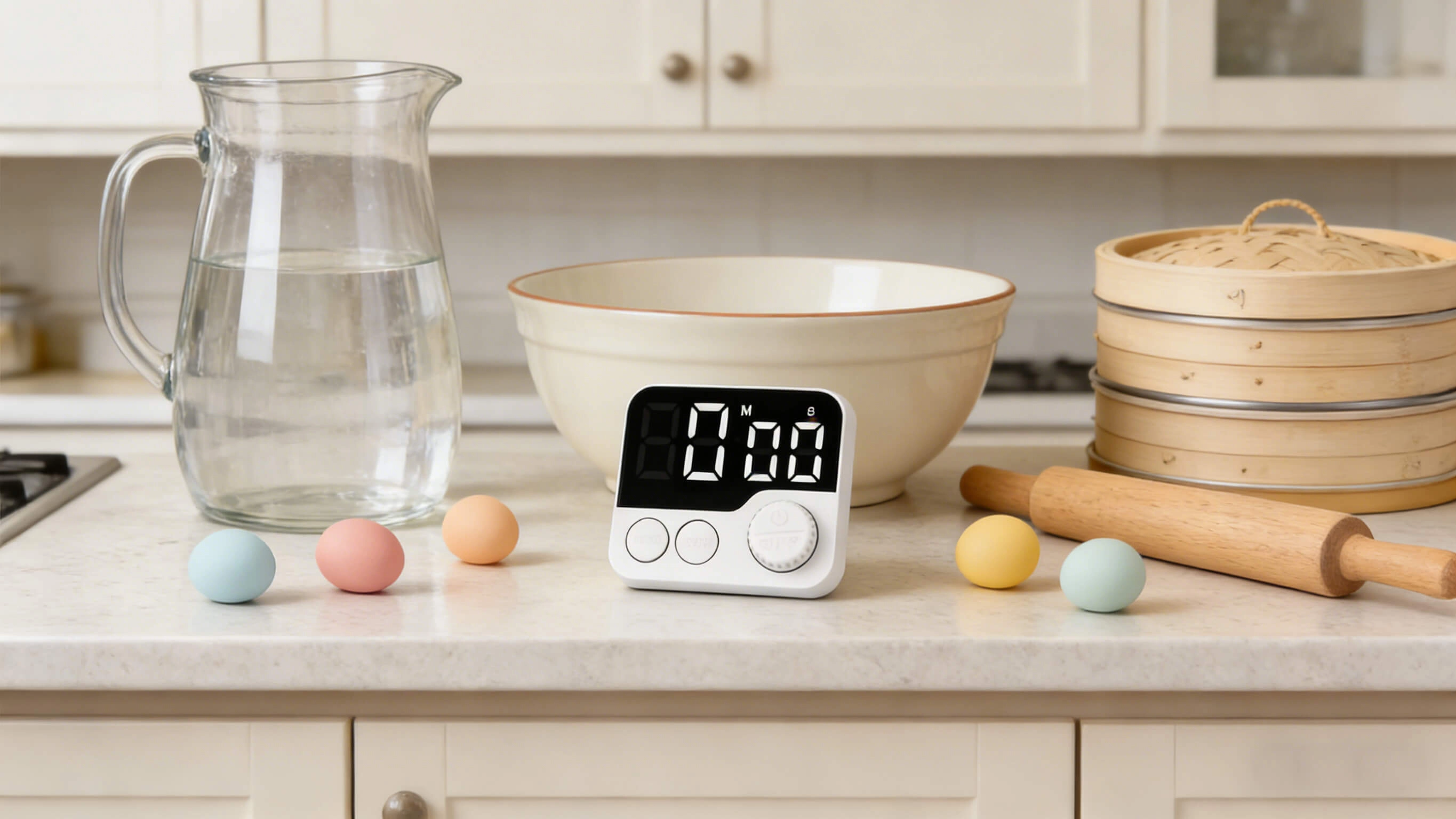
- Introduction: The Evolving Landscape of Digital Kitchen Timer Manufacturing
- Understanding the Digital Kitchen Timer Manufacturing Process
- 1. Ideation and Design for Manufacturing (DFM)
- 2. Tooling and Injection Molding
- 3. PCB Assembly (PCBA)
- Key Components and Material Sourcing for Digital Timers
- Essential Electronic Components
- Casing Material Choices
- Battery and Power Management
- Quality Control and Assurance in Digital Timer Production
- Testing Protocols
- Regulatory Certifications
- Customization and OEM/ODM Services for Digital Kitchen Timers
- Innovations and Future Trends in Digital Kitchen Timer Manufacturing
- Choosing the Right Digital Kitchen Timer Manufacturing Partner
- Frequently Asked Questions
- What is the typical lead time for manufacturing custom digital kitchen timers?
- What essential certifications should a digital kitchen timer manufacturer possess?
- Can manufacturers integrate smart home capabilities into digital kitchen timers?
- What's the difference between OEM and ODM services in timer manufacturing?
- What materials are commonly used for durable and high-quality digital kitchen timers?
- How do manufacturers ensure the accuracy and reliability of digital timers?
- What are the advantages of working with a specialized digital kitchen timer manufacturer?
- Are there sustainable manufacturing options for digital kitchen timers?
- References
Introduction: The Evolving Landscape of Digital Kitchen Timer Manufacturing
The global market for digital kitchen timers is undergoing a significant transformation, driven by the rapid adoption of smart home ecosystems and a heightened consumer focus on precision cooking. As stated in recent market analysis reports from 2025, the sector is expanding beyond basic countdown functionality to include IoT integration, voice control, and sustainable materials. For brands, retailers, and product innovators, understanding the intricacies of the manufacturing process—from sourcing precision components to navigating complex regulatory landscapes—is no longer optional; it is a critical competitive advantage.
This guide serves as a definitive resource for businesses looking to source, develop, or manufacture high-quality digital timers. By examining the technical foundations of production, such as the specific role of quartz crystal oscillators in timekeeping accuracy, and the rigorous standards required for international compliance, we provide the expert-level insights needed to make informed manufacturing decisions.
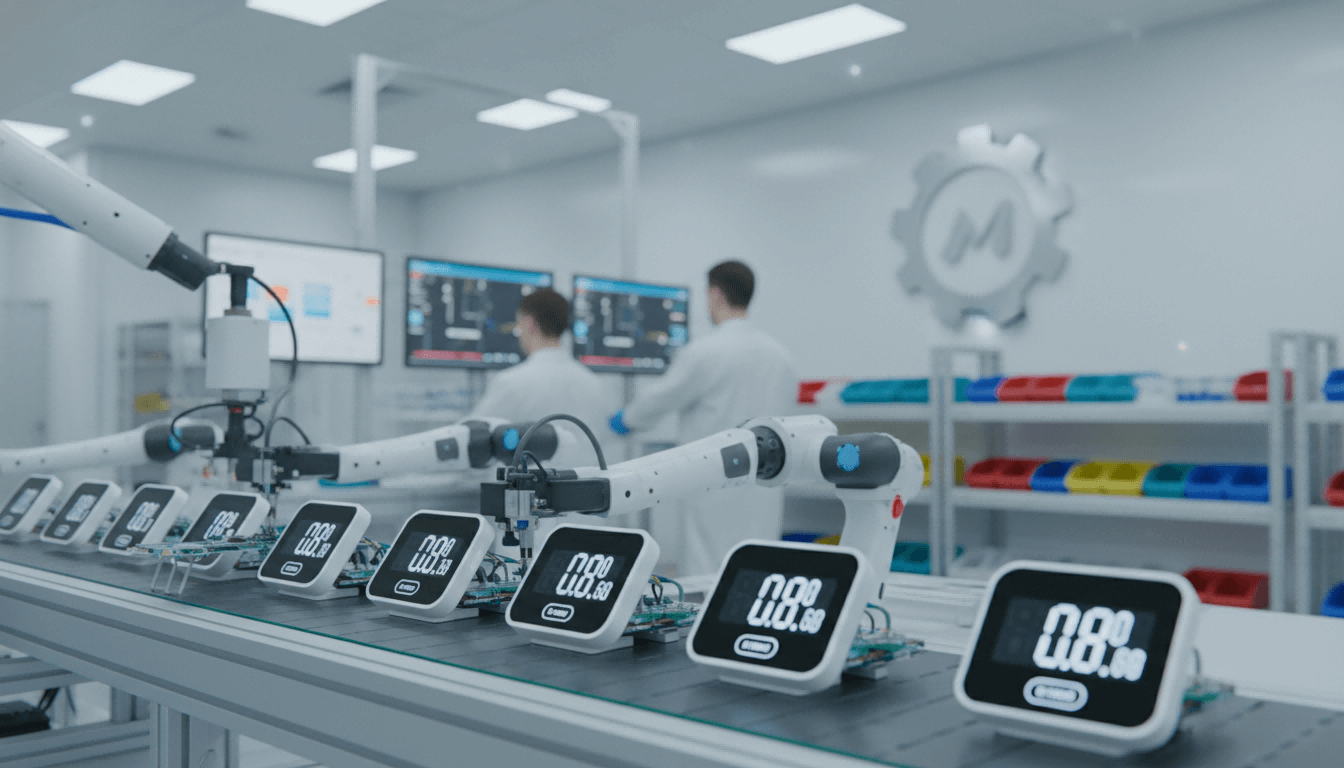
Understanding the Digital Kitchen Timer Manufacturing Process
The journey from a concept to a retail-ready product involves a highly synchronized series of engineering and industrial steps. A robust manufacturing workflow ensures that the final product meets both aesthetic expectations and functional requirements.
1. Ideation and Design for Manufacturing (DFM)
Before a single tool is cut, the product undergoes a Design for Manufacturing (DFM) phase. Engineers analyze the CAD models to ensure that the enclosure designs are suitable for injection molding—checking for draft angles, wall thickness uniformity, and potential sink marks. This stage is crucial for optimizing production efficiency and minimizing material waste.
2. Tooling and Injection Molding
The physical creation of the timer begins with tooling. Steel molds are precision-machined to form the casing. According to industry guides on injection molding, the process involves melting thermoplastic granules—typically ABS (Acrylonitrile Butadiene Styrene) or Polycarbonate (PC)—and injecting them under high pressure into the mold cavity. After a cooling phase, the parts are ejected and inspected for cosmetic defects. For premium models requiring high impact resistance or heat tolerance, manufacturers often switch from standard ABS to Polycarbonate, which can withstand continuous service temperatures up to 125°C.
3. PCB Assembly (PCBA)
The "brain" of the timer is the Printed Circuit Board (PCB). The assembly process typically utilizes Surface Mount Technology (SMT), where automated machines place tiny electronic components—resistors, capacitors, and microcontrollers—onto the board with extreme precision. The boards then pass through reflow ovens to solder the components in place.
Key Components and Material Sourcing for Digital Timers
Selecting the right materials and components is fundamental to product longevity and user experience.
Essential Electronic Components
· Microcontrollers (MCUs): The central processing unit that manages input from buttons and drives the display.
· Crystal Oscillators: The heartbeat of any digital timer. To ensure accuracy, manufacturers typically use a 32.768 kHz quartz tuning-fork crystal. As detailed in technical documentation from electronic component suppliers, the stability of this crystal determines the timer's precision, often measured in parts per million (ppm).
· Display Modules: Options range from cost-effective TN-LCDs (Twisted Nematic Liquid Crystal Displays) to high-contrast LED or OLED screens for premium visibility.
Casing Material Choices
· ABS Plastic: The industry standard for consumer-grade electronics due to its balance of cost, impact resistance, and ease of molding.
· Polycarbonate (PC): Used for higher-end models requiring superior durability and heat resistance.
· Silicone: Often co-molded or used for non-slip bases and soft-touch buttons.
Battery and Power Management
Designers must choose between disposable options (AAA, coin cell CR2032) and rechargeable Lithium-ion batteries. Compliance with safety standards like UN38.3 is mandatory for shipping products containing lithium batteries.
Quality Control and Assurance in Digital Timer Production
Reliability is the hallmark of a successful product. Reputable manufacturers operate under Quality Management Systems (QMS) certified to ISO 9001 standards. This certification ensures consistency across all production stages.
Testing Protocols
A comprehensive quality control regimen includes:
1. Incoming Quality Control (IQC): Verifying raw materials and components meet specifications before they enter the production line.
2. In-Process Quality Control (IPQC): Automated optical inspection (AOI) of PCBs and random checks during assembly.
3. Final Quality Control (FQC): The finished product undergoes rigorous stress testing. This includes drop tests (simulating falls from countertops), temperature and humidity cycling (to ensure operation in hot, steamy kitchens), and button lifecycle testing (often verified for thousands of presses).
Regulatory Certifications
Compliance is non-negotiable for global distribution. Key certifications include:
· CE (Conformité Européenne): Mandatory for the EU, indicating conformity with health, safety, and environmental protection standards.
· RoHS (Restriction of Hazardous Substances): Ensures the product is free from hazardous materials like lead and mercury.
· FCC (Federal Communications Commission): Required in the US for electronic devices to ensure they do not cause harmful electromagnetic interference.
· UL (Underwriters Laboratories): While often voluntary for battery-operated devices, UL certification is a strong signal of safety and is frequently required by major retailers.
Customization and OEM/ODM Services for Digital Kitchen Timers
Understanding the distinction between manufacturing models is vital for sourcing strategy.
· OEM (Original Equipment Manufacturer): The factory produces a timer based entirely on the buyer's unique design and specifications. This offers maximum brand differentiation but requires significant investment in tooling and R&D.
· ODM (Original Design Manufacturer): The factory provides a pre-designed product that the buyer can rebrand. This reduces time-to-market and development costs but offers limited design exclusivity.
Minimum Order Quantities (MOQs) play a major role here. OEM projects typically command higher MOQs (often 3,000–5,000 units) to amortize tooling costs, while ODM products may be available at lower volumes.
Innovations and Future Trends in Digital Kitchen Timer Manufacturing
The market is rapidly shifting towards connected cooking. As highlighted in 2025 smart kitchen trend reports, the integration of IoT (Internet of Things) is a major driver. Modern manufacturing lines are now equipping timers with Wi-Fi and Bluetooth modules, enabling connection to smart home apps and voice assistants like Amazon Alexa or Google Home.
Sustainability is another emerging priority. Manufacturers are increasingly exploring the use of Post-Consumer Recycled (PCR) plastics and biodegradable packaging to meet the demands of eco-conscious consumers and tighter environmental regulations.
Choosing the Right Digital Kitchen Timer Manufacturing Partner
Selecting a partner goes beyond comparing price lists. Key evaluation criteria should include:
· Certifications: Verify current ISO 9001 certificates and product-specific compliance reports (CE, FCC).
· R&D Capabilities: Does the factory have in-house engineering teams to support custom PCB design or firmware modifications?
· Supply Chain Resilience: Assess their ability to manage component shortages, particularly for specific microchips or displays.
· Transparency: A trustworthy partner welcomes factory audits and provides clear, detailed timelines for tooling, prototyping, and mass production.
Frequently Asked Questions
What is the typical lead time for manufacturing custom digital kitchen timers?
Lead times vary based on design complexity. Generally, tooling and prototyping take 4-8 weeks. Once the sample is approved, mass production typically requires another 6-12 weeks, depending on component availability and order volume.
What essential certifications should a digital kitchen timer manufacturer possess?
At a minimum, manufacturers should hold ISO 9001 for quality management. For the product itself, CE and RoHS are essential for Europe, while FCC is mandatory for the US. UL certification is highly recommended for safety assurance and retail compliance.
Can manufacturers integrate smart home capabilities into digital kitchen timers?
Yes, advanced manufacturers can integrate Wi-Fi or Bluetooth modules. This enables features like remote monitoring via apps, synchronization with other smart appliances, and voice control compatibility.
What's the difference between OEM and ODM services in timer manufacturing?
OEM involves manufacturing a product designed entirely by the buyer (unique tooling, custom specs). ODM involves buying a factory's existing design and rebranding it (faster, lower cost, less unique).
What materials are commonly used for durable and high-quality digital kitchen timers?
ABS plastic is the standard for durability and cost-effectiveness. Polycarbonate (PC) is used for premium models requiring higher heat resistance. Stainless steel accents and silicone buttons are also common for improved aesthetics and tactile feel.
How do manufacturers ensure the accuracy and reliability of digital timers?
Accuracy relies on a precise 32.768 kHz quartz crystal oscillator. Reliability is ensured through rigorous testing, including temperature cycling, drop testing, and button lifecycle analysis during the Quality Control (QC) process.
What are the advantages of working with a specialized digital kitchen timer manufacturer?
Specialized factories have established supply chains for specific components (like LCDs and buzzers), pre-certified designs, and deep expertise in "Design for Manufacturing" (DFM) specific to timing devices, reducing defect rates and development time.
Are there sustainable manufacturing options for digital kitchen timers?
Yes, the industry is adopting sustainable practices such as using recycled plastics (PCR), eco-friendly packaging materials, and designing for disassembly to facilitate recycling at the product's end-of-life.
References
· Magnon Interiors: The Future of Smart Kitchen Design: Trends for Modern Homes in 2025
· Suke Plastics: Appliance Housings Material Guide: ABS Vs PC Resin Comparison
· Gizmo Engineering: Timer Accuracy & Crystal Oscillators
· Analog Devices: Timekeeping Accuracy, Automatic and Affordable
· AEI Electronics Manufacturing: The Importance of ISO 9001 and ISO 13485 Certifications
· JJR Lab: Introduction to CE, RoHS, and FCC Certifications
· Embien Technologies: FCC, CE, UL, RoHS: Your Global Electronic Certification Guide
Contacts
Sofia
WhatsApp/Phone

All
Do you offer OEM & ODM clock services?
Yes, we provide both OEM & ODM solutions, allowing clients to customize clock design, materials, packaging, and branding.
What types of clocks can you manufacture?
We manufacture a wide range of clocks, including wall clocks, desk clocks, digital clocks, and smart clocks.
Can I customize the clock design and logo?
Absolutely. We offer customization for clock appearance, structure, materials, and logo printing to perfectly match your brand.
What is the minimum order quantity (MOQ)?
Our standard MOQ varies depending on the model, usually starting from 200–500 pieces. Custom designs may require different quantities.
How do you ensure product quality?
All clocks undergo strict quality control, including time accuracy tests, durability checks, and packaging inspections before shipment.
Interested in this article?
Let’s talk.
Need specifications, pricing, or customization options? We’ll provide everything you need.
By clicking “Submit,” you agree to share your information with our authorized team to process your request.
Your data will only be used for necessary communication and support.

Youben life
Youben life
Youben life
Youben life