
Focus Timer OEM Manufacturing Guide: From Product Brief to Mass Production
- What Is a Focus Timer OEM Project?
- Choose the Right Development Path
- 1. Existing Platform / Private Label
- 2. Modified Platform
- 3. New Product Development
- What Should Be in a Focus Timer Product Brief?
- Target User
- Intended Application
- Timer Logic
- User Controls
- Display
- Alarm and Feedback
- Power
- Housing and Mounting
- Branding and Packaging
- Choose the Right Focus Timer Form Factor
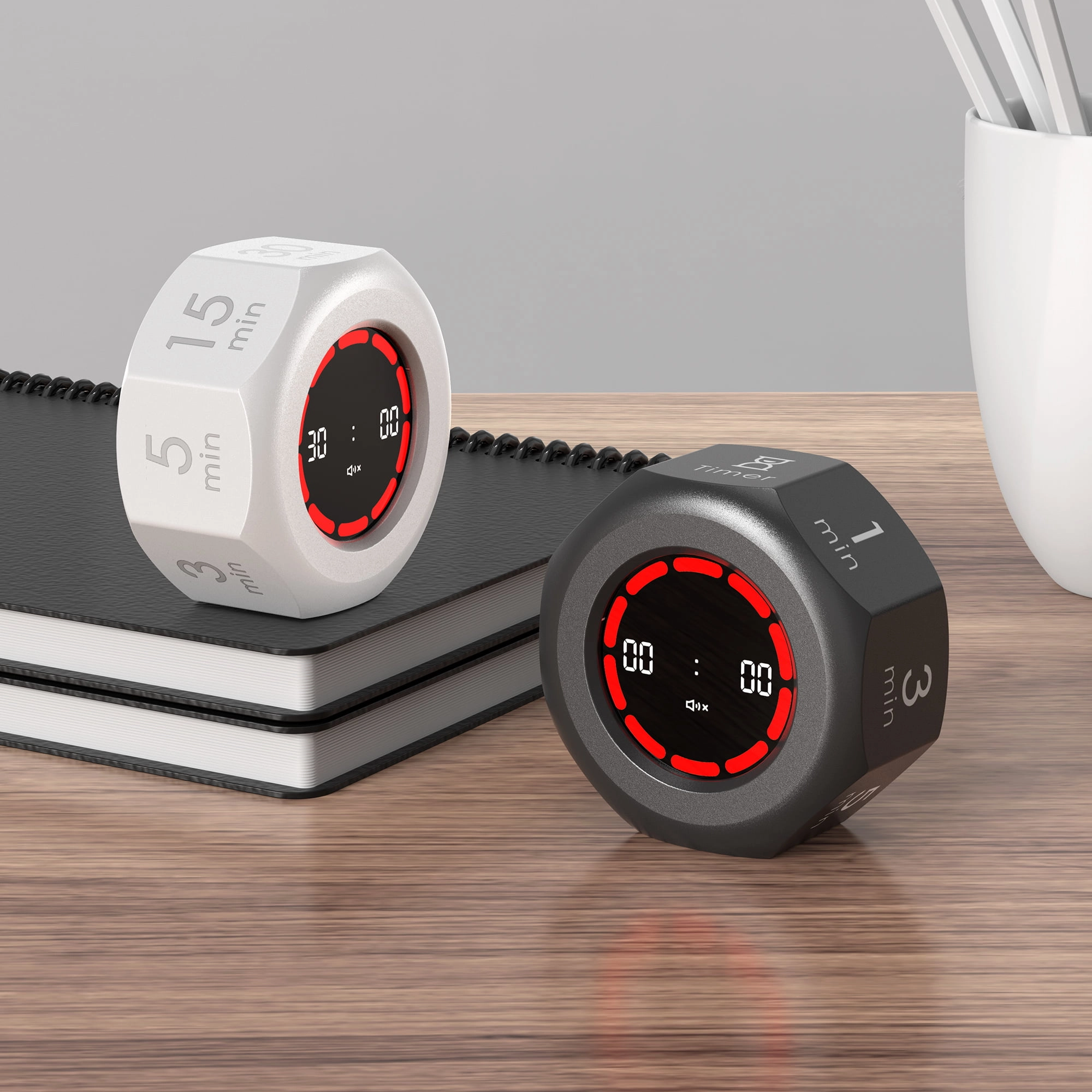
- Gravity Flip Timer
- Visual Countdown Timer
- Rotary Digital Timer
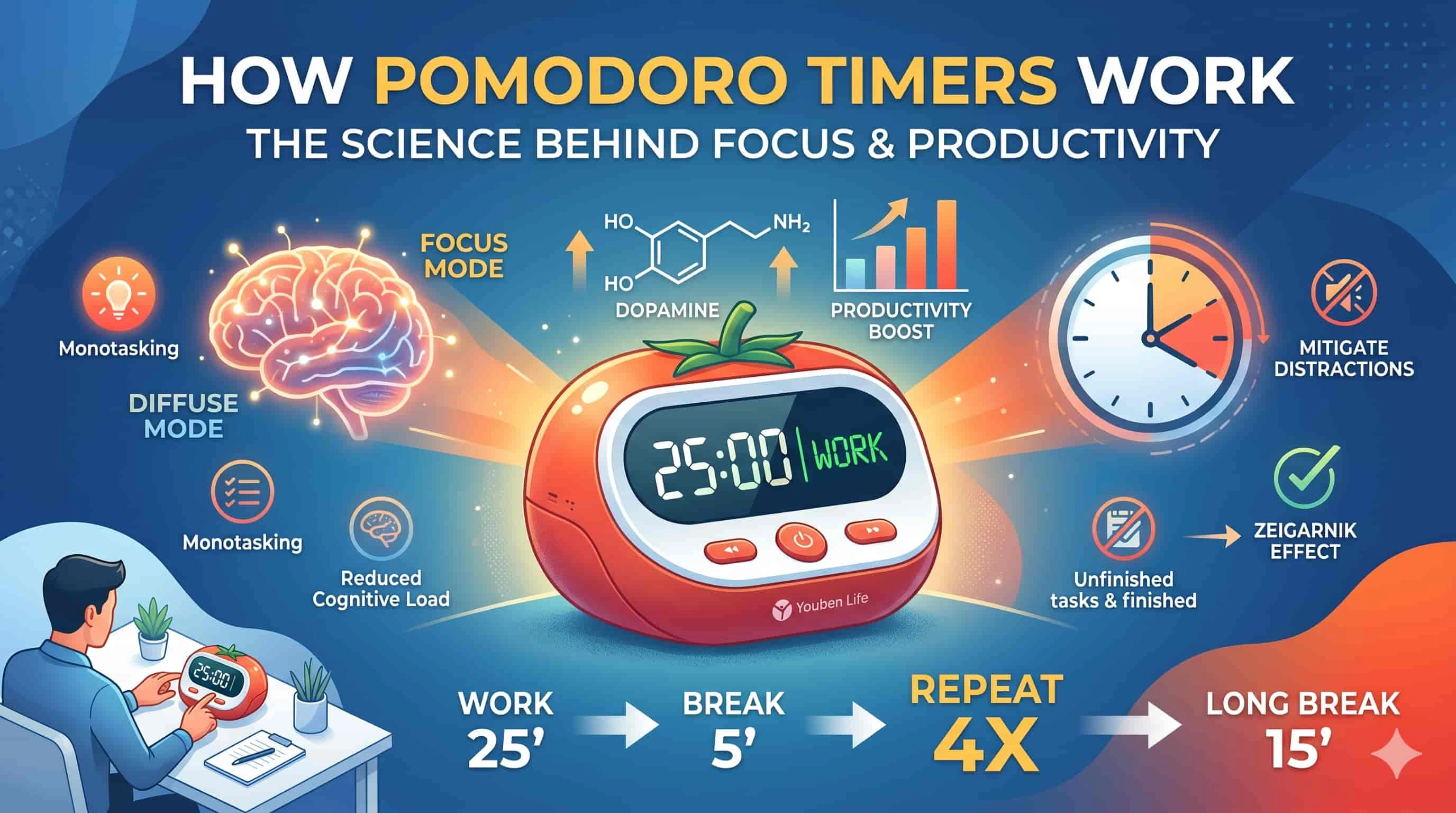
- Pomodoro / Work-Break Timer
- What Manufacturing Capabilities Does a Focus Timer OEM Project Require?
- Product and Requirement Understanding
- Existing Product Platform Support
- Hardware and Firmware Support
- Tooling and Mechanical Development
- Production and Quality Control
- Focus Timer OEM Development Process
- Stage 1: Product Requirement Definition
- Stage 2: Feasibility Review
- Stage 3: Prototype or Sample Development
- Stage 4: Engineering Validation
- Stage 5: Pilot or Pre-Production Validation
- Stage 6: Golden Sample Approval
- Stage 7: Mass Production
- Stage 8: Pre-Shipment Review
- How to Evaluate Focus Timer Prototypes and Samples
- Hardware, Firmware and Tooling Ownership
- Version Control Matters
- Compliance Planning for Focus Timer OEM Projects
- What Determines MOQ and Project Cost?
- Golden Sample and Production Quality Control
- Functional Testing
- Appearance and Assembly
- Change Control
- Optional Features to Evaluate in Future Focus Timer Designs
- Bluetooth Connectivity
- Haptic Alerts
- E-Paper or Alternative Displays
- Gravity or Motion Sensing
- What Should Buyers Prepare Before Requesting a Focus Timer OEM Quote?
- Product
- Customization
- Commercial
- Compliance
- Focus Timer OEM FAQ
- What is the difference between an existing-platform project and new focus timer development?
- Do I need complete engineering files before contacting a manufacturer?
- What should I test on a focus timer sample?
- What is a golden sample in a focus timer OEM project?
- What manufacturing capabilities should I evaluate for a focus timer OEM project?
- Does every focus timer project need the same compliance documents?
- What determines the MOQ for a custom focus timer?
- Who owns the tooling and firmware in an OEM project?
- Can an existing focus timer be used for private label projects?
- Conclusion
- Discuss Your Focus Timer OEM Project
A focus timer OEM project turns a productivity-timer concept into a product that can be sampled, validated, manufactured, packaged, and delivered consistently.
For brands, distributors, retailers, promotional product companies, and product teams, the challenge is not simply finding a factory that can produce a timer.
The more important questions are:
- What type of focus timer does the target user actually need?
- Can an existing platform be adapted, or is new development required?
- Which functions must be defined before sampling?
- How should buyers evaluate hardware, firmware, housing, display, controls, and power?
- Who owns the tooling, firmware, design files, and other project assets?
- Which compliance requirements apply to the final product and destination market?
- How will the approved sample be converted into repeatable mass production?
This guide explains the focus timer OEM manufacturing process from the buyer's perspective, from product brief to production approval.
What Is a Focus Timer OEM Project?
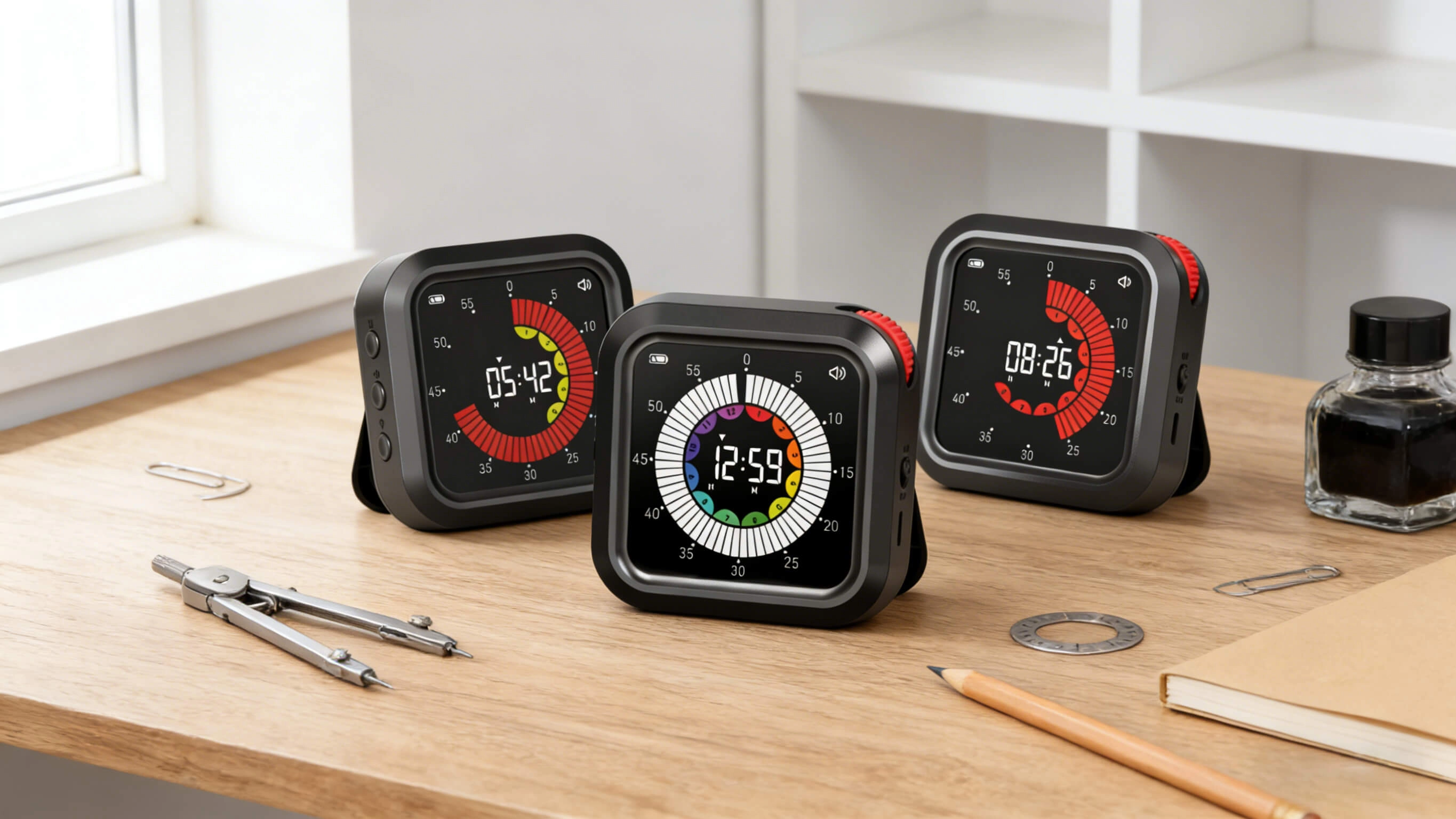
A focus timer is a physical timing product designed to support focused work, study sessions, task timing, breaks, or other structured time-management routines.
Depending on the project, a focus timer may include:
- Countdown timing
- Count-up timing
- Preset work and break intervals
- Adjustable timer duration
- Digital display
- Visual countdown
- Buttons or rotary controls
- Gravity or orientation sensing
- Audible alerts
- Mute or silent modes
- Vibration alerts
- Rechargeable or replaceable power
- Optional wireless functions
Not every project requires all of these features. A successful OEM project begins by deciding which functions are necessary for the intended user rather than adding features simply because they are technically possible.
Choose the Right Development Path
One of the first decisions is whether the project should use an existing timer platform or require deeper product development.
OEM and ODM terminology can vary between suppliers, so buyers should focus on the actual project scope rather than relying only on the label used.
| Development Path | Starting Point | Typical Scope | Main Buyer Question |
|---|---|---|---|
| Existing Platform / Private Label | Existing timer product | Branding, packaging, appearance and market-facing presentation | Does the existing product already fit the intended user? |
| Modified Platform | Existing product architecture | Selected changes to functions, firmware, display, housing, controls or packaging | Which changes can the existing platform realistically support? |
| New Product Development | New or substantially different concept | New housing, PCB, firmware, tooling, interface or product architecture | Is a new product architecture justified by the market requirement? |
1. Existing Platform / Private Label
This path begins with an existing timer product.
- Branding
- Packaging
- Product appearance
- Instructions
- Market-facing presentation
This approach can be appropriate when the existing timer already matches the intended user experience and product positioning. The exact branding and packaging options available should be confirmed for the selected model.
2. Modified Platform
A modified-platform project begins with an existing product architecture but requires changes beyond basic branding.
- Timer logic
- Preset intervals
- Display presentation
- Button behavior
- Alarm modes
- Housing details
- Power architecture
- Firmware changes
- Packaging
The feasibility of each change depends on the selected product architecture and should be reviewed before assumptions are made about tooling, electronics, firmware, cost, or production quantity.
3. New Product Development
A new focus timer concept may require substantially more engineering.
- New industrial design
- New housing structure
- New PCB
- New firmware
- New user interface
- New tooling
- New display integration
- New power architecture
- Product-specific testing
What Should Be in a Focus Timer Product Brief?
A buyer does not always need completed CAD files, PCB files, or detailed engineering documentation before starting a project discussion.
However, a clear product requirement brief is extremely valuable. The brief should explain what the product needs to achieve from the user's perspective.
Target User
Define who will use the timer.
- Students
- Office workers
- Remote workers
- Home users
- Productivity enthusiasts
- Educational environments
- General household users
The intended user affects interface complexity, display requirements, timer modes, sound behavior, and product positioning.
Intended Application
- Pomodoro-style work and break sessions
- General focus sessions
- Study timing
- Task timing
- Meeting timing
- Visual countdown
- Flexible household timing
A timer designed around fixed work-break presets may require a different interface from a fully adjustable digital timer.
Timer Logic
- Countdown only, or count-up and countdown?
- Fixed presets or adjustable time?
- Automatic transition between work and break?
- Pause and resume?
- Memory function?
- Repeat cycles?
- Long-break logic?
- Reset behavior?
User Controls
- Push buttons
- Rotary control
- Touch interface
- Flip or orientation control
- Combination controls
Display
- Numeric display or visual countdown?
- Required viewing distance?
- Backlight needed?
- Always-on display?
- Remaining-time visualization?
- Status icons?
- Battery indication?
Alarm and Feedback
- Audible alarm
- Multiple volume levels
- Mute mode
- Vibration
- Visual alert
- Combination alerts
Power
- Replaceable battery
- Rechargeable battery
- USB power
- Another power architecture
Housing and Mounting
- Desktop placement
- Magnetic mounting
- Stand
- Clip
- Wall placement
- Portable design
- Specific viewing angle
Branding and Packaging
- Logo requirements
- Appearance requirements
- Packaging format
- Instructions
- Labeling
- Target-market information
Choose the Right Focus Timer Form Factor
Different focus timer designs support different user experiences. The correct form factor should be selected according to the user's workflow.
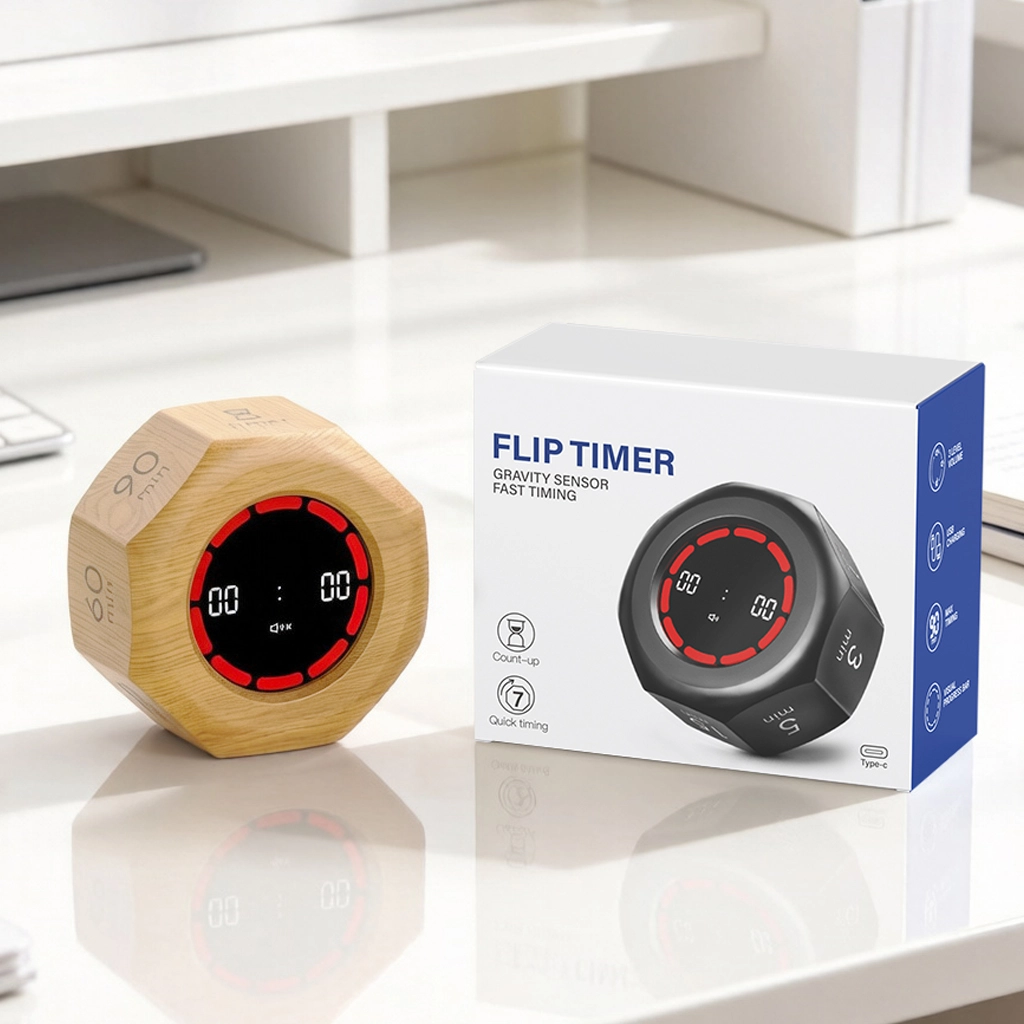
Gravity Flip Timer
A gravity or orientation-based timer can allow users to activate preset durations by changing the device orientation.
- Orientation recognition
- Preset logic
- Accidental activation
- Reset behavior
- Sensor consistency
- Display orientation
- Alarm behavior
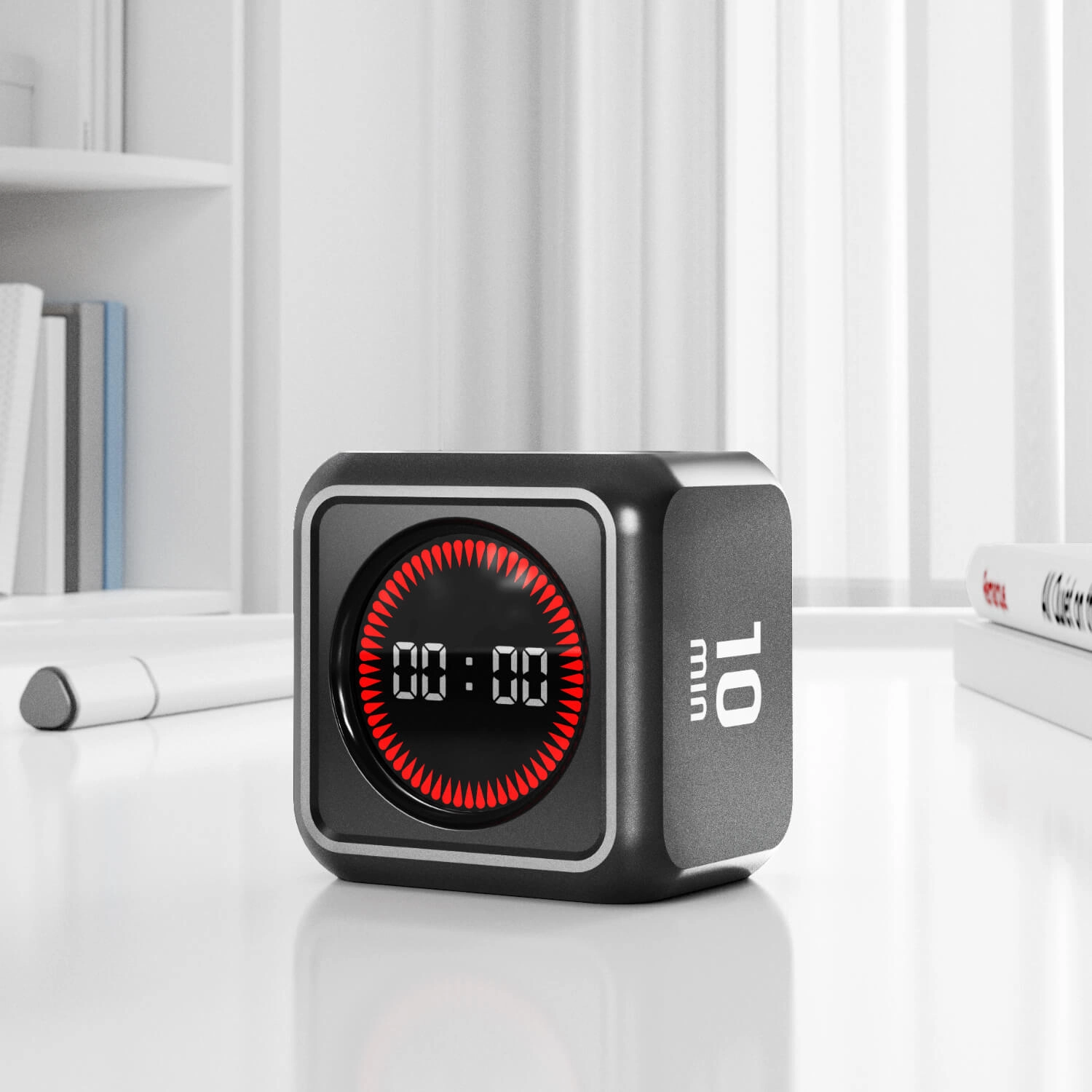
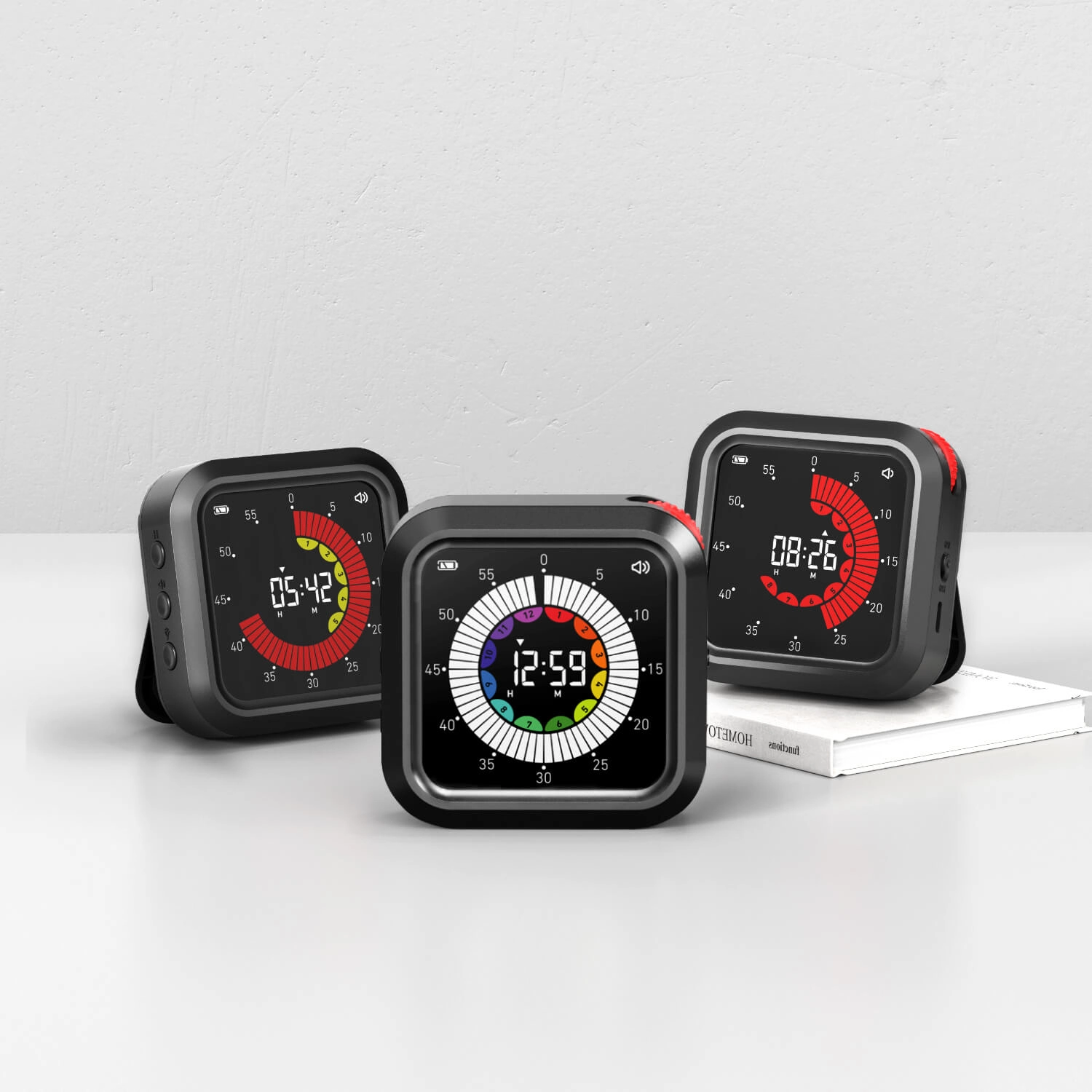
Visual Countdown Timer
- Visibility
- Remaining-time representation
- Viewing angle
- Timer range
- Setting method
- Display behavior
- Power consumption
Rotary Digital Timer
- Rotation feel
- Step size
- Adjustment speed
- Press-to-confirm behavior, if applicable
- Accidental input
- Reset logic
Pomodoro / Work-Break Timer
- Work duration
- Short-break duration
- Long-break behavior
- Number of work sessions
- Automatic or manual transitions
- Pause logic
- Session reset
- User-adjustable presets
What Manufacturing Capabilities Does a Focus Timer OEM Project Require?
The purpose of this section is not to rank suppliers. It is to identify the manufacturing and development capabilities that may be required by the project.
Product and Requirement Understanding
- Timer logic
- Display
- Controls
- Power
- Housing
- Alarm behavior
- Firmware requirements
Existing Product Platform Support
- Which functions already exist
- Which features can be changed
- Which requirements need engineering review
- Which requests may affect tooling, electronics, firmware, or assembly
Hardware and Firmware Support
- PCB design
- Firmware
- Programming
- Firmware revisions
- Production programming
- Test procedures
- Change control
Tooling and Mechanical Development
- Tooling responsibility
- Tooling ownership
- How modifications are approved
- How tooling revisions are documented
- What happens if the project is transferred later
Production and Quality Control
- Incoming components
- PCB assembly
- Housing assembly
- Timer functions
- Display
- Controls
- Alarm
- Charging or battery behavior
- Packaging
- Final inspection
Focus Timer OEM Development Process
A structured development process reduces the risk of moving into production before important product decisions have been validated.
Stage 1: Product Requirement Definition
Define the target user, application, core functions, form factor, controls, display, alarm, power, branding, packaging, target market, and expected quantity. Unresolved requirements should be identified clearly.
Stage 2: Feasibility Review
Review whether the product should use an existing platform, a modified platform, or new development, and identify which requirements affect hardware, firmware, housing, tooling, compliance, or testing.
Stage 3: Prototype or Sample Development
Develop a physical sample appropriate to the project scope so the buyer can evaluate interaction, timing behavior, display, controls, alarm, power, housing, mounting, branding, and packaging.
Stage 4: Engineering Validation
Review custom electronics, firmware, tooling, structure, and unresolved engineering issues before the approved production reference is finalized.
Stage 5: Pilot or Pre-Production Validation
Confirm that the approved design can be reproduced consistently under the intended production process.
Stage 6: Golden Sample Approval
Approve the production reference covering function, appearance, branding, packaging, assembly, and user experience. Any later change should be reviewed and controlled.
Stage 7: Mass Production
Production should follow the approved specification, engineering documentation, golden sample, and agreed quality requirements.
Stage 8: Pre-Shipment Review
Confirm quantity, product configuration, functional inspection, packaging, labeling, and required documentation according to the project and contract requirements.
How to Evaluate Focus Timer Prototypes and Samples
Sample evaluation should be systematic. The following checklist can help buyers avoid approving a product based only on appearance.
| Evaluation Area | What to Check |
|---|---|
| Timing | Count-up, countdown, presets, pause, reset |
| Timing behavior | Repeatability and expected transition logic |
| Controls | Button, rotary, touch, or flip response |
| Display | Readability, viewing angle, status information |
| Alarm | Sound, mute, vibration, alert behavior where applicable |
| Sensors | Orientation or other sensor behavior where applicable |
| Power | Battery, charging, idle behavior, power indication |
| Housing | Assembly, finish, fit and user handling |
| Mounting | Magnet, stand, clip, or other mounting method |
| Firmware | State transitions, edge cases, reset behavior |
| Branding | Logo position, visibility and appearance |
| Packaging | Protection, fit, instructions and information |
Sample validation should feed directly into golden-sample approval. Issues found during evaluation should be resolved before the final production reference is approved.
Hardware, Firmware and Tooling Ownership
Ownership is an important commercial issue in customized product development.
- Industrial design files
- Mechanical drawings
- PCB files
- Firmware source code
- Programming files
- Tooling
- Test fixtures
- Product artwork
- Packaging artwork
- Engineering revisions
The exact ownership model varies from project to project. It should be defined in written commercial agreements rather than assumed from the words “OEM” or “ODM.”
Version Control Matters
- Firmware version
- PCB revision
- Housing revision
- Packaging revision
- Approved component changes
Compliance Planning for Focus Timer OEM Projects
Compliance should be determined from the final product configuration and destination market, not from a generic certification checklist.
A basic digital focus timer, a rechargeable timer, and a wireless-enabled timer may have different compliance considerations.
The compliance review may need to consider areas such as:
- Electrical and electronic requirements
- Radio requirements where wireless functions are included
- Material or substance restrictions
- Battery requirements
- Battery transportation requirements
- Labeling
- Technical documentation
- Market-specific declarations or conformity procedures
The exact requirements should be confirmed for the final product configuration. Documents from another model should not automatically be treated as proof that a new product meets the same requirements.
What Determines MOQ and Project Cost?
There is no single reliable MOQ or development-cost number that applies to every focus timer project.
- Existing product vs new development
- Housing color
- Branding process
- Packaging
- PCB changes
- Firmware changes
- Display changes
- Battery or charging architecture
- New tooling
- Component sourcing
- Compliance testing
- Pilot-production needs
- Expected production quantity
Buyers should request a project-specific quotation rather than relying on generic MOQ or tooling estimates.
Golden Sample and Production Quality Control
A common mistake in OEM projects is approving a prototype but failing to define what mass production must reproduce.
Depending on the timer, the approved reference can cover:
- Timer function
- Presets
- Button behavior
- Display
- Alarm
- Sensor response
- Power behavior
- Housing fit
- Surface finish
- Logo
- Packaging
Functional Testing
- Power-on behavior
- Timer setting
- Start / pause / reset
- Preset operation
- Alarm
- Display
- Sensor response where applicable
- Charging or battery operation where applicable
Appearance and Assembly
- Housing fit
- Gaps
- Surface appearance
- Printing
- Logo position
- Display alignment
- Button alignment
- Packaging condition
Change Control
If a component, firmware revision, PCB revision, material, packaging element, or other approved item changes after golden-sample approval, the impact on the approved product should be reviewed before the change is accepted.
The golden sample should not be treated as a substitute for specifications and engineering documentation. It should work together with them as part of the production-control system.
Optional Features to Evaluate in Future Focus Timer Designs
Connected and advanced features can add value, but they also add engineering and testing complexity. They should be selected according to the product requirement rather than added only for marketing.
Bluetooth Connectivity
- Configuration
- Session synchronization
- Companion applications
- Data transfer
Haptic Alerts
- Motor size
- Power consumption
- Enclosure feel
- Alert strength
- User preference
E-Paper or Alternative Displays
- Refresh behavior
- Readability
- Response time
- Power architecture
- Cost and supply considerations
Gravity or Motion Sensing
- Recognition consistency
- Accidental triggering
- Preset logic
- User learning curve
- Sensor calibration
What Should Buyers Prepare Before Requesting a Focus Timer OEM Quote?
Clear requirements lead to more useful project discussions.
Product
- Target user
- Intended application
- Timer type
- Required timer modes
- Presets
- Controls
- Display
- Alarm
- Power
- Mounting
- Optional connectivity
Customization
- Existing platform or new product
- Branding
- Product appearance
- Packaging
- Required functional changes
Commercial
- Expected quantity
- Target market
- Distribution channel
- Delivery destination
- Desired project schedule
Compliance
- Intended sales countries or regions
- Required market documents already identified by the buyer, if any
- Battery or wireless requirements where relevant
Focus Timer OEM FAQ
What is the difference between an existing-platform project and new focus timer development?
An existing-platform project begins with a timer architecture that already exists and may require branding, packaging, or selected changes. New development can involve a new housing, electronics, firmware, tooling, or user interface. The actual scope should be defined before quotation.
Do I need complete engineering files before contacting a manufacturer?
Not necessarily. A clear product brief describing the target user, timer functions, display, controls, power, appearance, packaging, market, and expected quantity can be enough to begin a feasibility discussion.
What should I test on a focus timer sample?
Test timing behavior, controls, display, alarm, sensors where applicable, power, housing, mounting, firmware state transitions, branding, and packaging. The sample should be tested in the intended usage scenario.
What is a golden sample in a focus timer OEM project?
A golden sample is the approved production reference after the required product, engineering, appearance, branding, and packaging issues have been resolved. It should be used together with specifications, drawings, firmware versions, artwork, and quality requirements rather than replacing them.
What manufacturing capabilities should I evaluate for a focus timer OEM project?
Evaluate whether the project can be supported in the areas it actually requires, such as product architecture, hardware, firmware, tooling, assembly, quality control, production programming, revision management, and final inspection.
Does every focus timer project need the same compliance documents?
No. The applicable requirements depend on the final product configuration, power system, wireless functions, battery, destination market, and other product characteristics.
What determines the MOQ for a custom focus timer?
MOQ can be affected by product platform, branding, color, packaging, component sourcing, PCB or firmware changes, tooling, pilot production, and expected production quantity.
Who owns the tooling and firmware in an OEM project?
There is no universal answer. Ownership of tooling, firmware, CAD, PCB files, programming files, and other project assets should be defined in the commercial agreement.
Can an existing focus timer be used for private label projects?
An existing platform may be suitable when its functions and user experience already match the buyer's project. The specific branding, packaging, appearance, and other customization available should be confirmed for the selected model.
Conclusion
A successful focus timer OEM project depends less on finding the supplier with the longest feature list and more on defining the product clearly and controlling the transition from concept to production.
- Define the target user and application
- Choose the right development path
- Specify timer behavior and user controls
- Select the appropriate form factor
- Validate the physical sample
- Clarify hardware, firmware, tooling, and IP ownership
- Determine compliance from the final product and target market
- Approve a clear golden sample
- Define production quality checks
- Control revisions before mass production
Youben Life provides OEM, ODM, and private label services at the company level. The exact product-development scope, customization, engineering work, compliance requirements, MOQ, tooling, and production conditions for a specific focus timer project should be confirmed according to the selected product and actual project requirements.
Discuss Your Focus Timer OEM Project
If you are evaluating a focus timer for private label, OEM, ODM, retail, promotional, or new product development, prepare your target user, intended application, required timer functions, display and control preferences, branding, packaging, expected quantity, and destination market before starting the project discussion.
Contacts
Sofia
WhatsApp/Phone
Interested in this article?
Let’s talk.
Need specifications, pricing, or customization options? We’ll provide everything you need.

Youben life
Youben life