
Pomodoro Timer OEM Guide for Home Electronics Manufacturers
- Market opportunity and core user needs
- and target personas
- Market trends and demand signals
- Competitive product archetypes
- Design and technical requirements for a successful pomodoro timer
- Hardware components and ergonomics
- Firmware, UX flows, and features
- Power systems and battery life calculations
- Manufacturing, testing, and regulatory compliance
- Prototyping, DFM, and BOM optimization
- Compliance: CE, FCC, RoHS and safety testing
- Quality assurance and production testing
- Go-to-market, differentiation, and Youben Life OEM services
- Product positioning and packaging
- Feature comparison matrix
- Youben Life OEM and competitive advantages
- Project roadmap and recommended milestones
- Operational considerations and post-launch optimization
- Supply chain, lead times and cost control
- Data-driven feature iteration
- After-sales and warranty management
- FAQ
- 1. What features do users care about most in a pomodoro timer?
- 2. Do pomodoro timers need FCC/CE certifications?
- 3. What is a reasonable lead time and MOQ for OEM pomodoro timers?
- 4. How can brands differentiate a pomodoro timer in a crowded market?
- 5. Should I build BLE connectivity into the first generation?
- 6. What test plans are essential before mass production?
Pomodoro timer devices—compact digital timers optimized for focused work intervals—are a growing niche in home productivity electronics. This guide is written for product managers, design engineers, and sourcing teams at home electronics manufacturers exploring pomodoro timer OEM projects. It summarizes market intent, technical and regulatory requirements, manufacturing considerations, and go-to-market differentiation, with practical checklists and data-driven recommendations to reduce time-to-market and business risk.
Market opportunity and core user needs
and target personas
People searching for pomodoro timer typically include students, remote workers, knowledge workers, and productivity enthusiasts looking for a dedicated device to manage work/break cycles (commonly 25/5 minutes), reduce screen distraction, or complement smartphone apps. Their priorities are simple: clear visual/tactile feedback, reliable timing, long battery life or mains operation, easy reset, and pleasant ergonomics. Understanding this intent allows OEMs to prioritize features that directly affect purchase decisions.
Market trends and demand signals
The Pomodoro Technique, originating from widely cited sources, has grown into a mainstream productivity method. Demand drivers include hybrid work trends, increasing interest in digital wellness, and the move toward single-purpose devices to reduce smartphone dependence. Manufacturers should watch adjacent categories—digital alarm clocks, smart timers, and study lamps—for cross-selling and bundling opportunities.
Competitive product archetypes
Competitive devices range from ultra-simple mechanical countdown timers to feature-rich digital models with Bluetooth connectivity and companion apps. Common archetypes: button-driven desktop timers, wearable productivity badges, and multi-functional alarm-clock hybrids. Selecting an archetype early informs BOM complexity and compliance pathways.
Design and technical requirements for a successful pomodoro timer
Hardware components and ergonomics
Core hardware elements: microcontroller (MCU), real-time clock or timer IC, display (LCD/OLED/7-seg), input controls (buttons, capacitive touch, rotary), audio transducer (buzzer or speaker), haptics (vibration motor), power (battery holder/USB-C rechargeable), enclosure, and optional wireless module (BLE/Wi‑Fi). Prioritize mechanical simplicity for low-cost SKUs and provide a High Quality version with OLED and haptic feedback for higher margins.
Firmware, UX flows, and features
Essential firmware features: reliable interval timing with +-1% accuracy, configurable work/rest durations, session counting, seamless power-loss recovery (non-volatile state), and simple UI states (running/paused/reset). Advanced features to consider: Bluetooth Low Energy (BLE) for app syncing, OTA firmware updates, configurable chimes, adaptive brightness, and integration with calendars or smart-home assistants.
Power systems and battery life calculations
Battery life is a key purchase factor. Typical configurations and expected runtimes (estimates, depends on duty cycle):
| Power Option | Typical Components | Estimated Runtime (Typical Use) |
|---|---|---|
| 2×AAA alkaline | MCU, 7-seg or small LCD, buzzer | 6–12 months (intermittent use) |
| Built-in Li-ion 800–1500 mAh | OLED, BLE, vibration motor | 2–4 weeks (heavy use, BLE occasional) |
| USB-C mains powered | Higher brightness display, continuous operation | Unlimited while plugged |
For accuracy and safe battery usage, consider referencing chemistry and safety guidance such as IEC/IEEE standards and battery datasheets. For general battery type summaries see Battery (Wikipedia).
Manufacturing, testing, and regulatory compliance
Prototyping, DFM, and BOM optimization
Start with rapid prototyping: 3D-printed enclosures and breadboarded electronics to validate ergonomics and firmware. Move to small runs for DFM (Design for Manufacturing) adjustments: panelization, pick-and-place constraints, testpoint placement, and screw/clip retention methods. Use common, well-supported MCUs to reduce firmware porting costs. Optimize BOM by evaluating display modules, standardizing button footprints, and minimizing custom mechanical parts to lower NRE and lead times.
Compliance: CE, FCC, RoHS and safety testing
Most export markets require regulatory compliance. Key certifications:
- CE marking for the EU: information at European Commission - CE marking.
- FCC rules for intentional radiators or unintentional emissions in the U.S.: see Federal Communications Commission.
- RoHS restrictions on hazardous substances: details at European Commission - RoHS.
Electromagnetic compatibility (EMC), battery safety, and hazardous substance testing should be included in the project plan. Work with accredited test labs early to avoid late-stage redesigns. For international electrical safety standards and IEC references, consult IEC.
Quality assurance and production testing
Production test strategy should include: ICT/flying probe for PCBA verification, functional firmware burn-in, battery charge/discharge tests, drop and environmental tests, and packaging durability. Define AQL quality thresholds with your contract manufacturer and maintain warranty return data to feed into continuous improvement.
Go-to-market, differentiation, and Youben Life OEM services
Product positioning and packaging
Differentiation often comes from user experience and brand perceived value. Consider specialized SKUs for students (colorful, simple UI), professionals (minimalist design, High Quality materials), and integrations (BLE + app). Packaging should clearly communicate key benefits (e.g., Dedicated focus timer, 25/5 default, 50dB buzzer) and include quick-start guides. Eco-friendly packaging and clear recycling information can be selling points in many markets.
Feature comparison matrix
Below is a sample comparison to help position an entry-level vs High Quality pomodoro timer:
| Feature | Entry-level | High Quality |
|---|---|---|
| Display | 7-seg LCD | OLED, high contrast |
| Connectivity | None | BLE + app sync |
| Power | AAA batteries | Rechargeable Li-ion, USB-C |
| Haptics | No | Vibration motor |
| Estimated Cost | Low | Mid/High |
Youben Life OEM and competitive advantages
Youben Life, founded in 2010 and headquartered in Guangzhou, China, is a leading home electronics manufacturer and supplier specializing in customized digital products. Core strengths relevant to pomodoro timer OEM projects:
- End-to-end services: OEM, ODM, and private label covering functionality, industrial design, appearance customization, packaging, and logo personalization.
- Product expertise: Main product lines include digital timers, smart alarm clocks, digital thermometers, and hygrometers—making pomodoro timers a natural extension.
- Regulatory compliance: Products comply with CE, FCC, and RoHS standards, supporting export to major markets.
- Manufacturing capabilities: Established PCBA lines, testing labs, and experienced supply-chain management to control cost and quality.
For inquiries or to start a project, contact Youben Life at info@youbenlife.com or visit https://www.youbenlife.com/. Youben Life's main product strengths include Digital Timer, Digital Alarm Clock, and Household Thermometer, which demonstrate their domain experience in timekeeping and consumer sensors.
Project roadmap and recommended milestones
A recommended timeline for a typical OEM pomodoro timer (small to medium complexity):
- Weeks 0–4: Requirements, user research, and industrial design concepting.
- Weeks 4–8: Electronics schematic and initial firmware, rapid prototype.
- Weeks 8–12: Engineering validation units (EVT), pre-compliance tests.
- Weeks 12–20: DVT (Design Validation Test), tooling for enclosure, finalize BOM.
- Weeks 20–28: PVT (Production Validation Test), first mass production run and compliance testing.
Key recommendation: parallelize compliance testing and packaging approvals to avoid sequential delays.
Operational considerations and post-launch optimization
Supply chain, lead times and cost control
Secure long-lead components (displays, BLE modules, MCU) with 12–16 week lead-time plans during peak seasons. Maintain alternative suppliers for critical parts and use common components where feasible to reduce obsolescence risks. Negotiate MOQ and progressive ramp pricing with your manufacturer.
Data-driven feature iteration
Collect post-launch data: returns, failure modes, customer feedback on timing accuracy and UX. For BLE-enabled products, anonymized telemetry (opt-in) can reveal usage patterns—average session length, battery drain rates, and firmware crash frequency—informing firmware updates and next-generation hardware decisions.
After-sales and warranty management
Define warranty terms, RMA processes, and spare-parts availability. Provide clear user documentation and troubleshooting guides. For safety-critical items such as battery packs, follow transport and handling regulations and provide safety notices in multiple languages for export markets.
FAQ
1. What features do users care about most in a pomodoro timer?
Users prioritize timing accuracy, clear feedback (visual, audio, haptic), simple controls, and battery life. Connectivity or apps are secondary benefits for a subset of buyers who want session tracking or sync across devices.
2. Do pomodoro timers need FCC/CE certifications?
If the product contains wireless modules (BLE/Wi‑Fi) or is sold in markets with regulatory requirements, you will need FCC (U.S.) and CE (EU) compliance. Even non‑wireless devices should consider EMC, RoHS, and safety testing relevant to batteries and chargers.
3. What is a reasonable lead time and MOQ for OEM pomodoro timers?
Typical lead times from prototype to first production run are 20–28 weeks. MOQ varies by feature set and manufacturer but expect 1,000–5,000 units for cost-effective pricing. Companies like Youben Life can advise on MOQ optimization based on modular BOM choices.
4. How can brands differentiate a pomodoro timer in a crowded market?
Differentiation comes from superior UX (e.g., tactile satisfaction, discreet haptics), reliable battery life, sustainable materials/packaging, smart integrations (optional BLE+app), and strong brand storytelling aimed at target personas (students, professionals, creatives).
5. Should I build BLE connectivity into the first generation?
It depends on your go-to-market. BLE adds development cost and regulatory scope but enables features like session logging and OTA updates. Consider releasing a core offline model first and a connected High Quality model later, or design the PCB to accept a BLE module later to minimize up-front risk.
6. What test plans are essential before mass production?
Essential tests: functional verification, burn-in (48–72 hours), battery charge/discharge cycles, drop and vibration tests, EMC pre-scan, and safety tests for battery and power circuitry. Engage accredited test labs early to include their recommendations in DVT plans.
For experts ready to take the next step, Youben Life provides tailored OEM/ODM solutions from concept to certification. Contact them at info@youbenlife.com or visit youbenlife.com to request a quote or view product samples. Youben Life's core product strengths—Digital Timer, Digital Alarm Clock, Household Thermometer—underscore their capability to deliver reliable timekeeping and sensor-driven home electronics.
Start your pomodoro timer project with a clear specification and a trusted manufacturing partner to accelerate time-to-market while ensuring compliance and product quality.
Best Digital Timers manufacturers and supplier brands in China
The B2B Buyer’s Guide to digital pomodoro timers | Youben life Ultimate Insights
Certifications for Pomodoro Digital Timers: CE, RoHS, FCC
Customizable Pomodoro Timers: Enclosure, Branding, Firmware
All
How do you ensure product quality?
All clocks undergo strict quality control, including time accuracy tests, durability checks, and packaging inspections before shipment.
Service
Can you assist with shipping to international locations?
Yes, we have extensive experience with international shipping and can handle all logistics.
Products
What is the MOQ?
Standard products start from 200–500 pcs; ODM/OEM requirements vary by project.
About product
What products do you mainly deal in?
We are a professional manufacturer of digital timers,alarm clocks,and digital temperature/humidity meters.
About customization
Can you customize the logo and packaging, or other functional features of the appearance?
We can provide customize services. Please send us your customize requirements. We will try our best to meet your requirements.
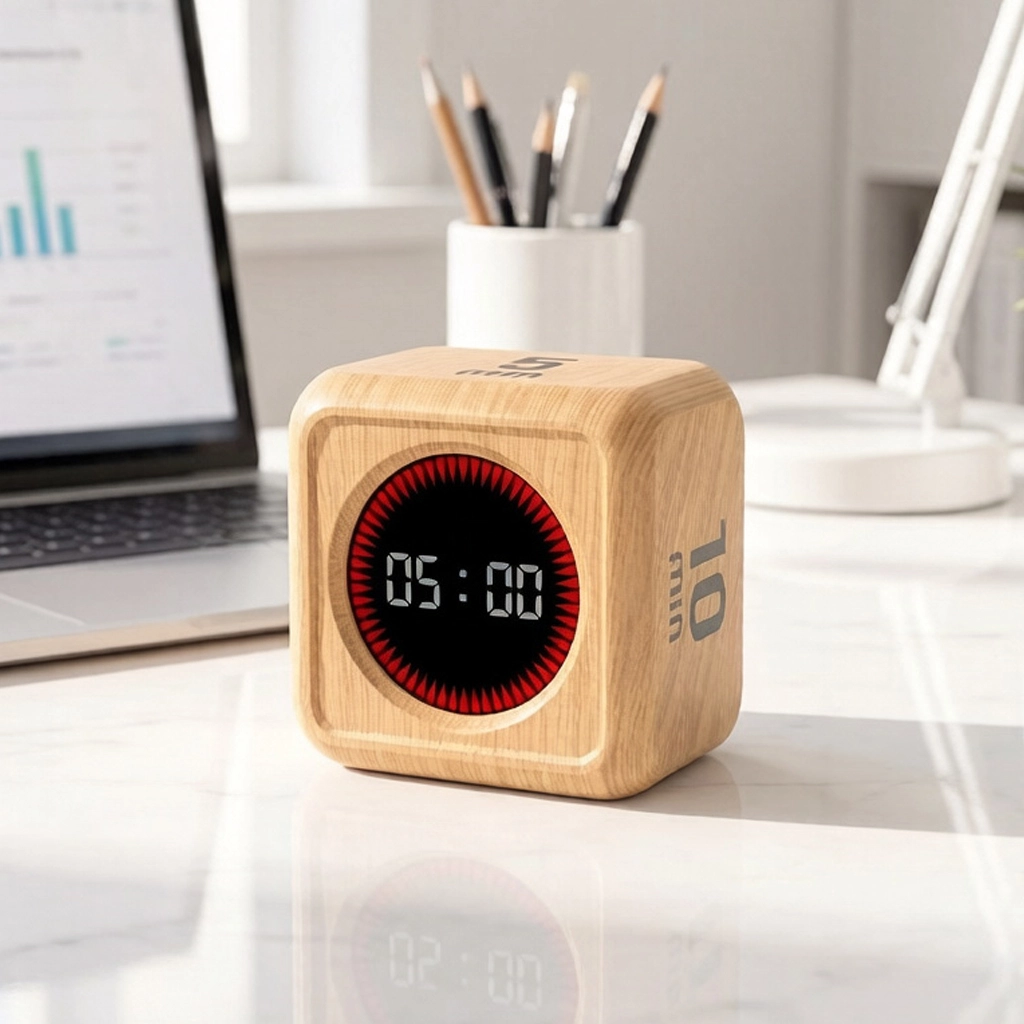
Wood Grain square Cube Timer Digital Gravity Sensor Timer Rechargeable Pomodoro Stopwatch Manufacturer
The X-JSQ814 Rubik’s Cube Timer reimagines timekeeping with a playful, cube-shaped design inspired by the iconic Rubik’s Cube. Blending nostalgia with functionality, it offers intuitive controls, smart gravity sensing, and versatile timing modes—perfect for anyone seeking a stylish, reliable tool to manage tasks at home, work, or play. Compact yet durable, it’s built to adapt to daily routines with ease.
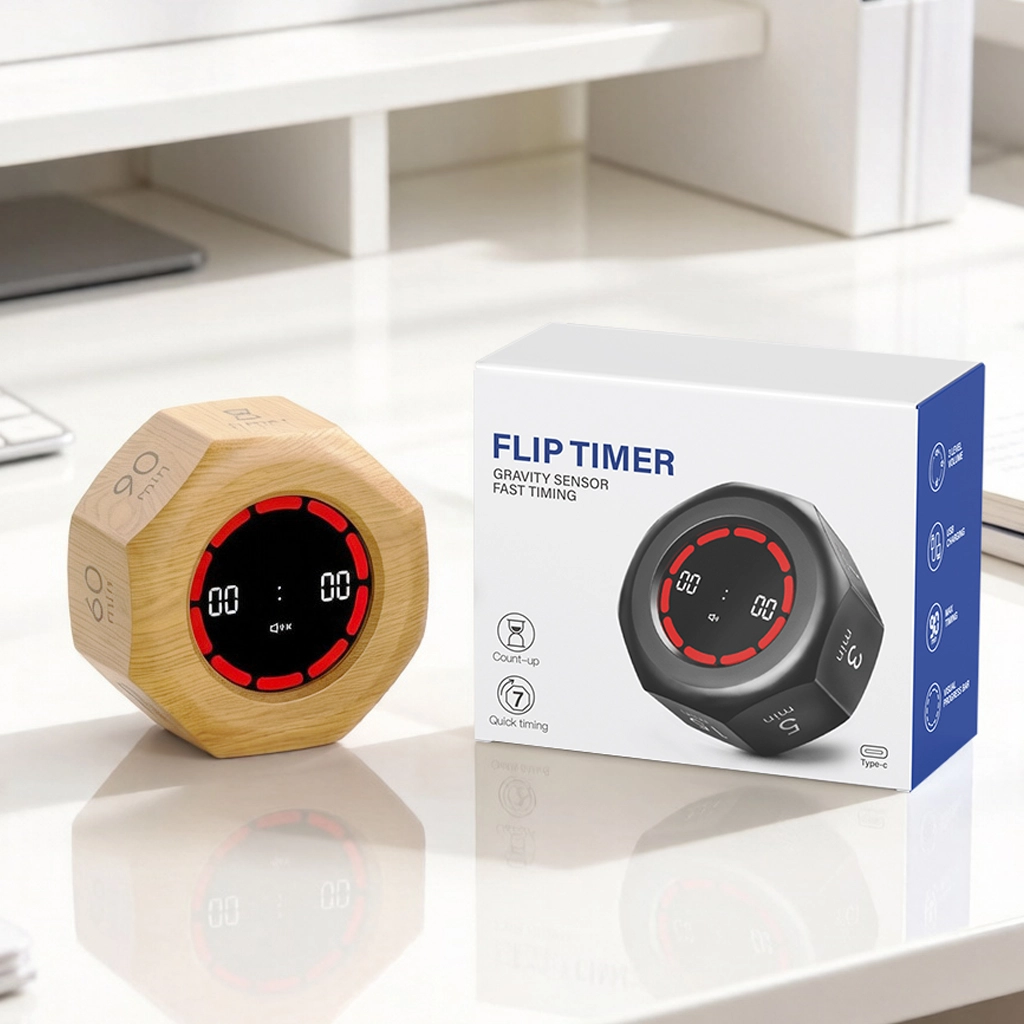
Wood Grain Gravity Sensor Digital Pomodoro Timer 3 5 30 90 Minutes Study Learn Visual Countdown Timer
Where cutting-edge design meets unrivaled functionality. This isn’t just a timer; it’s your versatile partner for kitchen precision, focused studying, classroom engagement, and even ADHD-friendly time tracking.
Crafted as an 8-sided cube with a sleek, novel mini-round profile, Cube redefines portability and style. Its eye-catching flip-gravity rotating visual display (no boring screens!) makes time visible at a glance, while a crisp digital clock shows seconds, minutes, and hours—ideal for recipes, Pomodoro sessions, or study intervals.
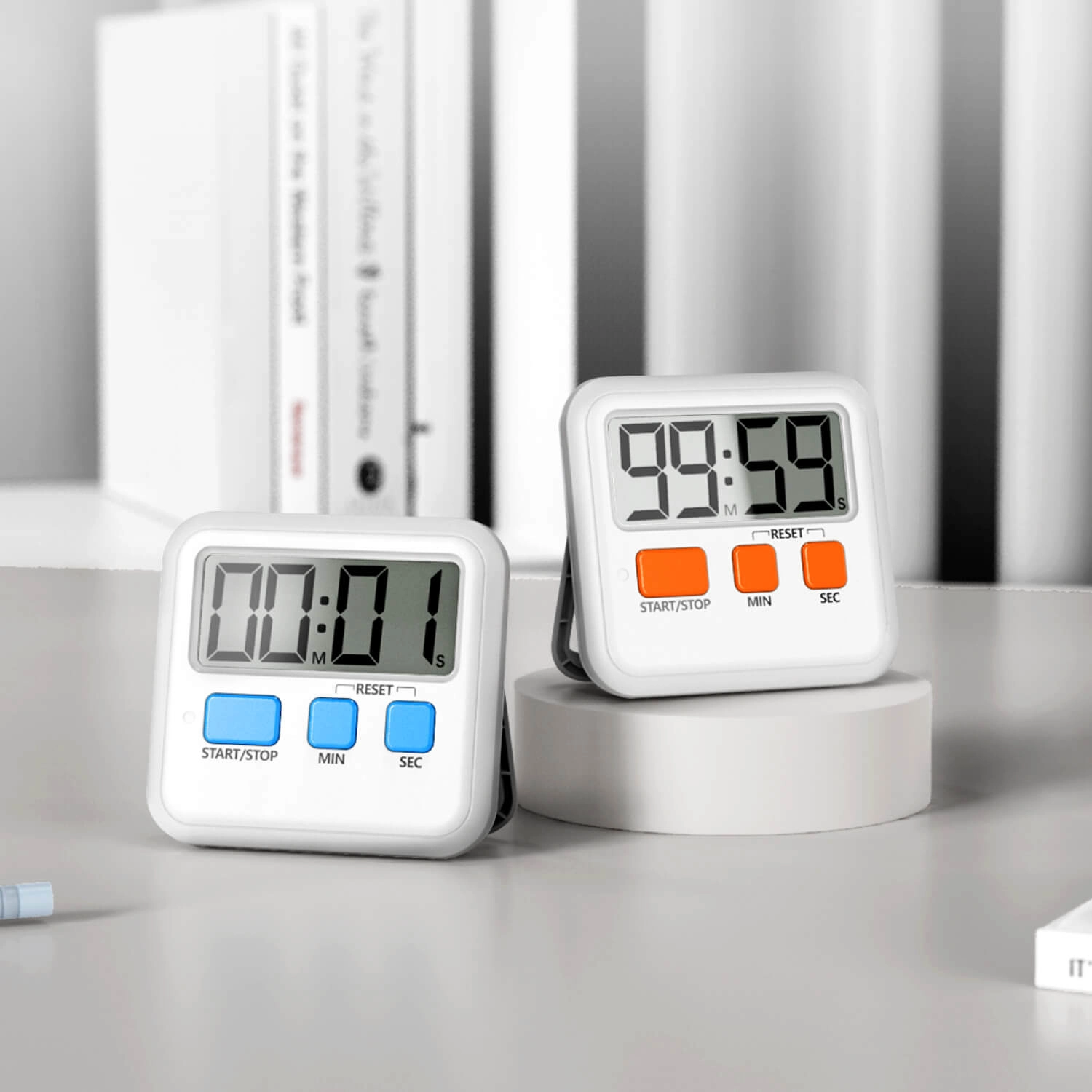
Custom Sound Ringtone Best Countdown Pomodoro Timer Brand In China
The X-JSQ811 Timer is a compact, functional digital timer designed for everyday time management. It prioritizes simplicity, portability, and adaptability—perfect for users who want a reliable tool without unnecessary complexity.
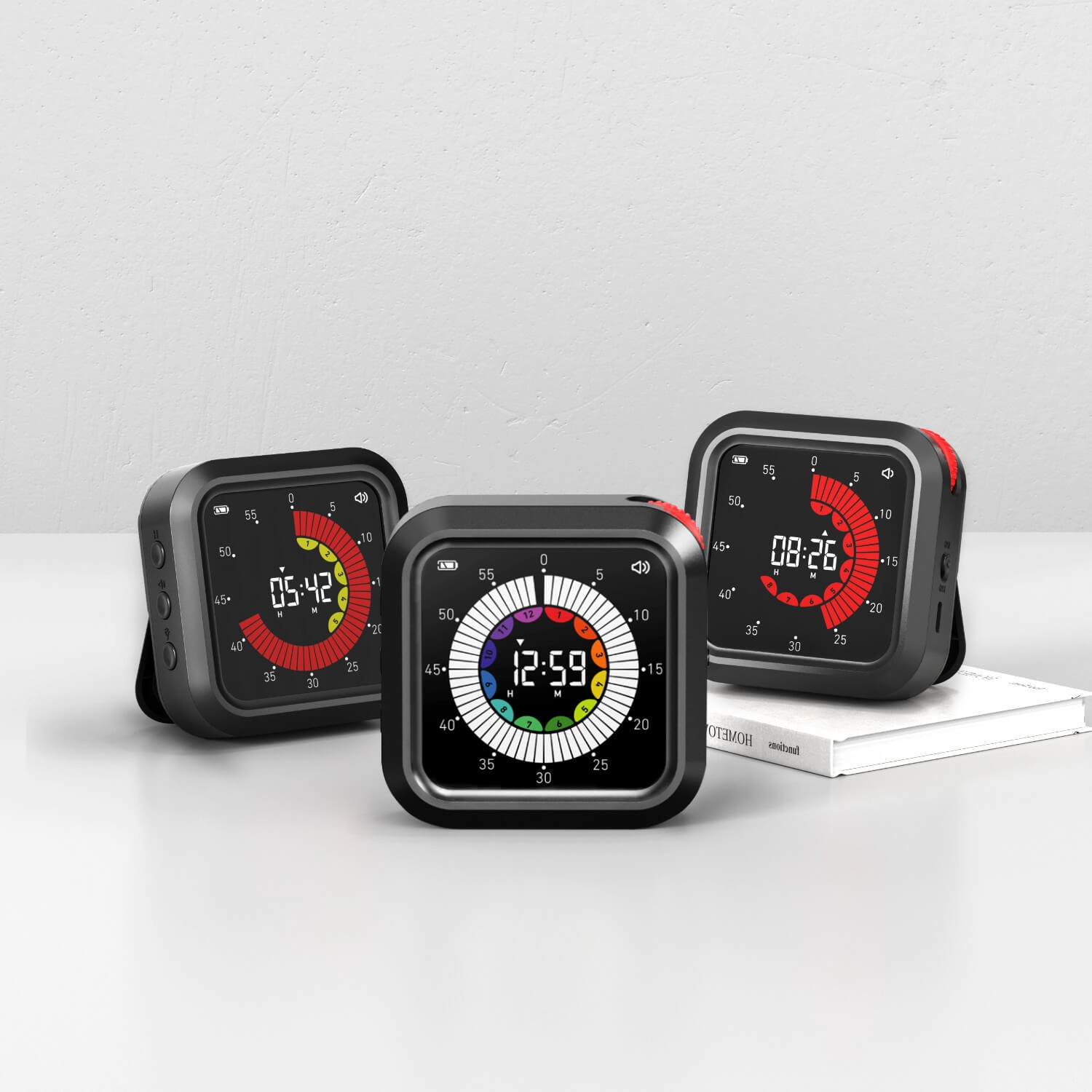
Digital Visual Tomato Pomodoro Technique Timer Study Kitchen Cooking Countdown Countup Timer Stopwatch
The X-JSQ817 Pomodoro Timer redefines simplicity and functionality for productivity, daily tasks, and creative pursuits. Designed with intuitive controls, robust features, and adaptable design, it caters to users seeking precision, convenience, and accessibility in a compact package.

Youben life
Youben life
Youben life
Youben life