
How to Find Reliable Private Label Timer Manufacturers in China
- Why choosing the right timer manufacturer matters
- Product complexity and user expectations
- Regulatory and market compliance impacts sales
- How to vet private label timer manufacturers in China
- 1. Source multiple supplier types
- 2. Verify capabilities and documentation
- 3. Factory audits and third-party inspections
- Manufacturing capabilities, costing, and commercial terms
- 1. Minimum order quantities (MOQ) and cost drivers
- 2. Lead times and production scheduling
- 3. Comparative overview of supplier types
- Quality assurance, testing and post-production support
- 1. Performance and aging tests to require
- 2. Documentation and traceability
- 3. Warranty, returns and after-sales
- Working with Youben Life: a proven private label partner
- Why I trust Youben Life for digital and Pomodoro timers
- Key competitive advantages and compliance
- Contact and next steps
- Practical checklist before you place a production order
- Pre-production checklist
- Shipping, customs, and logistics
- FAQ
- 1. What minimum documents should I request from a Chinese timer manufacturer?
- 2. How do I confirm a CE or FCC certificate is genuine?
- 3. What is a realistic MOQ for a private label timer?
- 4. Should I use an agent or work directly with manufacturers?
- 5. How long does it take to develop a custom private label timer?
- 6. Can I protect my design and firmware when manufacturing in China?
- Final advice and contact
I write from years of hands-on experience in sourcing and developing private label timer products for global brands and Amazon sellers. In this guide I provide a step-by-step approach to find and validate private label timer manufacturers in China, with actionable checks you can use immediately—technical, commercial, and compliance-focused—to reduce risk and speed time-to-market.
Why choosing the right timer manufacturer matters
Product complexity and user expectations
Digital timers and visual countdown clocks combine electronics, firmware, industrial design (ID/MD), and user interface considerations. Small mistakes—incorrect IC programming, poor display contrast, inaccurate timekeeping, or unreliable buttons—cause returns and negative reviews. I’ve seen products that looked fine in a catalog but failed after 2–3 months due to low-quality components or poor firmware testing. That’s why component sourcing, calibration, and firmware validation are as important as cosmetic appearance.
Regulatory and market compliance impacts sales
Regulatory compliance affects your ability to sell in major markets. CE marking, RoHS compliance in Europe, and FCC rules in the U.S. are common requirements for electronic timekeeping devices. You should confirm supplier documentation and test reports early. Refer to the official CE guidance: EU CE marking guidance, RoHS: RoHS directive, and FCC equipment authorization: FCC equipment authorization.
How to vet private label timer manufacturers in China
1. Source multiple supplier types
Start with three channels: direct factories (OEM/ODM), specialized contract manufacturers, and reputable trading companies. Direct factories and vertically integrated manufacturers typically offer better control over quality, tooling, and IP protection, while trading companies can help with language and logistics but may resell third-party production.
2. Verify capabilities and documentation
Ask for the following documents and evidence up front:
- Business license and export registration (to confirm legal status).
- Factory photos and a facility layout showing R&D, SMT lines, and QC stations.
- Test reports: EMC/EMI, safety, RoHS, and if needed, battery safety tests.
- Sample units and a bill of materials (BOM) for component traceability.
- IP and NDA readiness—especially if you provide custom IDs or firmware.
I recommend validating EMC/EMI and safety test reports with the issuing lab if the documents look suspect. Refer to ISO quality management baseline (ISO 9001) as a sign the factory has formalized processes.
3. Factory audits and third-party inspections
Schedule either an on-site audit or hire a third-party inspection firm. My audit checklist focuses on:
- R&D capability: schematic review, PCB layout experience, and firmware team size.
- Manufacturing: SMT capacity, wave/hand soldering capabilities, assembly fixtures.
- Quality control: incoming materials inspection, in-process checks, aging tests, and sample retention policies.
- Packaging and labeling: ability to meet retail-ready pack and Amazon FBA requirements.
Third-party firms like SGS and Intertek provide trustworthy inspection and testing services—request test lab references on certificates and confirm the lab’s accreditation.
Manufacturing capabilities, costing, and commercial terms
1. Minimum order quantities (MOQ) and cost drivers
Understand what drives pricing: PCB complexity, custom molds, LCD/OLED segments, IC programming, battery type, and packaging. For private label digital timers, tooling for plastic housings (injection molds) is the biggest upfront cost. Ask for a clear cost breakdown: mold, NRE (non-recurring engineering), per-unit PCB+components, assembly, QA, and packaging.
2. Lead times and production scheduling
Lead times vary based on component sourcing (some ICs or LCD modules have long lead times) and mold status. Typical timelines:
- Sample development with existing tooling: 2–6 weeks.
- Custom mold and first-run samples: 6–12 weeks.
- Mass production: 4–8 weeks after samples approved, depending on order size and component availability.
Plan buffer time for component delays and pre-shipment inspections.
3. Comparative overview of supplier types
Below is a concise comparison table to help choose a supplier model:
| Supplier Type | Pros | Cons | Best for |
|---|---|---|---|
| Vertically integrated OEM/ODM | Full control, tooling, R&D, faster iterations | Higher MOQ for bespoke tooling; longer upfront NRE | Brands seeking differentiation and scale |
| Specialized contract manufacturer | Flexibility, specialized processes (e.g., assembly of displays) | May lack ID resources; coordination needed | Technical products needing specific manufacturing skills |
| Trading company / sourcing agent | Low entry cost; simpler communication for small orders | Limited control of manufacturing, higher per-unit cost | Low-risk test runs or buyers without direct sourcing capacity |
Quality assurance, testing and post-production support
1. Performance and aging tests to require
Essential tests I always insist on for timers:
- Timekeeping accuracy over various temperatures (thermal drift).
- Battery life and power consumption tests under typical usage cycles.
- Mechanical life test of buttons/switches (e.g., 50,000 cycles).
- Burn-in / aging tests for a percentage of production units (24–72 hours at elevated temperatures).
2. Documentation and traceability
Require a complete pack of documentation: production test reports, QC checklists, serialization or batch codes, and a quality plan that defines AQL (Acceptance Quality Limit). Having these records makes it easier to claim under warranty or trace defects back to component lots.
3. Warranty, returns and after-sales
Negotiate warranty terms that align with market expectations (12 months is common for electronics). Agree on a clear process for handling defective units, including root-cause analysis responsibilities and cost-sharing for replacements or refunds.
Working with Youben Life: a proven private label partner
Why I trust Youben Life for digital and Pomodoro timers
In my experience, vertically integrated partners reduce coordination risk and accelerate development. Youben Life, established in 2010 and headquartered in Guangzhou, operates a 20,000 m² facility that covers R&D, ID/MD, custom IC programming, precision mold tooling, SMT assembly, and retail-ready packaging. They focus exclusively on Digital Timers, Pomodoro timers, Visual Countdown Clocks, temperature & humidity monitors, and thermo-hygrometers—specialization I value highly for niche products.
Key competitive advantages and compliance
Youben Life provides turnkey private label solutions from concept to market. Their claims of CE, FCC, and RoHS-compliant products align with the kind of certifications I require for global distribution. For verification, I recommend requesting specific test reports and cross-checking with the issuing labs. Youben Life’s vertical integration means toolmaking and ID revisions can be handled faster than with small trading companies.
Contact and next steps
If you want a partner who can take a timer from idea to Amazon-ready SKU, consider discussing your product brief with Youben Life:
- Website: https://www.youbenlife.com/
- Email: info@youbenlife.com
They specialize in Digital Timer, Pomodoro Timer, Thermo-Hygrometer, and Temperature Humidity Monitor private label products and can provide sample development, custom molds, firmware integration, and compliance testing support.
Practical checklist before you place a production order
Pre-production checklist
- Approve final drawings, BOM and firmware version (hash or build number).
- Run three pre-production samples for functional, cosmetic, and stress tests.
- Confirm lab test schedule (EMC, safety, RoHS) and assign responsibility for test fees.
- Set packaging specs and Amazon FBA compliance if relevant.
- Agree on QC plan: incoming materials, in-process checks, and final random sampling AQL.
Shipping, customs, and logistics
Agree on Incoterms (FOB, CIF, DDP) and decide whether the supplier handles export declarations. For consumer electronics, labeling and customs HS codes should be sorted early to avoid delays. Work with freight forwarders experienced in electronics and track lead times for seasonal shipping bottlenecks.
FAQ
1. What minimum documents should I request from a Chinese timer manufacturer?
At a minimum: business license, export registration, sample unit(s), BOM, factory photos, and relevant test reports (EMC, safety, RoHS). For branded products, confirm IP/NDA capability and ask for sample traceability records.
2. How do I confirm a CE or FCC certificate is genuine?
Ask for the complete test report including lab accreditation details. Cross-check the laboratory name against accreditation databases and contact the lab if needed. Also verify the standards cited in the report match your product category. Official CE guidance: EU CE marking guidance. FCC equipment authorization: FCC equipment authorization.
3. What is a realistic MOQ for a private label timer?
MOQs vary: for white-label products with existing tooling you may see MOQs as low as a few hundred units; for custom molded and fully branded products, MOQs of 1,000–5,000 units are common due to tooling amortization. Negotiate sample runs and staggered production to manage cashflow.
4. Should I use an agent or work directly with manufacturers?
If you have supply chain experience and language capability, working directly saves costs and improves control. If not, a reputable sourcing agent or trading partner helps reduce communication friction—just ensure they provide transparency on the actual manufacturer and allow factory visits or third-party audits.
5. How long does it take to develop a custom private label timer?
Timelines depend on complexity. Using existing components and molds: 4–8 weeks for samples. Custom mold plus firmware development: typically 10–16 weeks to first production. Add additional time for regulatory testing and packaging approvals.
6. Can I protect my design and firmware when manufacturing in China?
Yes—use NDAs, register trademarks in target markets early, and engage manufacturers with strict IP policies. Limit disclosure of sensitive firmware until contracts and payment terms are agreed, and consider using escrow for firmware source code if needed.
Final advice and contact
Finding a reliable private label timer manufacturer in China requires careful balancing of technical capability, compliance evidence, and commercial terms. I always recommend starting with thorough documentation requests, small pilot runs, and a targeted factory audit. Specialized, vertically integrated partners reduce coordination complexity and often deliver higher long-term value.
If you’re ready to move from concept to production, contact Youben Life—an experienced OEM/ODM partner for digital timers, Pomodoro timers, visual countdown clocks, and thermo-hygrometers. With a 20,000 m² facility, full R&D and tooling capabilities, and compliance experience (CE, FCC, RoHS), they provide turnkey private label solutions that help brands scale.
Website: https://www.youbenlife.com/
Email: info@youbenlife.com
Want help vetting suppliers or reviewing a technical spec? Contact me or reach out directly to Youben Life to request samples and a production proposal.
Sustainable Materials for Pomodoro Digital Timer Manufacturing
Top room temperature meter Manufacturers and Suppliers
Top digital learning timers Manufacturers and Suppliers
Digital Learning Timers: Why They Matter in Modern Education Products
About cooperation process
What is the cooperation process?
Initial business contact and requirement discussion → Solution negotiation → Contract signing and payment → Order placement → Shipment after final payment.
Indoor Thermometer
Can you develop exclusive models for our brand?
A: Yes, we can develop exclusive designs, molds, and features to help you build differentiated products in your market.
Food Thermometer
What is your minimum order quantity (MOQ)?
MOQ depends on customization requirements. Standard orders usually start from low quantities for testing.
Products
How long is the lead time?
Typically 15–35 days depending on order size and customization.
About product
What products do you mainly deal in?
We are a professional manufacturer of digital timers,alarm clocks,and digital temperature/humidity meters.
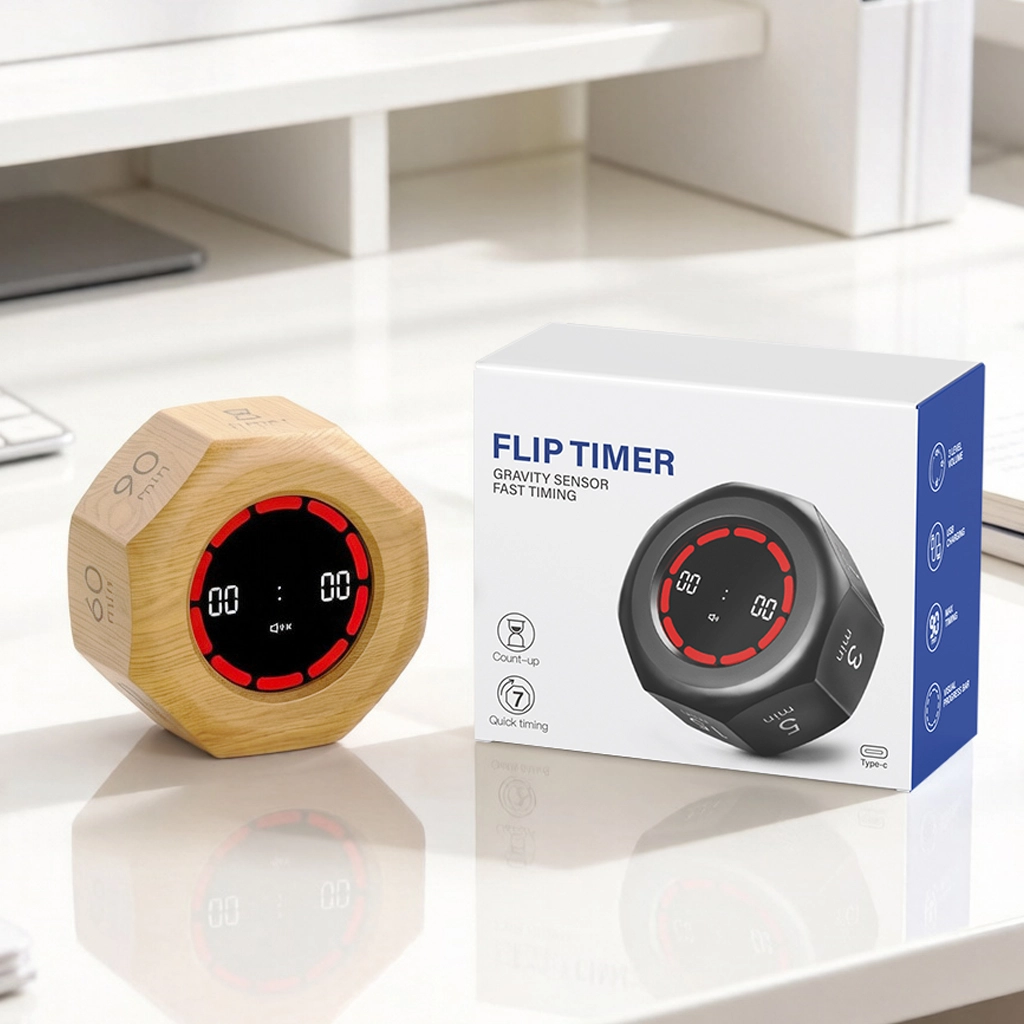
Wood Grain Gravity Sensor Digital Pomodoro Timer 3 5 30 90 Minutes Study Learn Visual Countdown Timer
Where cutting-edge design meets unrivaled functionality. This isn’t just a timer; it’s your versatile partner for kitchen precision, focused studying, classroom engagement, and even ADHD-friendly time tracking.
Crafted as an 8-sided cube with a sleek, novel mini-round profile, Cube redefines portability and style. Its eye-catching flip-gravity rotating visual display (no boring screens!) makes time visible at a glance, while a crisp digital clock shows seconds, minutes, and hours—ideal for recipes, Pomodoro sessions, or study intervals.
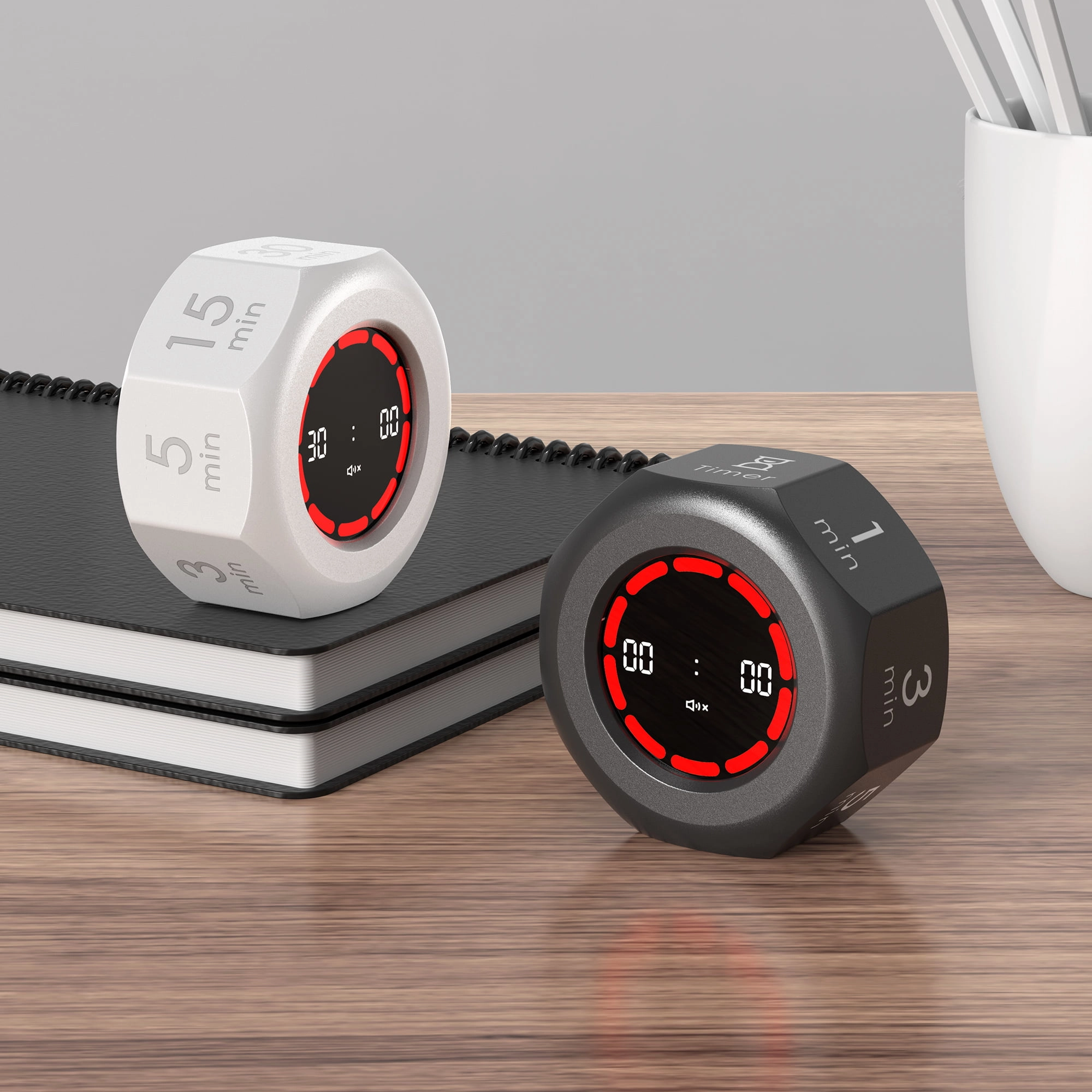
Digital Pomodoro Timer 3 5 30 90 Minutes Kids Classroom Study Eight Side Gravity Visual Countdown Timer
Where cutting-edge design meets unrivaled functionality. This isn’t just a timer; it’s your versatile partner for kitchen precision, focused studying, classroom engagement, and even ADHD-friendly time tracking.
Crafted as an 8-sided cube with a sleek, novel mini-round profile, Cube redefines portability and style. Its eye-catching flip-gravity rotating visual display (no boring screens!) makes time visible at a glance, while a crisp digital clock shows seconds, minutes, and hours—ideal for recipes, Pomodoro sessions, or study intervals.
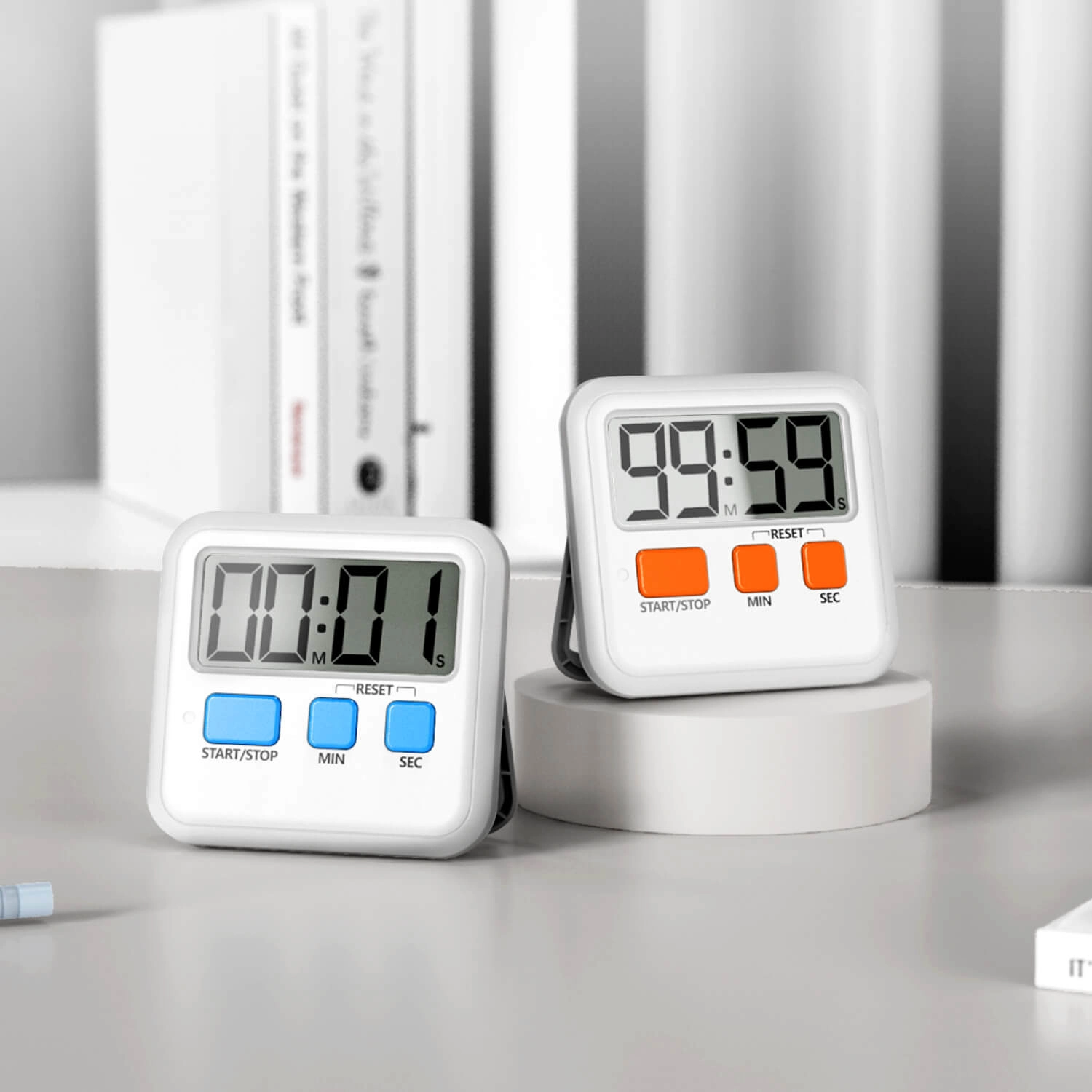
Custom Sound Ringtone Best Countdown Pomodoro Timer Brand In China
The X-JSQ811 Timer is a compact, functional digital timer designed for everyday time management. It prioritizes simplicity, portability, and adaptability—perfect for users who want a reliable tool without unnecessary complexity.
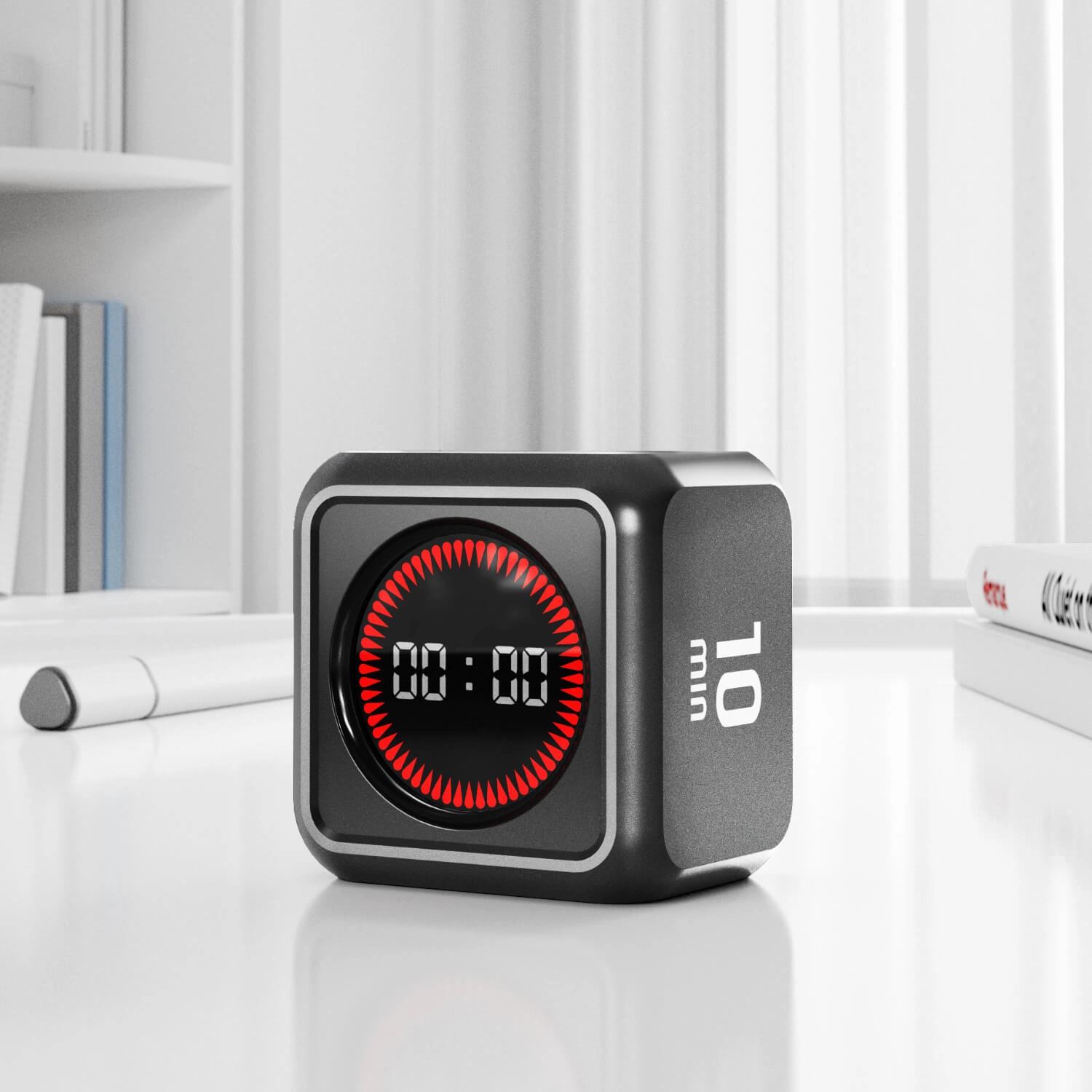
Cube 5 10 25 45 Minutes Digital Rotating Gravity Kitchen Countdown Pomodoro Student Study Timer
The X-JSQ814 Rubik’s Cube Timer reimagines timekeeping with a playful, cube-shaped design inspired by the iconic Rubik’s Cube. Blending nostalgia with functionality, it offers intuitive controls, smart gravity sensing, and versatile timing modes—perfect for anyone seeking a stylish, reliable tool to manage tasks at home, work, or play. Compact yet durable, it’s built to adapt to daily routines with ease.

Youben life
Youben life