
Digital Timers for Kids: Designing Learning Tools That Improve Focus
- Why time awareness matters in childhood learning
- What problems timers solve
- Evidence and measurable benefits
- Design principles for effective digital timers for kids
- Make time visible and intuitive
- Leverage multi-sensory feedback
- Support chunking and goal setting
- Comparing timer formats: digital devices, analog timers, and apps
- Key trade-offs to consider
- Product features that drive learning outcomes
- Feature checklist for educators and parents
- Accessibility and inclusivity
- Measuring success
- Implementation strategies for classrooms and homes
- Classroom deployment best practices
- Home use and parent coaching
- Troubleshooting common issues
- Technical and manufacturing considerations for digital timers
- Regulatory and safety compliance
- Hardware choices that matter
- Connectivity and data
- Comparative data: classroom trials and outcomes
- How manufacturers and brands can differentiate their digital timers
- Designing for educators vs parents
- Service and customization (OEM/ODM opportunities)
- Brand credibility and after-sales
- Youben Life: manufacturer profile and product fit
- Youben Life advantages and core products
- Buying guide: selecting the right digital timer for your needs
- Questions to ask before purchase
- Sample spec for a classroom-focused digital timer
- Where to order and customization tips
- FAQ
- 1. What age are digital timers for kids appropriate for?
- 2. Can timers help children with ADHD?
- 3. Are apps better than standalone digital timers?
- 4. How loud should the timer be for a classroom?
- 5. Do digital timers require special maintenance?
- Contact and next steps
- References
Why time awareness matters in childhood learning
Children develop executive functions—attention control, working memory, and cognitive flexibility—over the early school years. Digital timers for kids are simple, evidence-informed tools that externalize time, reduce cognitive load, and scaffold self-regulation. As an industry consultant with experience in home electronics manufacturing and educational product design, I’ve worked with schools and parents to translate behavioral principles into product features that measurably improve focus and task persistence.
What problems timers solve
When tasks feel open-ended, many children (especially those with attention weaknesses or ADHD) struggle to initiate and sustain effort. A clear, visible countdown creates a shared temporal structure: it lowers uncertainty, signals predictable transitions, and helps break tasks into manageable chunks—thereby increasing on-task behavior and reducing disputes over “how much longer.”
Evidence and measurable benefits
Studies on visual and auditory supports show improvements in time management and classroom compliance when children use concrete cues. Practical outcomes include increased time-on-task, fewer teacher prompts, and better adherence to routines. While the magnitude of benefit varies by age and individual differences, classroom trials and practitioner reports consistently find timers to be a low-cost, low-risk intervention with measurable gains.
Design principles for effective digital timers for kids
Make time visible and intuitive
Digital timers designed for children should translate abstract minutes into concrete, perceptible changes: a shrinking bar, segment lights, or progressive color changes. Visual clarity reduces the need for adult explanation and helps children internalize durations. Avoid tiny digits that require reading; pair numeric display with graphical countdowns for younger users.
Leverage multi-sensory feedback
Combine visual, auditory, and haptic cues to serve diverse needs. Some children respond best to light and motion, others to gentle chimes or vibrations. Allow customization: adjustable volume, mute mode for libraries, and selectable chime patterns to avoid startle responses.
Support chunking and goal setting
Built-in presets that reflect teaching strategies—such as 5/10/15-minute Pomodoro-style intervals—make timers instructional tools rather than mere clocks. Incorporate progress checkpoints and simple reward indicators to reinforce completion and gradual increases in sustained attention.
Comparing timer formats: digital devices, analog timers, and apps
Choosing the right timer depends on context (home vs classroom), user age, and accessibility needs. The table below compares common options across practical criteria.
| Format | Visibility & Intuitiveness | Customizability | Durability & Portability | Best use cases |
|---|---|---|---|---|
| Dedicated digital timer (standalone) | High: large digits + graphic bars | High: presets, volumes, lights | High: robust casing, battery or USB | Classrooms, sensory rooms, shared home areas |
| Analog kitchen-style timer | Medium: mechanical dial, less precise | Low: fixed mechanics | Medium: mechanical, fewer electronics | Short-duration tasks, tactile learners |
| App on tablet/phone | Variable: depends on UI | Very high: integrations, gamification | Low: device dependency, distractions risk | Individualized programs, remote learning |
Key trade-offs to consider
Apps offer sophisticated features but carry distraction risk and device dependency. Standalone digital timers provide consistent, distraction-free prompts and are easier to sanitize and manage in classroom inventory. From a manufacturing perspective, dedicated units allow hardware-level control over visibility, haptics, and compliance with safety standards.
Product features that drive learning outcomes
Feature checklist for educators and parents
When selecting or specifying digital timers for kids, prioritize these features:
- Large, high-contrast displays (visible across a classroom)
- Graphical countdown (progress bar or segments)
- Adjustable presets and manual set options
- Volume control and multiple sound modes
- Battery backup and low-power options (USB charging)
- Durable casing and drop resistance
- Simple controls for young users; lockable settings for classrooms
Accessibility and inclusivity
Design must include options for children with sensory sensitivities, visual impairments, or fine-motor challenges. Tactile buttons, large physical controls, and high-contrast color schemes improve accessibility. For non-readers, rely more on symbols and colors than on text.
Measuring success
Define clear, measurable metrics before deployment: minutes of uninterrupted work, number of teacher prompts per lesson, or percent of tasks completed on time. Collect baseline data and use short A/B trials to compare outcomes with and without timers. Even modest improvements (e.g., a 10–20% increase in on-task time) can justify scaling.
Implementation strategies for classrooms and homes
Classroom deployment best practices
Introduce timers with co-created rules: discuss what the timer means, set age-appropriate durations, and practice transitions. Use timers consistently for routines (morning work, centers, cleanup). For group tasks, place the timer centrally and ensure its cues are audible and visible to all students.
Home use and parent coaching
At home, pair timers with simple visual schedules. For homework, try 15–20 minute focused blocks interleaved with short breaks (a child-friendly Pomodoro). Use positive reinforcement: praise time-managed behaviors and gradually increase target durations.
Troubleshooting common issues
If children ignore the timer, check signal salience (is the volume too low? Are visuals obscured?). If the timer causes anxiety, switch to gentler chimes or use a visual-only mode. For novelty wear-off, rotate presets or incorporate game-like challenges tied to personal goals.
Technical and manufacturing considerations for digital timers
Regulatory and safety compliance
Products destined for global markets must meet regional standards—CE for the EU, FCC for the U.S. and Canada (electromagnetic compatibility and radio approvals where applicable), and RoHS for restricted substances. Safety testing (electrical safety, small parts, battery safety) is essential for children's products.
Hardware choices that matter
Key choices include display type (LED vs LCD vs e-ink), battery chemistry (alkaline vs lithium vs rechargeable Li-ion), and enclosure materials (ABS for impact resistance). Consider heat management for charging circuits and user-replaceable batteries for long lifecycle use in schools.
Connectivity and data
Some educators prefer offline, deterministic devices to avoid data privacy issues and distractions. If connectivity (Bluetooth or Wi-Fi) is included for analytics or centralized control, design for minimal data collection, strong encryption, and clear parental consent workflows to comply with COPPA and similar regulations.
Comparative data: classroom trials and outcomes
Below is a synthesized summary of real-world classroom trial outcomes reported in practitioner literature and vendor research summaries. These figures are intended as indicative ranges; outcomes depend on population and implementation fidelity.
| Outcome | Typical improvement range | Notes |
|---|---|---|
| On-task time during focused work | +10% to +30% | Higher gains with structured coaching and visual timers |
| Teacher prompts to re-engage | -20% to -50% | Reduction depends on class management baseline |
| Task completion within allocated interval | +15% to +40% | Works best when tasks are pre-broken into steps |
Reference notes: these ranges are summarized from classroom case reports, educational product research overviews, and practitioner surveys. See references for source links.
How manufacturers and brands can differentiate their digital timers
Designing for educators vs parents
Products for educators must be rugged, easily sanitized, and have classroom-grade warranties. Parental products can prioritize aesthetics and gamified features. Offer both classroom bundles and single-unit consumer SKUs to address both markets.
Service and customization (OEM/ODM opportunities)
White-label options, configurable firmware (e.g., lockdown of settings), and customizable enclosures/logoing help institutional buyers standardize equipment. Consider modular accessories (wall mounts, stands, protective bumpers) to expand use cases.
Brand credibility and after-sales
Warranty, clear compliance statements (CE/FCC/RoHS), and accessible user guides build trust with schools and parents. Provide teacher-facing lesson plans and short training videos to increase adoption and success rates.
Youben Life: manufacturer profile and product fit
Youben Life, founded in 2010, is a leading home electronics manufacturer and supplier specializing in customized digital products. Our main product lines include digital timers, smart alarm clocks, digital thermometers, and hygrometers.
Headquartered in Guangzhou, China, Youben Life provides complete OEM, ODM, and private label solutions, covering product functionality, industrial design, appearance customization, packaging design, and logo personalization.
All our products comply with CE, FCC, and RoHS standards and are exported to global markets. With strong manufacturing capabilities and deep industry experience, Youben Life helps brands develop differentiated home electronic products that align with their target customers and strengthen brand identity.
Youben Life advantages and core products
As a manufacturing partner, Youben Life emphasizes:
- End-to-end customization: from UI presets focused on educational use-cases to tailored enclosures and branding.
- Regulatory diligence: CE/FCC/RoHS compliance and documentation to support global distribution.
- Production capability: scalable OEM/ODM runs with quality control and after-sales logistics.
Main product strengths include:
- Digital Timer: configurable visual countdowns, multiple alert modes, lockable classroom settings.
- Digital Alarm Clock: child-friendly designs with safe materials and easy preset interfaces.
- Household Thermometer: accurate sensors and simple displays suitable for parental monitoring and educational demonstrations.
These offerings make Youben Life a competitive partner for brands seeking compliant, differentiated digital timers for kids—whether for classroom procurement or retail consumer lines.
Buying guide: selecting the right digital timer for your needs
Questions to ask before purchase
1) Where will the timer be used (home, classroom, therapy)? 2) Does it need to be battery-powered or rechargeable? 3) Do you need a tamper/lock mode? 4) What accessibility features are required? 5) Is regulatory certification required for your market?
Sample spec for a classroom-focused digital timer
Recommended baseline spec: large segmented LED progress bar, numeric display (minutes:seconds), preset buttons for 5/10/15/20 minutes, volume control (0–90 dB), mute/vibrate mode, wall-mount and desk-stand, rechargeable battery (≥24 hours typical use), ABS enclosure with anti-microbial coating option.
Where to order and customization tips
Work with suppliers who offer pilot runs, firmware locking options, and clear test reports. Request samples before bulk ordering and ask for teacher/parent feedback during the pilot phase. For branded educational programs, negotiate inclusion of lesson materials and warranty terms into the procurement package.
FAQ
1. What age are digital timers for kids appropriate for?
From preschool (with mostly visual cues and short durations) up through elementary school. Adjust visuals and durations to developmental level; non-readers benefit most from graphical countdowns.
2. Can timers help children with ADHD?
Yes—timers can reduce time-blindness and support task initiation when paired with coaching. They are a supportive strategy, not a standalone treatment; coordinated plans with caregivers or clinicians are recommended.
3. Are apps better than standalone digital timers?
Apps offer advanced features but risk distraction. For shared spaces and classrooms, standalone timers are typically more effective and easier to manage.
4. How loud should the timer be for a classroom?
Adjustable volume is best. A range up to ~70–80 dB can be audible in medium classrooms; include mute and visual-only modes for quiet settings.
5. Do digital timers require special maintenance?
Basic maintenance: keep the display clean, recharge batteries as recommended, and check firmware updates if applicable. Durable casings and simple user-replaceable batteries simplify classroom logistics.
Contact and next steps
If you represent a school, clinic, or brand and want help specifying or sourcing digital timers for kids, contact Youben Life for OEM/ODM options, samples, and compliance documentation. Visit the Youben Life product catalog or request a quote to explore customized solutions and pilot runs that match your educational goals.
References
- Centers for Disease Control and Prevention (CDC). Data & Statistics About ADHD. https://www.cdc.gov/ncbddd/adhd/data. (accessed 2024-05-10).
- American Academy of Pediatrics. Media and Young Minds (Policy Statement). Pediatrics. https://pediatrics.aappublications.org/content/138/5/e20162591 (published 2016, accessed 2024-05-12).
- Pomodoro Technique — Wikipedia. https://en.wikipedia.org/wiki/Pomodoro_Technique (accessed 2024-05-15).
- Time Timer — Research & Education Resources. https://timetimer.com/research/ (accessed 2024-05-08).
- Understood.org. Technology that helps with ADHD: timers and visual supports. https://www.understood.org/articles/en/technology-to-help-kids-with-adhd (accessed 2024-05-11).
- European Commission. CE marking. https://commission.europa.eu/ (overview of CE marking requirements; accessed 2024-05-20).
- European Commission. RoHS directive. https://ec.europa.eu/environment/waste/rohs_eee/index_en.htm (accessed 2024-05-20).
- Federal Communications Commission (FCC). Equipment Authorization. https://www.fcc.gov/engineering-technology/laboratory-division/general/equipment-authorization (accessed 2024-05-20).
For sample requests, customization inquiries, or classroom pilot support, contact Youben Life through their corporate channels to discuss digital timer solutions tailored to your learners.
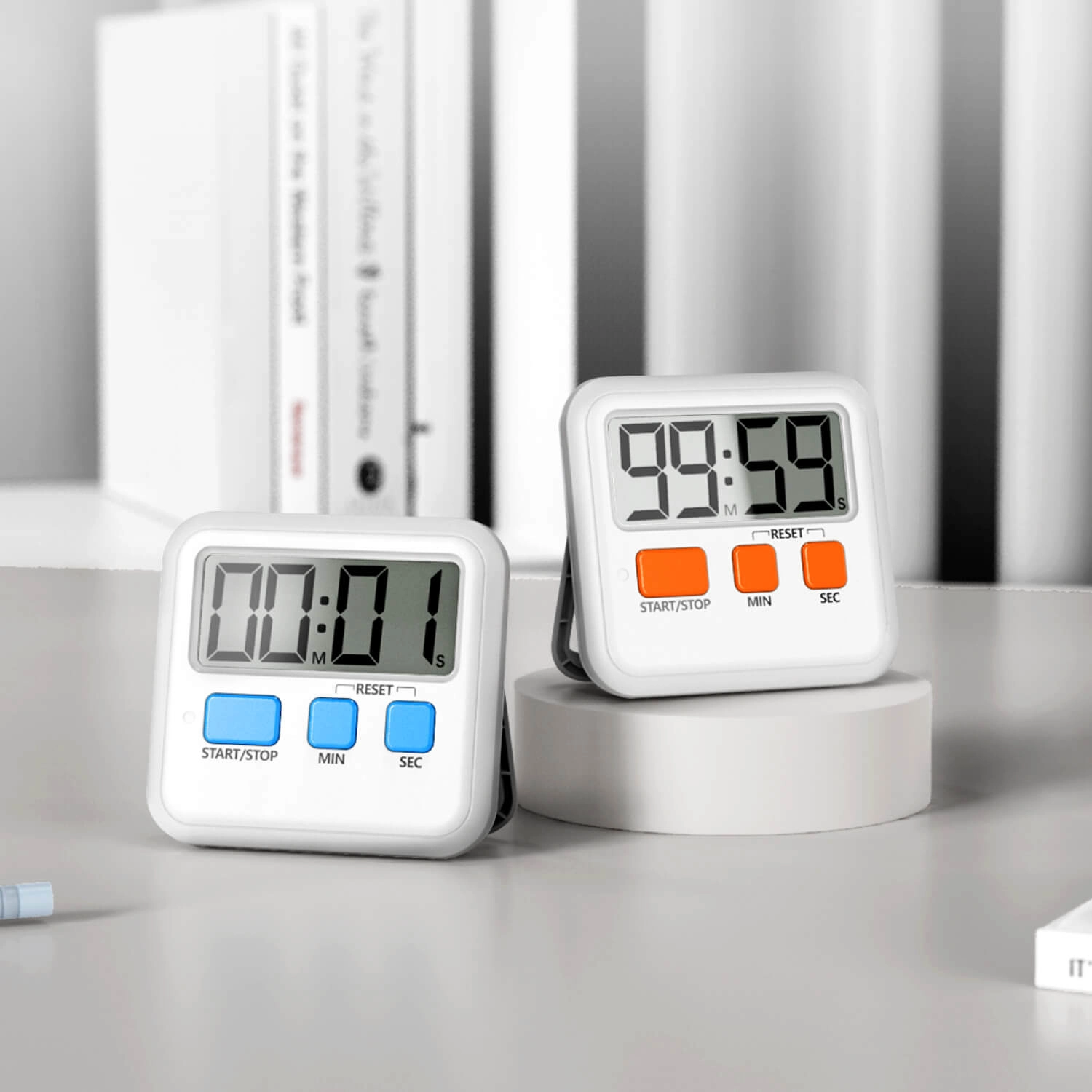
Custom Sound Pomodoro Timer — Best Countdown & Ringtone Timer from Youben Life
Packaging & Logistics Strategies for Pomodoro Timers
OEM/ODM classroom digital timers Manufacturers and Suppliers
MOQ and Pricing Strategies for Bulk Pomodoro Timer Orders
About shipping logistics
What logistics services can you offer?
We can provide express shipping, air shipping and sea shipping.
About company
Why choose us?
We have 20 years’experience,we provide end-to-end ODM/OEM customization from product function and design to packaging and branding.
X-JSQ016
What are the shipping costs and delivery times?
For stock products: Competitive rates via air/sea/express, with delivery in 7–15 business days (location-dependent). For customized orders: Includes 10–15 days for production + shipping; exact timelines confirmed post-design finalization. We ensure reliable, cost-effective delivery tailored to your schedule.
About cooperation process
Why cooperate with Us?
We have our own factory and can provide the best service. Whatever your needs may be, we will do our utmost to meet them.
About after-sale service
Is there after-sales service for products with quality issues?
If you encounter any quality issues after receiving your order, please contact our sales representatives.
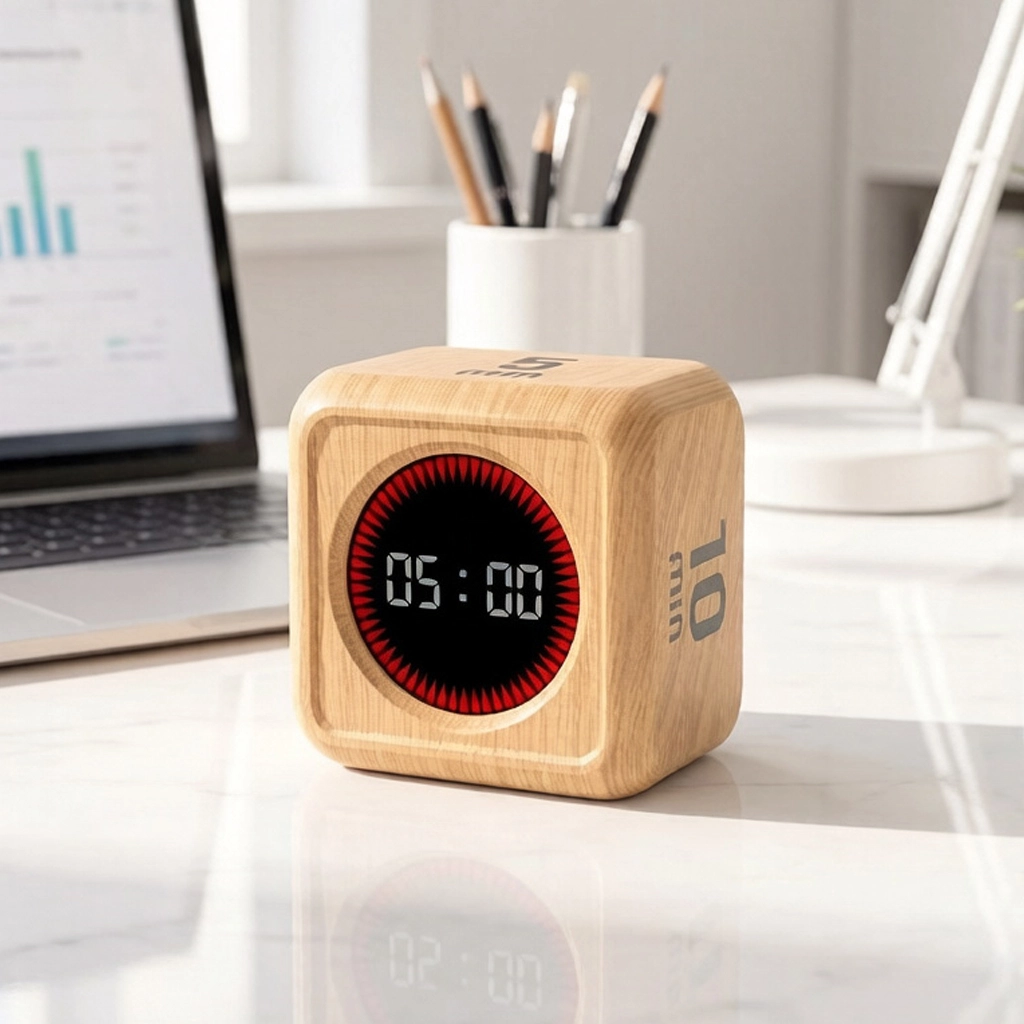
Wood Grain square Cube Timer Digital Gravity Sensor Timer Rechargeable Pomodoro Stopwatch Manufacturer
The X-JSQ814 Rubik’s Cube Timer reimagines timekeeping with a playful, cube-shaped design inspired by the iconic Rubik’s Cube. Blending nostalgia with functionality, it offers intuitive controls, smart gravity sensing, and versatile timing modes—perfect for anyone seeking a stylish, reliable tool to manage tasks at home, work, or play. Compact yet durable, it’s built to adapt to daily routines with ease.
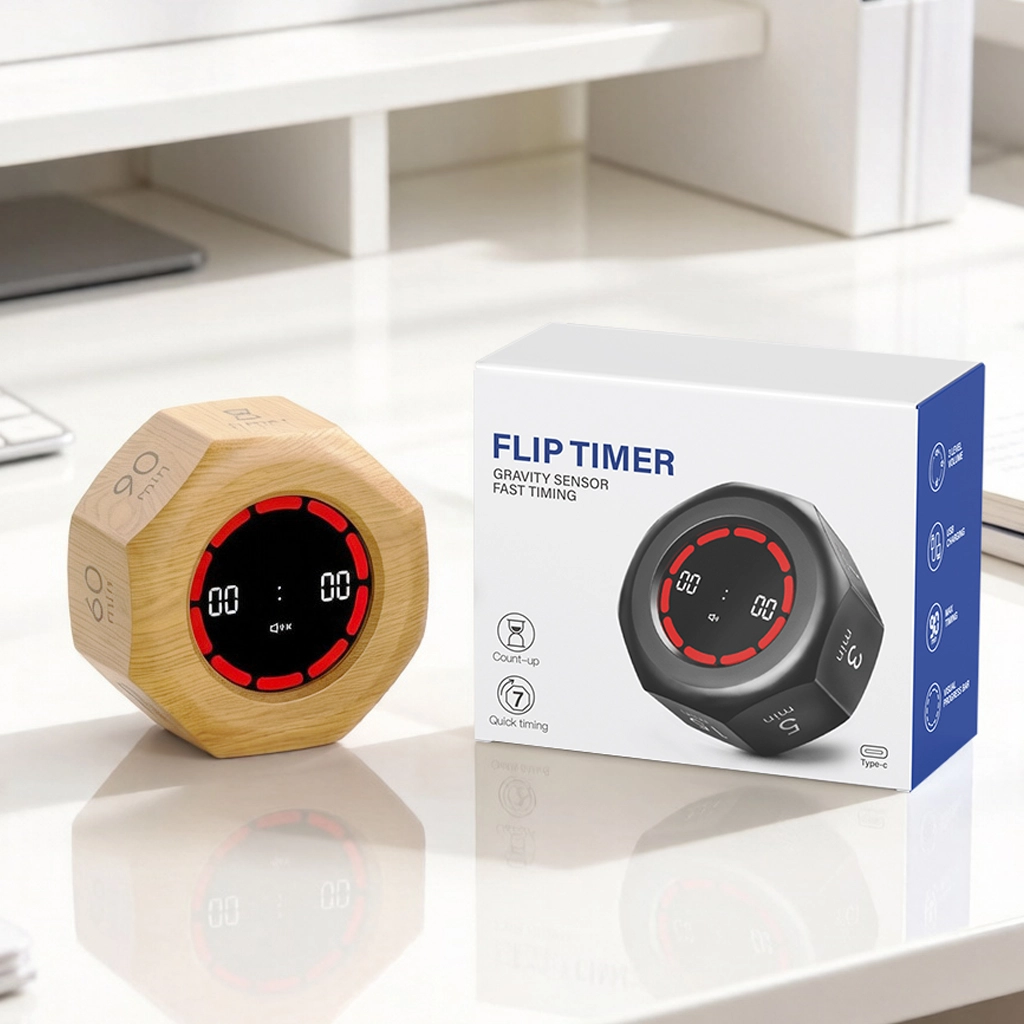
Wood Grain Gravity Sensor Digital Pomodoro Timer 3 5 30 90 Minutes Study Learn Visual Countdown Timer
Where cutting-edge design meets unrivaled functionality. This isn’t just a timer; it’s your versatile partner for kitchen precision, focused studying, classroom engagement, and even ADHD-friendly time tracking.
Crafted as an 8-sided cube with a sleek, novel mini-round profile, Cube redefines portability and style. Its eye-catching flip-gravity rotating visual display (no boring screens!) makes time visible at a glance, while a crisp digital clock shows seconds, minutes, and hours—ideal for recipes, Pomodoro sessions, or study intervals.
Custom Sound Ringtone Best Countdown Pomodoro Timer Brand In China
The X-JSQ811 Timer is a compact, functional digital timer designed for everyday time management. It prioritizes simplicity, portability, and adaptability—perfect for users who want a reliable tool without unnecessary complexity.
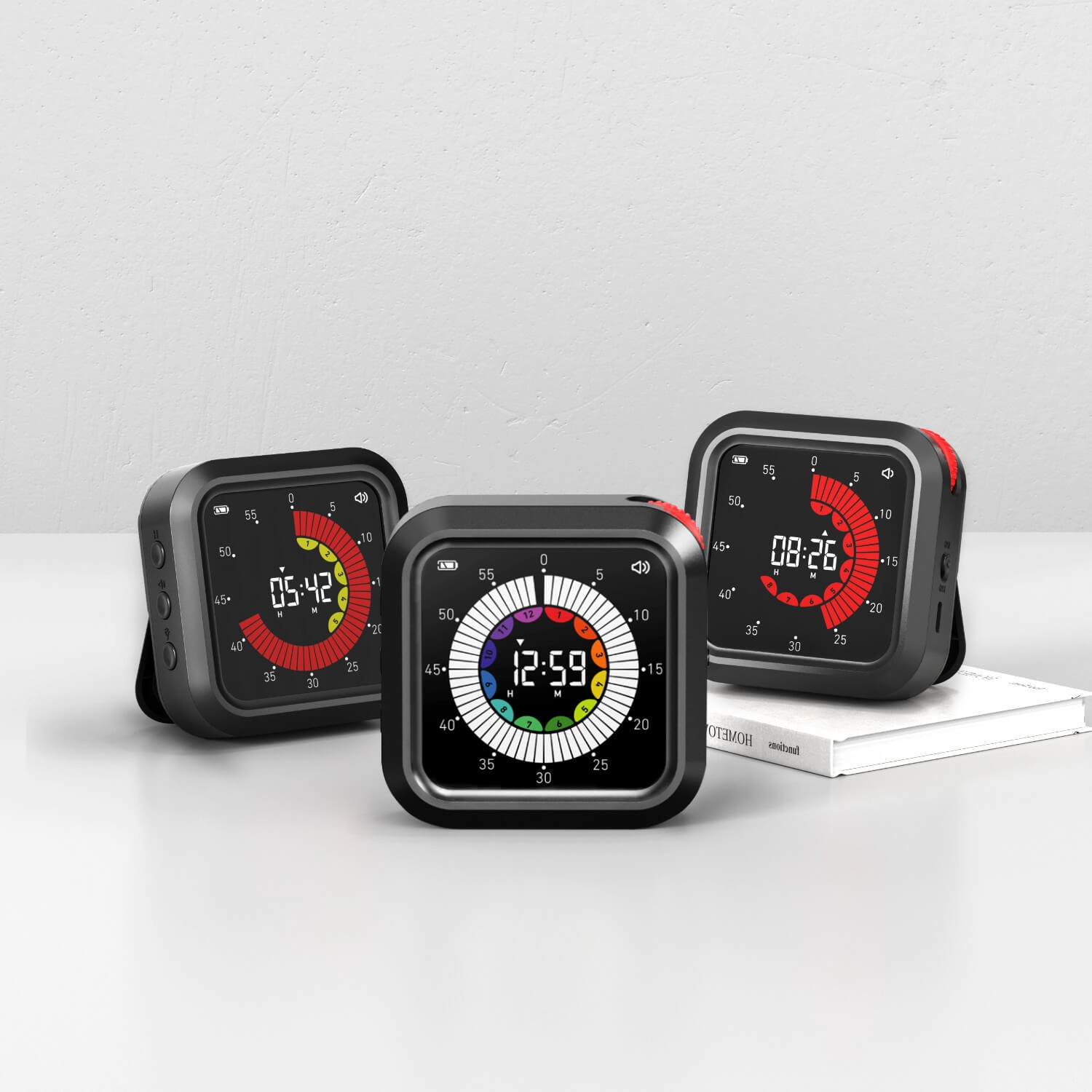
Digital Visual Tomato Pomodoro Technique Timer Study Kitchen Cooking Countdown Countup Timer Stopwatch
The X-JSQ817 Pomodoro Timer redefines simplicity and functionality for productivity, daily tasks, and creative pursuits. Designed with intuitive controls, robust features, and adaptable design, it caters to users seeking precision, convenience, and accessibility in a compact package.

Youben life
Youben life
Youben life
Youben life