
Classroom Digital Timers: Essential Tools for Teachers and Education Brands
- Why Classroom Digital Timers Matter: Pedagogy, Behavior, and Efficiency
- How timers support classroom management
- Instructional and behavioral benefits backed by practice
- Types of Classroom Digital Timers and When to Use Each
- Basic digital countdown timers
- Visual/Color-change timers and large display timers
- Programmable multi-zone timers and software integrations
- Choosing the Right Classroom Digital Timer: Features, Specs, and Buying Criteria
- Core features to evaluate
- Accessibility, safety, and policy considerations
- Comparing Timer Options: Quick Reference Table
- Implementing Timers Effectively: Classroom Strategies and Lesson Examples
- Routines and transitions
- Assessment and practice
- Self-regulation and scaffolding
- Procurement and ROI: For Education Brands and Administrators
- Cost, durability, and total cost of ownership
- Measuring impact
- Why Partner with a Manufacturer: Youben Life Case (OEM/ODM Advantages)
- Youben Life overview and relevance to education brands
- Product compliance and manufacturing strengths
- Technical Considerations and Safety
- Electrical and materials compliance
- Data privacy and integrations
- Buying Guide: Top Questions Teachers and Buyers Ask
- How many timers per classroom or school?
- Warranty, support, and bulk ordering
- Frequently Asked Questions (FAQ)
- 1. Do classroom digital timers actually improve student behavior?
- 2. Are visual timers better than numeric timers?
- 3. Can timers be used during standardized testing?
- 4. What power options are best for schools?
- 5. How can an education brand customize timers for their district customers?
- Contact and Next Steps
- References and Further Reading
Why Classroom Digital Timers Matter: Pedagogy, Behavior, and Efficiency
How timers support classroom management
Classroom digital timers are visual or auditory devices that display a countdown or elapsed time. When used intentionally, they reduce ambiguity about activity length, decrease transition time, and help students self-regulate. Teachers report faster transitions and fewer off-task behaviors when expectations include a visible timer. For students with attention challenges or executive-function delays, visible time cues convert abstract time concepts into concrete information.
Instructional and behavioral benefits backed by practice
Observed classroom benefits include increased time-on-task, clearer pacing for group work, and more consistent implementation of formative assessments (timed quizzes, rapid-feedback activities). Timers also help teachers model time management and enable equitable participation by limiting monopolization of class activities. While individual outcomes vary by classroom context, timers are a low-cost, high-impact tool for improving routine classroom processes.
Types of Classroom Digital Timers and When to Use Each
Basic digital countdown timers
These offer numeric countdowns (minutes:seconds), alarm sounds, and sometimes repeat functions. Use them for timed tests, short practice drills, or any activity with a fixed duration. Advantages: precise timekeeping, easy programming, and minimal distractions when alarms are subtle.
Visual/Color-change timers and large display timers
Visual timers show remaining time as a disappearing colored segment, bar, or changing color. They convey urgency intuitively—useful for younger learners and students who struggle with abstract numeric time. Large display models ensure visibility across a classroom without requiring students to crowd around a phone or small device.
Programmable multi-zone timers and software integrations
For project-based learning, stations, or maker spaces, programmable timers with pre-set cycles and zone control enable complex schedules. Timers that integrate with classroom management software, interactive whiteboards, or smart speakers let teachers run transitions and announcements hands-free.
Choosing the Right Classroom Digital Timer: Features, Specs, and Buying Criteria
Core features to evaluate
- Display type: numeric vs. visual segment
- Size and mounting: tabletop, wall-mounted, magnetic
- Volume control and alarm options: silent, beep, chime
- Power source: battery vs. rechargeable vs. mains
- Programmability: presets, repeat cycles, multi-zone
- Durability and warranty: rugged casing for K–12 use
Accessibility, safety, and policy considerations
Schools should verify timers comply with local electrical safety standards and avoid models that require student devices for operation, which can create equity issues. Visual-only timers can be especially inclusive for hearing-impaired students. For districts with strict procurement rules, CE/FCC/RoHS compliance (for electronics and materials) is commonly requested.
Comparing Timer Options: Quick Reference Table
Below is a practical comparison of common classroom digital timer types and their typical suitability.
| Timer Type | Best Use | Visibility & Accessibility | Typical Price Range (USD) |
|---|---|---|---|
| Basic digital countdown | Timed tests, drills | Good (numeric); small displays less visible | $10–$40 |
| Visual/color-change timer | Transitions, students with attention needs | Excellent (intuitive visual cues) | $20–$60 |
| Large LED wall timer | Whole-class activities, assemblies | Excellent (visible across room) | $80–$300 |
| Programmable/multi-zone | Stations, labs, maker spaces | Variable (depends on UI) | $50–$400 |
Notes: Price ranges are indicative and depend on brand, features, and bulk purchasing discounts for schools.
Implementing Timers Effectively: Classroom Strategies and Lesson Examples
Routines and transitions
Use a visible timer to signal the remaining seconds for cleanup or group pack-up. A consistent visual cue reduces teacher prompts. For example, set a 3-minute visual countdown at the end of a station rotation to allow students to wrap up and prepare for the next activity.
Assessment and practice
For fluency practice (reading, math facts) or formative assessments, pair timers with clear instructions: specify the task, the time allotted, and the expected outcome. Use gentle alarm sounds to avoid startling students during high-stress assessments.
Self-regulation and scaffolding
Teach students to use timers for independent work, gradually increasing allotted time as skills develop. For students with attention difficulties, break tasks into short, timed intervals (e.g., 10–15 minutes) with planned breaks—this mirrors evidence-based approaches to scaffolding executive function skills.
Procurement and ROI: For Education Brands and Administrators
Cost, durability, and total cost of ownership
When procuring timers for a school or district, consider unit cost, expected lifespan, battery/rechargeable costs, and warranty. Durable, wall-mounted timers with replaceable power modules can lower total cost of ownership despite higher upfront prices. Bulk OEM/ODM relationships can further reduce unit price and allow customization (logo, colors, packaging) aligned to district branding.
Measuring impact
Track simple, measurable indicators: average transition time per class, number of teacher prompts per transition, and observed time-on-task during timed activities. Even modest gains in routine efficiency can translate to additional instructional minutes across a school year, improving learning opportunities and justifying investment.
Why Partner with a Manufacturer: Youben Life Case (OEM/ODM Advantages)
Youben Life overview and relevance to education brands
Youben Life, founded in 2010 and headquartered in Guangzhou, China, is a leading home electronics manufacturer and supplier specializing in customized digital products. Main product lines include digital timers, smart alarm clocks, digital thermometers, and hygrometers. Youben Life provides full OEM, ODM, and private label services—covering product functionality, industrial design, appearance customization, packaging design, and logo personalization—making it well-suited for education brands seeking differentiated classroom timers.
Product compliance and manufacturing strengths
All Youben Life products comply with CE, FCC, and RoHS standards and are exported to global markets. Their competitive advantages include:
- End-to-end customization: firmware and UI tailoring for classroom workflows
- Design capability: ergonomics and large-format displays for classroom visibility
- Quality and compliance: adherence to CE/FCC/RoHS and robust QA processes
- Scalability: production capacity for large school/district rollouts and private-label programs
Education brands can leverage Youben Life’s experience to create timers optimized for K–12 use cases: visual countdowns, programmable cycles, durable housings, and energy-efficient designs suited to long-term classroom deployment.
Technical Considerations and Safety
Electrical and materials compliance
Ensure devices meet regional safety requirements. CE covers EU product safety/market rules; FCC governs radio emissions in the U.S. where applicable; RoHS restricts hazardous substances in electronic components. These certifications reduce procurement friction for schools and support export to international markets.
Data privacy and integrations
Most classroom timers are standalone devices without data capture. If integrating with school networks or management systems (for scheduling or analytics), validate data privacy compliance (FERPA in the U.S. where student data is involved) and secure firmware updates to mitigate cybersecurity risks.
Buying Guide: Top Questions Teachers and Buyers Ask
How many timers per classroom or school?
Rule of thumb: one visible wall timer per classroom for whole-class activities, plus a set of portable timers for stations or small-group work. Labs and maker spaces may require multi-zone or programmable units.
Warranty, support, and bulk ordering
Look for manufacturers offering at least a one-year warranty, spare parts availability, and bulk-order discounts. OEM/ODM partners can provide custom packaging and branded manuals to simplify district-wide rollouts.
Frequently Asked Questions (FAQ)
1. Do classroom digital timers actually improve student behavior?
Yes. When paired with clear expectations and routines, timers reduce ambiguity about task length and the need for repeated teacher prompts, which often reduces off-task behaviors and speeds transitions.
2. Are visual timers better than numeric timers?
Visual timers tend to be more intuitive for younger students and those with attention or processing challenges. Numeric timers are effective for older students who can readily interpret minutes and seconds. Many classrooms benefit from having both types.
3. Can timers be used during standardized testing?
Only if district and test-administration policies allow external timing devices. For secure testing environments, institutions often provide approved timers or prohibit external devices—confirm with the testing authority.
4. What power options are best for schools?
Rechargeable units reduce long-term battery costs, but battery-powered timers offer portability. Wall-mounted mains-powered timers are excellent for permanent classrooms where continuous visibility is required.
5. How can an education brand customize timers for their district customers?
Through OEM/ODM services like those offered by Youben Life: custom firmware, UI language options, logo and color customization, tailored packaging, and pre-programmed time presets that match district schedules and pedagogy.
Contact and Next Steps
Ready to evaluate classroom digital timers for your school or education brand? Contact Youben Life for OEM/ODM inquiries, sample orders, and specification discussions. Visit the Youben Life product pages for Digital Timer, Digital Alarm Clock, and Household Thermometer, or request a quote to explore customized solutions that meet CE, FCC, and RoHS standards.
References and Further Reading
- Wikipedia — Timer: https://en.wikipedia.org/wiki/Timer (accessed 2026-01-01)
- Centers for Disease Control and Prevention (CDC) — Attention-Deficit / Hyperactivity Disorder (ADHD): https://www.cdc.gov/ncbddd/adhd/index. (accessed 2026-01-01)
- European Commission — CE marking: https://ec.europa.eu/growth/single-market/ce-marking_en (accessed 2026-01-01)
- Federal Communications Commission (FCC): https://www.fcc.gov/ (accessed 2026-01-01)
- European Commission — RoHS: https://ec.europa.eu/environment/waste/rohs_eee/index_en.htm (accessed 2026-01-01)
- Understood.org — Resources on visual supports and timers for students with attention challenges: https://www.understood.org/ (accessed 2026-01-01)
- Edutopia — Classroom routines and transitions (searchable resources and best practices): https://www.edutopia.org/ (accessed 2026-01-01)
For procurement, customization, sample requests, or technical questions about classroom digital timers and other digital products (Digital Timer, Digital Alarm Clock, Household Thermometer), reach out to Youben Life to discuss tailored OEM/ODM options that strengthen Youben life and meet classroom needs.
Top 10 Digital Timer Manufacturers and Supplier Brands
Customizable Pomodoro Timers: Enclosure, Branding, Firmware
Sustainable Materials for Pomodoro Digital Timer Manufacturing
OEM/ODM classroom digital timers Manufacturers and Suppliers
ODM R&D Development
Do you provide ongoing support after the products are delivered?
Yes, we offer post-delivery support, including instructions, product up-gradation and technical assistance to ensure the long-term performance of your custom products.
All
What is the minimum order quantity (MOQ)?
Our standard MOQ varies depending on the model, usually starting from 200–500 pieces. Custom designs may require different quantities.
What types of clocks can you manufacture?
We manufacture a wide range of clocks, including wall clocks, desk clocks, digital clocks, and smart clocks.
Digital Timers
Can the Pomodoro Technique Timer be customized with a logo?
Absolutely—we specialize in Custom Logo Service for businesses and brands. As a direct manufacturer with in-house design capabilities, we support full customization of both the timer’s body and its outer packaging. Whether you’re a startup, an enterprise, or a distributor looking to brand your product line, simply share your logo files (e.g., AI, PNG) and packaging preferences (material, color, or branding elements), and our team will handle the rest. We’re not just a factory; we’re your partner in creating a distinct, market-ready product.
How much does shipping cost and how long does it take to deliver the product to the customer's destination?
For stock products (non-customized), we partner with global logistics providers (air, sea, or express) to offer competitive rates and fast turnaround. Delivery timelines typically range from 7–15 business days, depending on your location. For customized orders (including logo, function, or packaging adjustments), lead time includes 10–15 days for production plus shipping—exact details will be confirmed after finalizing your design. Whether you’re a small business or a large distributor, we ensure reliable, cost-effective delivery tailored to your schedule.
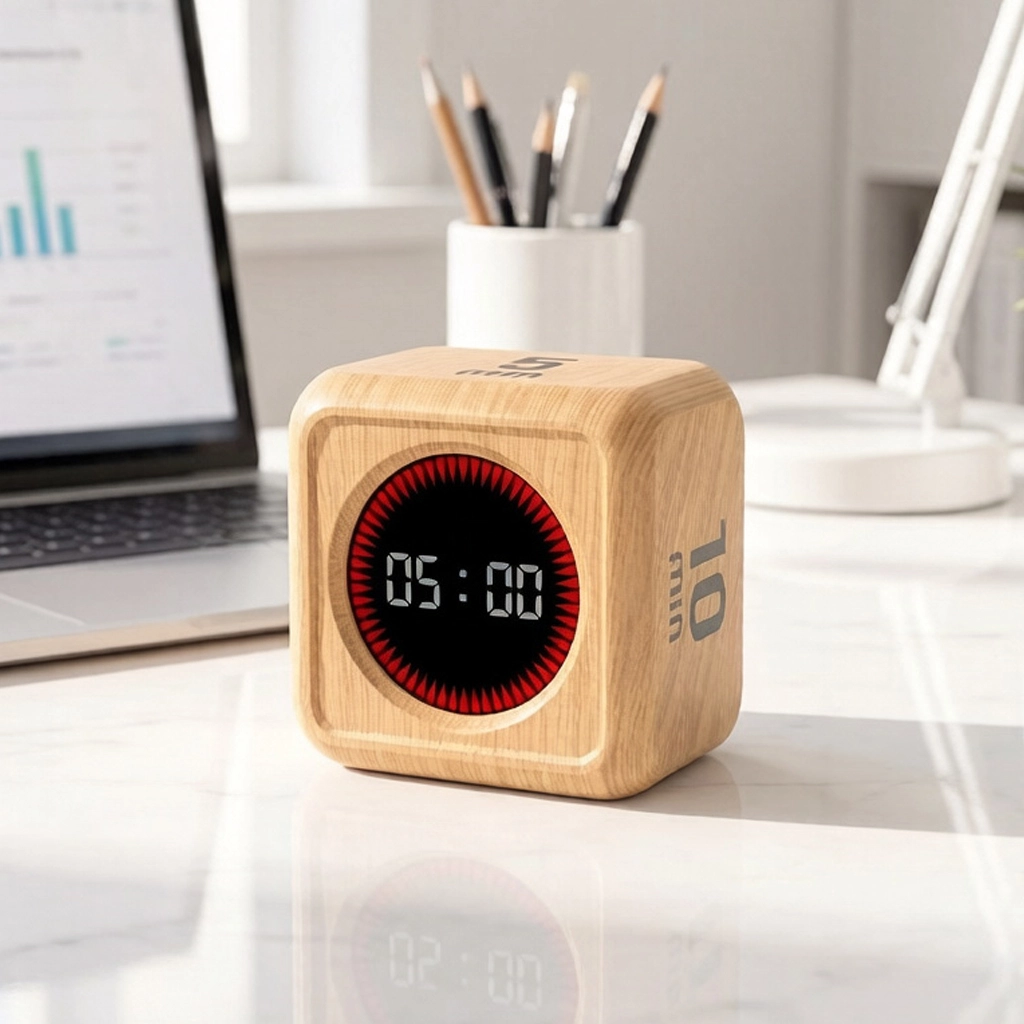
Wood Grain square Cube Timer Digital Gravity Sensor Timer Rechargeable Pomodoro Stopwatch Manufacturer
The X-JSQ814 Rubik’s Cube Timer reimagines timekeeping with a playful, cube-shaped design inspired by the iconic Rubik’s Cube. Blending nostalgia with functionality, it offers intuitive controls, smart gravity sensing, and versatile timing modes—perfect for anyone seeking a stylish, reliable tool to manage tasks at home, work, or play. Compact yet durable, it’s built to adapt to daily routines with ease.
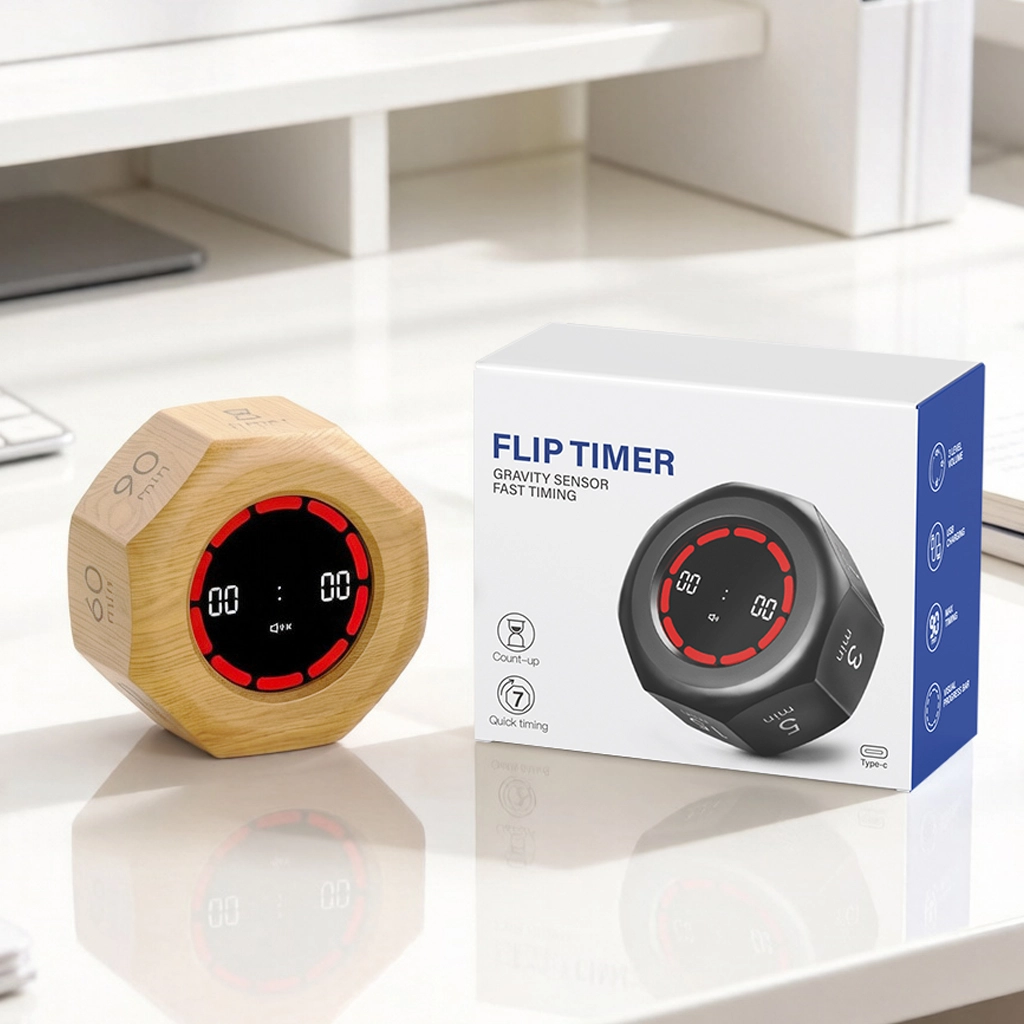
Wood Grain Gravity Sensor Digital Pomodoro Timer 3 5 30 90 Minutes Study Learn Visual Countdown Timer
Where cutting-edge design meets unrivaled functionality. This isn’t just a timer; it’s your versatile partner for kitchen precision, focused studying, classroom engagement, and even ADHD-friendly time tracking.
Crafted as an 8-sided cube with a sleek, novel mini-round profile, Cube redefines portability and style. Its eye-catching flip-gravity rotating visual display (no boring screens!) makes time visible at a glance, while a crisp digital clock shows seconds, minutes, and hours—ideal for recipes, Pomodoro sessions, or study intervals.
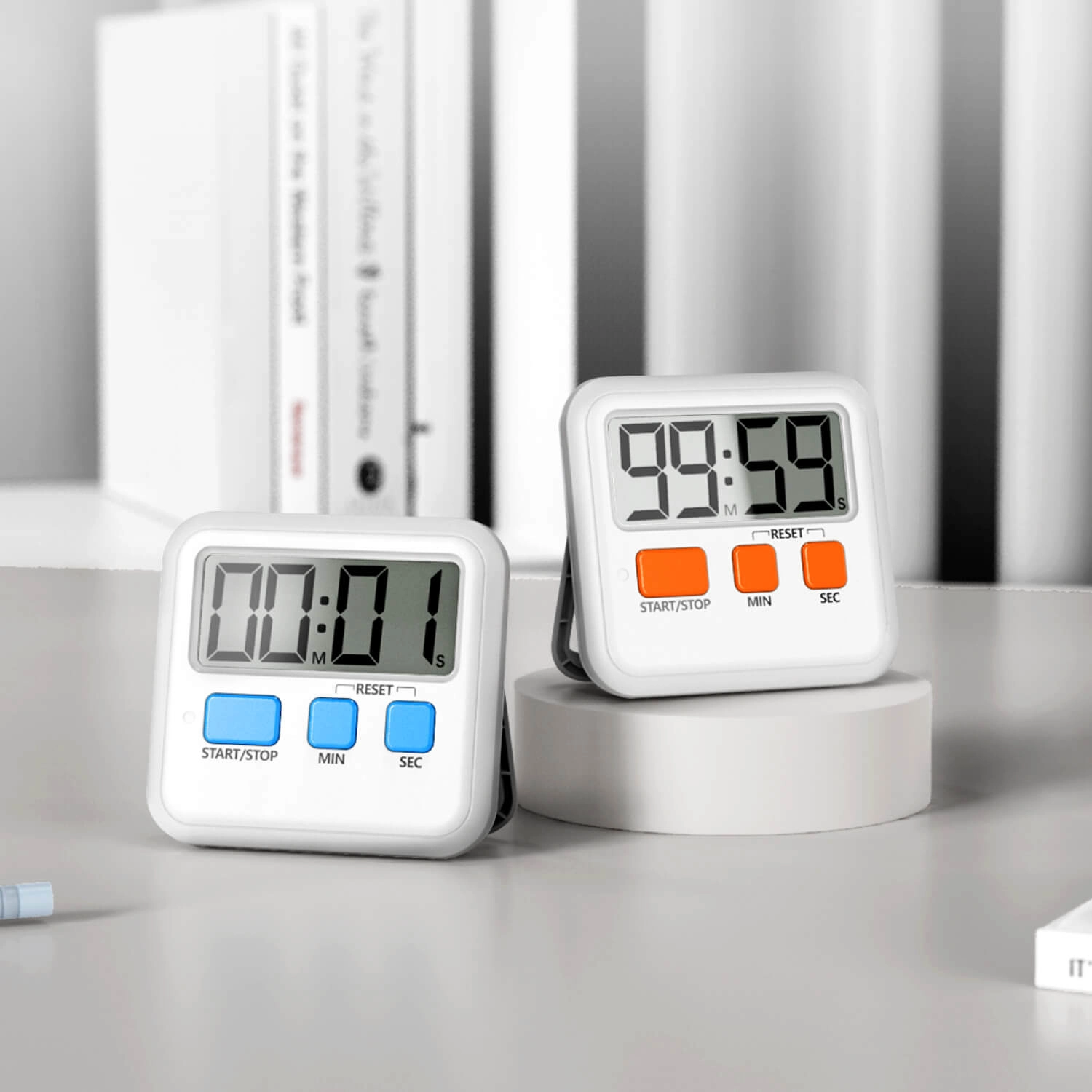
Custom Sound Ringtone Best Countdown Pomodoro Timer Brand In China
The X-JSQ811 Timer is a compact, functional digital timer designed for everyday time management. It prioritizes simplicity, portability, and adaptability—perfect for users who want a reliable tool without unnecessary complexity.
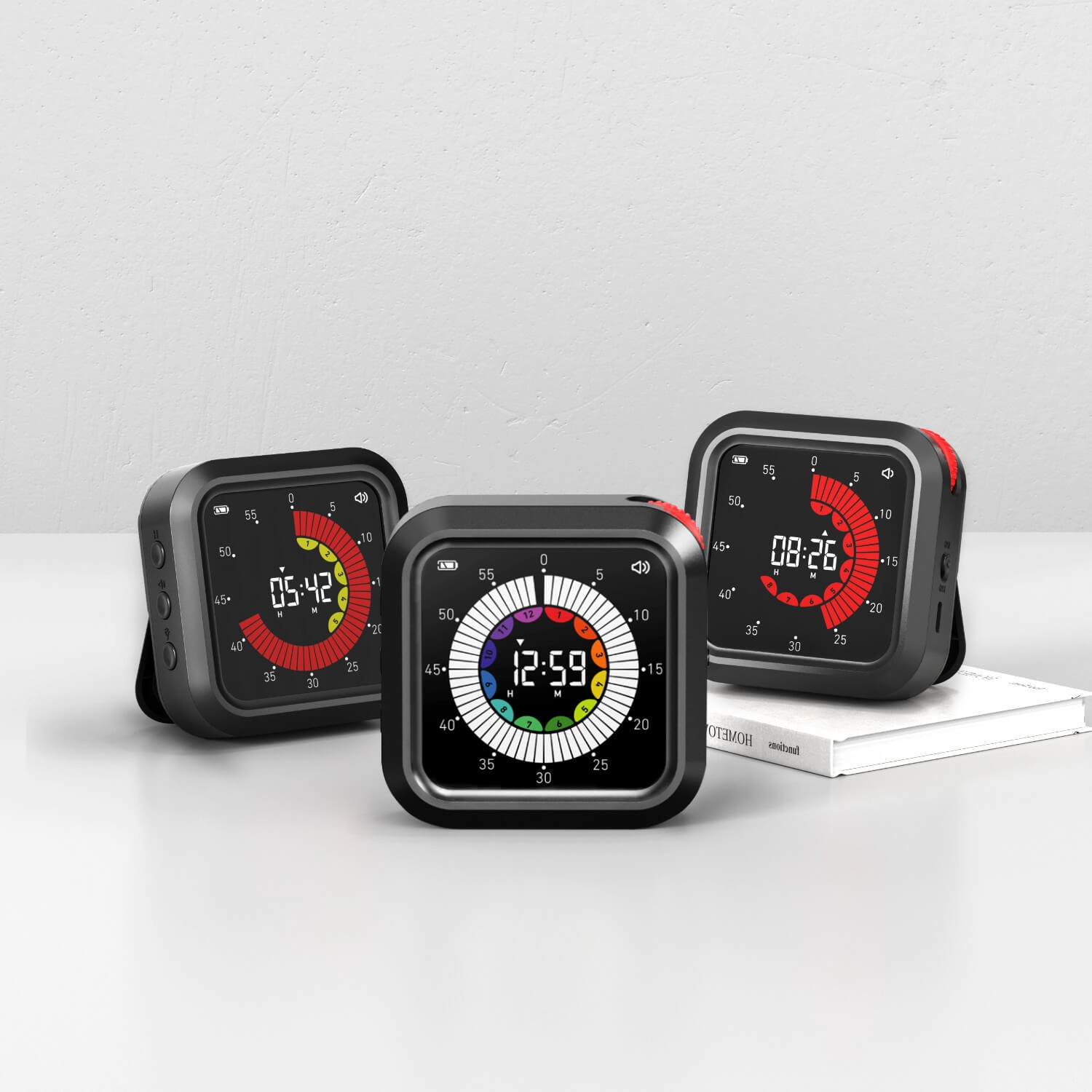
Digital Visual Tomato Pomodoro Technique Timer Study Kitchen Cooking Countdown Countup Timer Stopwatch
The X-JSQ817 Pomodoro Timer redefines simplicity and functionality for productivity, daily tasks, and creative pursuits. Designed with intuitive controls, robust features, and adaptable design, it caters to users seeking precision, convenience, and accessibility in a compact package.

Youben life
Youben life
Youben life
Youben life