
How to Choose the Digital Timer manufacturer and supplier ?
- How to Choose the Digital Timer Manufacturer and Supplier
- Why choosing the right Digital Timer supplier matters
- Understand your project needs before supplier selection
- Define product scope and core features
- Decide on manufacturing model: OEM, ODM, or private label
- Key selection criteria for a Digital Timer manufacturer
- 1. Certifications and regulatory compliance (CE, FCC, RoHS)
- 2. Quality control and testing capability
- 3. Manufacturing capacity and lead times
- 4. Minimum order quantity (MOQ) and pricing structure
- 5. Customization and design support (ODM capabilities)
- 6. Intellectual property and NDA protections
- 7. Supply chain resilience and component sourcing
- 8. Packaging, branding, and logistics support
- 9. After-sales support and warranty terms
- Practical checklist when evaluating Digital Timer suppliers
- Documents and proofs to request
- Factory audit and sample evaluation
- Comparison table: Typical supplier capabilities and ranges
- Cost vs. value: how to balance price and quality
- Beyond unit price: total landed cost
- Negotiate payment terms and pilot runs
- Case study: How Youben Life supports Digital Timer brands
- Why partner with a specialized home electronics supplier
- Typical support steps offered
- Red flags when evaluating a Digital Timer supplier
- Common warning signs
- Negotiation tips and contract essentials
- Key contract clauses
- Protecting Youben life and design
- Conclusion: Choose for reliability, not only price
- Final recommendation
- References
- Frequently Asked Questions
How to Choose the Digital Timer Manufacturer and Supplier
Why choosing the right Digital Timer supplier matters
Choosing the right Digital Timer manufacturer affects product quality, time-to-market, brand reputation, and regulatory compliance. For consumer electronics and home appliances, a supplier's ability to deliver certified, reliable, and customizable digital timers determines whether your product will pass certifications (CE, FCC, RoHS), satisfy end users, and succeed in retail channels.
Understand your project needs before supplier selection
Define product scope and core features
Before contacting manufacturers, list the technical and commercial requirements for the Digital Timer: digital display type (LCD/LED), power source (battery/USB/AC), timing accuracy, programmable functions, user interface, enclosure materials, operating temperature, and expected certifications. Clear scope reduces misunderstandings and shortens development cycles.
Decide on manufacturing model: OEM, ODM, or private label
If you have full product specs and design, OEM is suitable. If you need design support and want a fast route to a differentiated Digital Timer, ODM saves time. For branding existing SKUs, private label is ideal. Many suppliers (including Youben Life) offer complete OEM, ODM, and private label solutions that cover function, industrial design, appearance, packaging, and logo personalization.
Key selection criteria for a Digital Timer manufacturer
1. Certifications and regulatory compliance (CE, FCC, RoHS)
Ensure the manufacturer produces Digital Timers that can be certified. CE (European market), FCC (U.S. radio/emissions), and RoHS (restricted hazardous substances) are core for electronics. A supplier should provide test reports, a declaration of conformity, and support for lab testing. Products that lack proper certification face blocked shipments and return costs.
2. Quality control and testing capability
Ask about the supplier's QC processes: incoming material inspection, in-line testing, aging tests, burn-in procedures, and final random sampling. For Digital Timers, reliability tests for display longevity, button life-cycle, timing accuracy, and battery endurance are crucial.
3. Manufacturing capacity and lead times
Confirm monthly capacity and typical lead times for prototyping, pilot runs, and mass production. For popular consumer electronics, typical lead times can range from 4–8 weeks after sample approval depending on seasonality. Make sure the supplier can scale if demand grows or if you need multiple SKUs produced in parallel.
4. Minimum order quantity (MOQ) and pricing structure
MOQ affects cash flow and inventory risk. Typical MOQs for customized electronics range between 500 and 2,000 units depending on complexity. Confirm price breaks at different volumes, tooling costs, and whether pricing includes packaging and labeling.
5. Customization and design support (ODM capabilities)
If you want unique industrial design, firmware tweaks, or custom UI, verify the supplier's R&D and industrial-design teams. Ask for previous OEM/ODM case studies, sample photos, and firmware customization timelines.
6. Intellectual property and NDA protections
Protect your designs with signed NDAs and clear IP ownership clauses. Confirm that the supplier has handled private-label and patent-sensitive projects before and is willing to sign contract terms that protect your IP and brand assets.
7. Supply chain resilience and component sourcing
Check whether the supplier sources critical components (timing ICs, displays, MCUs, battery holders) from reliable vendors and whether they maintain safety stock or multi-sourcing strategies to prevent chip shortages or extended lead times.
8. Packaging, branding, and logistics support
Beyond the device, packaging design, labeling, and certification marks matter. A supplier experienced with retail packaging, drop-shipping, barcode/GS1 integration, and export documentation can speed market entry.
9. After-sales support and warranty terms
Understand warranty coverage, return procedures, and RMA policies. For Digital Timers, typical warranties run 12 months. Confirm repair vs. replacement policies and supply of spare parts.
Practical checklist when evaluating Digital Timer suppliers
Documents and proofs to request
Request the following from prospective suppliers: company registration, factory photos, production line videos, QC manuals, test reports (CE/FCC/RoHS), sample units, lead time statements, MOQ and price lists, and references from other clients.
Factory audit and sample evaluation
Visit the factory if possible, or hire a third-party inspection/audit. Evaluate prototypes for build quality, timing accuracy, display readability, and button feedback. Use a pre-shipment inspection to reduce defects.
Comparison table: Typical supplier capabilities and ranges
Use the table below to compare key supplier attributes. Values are typical market ranges and should be verified with each supplier.
| Attribute | Typical Range / Example | What to verify |
|---|---|---|
| MOQ | 500 – 2,000 units | MOQ per SKU; sample MOQ; flexibility for pilots |
| Lead time (mass production) | 4 – 12 weeks | Seasonal delays, tooling time, component lead times |
| Unit price (example) | $1.50 – $15.00 (depending on features) | Price at defined volumes; whether packaging included |
| Certifications | CE, FCC, RoHS (typical) | Ask for test reports and lab details |
| R&D / Design | In-house or contracted | Prototype capability and firmware customization |
| QC & Testing | Aging, burn-in, AOI, FAI | QC pass rates, inspection reports |
Cost vs. value: how to balance price and quality
Beyond unit price: total landed cost
Compare total landed cost, not just FOB price. Include tooling, certification, shipping, taxes, warehousing, returns, and expected defect rates. A slightly higher unit cost from a certified, reliable supplier can save money by reducing returns and compliance rework.
Negotiate payment terms and pilot runs
Negotiate staged payments (e.g., deposit, pre-shipment, and post-inspection payments) and request a pilot production run to test the production process before large-volume commitments.
Case study: How Youben Life supports Digital Timer brands
Why partner with a specialized home electronics supplier
Youben Life, founded in 2010 and headquartered in Guangzhou, China, specializes in customized digital products including Digital Timers, smart alarm clocks, digital thermometers, and hygrometers. With end-to-end OEM/ODM/private label services, Youben Life helps brands with functional development, industrial design, appearance customization, packaging, and logo personalization. Their products comply with CE, FCC, and RoHS standards and are exported globally.
Typical support steps offered
Manufacturers like Youben Life typically provide: product requirement assessment, industrial design, engineering and firmware development, prototyping, compliance testing, tooling, mass production, packaging customization, and after-sales support. This full-service model helps brands accelerate product launch with lower technical risk.
Red flags when evaluating a Digital Timer supplier
Common warning signs
Be cautious if the supplier: cannot provide test reports, avoids a factory visit, gives vague answers on capacity, insists on 100% prepayment, lacks sample history, or has poor communication. These signs often indicate weak processes or hidden quality problems.
Negotiation tips and contract essentials
Key contract clauses
Include detailed product specifications, acceptance criteria, warranty terms, lead times, penalties for missed deadlines, intellectual property clauses, confidentiality agreements (NDAs), and quality metrics (AQL levels, sample pass rates).
Protecting Youben life and design
Insist on ownership of custom firmware and product designs being written into the contract. Use NDAs and consider registering design patents or trademarks in key markets.
Conclusion: Choose for reliability, not only price
Final recommendation
Select a Digital Timer manufacturer that demonstrates consistent quality control, regulatory knowledge (CE, FCC, RoHS), clear communication, and scalable capacity. For many brands, a partner that offers end-to-end OEM/ODM services — including design support, compliance testing, and packaging — provides the fastest and safest route to market. Youben Life’s decade-plus experience in home electronics manufacturing and compliance capabilities makes it a practical choice for brands seeking customized, compliant Digital Timers.
References
- European Commission — CE marking guidance. https://ec.europa.eu/growth/single-market/ce-marking_en (Accessed 2025-12-11)
- Federal Communications Commission (FCC) — Equipment authorization overview. https://www.fcc.gov/general/equipment-authorization (Accessed 2025-12-11)
- European Commission — RoHS Directive information. https://environment.ec.europa.eu/topics/waste-and-recycling/rohs-directive_en (Accessed 2025-12-11)
- Grand View Research — Smart Home Market overview (market and growth context). https://www.grandviewresearch.com/industry-analysis/smart-home-market (Accessed 2025-12-11)
Frequently Asked Questions
Q: What certifications should a Digital Timer have to sell in EU and US?A: For the EU, CE marking is required (safety and EMC compliance); RoHS ensures restricted substances compliance. For the US, FCC certification is needed if the device has radio or significant EMI emissions. Ask suppliers for test reports and declarations of conformity.
Q: What is a reasonable MOQ for a customized Digital Timer?A: Typical MOQs for customized electronic timers are 500–2,000 units. Exact MOQ depends on design complexity, tooling needs, and supplier flexibility. Negotiate pilot runs if you need smaller initial quantity.
Q: How long does it take to develop an ODM Digital Timer from concept to production?A: For typical Digital Timer projects, expect 8–16 weeks from concept to production: 2–4 weeks for design and prototyping, 2–6 weeks for testing and certification prep, and 4–6 weeks for tooling and mass production (times vary by complexity and certification needs).
Q: Should I choose OEM or ODM for my brand?A: Choose OEM if you have full specifications and want exact replication. Choose ODM if you need design support, faster development, or want a differentiated product without an in-house R&D team.
Q: How can I verify a supplier's factory without visiting in person?A: Use third-party factory audits and inspections, request video tours, ask for production line photos/videos, and verify references. Pre-shipment inspections and sample evaluations by local third-party QC firms are also effective.
Q: What warranty terms are standard for Digital Timers?A: Standard warranty for consumer Digital Timers is commonly 12 months. Some suppliers offer extended warranties or service options; ensure warranty scope and RMA processes are written into the contract.
Top 10 digital kitchen timers Manufacturers and Supplier Brands
Pomodoro Digital Timer Components: PCB, Displays, Buttons
How to Source Components for Pomodoro Timers (PCB, IC, LEDs)
OEM/ODM classroom digital timers Manufacturers and Suppliers
Service
What types of safety standards do your products meet?
Our products complies with international safety standards, including CE,EMS,RoHs, FCC, to ensure meet your local standar.
Do you offer a warranty on your products?
Yes, we offer a one-year warranty on all products.
About customization
Can you customize the logo and packaging, or other functional features of the appearance?
We can provide customize services. Please send us your customize requirements. We will try our best to meet your requirements.
X-JSQ016
Can the Digital Study Timer be customized with specific functions?
Absolutely. Leveraging ODM (Original Design Manufacturing) expertise, we tailor timers to your exact needs—from classroom intervals to ADHD study sessions. Outline functional requirements (countdown modes, interval settings, materials, etc.), and our engineers will redesign prototypes to bring your vision to life, serving businesses of all sizes.
ODM R&D Development
What types of products can be customized through your ODM services?
We can customize a wide variety of home smart products, including digital timer, alarm clock, hygrothermograph, etc.
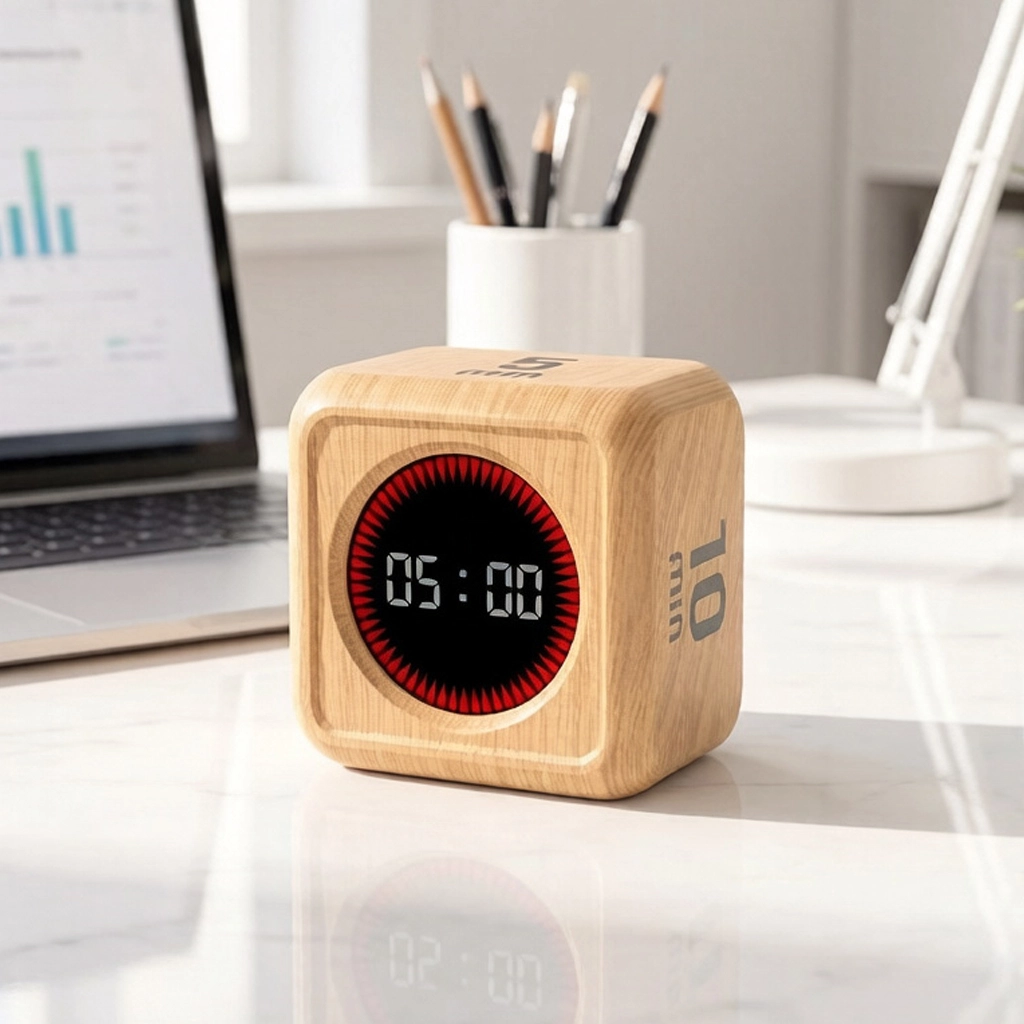
Wood Grain square Cube Timer Digital Gravity Sensor Timer Rechargeable Pomodoro Stopwatch Manufacturer
The X-JSQ814 Rubik’s Cube Timer reimagines timekeeping with a playful, cube-shaped design inspired by the iconic Rubik’s Cube. Blending nostalgia with functionality, it offers intuitive controls, smart gravity sensing, and versatile timing modes—perfect for anyone seeking a stylish, reliable tool to manage tasks at home, work, or play. Compact yet durable, it’s built to adapt to daily routines with ease.
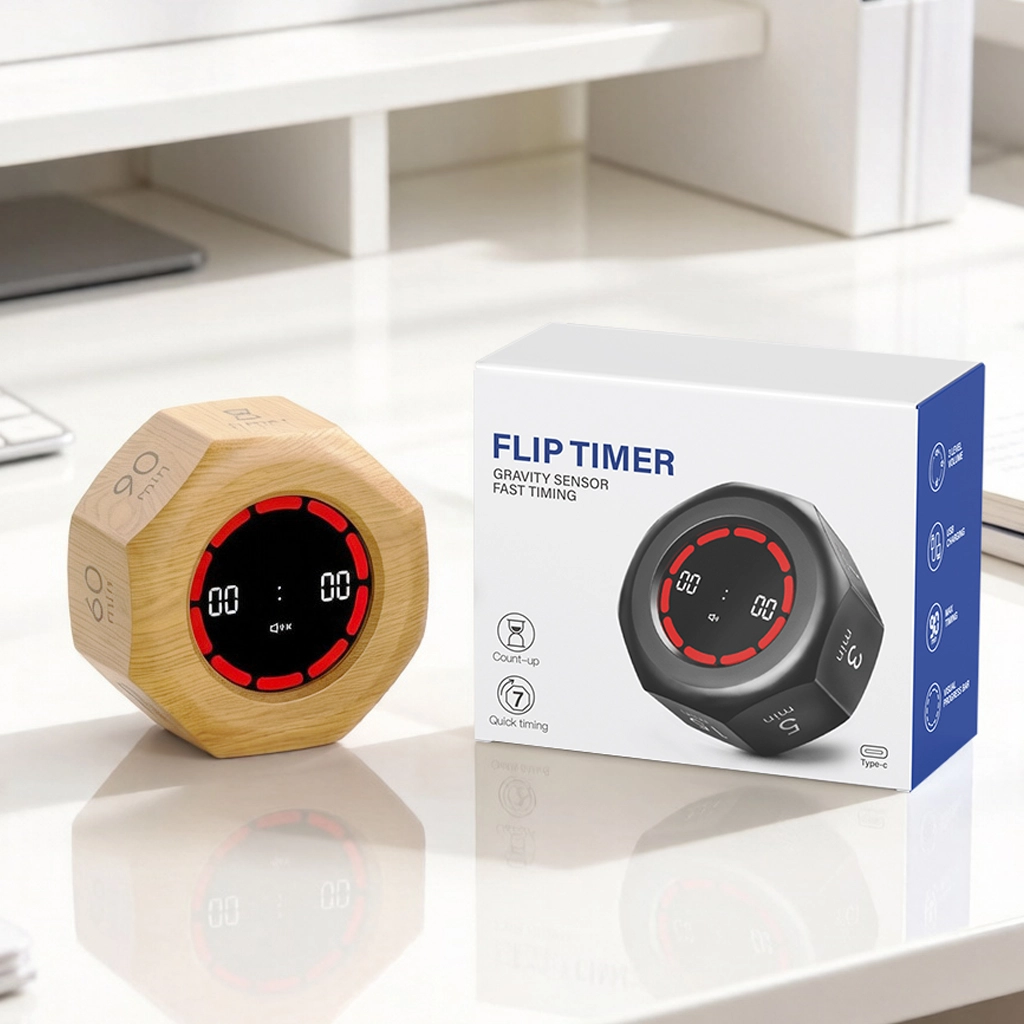
Wood Grain Gravity Sensor Digital Pomodoro Timer 3 5 30 90 Minutes Study Learn Visual Countdown Timer
Where cutting-edge design meets unrivaled functionality. This isn’t just a timer; it’s your versatile partner for kitchen precision, focused studying, classroom engagement, and even ADHD-friendly time tracking.
Crafted as an 8-sided cube with a sleek, novel mini-round profile, Cube redefines portability and style. Its eye-catching flip-gravity rotating visual display (no boring screens!) makes time visible at a glance, while a crisp digital clock shows seconds, minutes, and hours—ideal for recipes, Pomodoro sessions, or study intervals.
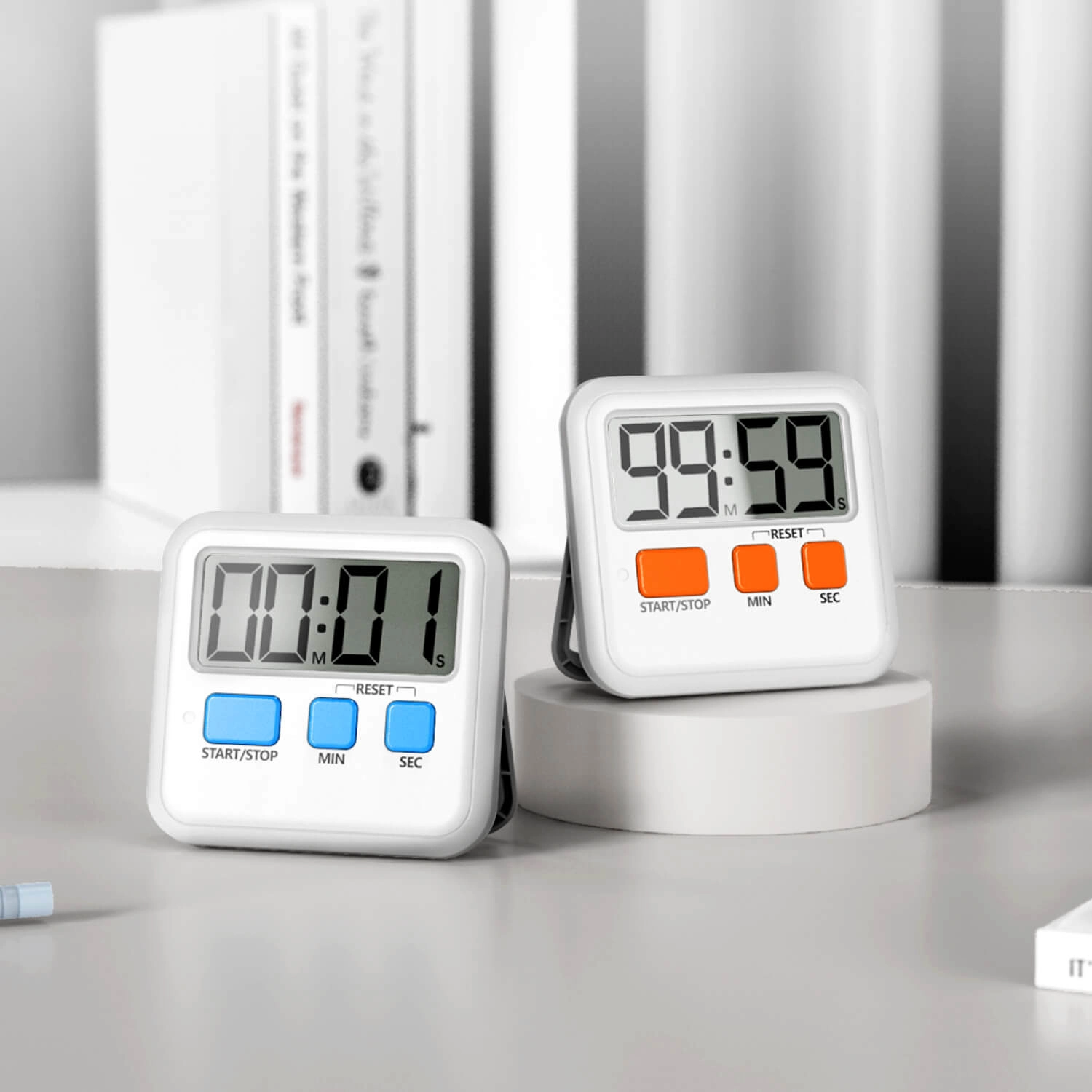
Custom Sound Ringtone Best Countdown Pomodoro Timer Brand In China
The X-JSQ811 Timer is a compact, functional digital timer designed for everyday time management. It prioritizes simplicity, portability, and adaptability—perfect for users who want a reliable tool without unnecessary complexity.
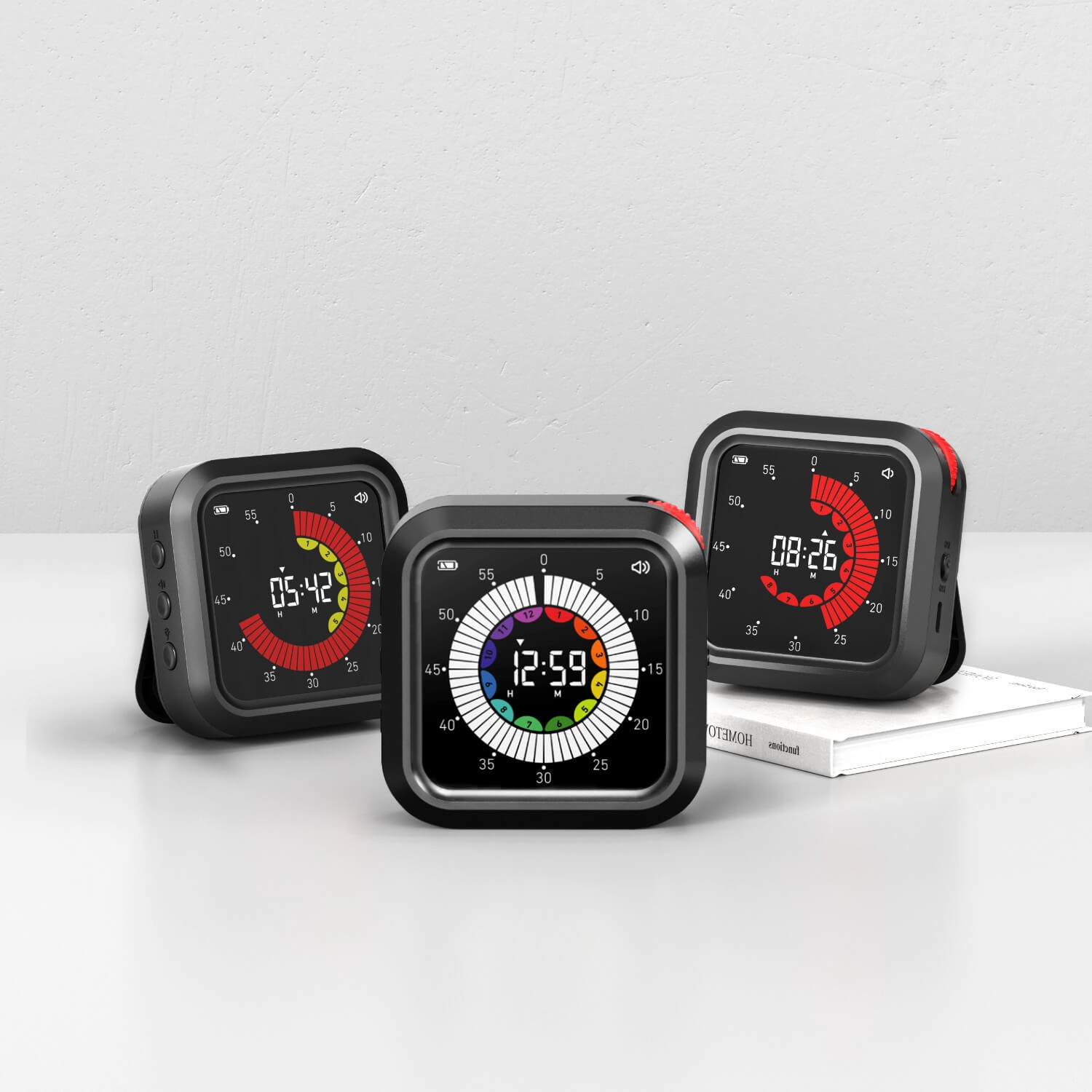
Digital Visual Tomato Pomodoro Technique Timer Study Kitchen Cooking Countdown Countup Timer Stopwatch
The X-JSQ817 Pomodoro Timer redefines simplicity and functionality for productivity, daily tasks, and creative pursuits. Designed with intuitive controls, robust features, and adaptable design, it caters to users seeking precision, convenience, and accessibility in a compact package.

Youben life
Youben life
Youben life
Youben life