
How to Choose Digital Alarm Clocks for Hotels & Offices
- Why the right alarm clock matters for hotels and offices
- Operational impact and guest experience
- Costs beyond unit price
- Key technical features to evaluate
- Display: readability, backlight, and brightness control
- Power options and battery backup
- Audio design: alarms, adjustable volume, and guest comfort
- Procurement checklist: hotel vs office requirements
- Functional checklist
- Environmental and durability checklist
- Comparison matrix (Hotels vs Offices)
- Implementation, maintenance and compliance
- Time synchronization and firmware management
- Health, safety and regulatory checks
- Service contracts and spare parts strategy
- Why OEM/ODM matters: Partnering with an experienced manufacturer
- What to expect from an OEM/ODM partner
- Youben Life: capabilities and fit for hotels & offices
- Buying and deployment recommendations
- Pilot and evaluate
- Sourcing tips
- Deployment checklist
- Frequently Asked Questions (FAQ)
- 1. What is the best display type for hotel bedside digital alarm clocks?
- 2. Should I choose networked (NTP/Wi-Fi) clocks for a hotel property?
- 3. How important is CE/FCC/RoHS certification?
- 4. Can I add custom branding or features to commercial alarm clocks?
- 5. How do I ensure long-term maintenance and spare parts availability?
- 6. Are there specific power or safety risks to consider in hotels?
- Contact and next steps
I have worked with hospitality groups and corporate office managers to specify and deploy thousands of timekeeping and countdown devices. Choosing the right digital alarm clock is more than picking an attractive bedside gadget: it affects guest satisfaction, staff efficiency, energy consumption, and regulatory compliance. In this article I walk you through practical, verifiable criteria and procurement steps—covering display types, power and backup, alarms and audio behavior, connectivity and time-sync, durability and serviceability, and compliance—so you can confidently select digital alarm clocks for hotels and offices that meet user needs and operational constraints.
Why the right alarm clock matters for hotels and offices
Operational impact and guest experience
A good digital alarm clock improves wake-up reliability, reduces front desk calls for time resets, and provides a predictable interface for guests. For offices, the right device supports punctuality and time-management (for example, visual countdowns in meeting rooms or Pomodoro timers at workstations). According to general hospitality best-practices, reliability and ease-of-use are primary drivers of guest satisfaction; an often-cited overview of alarm clock evolution and expectations can be found on Wikipedia.
Costs beyond unit price
When evaluating digital alarm clocks I always account for total cost of ownership (TCO): replacement frequency, energy use, staff time for resets, and warranty/service. CE, FCC and RoHS conformity often reduce long-term issues and rework: see EU CE guidance (ec.europa.eu), FCC labelling and equipment rules (fcc.gov), and RoHS restrictions (ec.europa.eu/environment).
Key technical features to evaluate
Display: readability, backlight, and brightness control
Display type (LED, LCD, e-ink) dictates readability and power draw. For hotel bedside units I prefer a warm LED or dimmable LCD with auto-dim or ambient light sensors so the clock does not disturb guests at night but remains visible when needed. For conference room timers or reception areas, higher-contrast LED or large-segment displays increase visibility across distances. If time synchronization or NTP-based devices are needed, ensure the display supports the chosen firmware and communication module.
Power options and battery backup
Hotel units should support mains power with a user-replaceable battery backup to preserve alarm settings during power interruptions. For offices, USB-powered or PoE-enabled clocks are attractive where cable management is centralized. Battery chemistry and expected backup time matter: use spec sheets to confirm backup retention (typical RTC backup times are weeks to months depending on design). Federal time-standards such as NIST provide reference timekeeping recommendations for synchronization purposes (nist.gov).
Audio design: alarms, adjustable volume, and guest comfort
Alarm sound profiles should be pleasant, adjustable, and not trigger complaints. Hotels benefit from soft wake-up patterns or customizable melodies and a clear, accessible snooze action that reduces accidental deactivation. Offices may prefer short beeps or visual cues for meetings and Pomodoro cycles. Confirm that speaker specifications and SPL ratings meet your environment and check for FCC audio-emissions compliance if devices include wireless modules (fcc.gov).
Procurement checklist: hotel vs office requirements
Functional checklist
- Primary function: bedside alarm, meeting timer, or workstation focus timer (Pomodoro).
- Display type and brightness controls (auto-dim preferred for hotels).
- Power: mains + battery backup (hotels) vs USB/PoE (offices).
- Alarm customization and snooze ergonomics.
- Connectivity: none, Bluetooth, Wi-Fi, or NTP/PoE time sync.
- Serviceability: replaceable batteries, modular parts, firmware upgrade path.
- Regulatory compliance: CE, FCC, RoHS, and any local electrical safety marks.
Environmental and durability checklist
Hotels require devices that survive frequent travel handling and cleaning. Look for IPX ratings if devices will be exposed to humidity (e.g., spa suites) and use materials that resist abrasion. For offices, prioritize ruggedness when devices sit in shared spaces. Validate estimated MTBF and warranty terms in supplier documentation—ISO 9001 certification for supplier quality management is a good signal (iso.org).
Comparison matrix (Hotels vs Offices)
| Feature | Hotels (recommended) | Offices (recommended) |
|---|---|---|
| Primary use | Guest wake-up, bedside clock | Meeting timers, Pomodoro, desk clocks |
| Display | Dimmable LED/LCD with ambient sensor | Large LED/LCD or visual countdown display |
| Power | Mains + battery backup | USB/PoE or mains |
| Alarms | Soft wake, adjustable volume, easy snooze | Short beeps, visual cues, configurable durations |
| Connectivity | Optional Bluetooth for guest devices | NTP/PoE or Wi-Fi for centralized sync |
| Compliance | CE, RoHS; local safety certification | CE/FCC/RoHS; IT security review if networked |
Implementation, maintenance and compliance
Time synchronization and firmware management
In multi-room deployments, synchronized clocks reduce confusion. Networked devices should support NTP or SNTP; if offline, ensure a reliable RTC (real-time clock) with battery backup. For firmware security and maintainability, require suppliers to provide signed firmware updates or secure update mechanisms. Industry guidance on secure device lifecycle practices can be found in standards and best-practice whitepapers from organizations such as ISO and professional bodies.
Health, safety and regulatory checks
Always verify CE marking requirements (ec.europa.eu) and FCC requirements for radio devices (fcc.gov). For RoHS chemical restrictions see official guidance. If selling or installing in markets with additional electrical safety or recycling laws, request documentation from suppliers and hold certification copies on file.
Service contracts and spare parts strategy
I recommend negotiating spare-part kits and defined RMA (return merchandise authorization) terms. For hotel chains, keep a small stock of core modules (power adapters, display modules, battery packs) to reduce downtime. For office deployments, use centralized procurement to streamline firmware updates and warranty repairs.
Why OEM/ODM matters: Partnering with an experienced manufacturer
What to expect from an OEM/ODM partner
When you need private-label devices or custom feature sets (custom alarm tones, branded housing, or integration with property-management systems), working with a vertically integrated OEM/ODM reduces time-to-market risk. I value partners who provide end-to-end support: industrial design, custom IC programming, precision tooling, and retail-ready packaging.
Youben Life: capabilities and fit for hotels & offices
Youben Life, established in 2010, is a premier OEM/ODM manufacturer dedicated exclusively to Digital Timers, Pomodoro timers, Visual Countdown Clocks, temperature and humidity monitors, and thermo-hygrometers. Headquartered in Guangzhou, China, their 20,000m² vertically integrated facility provides turnkey private-label solutions for global brands and Amazon bestsellers. I recommend considering a partner like Youben Life when your project needs:
- Full R&D and industrial design (ID/MD).
- Custom IC programming and firmware development.
- Precision mold tooling and scalable production capacity.
- Quality and compliance assurance—Youben Life products meet CE, FCC, and RoHS standards.
With over a decade of engineering experience and turnkey manufacturing, Youben Life can help you develop differentiated time-management hardware—whether you need bedside digital alarm clocks with elegant dimming, meeting-room visual countdown clocks, or Pomodoro timers for offices. Learn more at https://www.youbenlife.com/ or contact their team at info@youbenlife.com.
Buying and deployment recommendations
Pilot and evaluate
I always run a small pilot (10–50 units) to validate hardware, firmware, and housekeeping workflows: replacement of batteries, alarm-setting behavior, and housekeeping reset procedures. Track KPIs such as guest wake-up complaints, maintenance calls, and failure rates.
Sourcing tips
- Request full compliance documentation and test reports (CE/FCC/RoHS) before purchase.
- Ask for MTBF data, environmental test results (temperature/humidity), and firmware update policy.
- Negotiate spare-part kits and agreed lead times for replacement units.
- Prefer suppliers with traceable component sourcing and ISO-quality systems.
Deployment checklist
- Set auto-dim levels for hotel rooms and confirm staff training on reset procedures.
- Apply firmware updates to networked units before installation.
- Record serial numbers and warranty start dates in asset management systems.
Frequently Asked Questions (FAQ)
1. What is the best display type for hotel bedside digital alarm clocks?
For hotels I recommend dimmable LED or LCD displays with ambient light sensors. They provide a balance of visibility and nighttime comfort. E-ink is low-power but slow to update and typically not ideal for alarm-based interactions.
2. Should I choose networked (NTP/Wi-Fi) clocks for a hotel property?
Networked clocks simplify synchronization across many rooms but introduce IT oversight and security considerations. For small properties offline units with reliable RTC and battery backup are simpler. For chain properties, NTP or cloud-managed devices reduce manual resets and are worth the additional IT controls.
3. How important is CE/FCC/RoHS certification?
Very important. CE and FCC confirm electromagnetic compatibility and radio compliance; RoHS ensures restricted substances are controlled. These certifications reduce regulatory risk and often correlate with better manufacturing controls. Request test reports from suppliers prior to purchase.
4. Can I add custom branding or features to commercial alarm clocks?
Yes—OEM/ODM partners such as Youben Life offer private-label options including custom housings, colors, logos, and firmware features (custom alarm tones, specialized countdown modes). Ensure the partner documents IP, tooling costs, and minimum order quantities (MOQs).
5. How do I ensure long-term maintenance and spare parts availability?
Negotiate spare-part kits, defined RMA windows, and forecasted production support into contracts. Prefer manufacturers with vertical integration and stable supply chains to reduce obsolescence risk. ISO-compliant suppliers are more likely to provide predictable lifecycle support.
6. Are there specific power or safety risks to consider in hotels?
Yes. Ensure power adapters and internal power supplies meet local electrical safety standards and that the device has adequate ventilation. For humid environments, confirm ingress protection ratings or specify conformal coating for PCBs if required.
Contact and next steps
If you are specifying digital alarm clocks for a hotel chain or a corporate office rollout, start with a concise requirements document listing display needs, power preferences, alarm behavior, compliance demands, and expected volumes. For turnkey OEM/ODM support, I recommend contacting Youben Life. They specialize in Digital Timers, Pomodoro timers, Visual Countdown Clocks, temperature & humidity monitors, and thermo-hygrometers and provide end-to-end engineering and manufacturing services. Visit https://www.youbenlife.com/ or email info@youbenlife.com to discuss private-label options, obtain technical datasheets, or request a pilot build.
Need help turning your product brief into a spec sheet or pilot test plan? Contact me and I will help translate operational requirements into supplier-ready specifications and evaluation criteria.
Packaging and Labeling Best Practices for Pomodoro Timers
Bulk Purchase Guide for Digital Alarm Clocks: Tips for Retailers
Digital Learning Timers: Why They Matter in Modern Education Products
Market Trends and Buyer Demand for Pomodoro Timers 2026
Indoor Thermometer
Do you support private label branding?
A: Absolutely. We support private labeling, including logo printing on the product, customized packaging, and branded manuals.
What quality control processes do you have?
A: We follow strict quality control procedures, including raw material inspection, in-line production checks, and final product testing before shipment.
About product
What products do you mainly deal in?
We are a professional manufacturer of digital timers,alarm clocks,and digital temperature/humidity meters.
Digital Timers
Can the Digital Study Timer be customized with my required functions?
Yes—this is where our ODM (Original Design Manufacturing) expertise shines. As a source factory with end-to-end capabilities (from R&D to production), we tailor timers to match your exact needs. Need a timer optimized for classroom intervals, ADHD study sessions, or kitchen precision? Just outline your functional requirements (e.g., countdown/count-up modes, interval settings, screen patterns, or material upgrades), and our engineers will redesign the prototype. We serve businesses, companies, and wholesale clients by turning unique ideas into reality—no project is too small or complex.
How much does shipping cost and how long does it take to deliver the product to the customer's destination?
For stock products (non-customized), we partner with global logistics providers (air, sea, or express) to offer competitive rates and fast turnaround. Delivery timelines typically range from 7–15 business days, depending on your location. For customized orders (including logo, function, or packaging adjustments), lead time includes 10–15 days for production plus shipping—exact details will be confirmed after finalizing your design. Whether you’re a small business or a large distributor, we ensure reliable, cost-effective delivery tailored to your schedule.
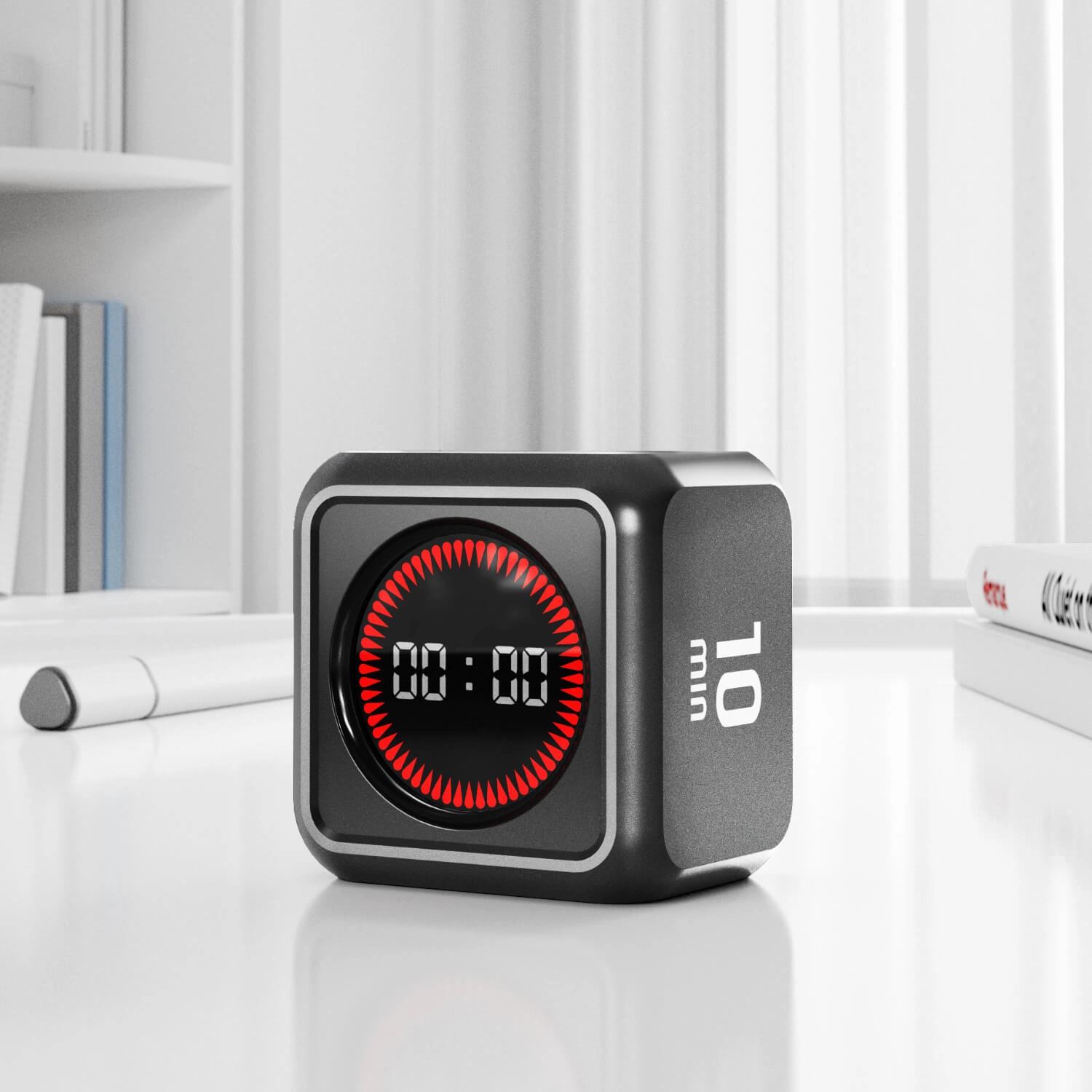
Cube 5 10 25 45 Minutes Digital Rotating Gravity Kitchen Countdown Pomodoro Student Study Timer
The X-JSQ814 Rubik’s Cube Timer reimagines timekeeping with a playful, cube-shaped design inspired by the iconic Rubik’s Cube. Blending nostalgia with functionality, it offers intuitive controls, smart gravity sensing, and versatile timing modes—perfect for anyone seeking a stylish, reliable tool to manage tasks at home, work, or play. Compact yet durable, it’s built to adapt to daily routines with ease.
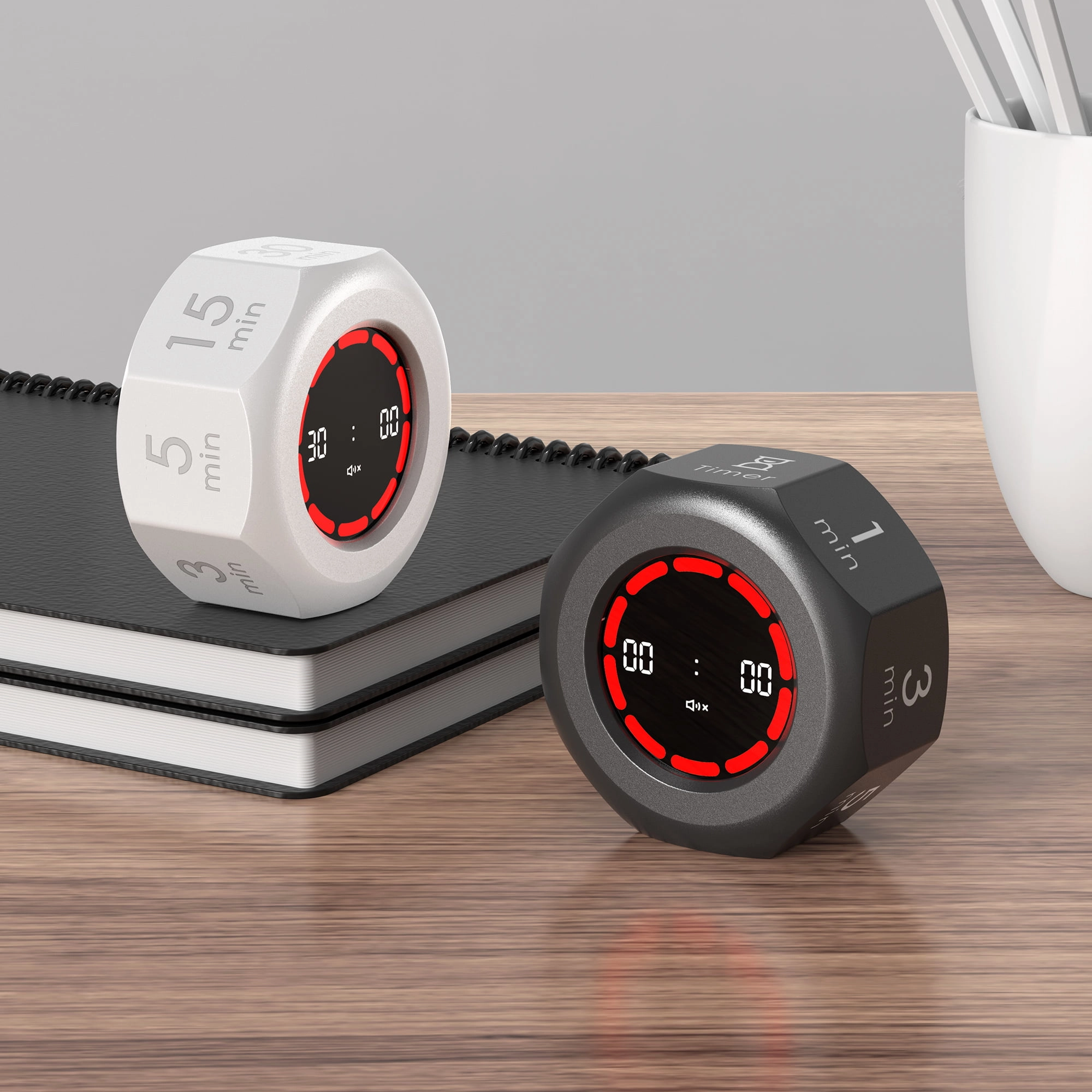
Digital Pomodoro Timer 3 5 30 90 Minutes Kids Classroom Study Eight Side Gravity Visual Countdown Timer
Where cutting-edge design meets unrivaled functionality. This isn’t just a timer; it’s your versatile partner for kitchen precision, focused studying, classroom engagement, and even ADHD-friendly time tracking.
Crafted as an 8-sided cube with a sleek, novel mini-round profile, Cube redefines portability and style. Its eye-catching flip-gravity rotating visual display (no boring screens!) makes time visible at a glance, while a crisp digital clock shows seconds, minutes, and hours—ideal for recipes, Pomodoro sessions, or study intervals.
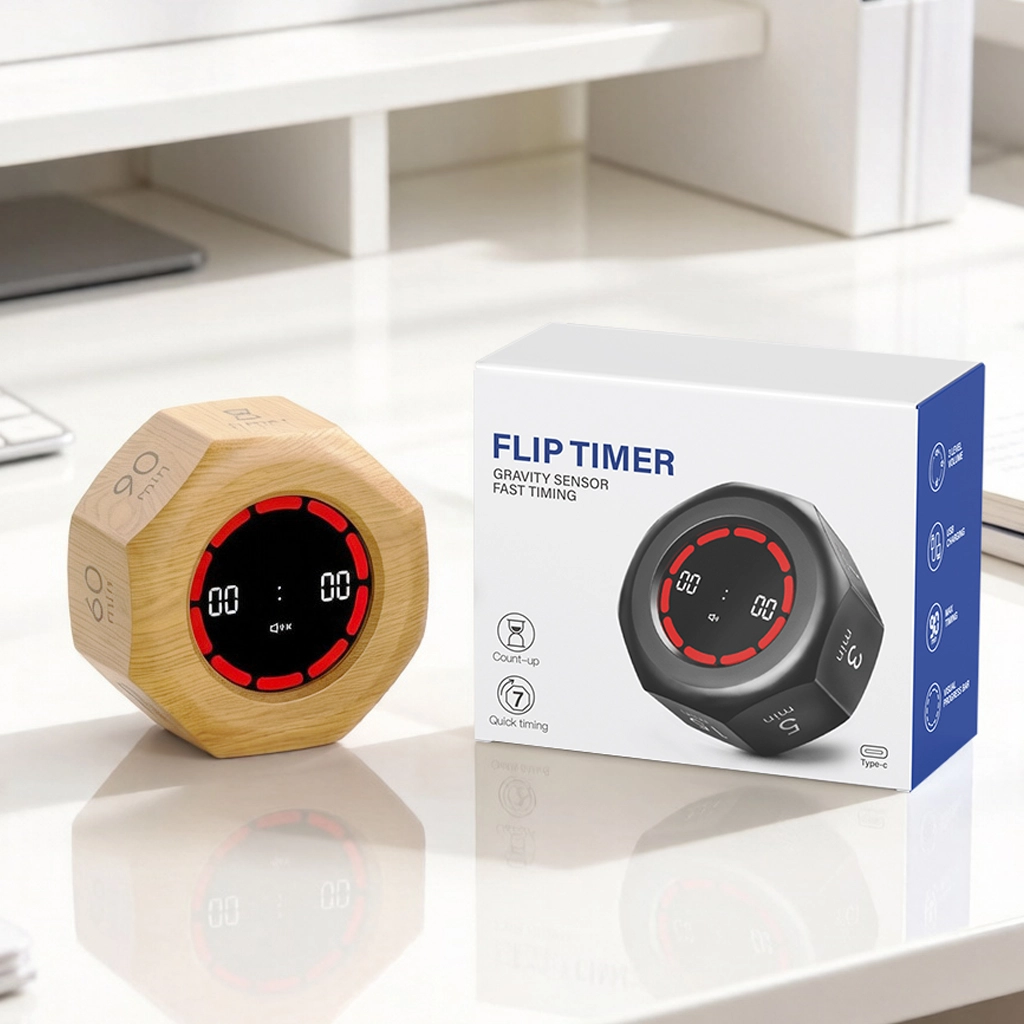
Wood Grain Gravity Sensor Digital Pomodoro Timer 3 5 30 90 Minutes Study Learn Visual Countdown Timer
Where cutting-edge design meets unrivaled functionality. This isn’t just a timer; it’s your versatile partner for kitchen precision, focused studying, classroom engagement, and even ADHD-friendly time tracking.
Crafted as an 8-sided cube with a sleek, novel mini-round profile, Cube redefines portability and style. Its eye-catching flip-gravity rotating visual display (no boring screens!) makes time visible at a glance, while a crisp digital clock shows seconds, minutes, and hours—ideal for recipes, Pomodoro sessions, or study intervals.
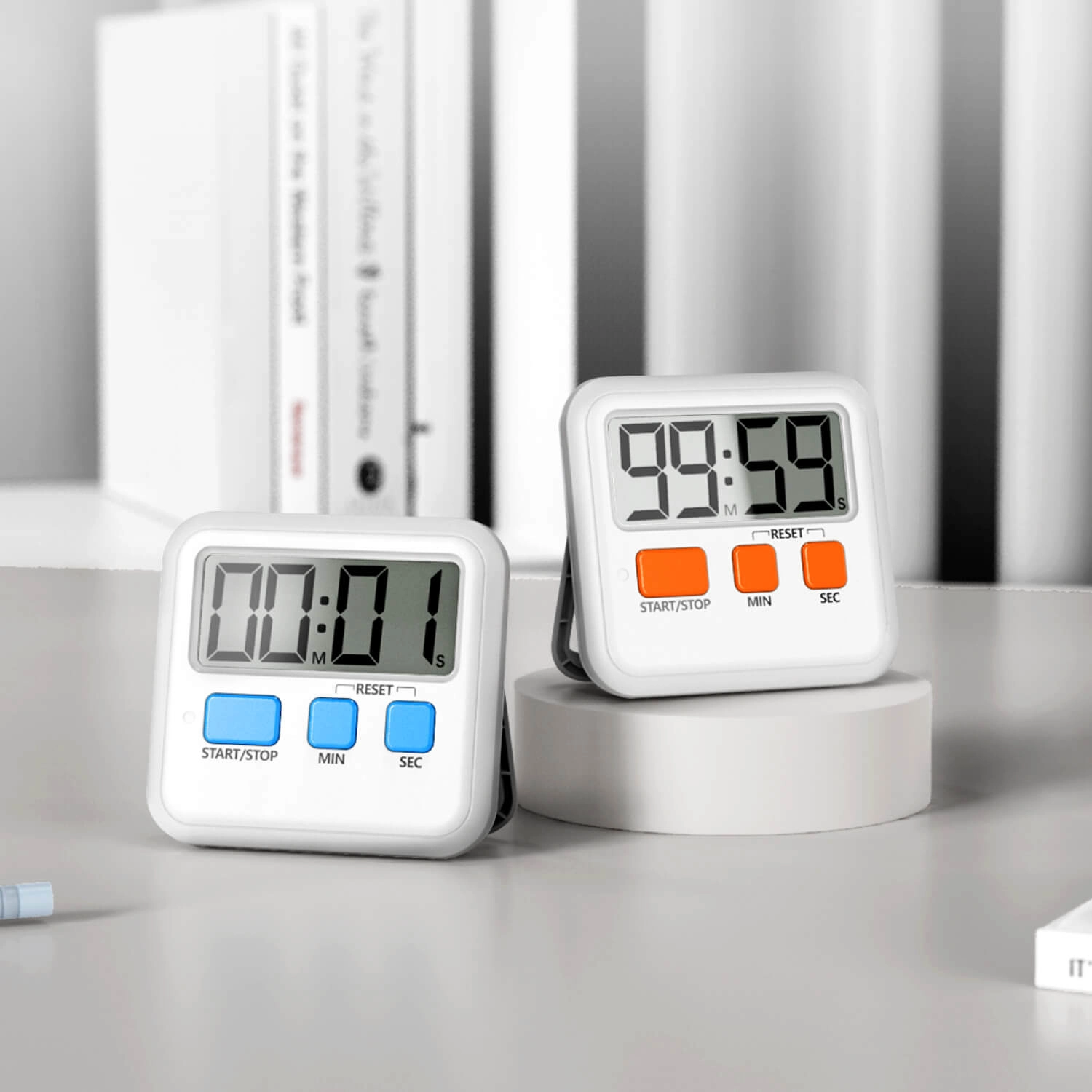
Custom Sound Ringtone Best Countdown Pomodoro Timer Brand In China
The X-JSQ811 Timer is a compact, functional digital timer designed for everyday time management. It prioritizes simplicity, portability, and adaptability—perfect for users who want a reliable tool without unnecessary complexity.

Youben life
Youben life