
Private Label Pomodoro Timers: Build Your Own Productivity Brand (2026 Trends)
- What is a Private Label Timer?
- Key Takeaways: Building a Pomodoro Timer Brand
- Why Pomodoro Timers Are the Ultimate Productivity Niche
- Data Comparison Table: Mechanical vs. Digital vs. Visual Pomodoro Timers
- Sourcing and Manufacturing: Navigating Factories and MOQs
- Navigating Electronic Compliance (CE, RoHS, FCC)
- Common Mistakes When Private Labeling Timers
- Industry Leading Solution: Scaling with Guangdong Youben life Furnishing Industrial Co., Ltd.
- Conclusion
- Frequently Asked Questions
- How much does it cost to private label a Pomodoro timer?
- What is a typical minimum order quantity (MOQ) for custom timers?
- Do I need FCC certification for a digital timer?
- What is the difference between white label and private label electronics?
- How long does it take to manufacture a batch of custom timers?
- Can I customize the sound and LED colors on my private label timer?
- Are mechanical or digital Pomodoro timers more profitable?
- How do I verify a timer manufacturer's quality standards?
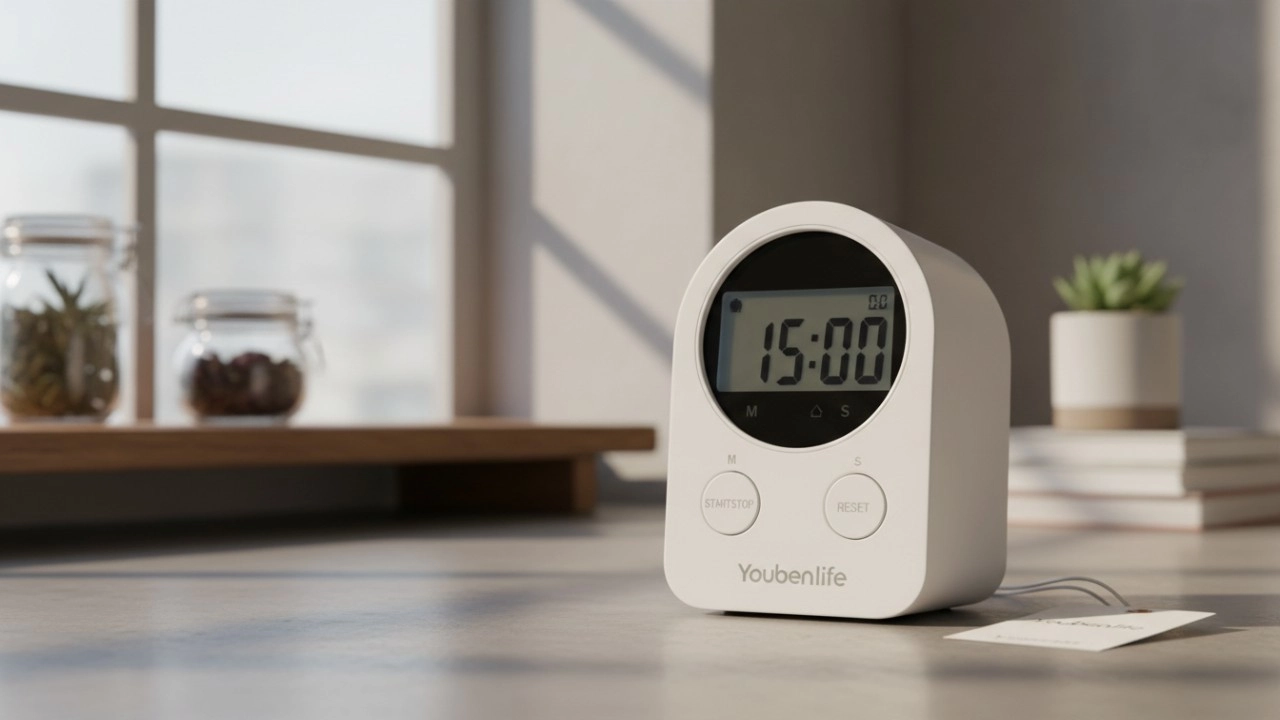
What is a Private Label Timer?
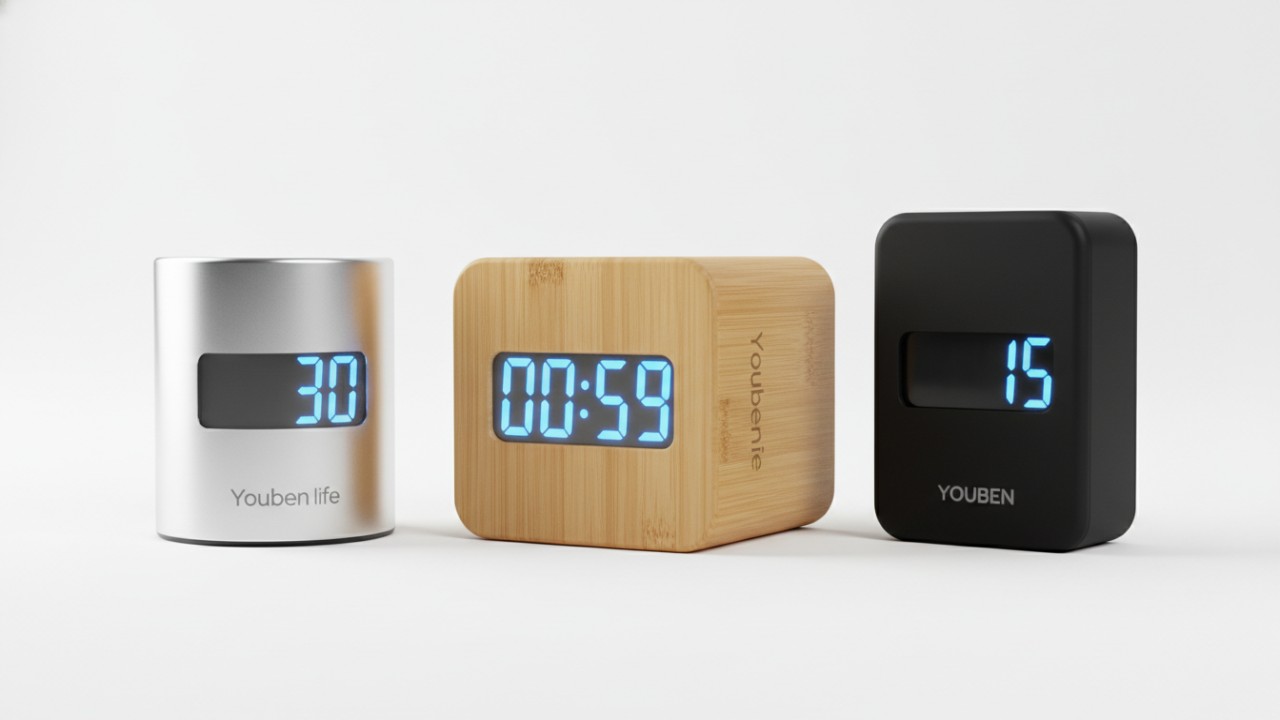
A private label timer is a pre-manufactured time-tracking device produced by a third-party factory but branded and sold under your company's name. This model allows entrepreneurs to customize aesthetics, packaging, and features without investing in heavy manufacturing equipment, creating a unique product for the productivity market.
Unlike standard white labeling—which simply slaps a logo on a generic, off-the-shelf design—private labeling allows for deeper, more meaningful modifications. Brands can specify custom LED colors, bespoke alert sounds, and unique housing materials like brushed aluminum, eco-friendly bamboo, or soft-touch silicone. By focusing on the productivity niche, these timers cater directly to remote workers, students, and professionals seeking tactile focus tools that keep them away from distracting smartphone apps.
When you build a brand around a private label product, you are not just selling a clock; you are selling a tangible solution to procrastination. Physical timers act as an external anchor for focus, making them an indispensable tool for the modern knowledge worker who is constantly bombarded by digital notifications.
Key Takeaways: Building a Pomodoro Timer Brand
Building a successful Pomodoro timer brand requires focusing on high-margin productivity niches, ensuring strict electronic compliance, and differentiating through premium aesthetics and tactile features.
- High Margin Potential: Productivity timers often yield 60-80% gross margins. This is due to the relatively low cost of electronic components combined with premium brand positioning in the desk accessory market. Consumers are willing to pay a premium for a device that actively improves their daily output.
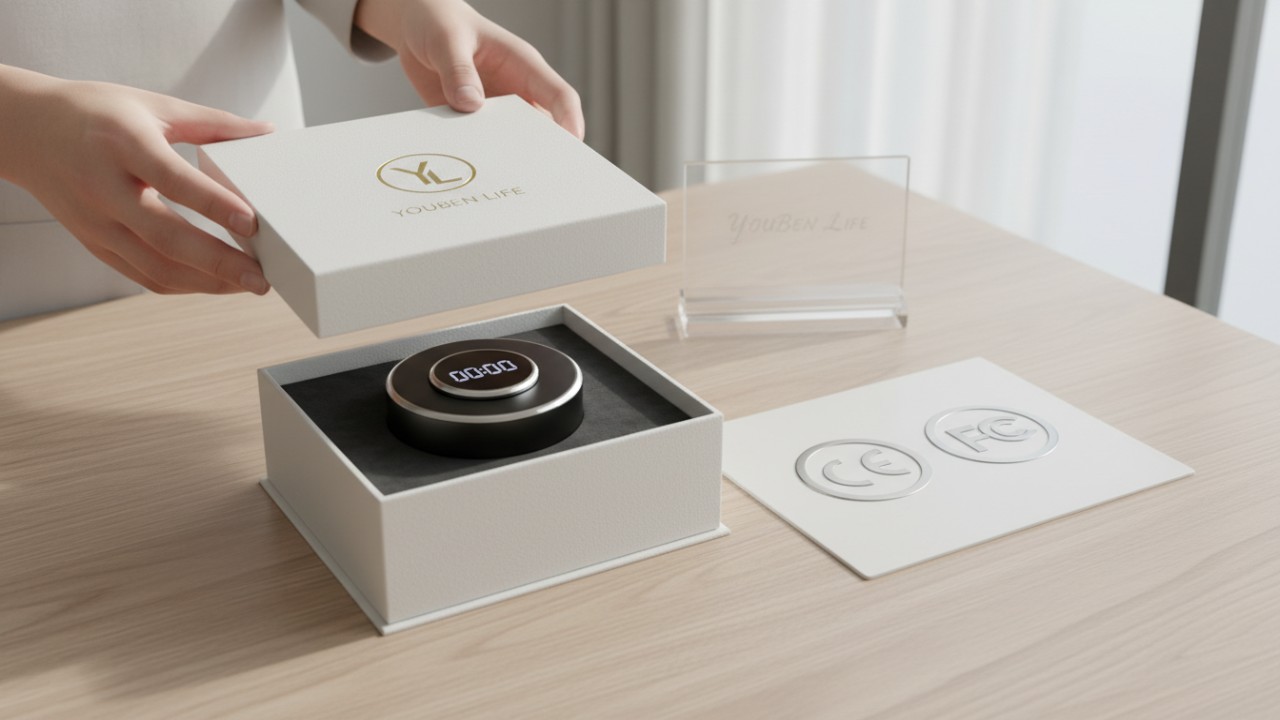
- Compliance is Mandatory: Sourcing digital timers requires strict adherence to CE, RoHS, and FCC certifications to ensure battery safety, radio frequency compliance, and overall electronic reliability. Failing to meet these standards can result in seized inventory.
- Differentiation is Key: Winning in the market means moving beyond basic beeps. Modern brands must include visual countdowns, haptic feedback, silent modes for library use, and aesthetic designs tailored for modern, minimalist desk setups.
Why Pomodoro Timers Are the Ultimate Productivity Niche
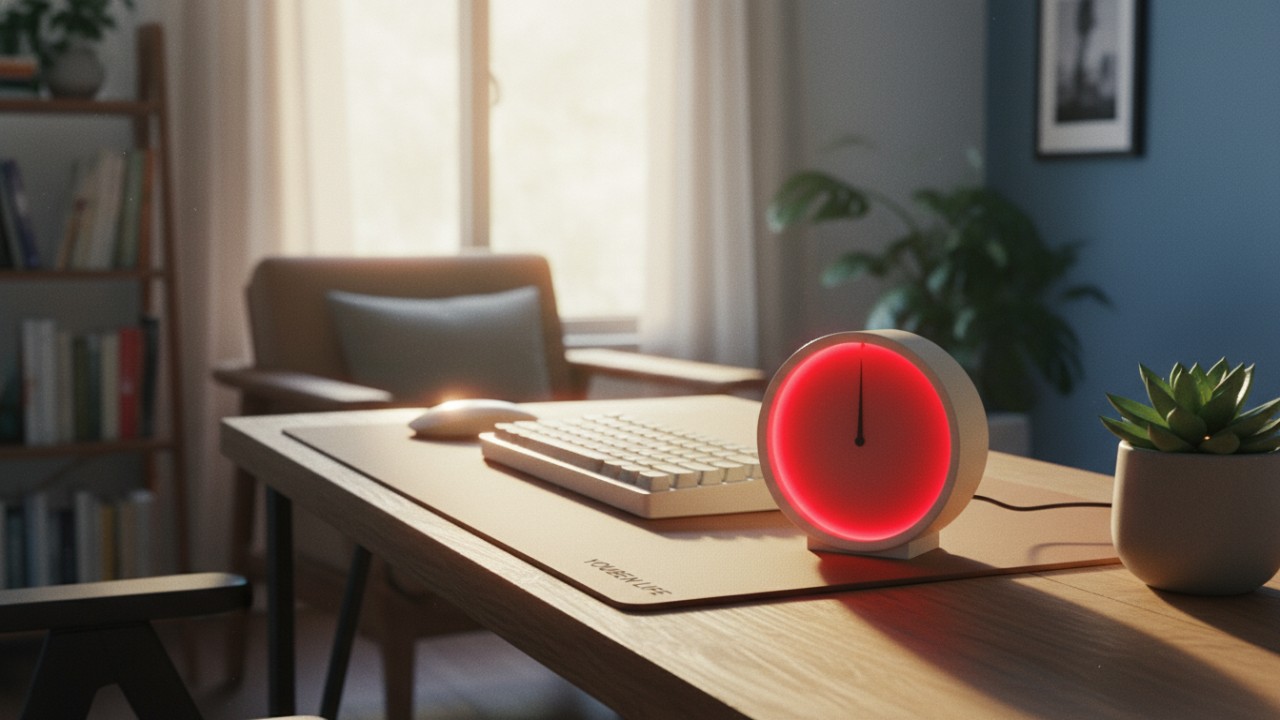
Pomodoro timers are thriving due to the permanent shift toward remote work, the rising demand for neurodivergent focus tools, and the viral nature of aesthetic desk setups on social media.
The shift towards permanent hybrid and remote work has exploded the demand for home office accessories that boost deep work. Originally, the Pomodoro Technique was developed by Francesco Cirillo in the late 1980s, using a simple tomato-shaped kitchen timer to break work into 25-minute intervals. Today, this methodology has evolved into a massive market for premium, white label productivity tools and custom-branded devices that look more like modern art than kitchen gadgets.
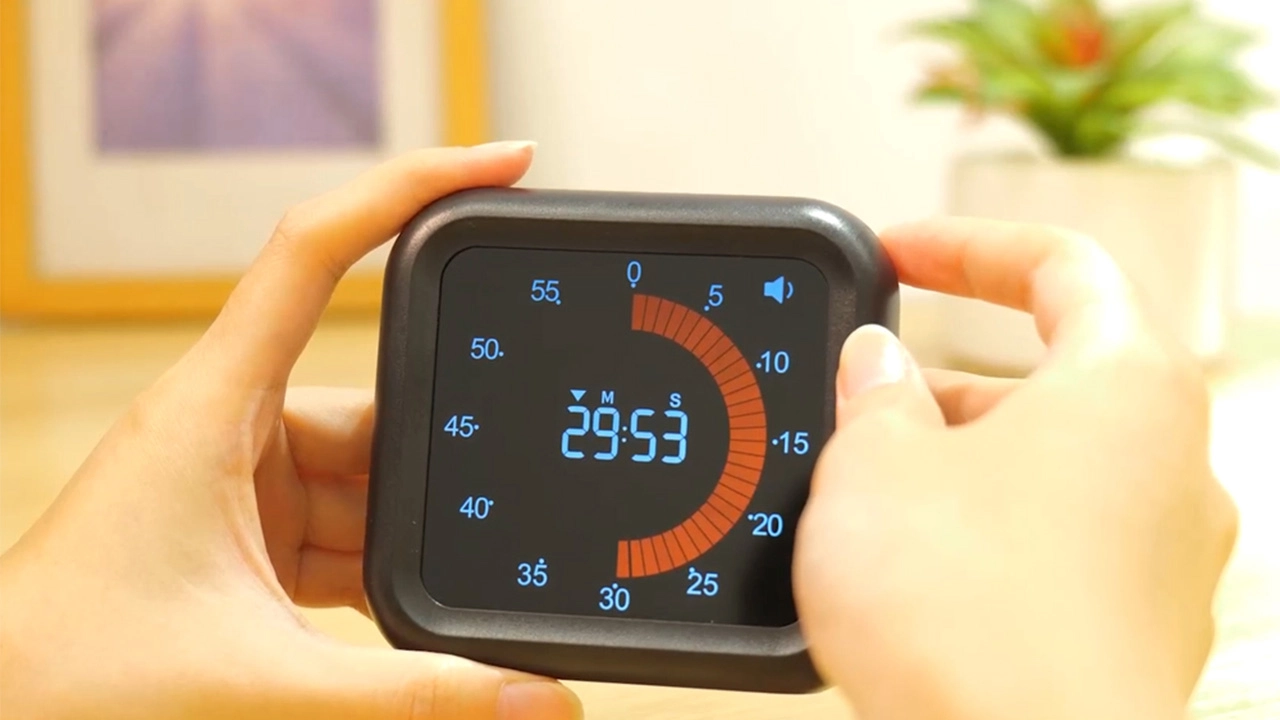
Furthermore, neurodivergent consumers, particularly those with ADHD, are increasingly seeking dedicated physical devices to help manage their days. Tools like visual timers are highly sought after to combat time blindness, a persistent difficulty in perceiving how quickly time passes, which is frequently associated with ADHD. A physical timer serves as an external executive function, making the abstract concept of time visually concrete.
Combined with the rise of aesthetic desk setups driven by social media influencers on platforms like Instagram and TikTok, premium Pomodoro timers have become a highly shareable, viral product category. A well-designed timer is no longer just a tool; it is a statement piece for the modern workspace.
Data Comparison Table: Mechanical vs. Digital vs. Visual Pomodoro Timers
Choosing the right timer mechanism impacts your target audience, minimum order quantities, and compliance needs. The table below compares mechanical, digital, and visual timers to guide your sourcing strategy.
| Timer Type | Avg. MOQ | Unit Cost | Compliance Need | Best For |
|---|---|---|---|---|
| Mechanical | 500 - 1,000 | $1.50 - $3.00 | Low | Budget brands, classic kitchen-style retro aesthetics. |
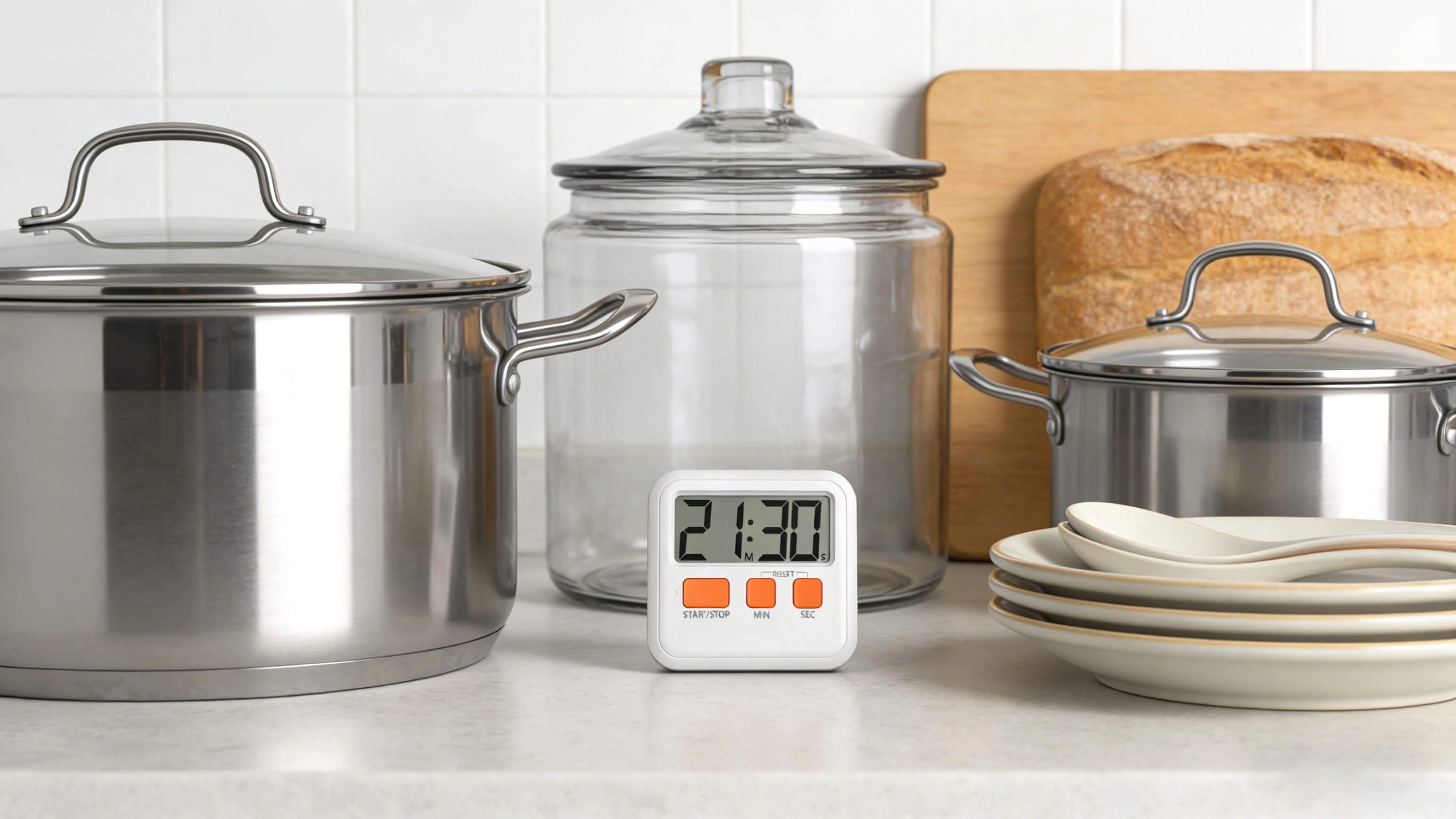
| Digital LCD | 1,000 - 2,000 | $3.00 - $6.00 | High (CE/RoHS/FCC) | Tech-focused productivity, precise interval tracking. |
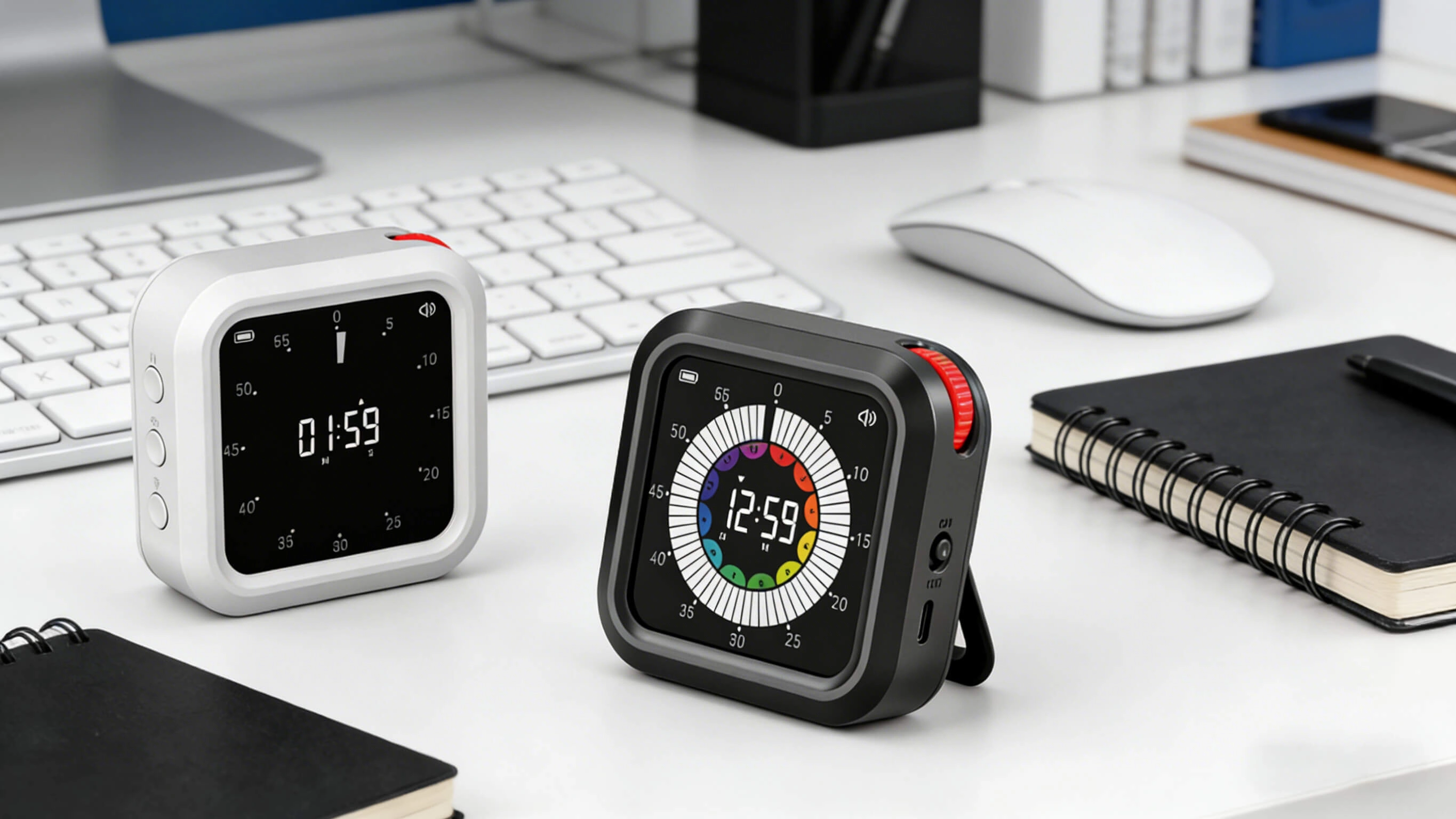
| Visual (Color Disk) | 1,000 | $4.00 - $8.00 | Medium | ADHD focus tools, students, premium aesthetic brands. |
Sourcing and Manufacturing: Navigating Factories and MOQs
Successfully sourcing electronic digital timers involves identifying specialized consumer electronics manufacturers, negotiating flexible minimum order quantities, and investing heavily in custom sample development.
- Identify Specialized Manufacturers: Look for factories specializing in consumer electronics rather than generic trading companies. This ensures you have direct control over the production line, engineering processes, and quality assurance. A direct manufacturer can troubleshoot firmware issues much faster than a middleman.
- Negotiate Minimum Order Quantities: When dealing with OEM interval timers MOQ, you can often negotiate smaller initial test batches (e.g., 500 units instead of 2,000) by offering to pay slightly higher per-unit costs for the first run. This lowers your upfront risk while testing market demand.
- Invest in Sample Development: Request "golden samples" to finalize the exact tactile feel of the buttons, the volume and tone of the alarm, and the finish of the plastic or metal casing before mass production begins. The tactile feedback of pressing a button to start a focus session is a critical user experience metric.
Navigating Electronic Compliance (CE, RoHS, FCC)
Selling digital timers legally requires strict adherence to international safety standards, including FCC testing for radio frequencies, RoHS for hazardous materials, and CE marking for European markets.
If your Pomodoro timer utilizes a battery, digital circuitry, or emits radio frequencies (like Bluetooth integrations for app tracking), it must pass rigorous testing. In the United States, FCC Part 15 regulations mandate that almost all electronic devices capable of emitting radio frequency energy must undergo testing and equipment authorization before they can be marketed. Ignoring this can lead to your products being blocked at customs or removed from platforms like Amazon.
Additionally, RoHS compliance is non-negotiable for European and North American markets, ensuring your timer is free from hazardous materials like lead and cadmium. Implementing a rigorous pre-shipment inspection (PSI) checklist focusing on battery drain tests, display clarity, and sound decibel consistency is vital to maintaining a high-quality brand reputation and minimizing return rates.
Common Mistakes When Private Labeling Timers
The most frequent private labeling errors include settling for abrasive default alarm sounds, neglecting drop-proof packaging, and severely underestimating the lead times required for custom molds.
- Ignoring Alarm Quality: Never assume a factory's default alarm sound is pleasant. Shrill or abrasive alarms are the number one cause of negative reviews for productivity timers. Customizing firmware for softer, haptic (vibration), or low-frequency alerts is essential for a premium user experience.
- Poor Packaging Choices: Failing to invest in custom, drop-proof packaging often leads to cracked LCD screens and high return rates during fulfillment. The unboxing experience is also your first physical touchpoint with the customer; a flimsy generic box instantly devalues a premium product.
- Underestimating Lead Times: If you are developing custom tooling or customized molds for a unique shape, expect to add 30 to 45 days to your initial product launch timeline. Rushing the molding process often results in visible seam lines and cheap-feeling plastics.
Industry Leading Solution: Scaling with Guangdong Youben life Furnishing Industrial Co., Ltd.
Partnering with an experienced manufacturer like Guangdong Youben life Furnishing Industrial Co., Ltd. eliminates the guesswork of overseas sourcing by providing turnkey, compliant private label solutions from a state-of-the-art facility.
Navigating the complexities of custom pomodoro timer manufacturing requires a partner with deep engineering expertise. Established in 2010, Guangdong Youben life Furnishing Industrial Co., Ltd. is a premier OEM/ODM manufacturer dedicated exclusively to digital timers, Pomodoro timers, visual countdown clocks, and thermo-hygrometers. Headquartered in Guangzhou, China, our 20,000m² vertically integrated facility provides comprehensive solutions for global brands and Amazon bestsellers.
We go beyond simple assembly. Our expertise covers the entire R&D spectrum, including ID/MD industrial design, custom IC programming, precision mold tooling, and retail-ready packaging. We understand that the perfect Pomodoro timer requires flawless execution, from the brightness of the LED display to the exact actuation force of the start button.
Committed to quality and compliance, all Youben Life products meet strict CE, FCC, and RoHS standards out of the gate. By leveraging our established relationships with top-tier electronic component suppliers and a decade of engineering experience, productivity brands can secure lower MOQs, faster speed-to-market, and unparalleled product reliability. For brands looking to scale, exploring our Custom Digital Timer Manufacturing & OEM Solutions ensures your products dominate the market while strengthening your overall brand identity.
Conclusion
Launching a private label Pomodoro timer is a highly profitable venture when you prioritize compliance, premium design, and the right manufacturing partner to help people focus better.
Building a brand in this space offers an incredibly lucrative entry point into the booming productivity and desk-accessory market. By understanding the nuances of electronic compliance, selecting the right timer mechanism, and prioritizing premium aesthetics, you can launch a highly profitable product that genuinely helps people focus in an increasingly distracted world. Navigating factory negotiations, IC programming, and quality control for electronics can be complex, but you do not have to do it alone.
Frequently Asked Questions
How much does it cost to private label a Pomodoro timer?
Initial costs typically range from $3,000 to $10,000, depending on the Minimum Order Quantity (MOQ) and whether you choose mechanical or digital mechanisms. This budget includes the cost of goods, custom packaging, sample production, and basic shipping logistics.
What is a typical minimum order quantity (MOQ) for custom timers?
For basic off-the-shelf designs with a custom logo, MOQs can be as low as 500 units. If you require custom housing colors, bespoke LCD displays, or unique alarm sounds, factories usually demand an MOQ of 1,000 to 3,000 units.
Do I need FCC certification for a digital timer?
Yes, if the timer utilizes digital circuitry, emits radio frequencies (like Bluetooth), or uses specific types of internal batteries, FCC compliance is legally required in the US. Always request testing documentation from your manufacturer before importing.
What is the difference between white label and private label electronics?
White label electronics are generic, pre-designed products where you simply apply your brand logo to the device and packaging. Private label allows for exclusive modifications to the product's design, internal components, functionality, and materials, creating a distinct product.
How long does it take to manufacture a batch of custom timers?
Standard production lead times range from 30 to 45 days after the final sample is approved. If you are creating custom tooling or molds for a completely new timer shape, add an additional 30 to 40 days to the timeline.
Can I customize the sound and LED colors on my private label timer?
Yes, reputable electronic manufacturers allow you to customize firmware to change beep frequencies, volume levels, and LED notification colors. This customization is highly recommended to create a premium, less intrusive user experience for productivity.
Are mechanical or digital Pomodoro timers more profitable?
Digital timers generally command higher retail prices and offer better perceived value, leading to higher absolute profit margins. Mechanical timers are cheaper to source and require less compliance, making them a safer, lower-risk entry point, though margins may be slimmer.
How do I verify a timer manufacturer's quality standards?
Always request their ISO 9001 certification and past compliance test reports (CE, RoHS, FCC). Hire a third-party inspection service to conduct a pre-shipment inspection (PSI) at the factory before the final balance is paid.
Contacts
Sofia
WhatsApp/Phone
All
Do you offer OEM & ODM clock services?
Yes, we provide both OEM & ODM solutions, allowing clients to customize clock design, materials, packaging, and branding.
What types of clocks can you manufacture?
We manufacture a wide range of clocks, including wall clocks, desk clocks, digital clocks, and smart clocks.
Can I customize the clock design and logo?
Absolutely. We offer customization for clock appearance, structure, materials, and logo printing to perfectly match your brand.
What is the minimum order quantity (MOQ)?
Our standard MOQ varies depending on the model, usually starting from 200–500 pieces. Custom designs may require different quantities.
How do you ensure product quality?
All clocks undergo strict quality control, including time accuracy tests, durability checks, and packaging inspections before shipment.
Interested in this article?
Let’s talk.
Need specifications, pricing, or customization options? We’ll provide everything you need.
By clicking “Submit,” you agree to share your information with our authorized team to process your request.
Your data will only be used for necessary communication and support.

Youben life
Youben life