
Visual Timer Manufacturer Supplier Evaluation Checklist for Professional Procurement Teams
- How to Structure a Professional Supplier Qualification Process
- Define the application before requesting quotations
- Separate mandatory criteria from scoring criteria
- Use a weighted evidence-based scorecard
- Technical and Quality Checklist for Countdown and Measurement Devices
- Verify timing, interface, and power performance
- Assess materials, durability, and production consistency
- Review quality systems and applicable standards
- Commercial, Customization, and Supply-Chain Due Diligence
- Evaluate engineering and private-label capability
- Calculate total landed cost and operational risk
- Confirm continuity planning and logistics readiness
- How Our Product Portfolio Supports Broader Procurement Programs
- One supplier relationship for complementary device categories
- Engineering discipline from specification through production
- Commercial value for distributors and project owners
- Frequently Asked Questions
Choosing a visual timer manufacturer requires more than comparing unit prices or reviewing a product photograph. Professional procurement teams should assess timing performance, display readability, power design, materials, regulatory documentation, manufacturing controls, customization capability, production capacity, packaging, logistics, and post-sale support as one connected supplier qualification process. A reliable partner should provide traceable quality evidence, clear technical specifications, stable component sourcing, realistic lead times, and commercially useful options for digital timers, pomodoro timers, thermo hygrometers, and temperature humidity monitors. The most effective evaluation method is a weighted checklist that separates mandatory compliance requirements from differentiating features and calculates total ownership risk rather than focusing only on the quoted factory price.
How to Structure a Professional Supplier Qualification Process
Define the application before requesting quotations
The intended use case determines nearly every important product requirement. A classroom timer may prioritize large numerals, silent operation, a strong magnetic or desktop mounting option, and simple controls. A productivity-focused countdown device may require a clear visual progress indicator, preset work-and-break cycles, memory functions, and low-distraction alerts. A healthcare, laboratory, food-service, or facility-management application may place greater emphasis on environmental measurement, calibration documentation, cleanable surfaces, and battery reliability.
Procurement documents should identify the operating environment, user age group, expected daily cycles, target service life, display distance, ambient light conditions, temperature range, humidity exposure, mounting method, alarm requirements, packaging needs, and sales channel. Suppliers that receive a precise product requirement specification can quote comparable configurations. Without this information, buyers may compare different battery types, display sizes, materials, firmware functions, and test standards as though they were equivalent.
Separate mandatory criteria from scoring criteria
A practical scorecard should classify requirements into three levels. Critical criteria include legal market access, electrical and battery safety, agreed timing behavior, acceptable sample performance, and the supplier’s ability to meet the required order quantity. Weighted criteria can include display contrast, enclosure design, user-interface simplicity, tooling flexibility, packaging quality, and documentation speed. Commercial preferences may include payment terms, warranty period, spare-part policy, and consolidated shipment capability.
This structure prevents an attractive industrial design from compensating for missing compliance records or inconsistent production. It also enables cross-functional review: engineering can evaluate function and reliability, quality teams can review inspection evidence, marketing can assess packaging and differentiation, and finance can model landed cost and working capital exposure.
Use a weighted evidence-based scorecard
Each supplier response should be supported by documents or verifiable samples. A useful scoring approach assigns a percentage to product engineering, quality and compliance, manufacturing capacity, customization, commercial terms, logistics, and service. A supplier that receives a high score for sales responsiveness but cannot demonstrate process controls should not pass the same way as a supplier with complete technical evidence.
Evidence should be dated and configuration-specific. A generic certificate may not apply to the proposed model, battery configuration, adapter, or packaging. Buyers should request the exact model number, bill of materials version, test report scope, factory address, certificate holder, and validity period. This practice reduces the risk of approving one sample while receiving a materially different mass-production version.
Technical and Quality Checklist for Countdown and Measurement Devices
Verify timing, interface, and power performance
Timing products should be evaluated through repeatable tests rather than visual inspection alone. Procurement teams can compare countdown duration, start-and-stop response, reset behavior, pause function, end-of-cycle alert, memory retention, and behavior after battery replacement. Where a product uses a rotating dial, touch control, membrane button, or electronic keypad, the acceptance criteria should define operating force, control sensitivity, accidental-input resistance, and expected cycle life.
Display assessment should cover digit height, viewing angle, contrast, refresh behavior, glare, backlight uniformity, and readability at the intended distance. A visual progress indicator must communicate remaining time quickly without creating ambiguity. Buyers should also confirm whether the alarm can be muted, whether the sound level is adjustable, and whether silent or vibration modes are available for classrooms, offices, clinics, and shared workspaces.
Power design affects user satisfaction and after-sales cost. Confirm battery chemistry, nominal capacity assumptions, battery compartment security, low-power behavior, automatic shutoff, charging interface, standby consumption, and whether the product can operate while charging. For products containing lithium batteries, the supplier should explain the cell source, protection design, transport documentation, and applicable testing. For replaceable batteries, the design should avoid loose covers, polarity confusion, and difficult access.
Assess materials, durability, and production consistency
The enclosure should be reviewed for impact resistance, dimensional stability, surface finish, button durability, hinge or stand strength, and resistance to common cleaning agents when the application requires frequent sanitation. Material declarations are especially important for products sold in regulated markets or through institutional procurement. Buyers should request the material type for the enclosure, lens, buttons, magnets, feet, cable, and packaging inserts.
Sample approval should include cosmetic limits and functional tolerances. Define acceptable limits for scratches, sink marks, color deviation, logo position, display defects, loose parts, uneven gaps, and label adhesion. The golden sample should be securely controlled with photographs, revision information, signed approval records, and measurable specifications. During mass production, first-article approval and pre-shipment inspection should verify that the delivered product remains aligned with that reference.
Review quality systems and applicable standards
A supplier’s quality management system should show how incoming materials, assembly processes, software or firmware changes, calibration activities, nonconforming products, corrective actions, and final inspections are controlled. Certification to ISO 9001 quality management principles can provide useful evidence of a structured system, although certification does not replace product-specific testing or buyer audits.
For electronic products, the technical file should identify the standards and market requirements used for the proposed configuration. Depending on the destination and product architecture, buyers may need evidence related to electrical safety, electromagnetic compatibility, radio functions, battery transport, chemical restrictions, or energy efficiency. The IEC 62368-1 standard is a recognized framework for safety of audio, video, information, and communication technology equipment, but its applicability must be confirmed for the specific product. For European-market materials, the EU RoHS Directive establishes restrictions on certain hazardous substances in electrical and electronic equipment.
| Evaluation area | Evidence to request | Procurement decision question |
|---|---|---|
| Quality management | Certificate scope, audit records, corrective-action examples | Can the supplier control repeatability beyond the approved sample? |
| Product safety | Applicable test reports, declarations, battery documents | Does the evidence cover the exact model and configuration? |
| Timing function | Functional test plan, tolerance criteria, inspection results | Are countdown, alarm, reset, and power-loss behaviors defined? |
| Materials and chemicals | Bill of materials, supplier declarations, restricted-substance evidence | Can the product enter the target market without documentation gaps? |
| Production capacity | Monthly capacity, equipment list, staffing, capacity reservation | Can the factory support launch volumes and peak-season demand? |
| After-sales support | Warranty terms, failure analysis process, replacement policy | How quickly will recurring defects be contained and corrected? |
Commercial, Customization, and Supply-Chain Due Diligence
Evaluate engineering and private-label capability
Customization should be assessed as an engineering process, not as a promise to print a logo. Ask whether the supplier can modify enclosure geometry, display layout, firmware behavior, alarm patterns, button labeling, color, packaging, user manuals, and accessory configuration. Clarify ownership and control of tooling, industrial-design files, firmware source or revision records, molds, test fixtures, and customized artwork.
A capable product-development team should provide a documented path from concept review to engineering sample, design validation, pilot run, production approval, and change control. Every modification should have a revision identifier and impact assessment. Firmware changes can alter battery life, alarm behavior, timing logic, or language display even when the enclosure remains unchanged, so software version control should be part of the approval process.
Calculate total landed cost and operational risk
The lowest ex-factory quote may not produce the lowest total cost. The financial model should include tooling, sampling, testing, packaging development, inspection, freight, duties, platform fees, warranty replacements, battery disposal, inventory carrying cost, and potential relabeling. Minimum order quantity and forecast flexibility also matter. A supplier with a slightly higher unit price may reduce risk through shorter replenishment cycles, lower defect rates, stronger packaging, and better spare-part availability.
Payment terms should be evaluated alongside production milestones and inspection rights. Buyers should define what happens when a shipment fails inspection, when corrective production is required, or when a delayed component affects the confirmed ship date. A written escalation process is particularly important for seasonal promotions, school-year launches, retail resets, and contract supply programs.
Confirm continuity planning and logistics readiness
Supply-chain due diligence should cover critical component availability, approved alternate parts, supplier concentration, mold maintenance, backup production arrangements, export experience, carton optimization, labeling, and shipping documentation. The supplier should disclose which components have long lead times and which substitutions require buyer approval.
Packaging testing should reflect the actual distribution route. Carton dimensions, drop protection, inner separation, moisture protection, barcode quality, pallet configuration, and shipping marks influence both damage rates and warehouse efficiency. For international shipments, the procurement team should verify commercial invoices, packing lists, country-of-origin information, battery declarations where applicable, and any destination-specific labeling.
How Our Product Portfolio Supports Broader Procurement Programs
One supplier relationship for complementary device categories
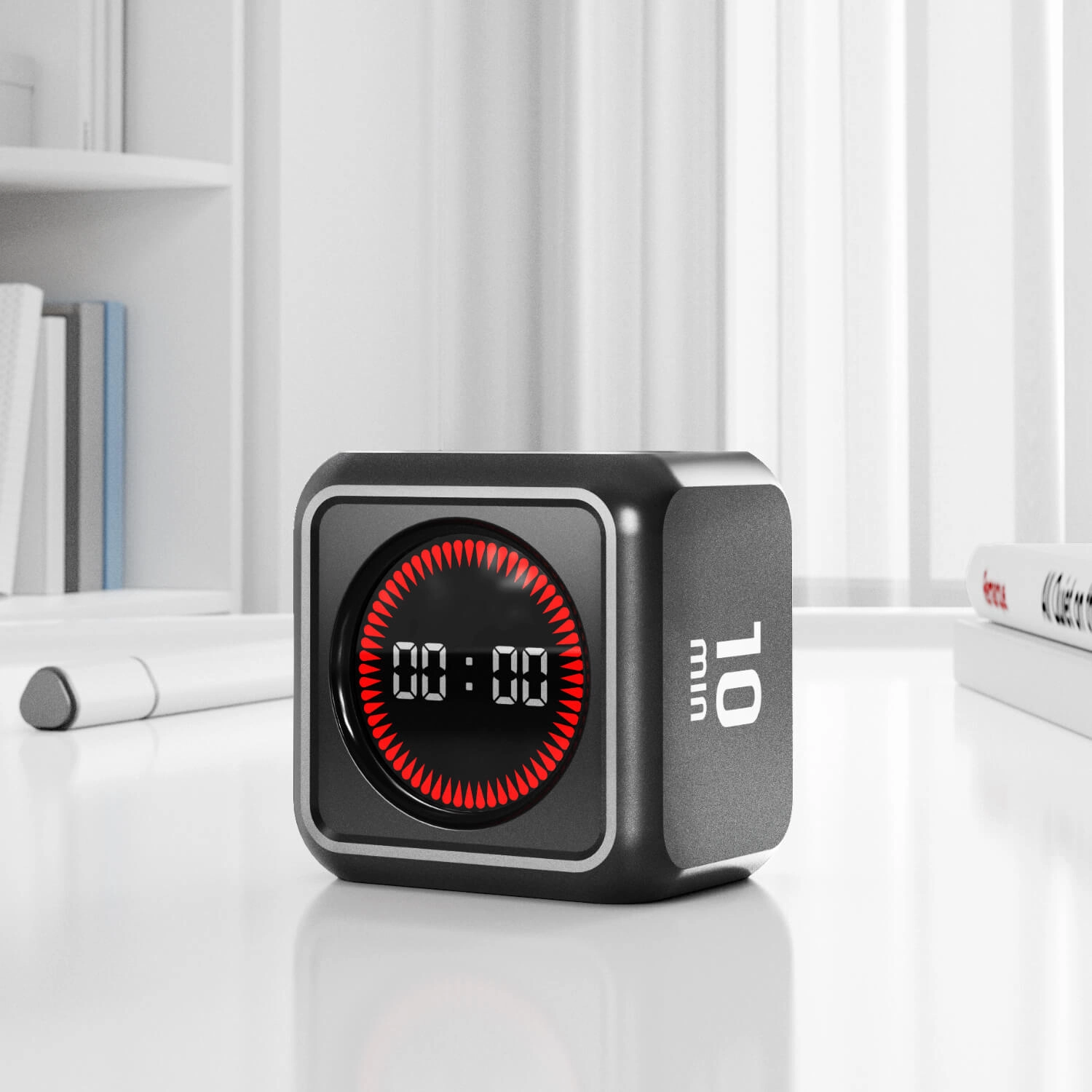
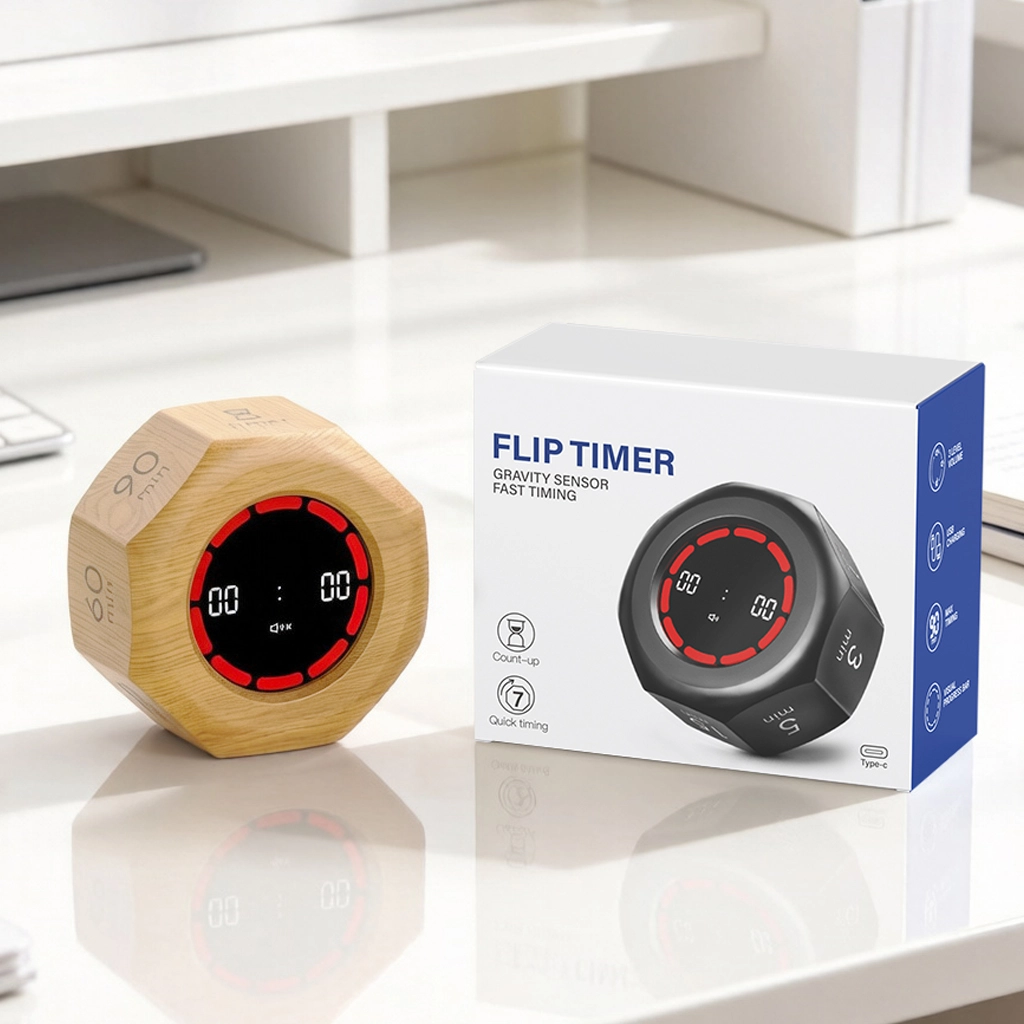
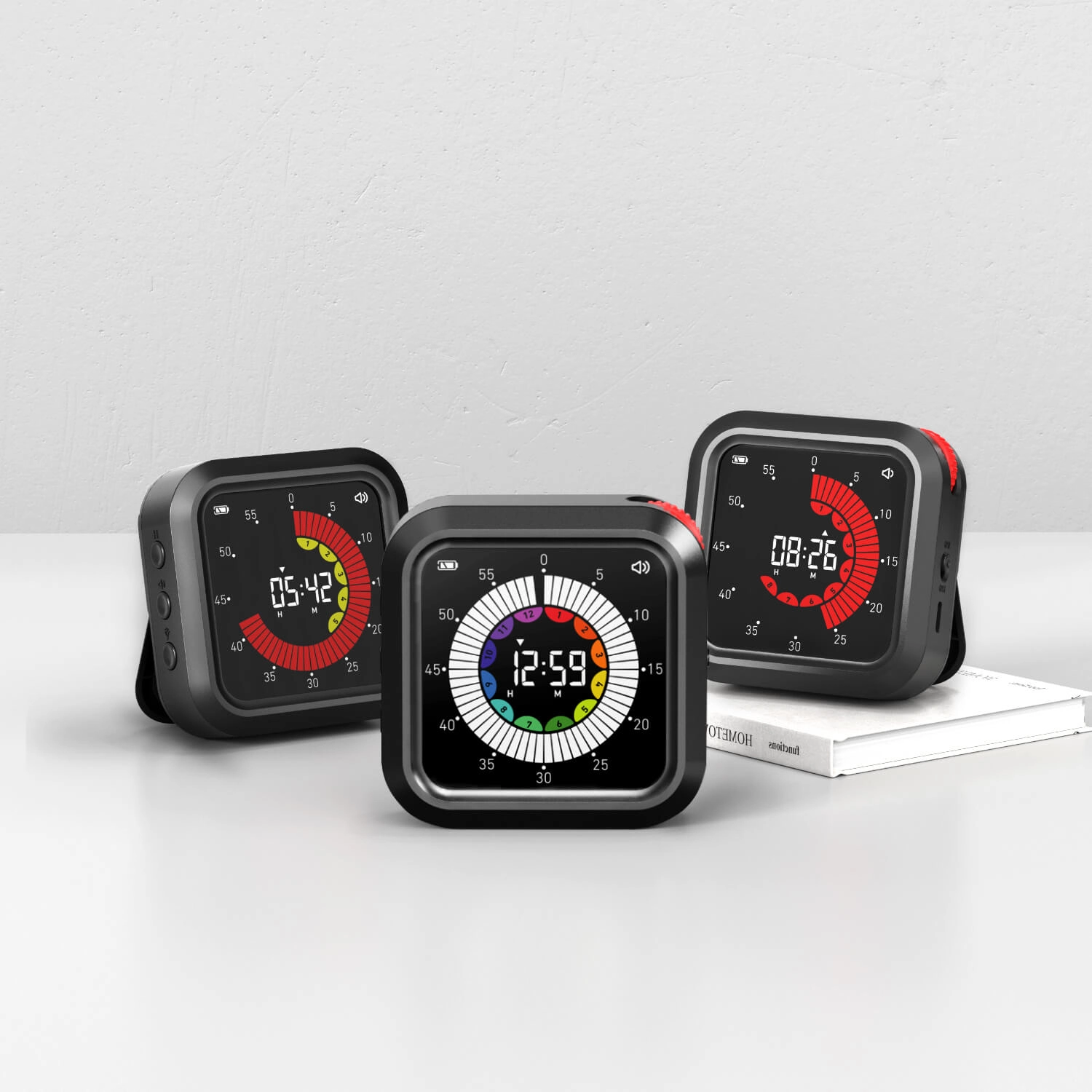
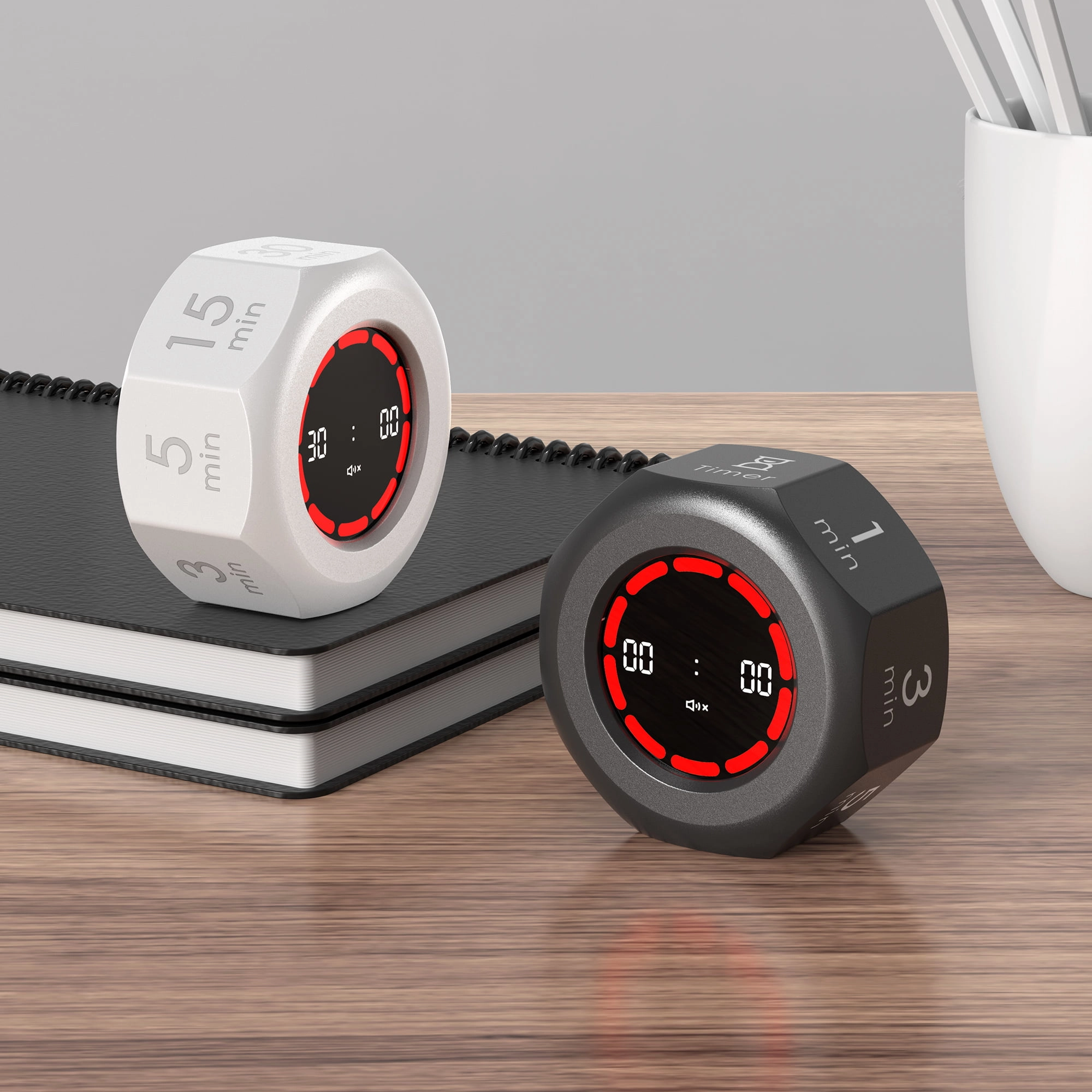
Our team approaches product development as a portfolio exercise rather than a single-SKU transaction. Alongside countdown products, our portfolio includes digital timer solutions and pomodoro timer formats for productivity, education, training, and workplace organization. This broader category coverage can help buyers consolidate supplier management, align industrial design language across related products, and coordinate packaging, manuals, and launch schedules.
For projects that require environmental awareness, our thermo hygrometer and temperature humidity monitor products extend the portfolio into room-comfort, storage, facility, household, and light commercial applications. Combining time-management devices with temperature and humidity measurement products can support distributors building a cohesive desktop, classroom, home-office, wellness, or facility-monitoring range.
Engineering discipline from specification through production
Our manufacturing process is organized around requirement confirmation, sample review, production communication, inspection coordination, and shipment readiness. The practical benefit for procurement teams is greater visibility at the points where cost and quality are most easily lost: unclear specifications, uncontrolled revisions, incomplete packaging instructions, and late discovery of functional defects.
Our team can work with buyers on product configuration, display and control requirements, branding elements, packaging structure, and market-specific documentation. The exact solution should be selected according to the destination market, user environment, forecast volume, and required certification scope rather than using a one-size-fits-all configuration.
Commercial value for distributors and project owners
For distributors, product differentiation depends on dependable availability, consistent appearance, clear technical information, and low return rates. For institutional buyers, usability, documentation, serviceability, and predictable replenishment may be more important than decorative features. Our product range is positioned to support both requirements through configurable digital products and related measurement instruments.
Before final approval, buyers should request the relevant specification sheet, sample, quotation, lead-time schedule, packaging proposal, warranty terms, and compliance documentation for the exact model. A structured review with our team allows project owners to identify gaps early, align commercial expectations, and establish an acceptance plan before mass production begins.
Professional procurement teams can reduce launch risk by treating supplier selection as a documented technical and commercial audit: define the application, verify product evidence, inspect manufacturing controls, calculate total landed cost, and approve only a configuration that can be reproduced at scale.
Frequently Asked Questions
What should procurement teams evaluate first when selecting a visual timer supplier?
Teams should first define the application, operating environment, user requirements, target market, quantity, and mandatory compliance needs. This allows suppliers to quote comparable configurations and prevents price comparisons between materially different products.
How can buyers verify that a timer supplier can deliver consistent quality?
Buyers should review the supplier’s quality management system, exact-model test reports, incoming-material controls, inspection plans, corrective-action process, golden-sample controls, and first-article or pre-shipment inspection records.
Which technical features should be tested before approving a countdown device?
Testing should cover countdown duration, start and stop response, reset and pause behavior, end-of-cycle alerts, memory retention, battery replacement behavior, display readability, viewing angle, alarm controls, and power consumption.
Does ISO 9001 certification guarantee product quality?
No. ISO 9001 certification can indicate a structured quality management system, but it does not replace product-specific testing, configuration-specific compliance evidence, sample approval, or production inspection.
What customization services should a professional supplier provide?
A capable supplier should be able to discuss enclosure design, display layout, firmware behavior, alarm patterns, labeling, color, packaging, manuals, accessories, tooling ownership, revision control, and the process from engineering sample through pilot and mass production.
How should buyers calculate the real cost of a timer program?
The calculation should include the quoted unit price plus tooling, sampling, testing, packaging, freight, duties, inspection, warranty replacements, inventory carrying cost, battery-related requirements, and possible relabeling or rework expenses.
Can one supplier support both timing products and environmental measurement devices?
Yes, a portfolio supplier may support digital timers, pomodoro timers, thermo hygrometers, and temperature humidity monitors, helping buyers consolidate supplier management, coordinate product design, and align packaging and launch schedules.
Sourcing Reliable Electronic Kitchen Timer Suppliers in China
Top 10 compact digital hygrometer thermometer for travel manufacturers and suppliers
Best Digital Alarm Clocks 2026: Top Models for Every Budget
Comparing Electronic Kitchen Timer Manufacturers & Suppliers
Interested in this article?
Let’s talk.
Need specifications, pricing, or customization options? We’ll provide everything you need.

Youben life
Youben life