
Top-Rated Indoor Thermometers with Humidity Display
- How to Evaluate a Digital Indoor Temperature and Humidity Monitor
- Accuracy, resolution, and measurement stability
- Display usability and installation requirements
- Sensor architecture, power, and operating environment
- Procurement Criteria for Top-Rated Room Climate Displays
- Matching specifications to the application
- Compliance, testing, and documentation
- Commercial benchmarks and decision trade-offs
- Why Supplier Capability Matters in Private-Label Climate Monitoring
- From product sourcing to engineered differentiation
- Youben life’s integrated OEM and ODM strengths
- A broader product platform for brand portfolios
- Implementation Checklist for Buyers and Project Owners
- Questions to resolve before sampling
- How to reduce launch and after-sales risk
- Frequently Asked Questions
Top-rated indoor thermometers with humidity displays give facility operators a practical way to observe temperature and relative humidity in rooms, storage areas, offices, classrooms, hospitality spaces, and residential environments. A dependable indoor room thermometer should do more than show two numbers: it should provide stable readings, clear visibility, appropriate measurement ranges, dependable battery performance, and a design suitable for the intended installation environment. For B2B buyers, product selection also depends on sensor quality, calibration controls, compliance documentation, packaging, forecast volumes, and the supplier’s ability to support customization. This guide explains how to evaluate a temperature humidity monitor, compare product architectures, reduce procurement risk, and select an OEM or ODM partner for scalable market deployment.
How to Evaluate a Digital Indoor Temperature and Humidity Monitor
Accuracy, resolution, and measurement stability
Accuracy and resolution are related but different specifications. Resolution describes the smallest displayed increment, such as 0.1°C or 1% relative humidity, while accuracy indicates how close the reading is to a reference value. A display with fine increments is not automatically accurate. Buyers should request the rated accuracy across the operating range, not only at a single laboratory condition, and should confirm whether the stated tolerance applies to the sensor, the complete device, or the finished production lot.
Humidity performance deserves particular attention because relative humidity changes with air temperature. A sensor may show acceptable results in a moderate indoor environment but drift more noticeably near the edges of its specified range. Procurement teams should review response time, hysteresis, long-term stability, condensation limitations, and recommended calibration intervals. The National Institute of Standards and Technology temperature guidance provides useful reference context for measurement terminology and traceability. Where a product is intended for sensitive storage or professional monitoring, supplier test reports and incoming quality procedures should be evaluated before approval.
Display usability and installation requirements
Large numerals, strong contrast, logical grouping of temperature and humidity values, and clear unit indicators improve reading speed and reduce interpretation errors. A buyer serving older users or commercial staff may prioritize oversized digits, while a distributor targeting compact apartments may prefer a small footprint and minimalist enclosure. Placement options can include a tabletop stand, wall mounting, magnetic attachment, or a combination of these methods.
Screen technology also affects perceived quality. LCD displays can support low-power operation, while segmented layouts are often easier to read from a distance. Backlighting, if included, should be assessed for energy consumption, button accessibility, and nighttime usability. Product designers should avoid crowded icons and unclear comfort indicators that create confusion across different markets. Packaging must explain Celsius and Fahrenheit conversion, battery replacement, placement distance from vents, and the limitations of indoor readings.
Sensor architecture, power, and operating environment
Digital thermo-hygrometers commonly use integrated temperature and humidity sensing components connected to a microcontroller and display driver. The selected component should match the required accuracy, response time, supply voltage, and target cost. A stable firmware design is equally important because incorrect averaging, refresh logic, or unit conversion can undermine otherwise capable hardware.
Battery life is a commercial issue as well as a technical one. Retail buyers expect low maintenance, while facility operators may need continuous monitoring over long periods. The design review should cover standby current, display refresh behavior, battery chemistry, low-battery indication, and protection against reverse insertion. For products used near kitchens, bathrooms, greenhouses, or cold storage transitions, the manufacturer should clearly state whether condensation exposure is allowed. ISO 9001 quality management principles are relevant when assessing whether a supplier controls design changes, production inspection, corrective actions, and documented process consistency.
Procurement Criteria for Top-Rated Room Climate Displays
Matching specifications to the application
There is no universal best monitor for every project. A school may require a robust wall-mounted unit with a simple interface, whereas an Amazon brand may prioritize compact packaging, visual differentiation, and a strong perceived value at a defined retail price. A hotel operator may favor a discreet design that complements guest-room furniture. A distributor serving laboratories or archives may instead require tighter tolerances, documented calibration, and a more conservative operating range.
Before requesting quotations, project owners should create a specification sheet covering temperature range, humidity range, accuracy, display resolution, refresh interval, dimensions, mounting method, power source, battery inclusion, operating temperature, materials, logo treatment, carton quantity, warranty terms, and compliance documentation. This prevents suppliers from quoting products that appear similar but use different sensor grades or testing standards.
Compliance, testing, and documentation
Electrical and electronic products sold internationally may require market-specific declarations and test evidence. Depending on the destination and product construction, buyers may review CE-related documentation, FCC requirements for applicable electronic devices, RoHS material restrictions, battery transport information, and packaging or recycling obligations. The European Commission RoHS Directive information explains restrictions on hazardous substances in electrical and electronic equipment. The FCC equipment authorization guidance is a useful reference for understanding U.S. authorization pathways where applicable.
Compliance claims should be connected to the actual model, hardware revision, factory, and destination market. Buyers should request test reports, declarations, material statements, label artwork, user manuals, and production inspection records rather than relying only on generic supplier statements. A robust quality plan normally includes component approval, first-article inspection, aging or functional checks, display inspection, sensor verification, drop or packaging evaluation where appropriate, and final random inspection against agreed acceptance criteria.
Commercial benchmarks and decision trade-offs
| Evaluation area | Entry-level retail unit | Professional or High Quality unit | B2B procurement implication |
|---|---|---|---|
| Temperature display | Usually 1°C resolution | Often 0.1°C resolution | Resolution should not be confused with accuracy; specify both. |
| Relative humidity display | Commonly 1% RH resolution | May include tighter stated accuracy and stability | Request the accuracy range and test conditions. |
| Installation | Tabletop stand or basic wall support | Multiple mounting options or improved enclosure design | Choose according to channel, room layout, and user behavior. |
| Power system | Replaceable coin or AAA batteries | Optimized low-power electronics or additional power options | Review battery life, replacement access, and logistics. |
| Customization | Printed logo or standard packaging | Custom ID, mold, firmware, display, and retail packaging | Higher development investment can support stronger differentiation. |
| Quality evidence | Basic functional inspection | Documented incoming, in-process, and final controls | Evidence reduces warranty, returns, and compliance risk. |
The table provides a practical framework rather than a claim that one category is always superior. The correct choice depends on the sales channel, target price, expected return rate, required service life, and risk tolerance. Buyers should also examine total landed cost, including tooling, certification, packaging, freight, tariffs, spare parts, warranty handling, and inventory exposure. A low unit quotation can become expensive if sensor drift, unclear manuals, or weak packaging generates customer complaints.
Why Supplier Capability Matters in Private-Label Climate Monitoring
From product sourcing to engineered differentiation
For brand owners and distributors, an off-the-shelf unit may be sufficient for a short test, but long-term market development often requires a controlled product platform. Industrial design can improve shelf visibility and user ergonomics; mechanical engineering can strengthen the stand and battery door; firmware development can refine unit switching and comfort indicators; and custom tooling can create a recognizable enclosure. These improvements are especially valuable in crowded online categories where product images, reviews, and perceived reliability influence conversion.
A capable OEM or ODM manufacturer should be able to manage requirements from concept through mass production. The development process should include feasibility review, engineering validation, design verification, pilot production, packaging approval, and production ramp-up. Clear ownership of drawings, tooling, firmware versions, test fixtures, and approved samples helps protect the buyer’s investment and reduces variation between purchase orders.
Youben life’s integrated OEM and ODM strengths
Youben life was established in 2010 and focuses on Digital Timers, Pomodoro timers, Visual Countdown Clocks, temperature and humidity monitors, and thermo-hygrometers. Our Guangzhou, China operation includes a 20,000m² vertically integrated facility designed to support turnkey private-label programs for global brands, distributors, and Amazon sellers.
Our capability extends beyond simple assembly. Our engineering team supports ID and MD industrial design, custom IC programming, precision mold tooling, electronics integration, firmware coordination, and retail-ready packaging. This integrated structure gives project owners a clearer path from an initial concept to a validated production model. It also helps coordinate aesthetic requirements with practical considerations such as display readability, assembly efficiency, sensor placement, battery access, packaging protection, and target cost.
A broader product platform for brand portfolios
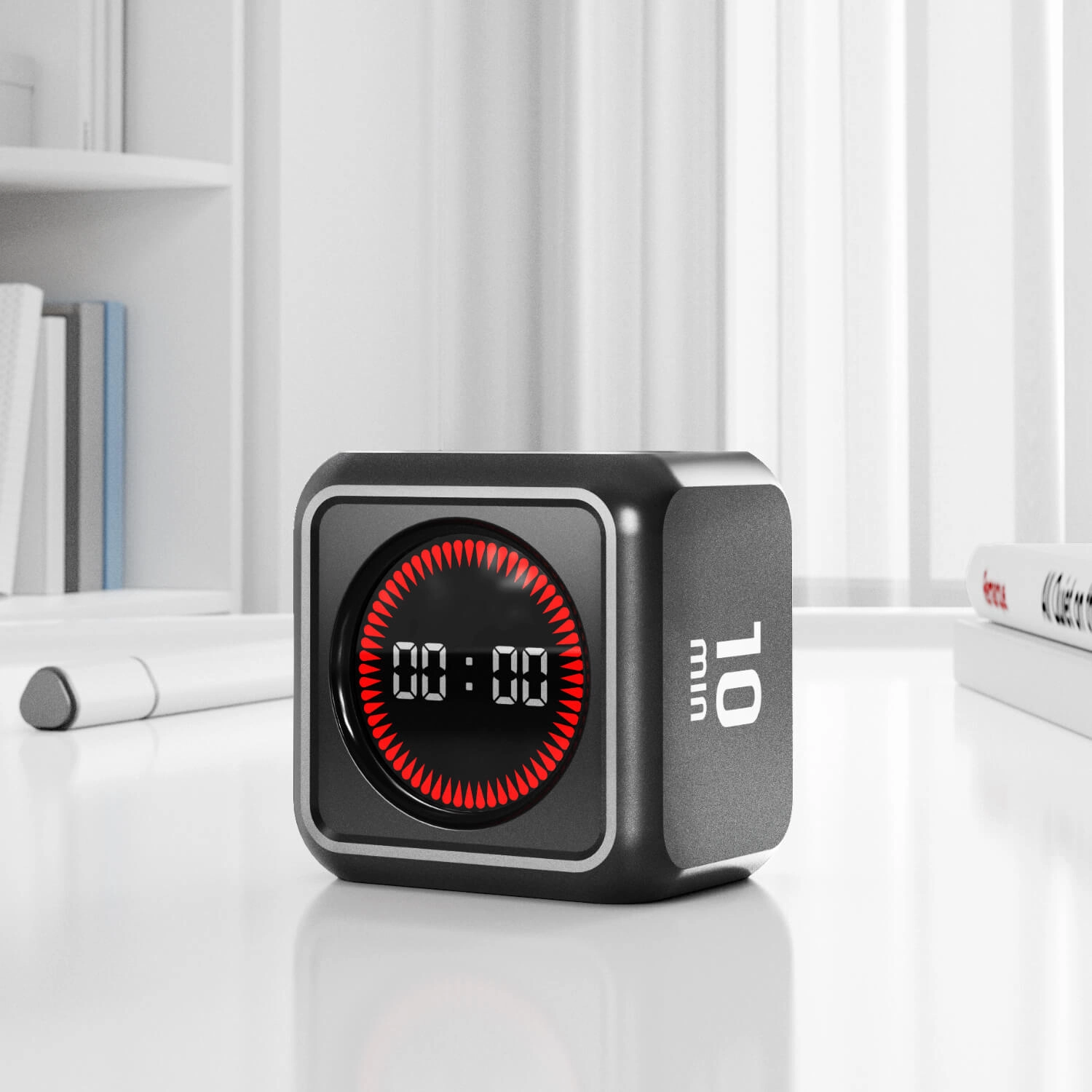
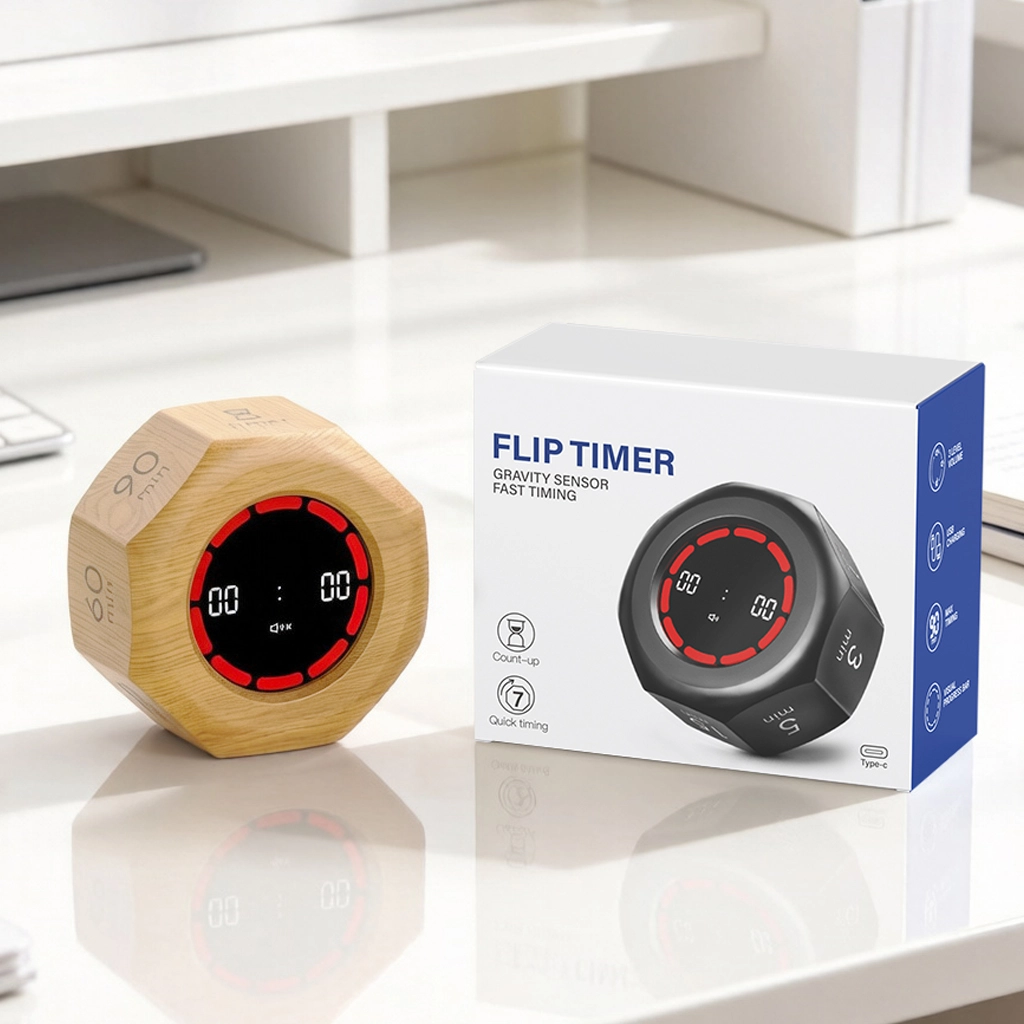
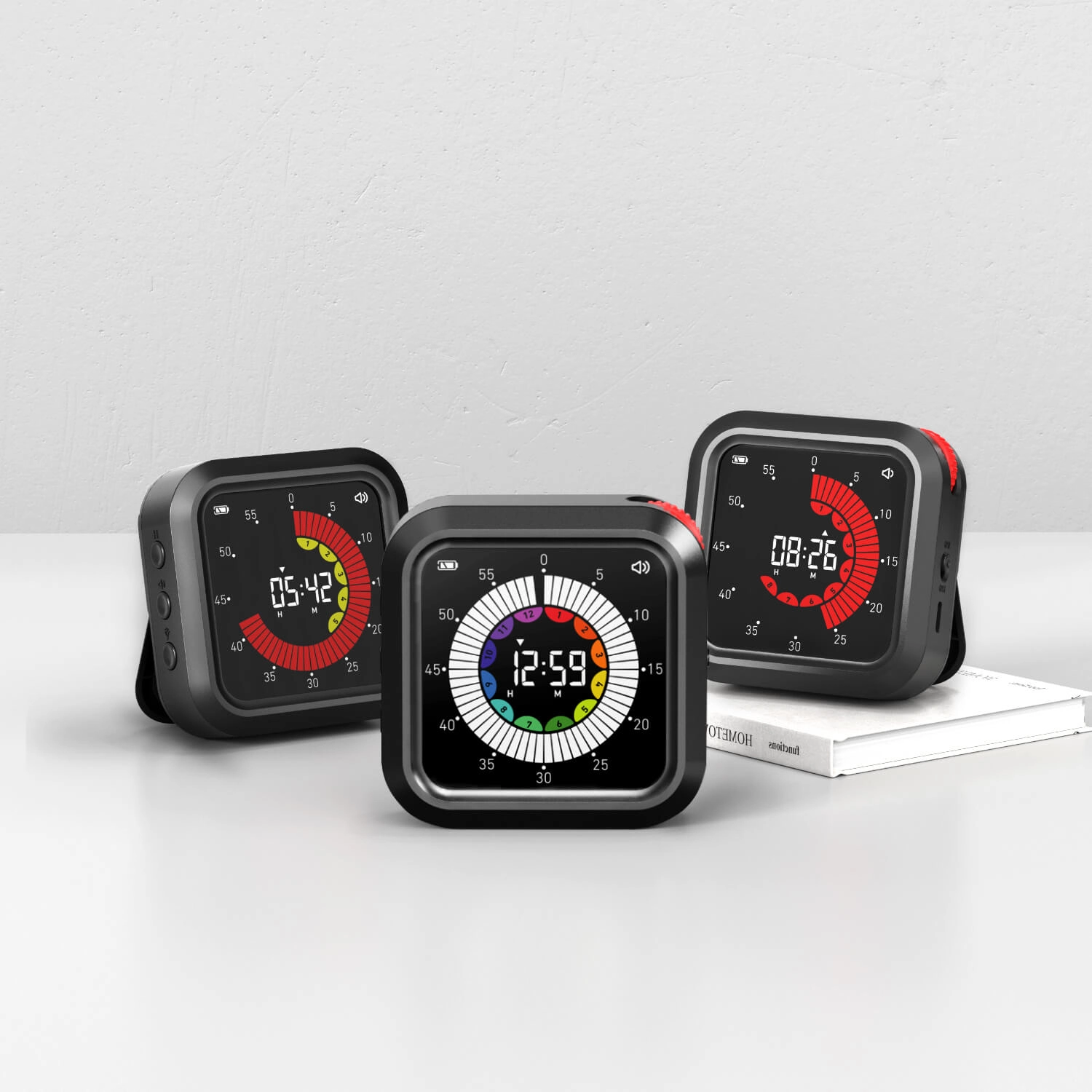
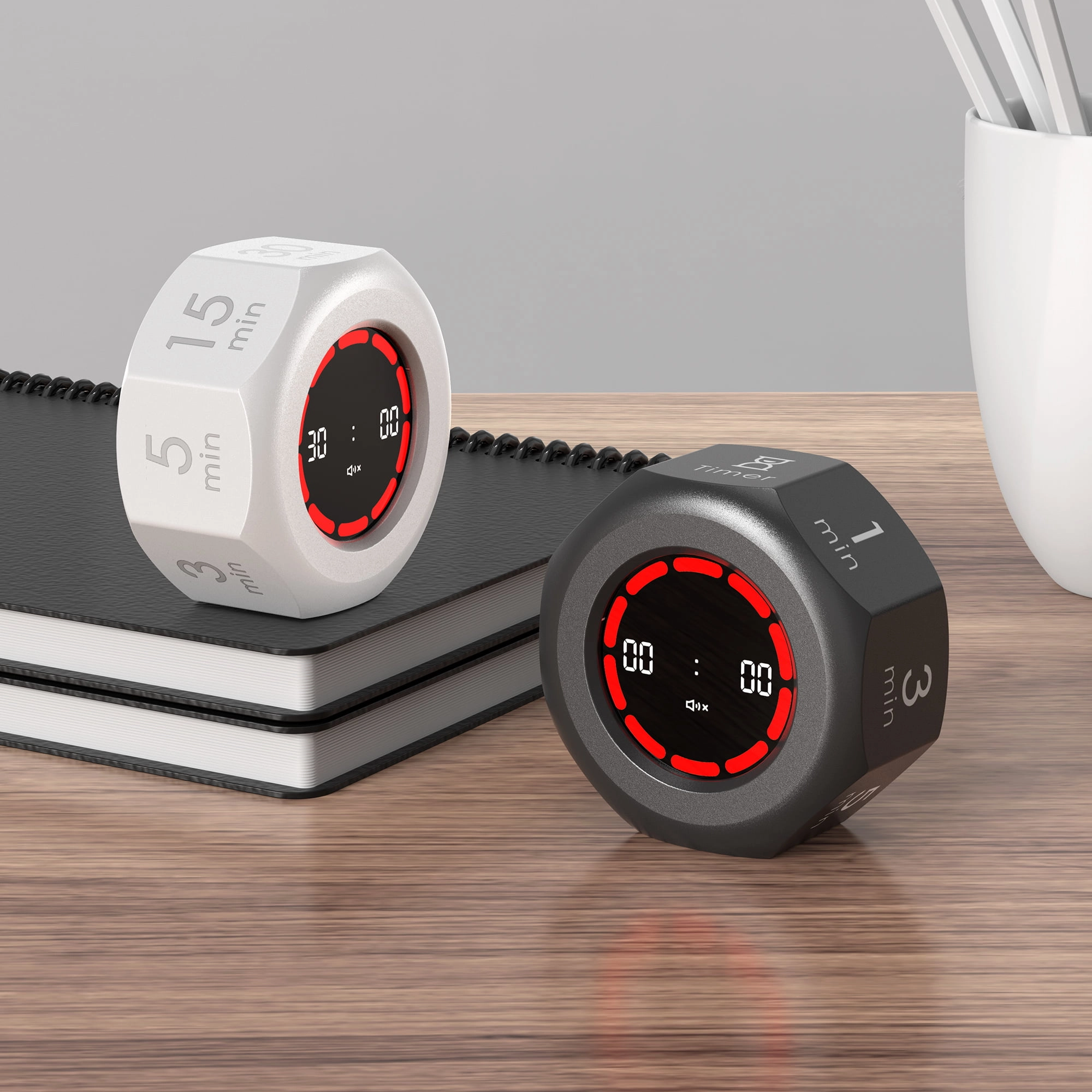
Our product range allows buyers to develop complementary time-management and environmental-monitoring products under one brand system. A thermo hygrometer or temperature humidity monitor can serve home, office, nursery, hospitality, and storage applications, while a Digital Timer, pomodoro timer, or Visual Countdown Clock can address productivity, education, food preparation, exercise, and workplace scheduling. Coordinating these categories can create consistent packaging language, shared channel strategy, and stronger retail recognition.
Quality and compliance are central to our manufacturing process. Youben life products are developed to meet strict CE, FCC, and RoHS requirements, subject to the applicable model and market requirements. Our scalable manufacturing capacity supports both development-stage programs and larger recurring orders. Buyers should still define the destination markets, required documentation, inspection criteria, and approved specifications during project kickoff so that compliance expectations remain aligned with the final product.
Implementation Checklist for Buyers and Project Owners
Questions to resolve before sampling
Before approving a sample, the procurement team should confirm the target user, installation location, display viewing distance, preferred measurement units, sensor accuracy, battery configuration, housing material, logo method, carton requirements, and expected annual volume. It is also useful to identify whether the product will be sold as a standalone monitor or bundled with other home, office, education, or productivity products.
Sampling should compare more than appearance. Buyers should verify readings against a known reference, check button response, inspect the display under different lighting, test the stand and wall mount, replace the battery, review the manual, and examine packaging protection. If the product includes comfort-level icons, those icons should be treated as a communication aid rather than a substitute for the numerical readings. The supplier should document any change between the approved sample and mass-production version.
How to reduce launch and after-sales risk
Retail launch risk can be reduced through a controlled bill of materials, golden samples, inspection checklists, firmware version control, and pre-shipment audits. For online sales, product content should accurately explain the intended indoor use, expected tolerance, placement recommendations, battery requirements, and limitations around condensation or extreme environments. Accurate claims support customer trust and help protect the brand from avoidable returns.
Facility and commercial buyers should establish a replacement and support policy before shipment. Spare units, battery guidance, troubleshooting instructions, and a defined warranty process can improve operator continuity. Where multiple sites are involved, a short user guide and consistent model numbering make deployment easier. These operational details often have a greater effect on lifetime value than a small difference in initial unit price.
To discuss a customized thermo hygrometer, temperature humidity monitor, Digital Timer, or pomodoro timer program, contact Youben life at info@youbenlife.com or visit Youben life.
Frequently Asked Questions
What accuracy should buyers expect from an indoor temperature and humidity monitor?
Buyers should request the rated temperature and relative humidity accuracy across the intended operating range and confirm the test conditions. Display resolution, such as 0.1°C or 1% RH, does not by itself prove measurement accuracy.
What information should be included in an OEM thermo-hygrometer specification sheet?
A specification sheet should cover temperature and humidity ranges, accuracy, display resolution, refresh interval, dimensions, mounting method, power source, battery details, operating conditions, materials, logo treatment, packaging, warranty, and compliance documentation.
Why are CE, FCC, and RoHS documents important for private-label buyers?
These documents help buyers assess market access and product responsibility for applicable destinations. Documentation should correspond to the actual model, hardware revision, factory, and target market rather than relying on generic claims.
How can buyers verify the quality of a humidity display product before mass production?
Buyers should compare samples with a known reference, inspect the display and controls, test mounting and battery access, review the manual, examine packaging, and confirm that the approved sample matches the bill of materials and production specification.
Can a manufacturer customize the design and packaging of a temperature humidity monitor?
A capable OEM or ODM partner may support industrial design, mechanical development, custom tooling, firmware coordination, logo treatment, display configuration, and retail-ready packaging. The scope should be agreed during feasibility and engineering review.
What other products can be developed alongside a thermo hygrometer?
Complementary products can include Digital Timers, Pomodoro timers, Visual Countdown Clocks, and other productivity or environmental-monitoring devices, allowing a brand to build a coordinated product portfolio.
How to Build a Long-Term Partnership With a Reliable Visual Timer Manufacturer
Visual Timer Manufacturer Technologies: LED, LCD, Mechanical, and App-Enabled Options Compared
Case Studies: Successful Brands Using Private Label Timers
Custom Pomodoro Timer Manufacturer vs OEM Partner: Which Fits?
Interested in this article?
Let’s talk.
Need specifications, pricing, or customization options? We’ll provide everything you need.

Youben life
Youben life