
How to Select a Visual Timer Manufacturer for Private Label and Branded Product Programs
- How to Assess Suppliers for Visual Time-Management Products
- Define the use case before requesting quotations
- Evaluate product architecture and usability
- Compare Customization, Quality, and Compliance Readiness
- Separate branding options from engineering changes
- Check quality systems and market-specific obligations
- Validate Capacity, Commercial Terms, and Long-Term Supply
- Test whether the supplier can support the program lifecycle
- Make total program cost visible
- Build a Branded Product Program Around Clear Specifications
- Connect adjacent product categories to the same customer need
- Use a disciplined qualification process with our team
- Frequently Asked Questions
Selecting a visual timer manufacturer for a private label or branded product program requires more than comparing unit prices. Buyers should assess timer readability, operating modes, component quality, customization limits, compliance documentation, production controls, and the supplier’s ability to manage repeat orders. A structured review helps distributors, retailers, education suppliers, and workplace-product brands reduce specification gaps, avoid costly packaging or labeling revisions, and choose a production partner suited to the program’s volume and market requirements.
How to Assess Suppliers for Visual Time-Management Products
Define the use case before requesting quotations
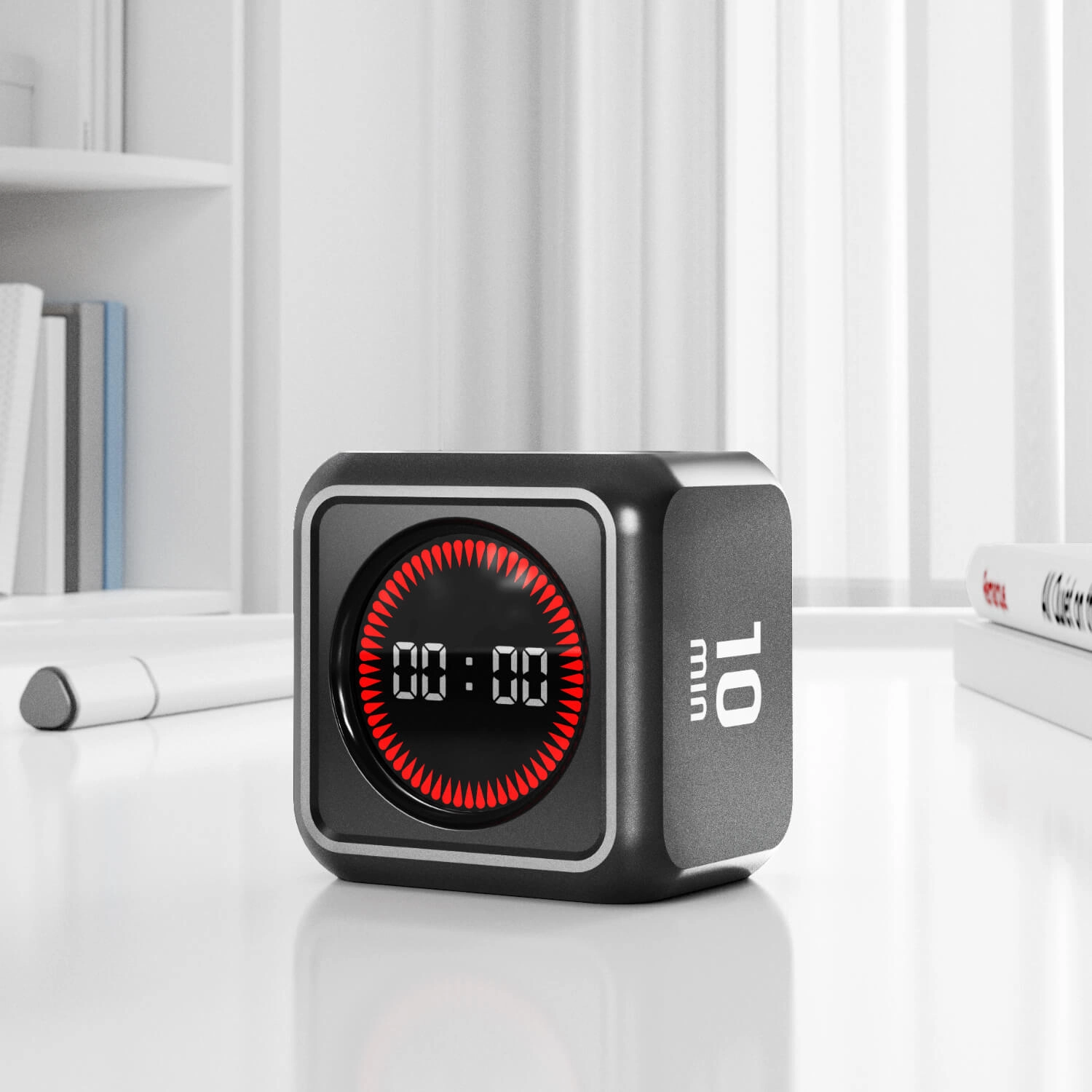
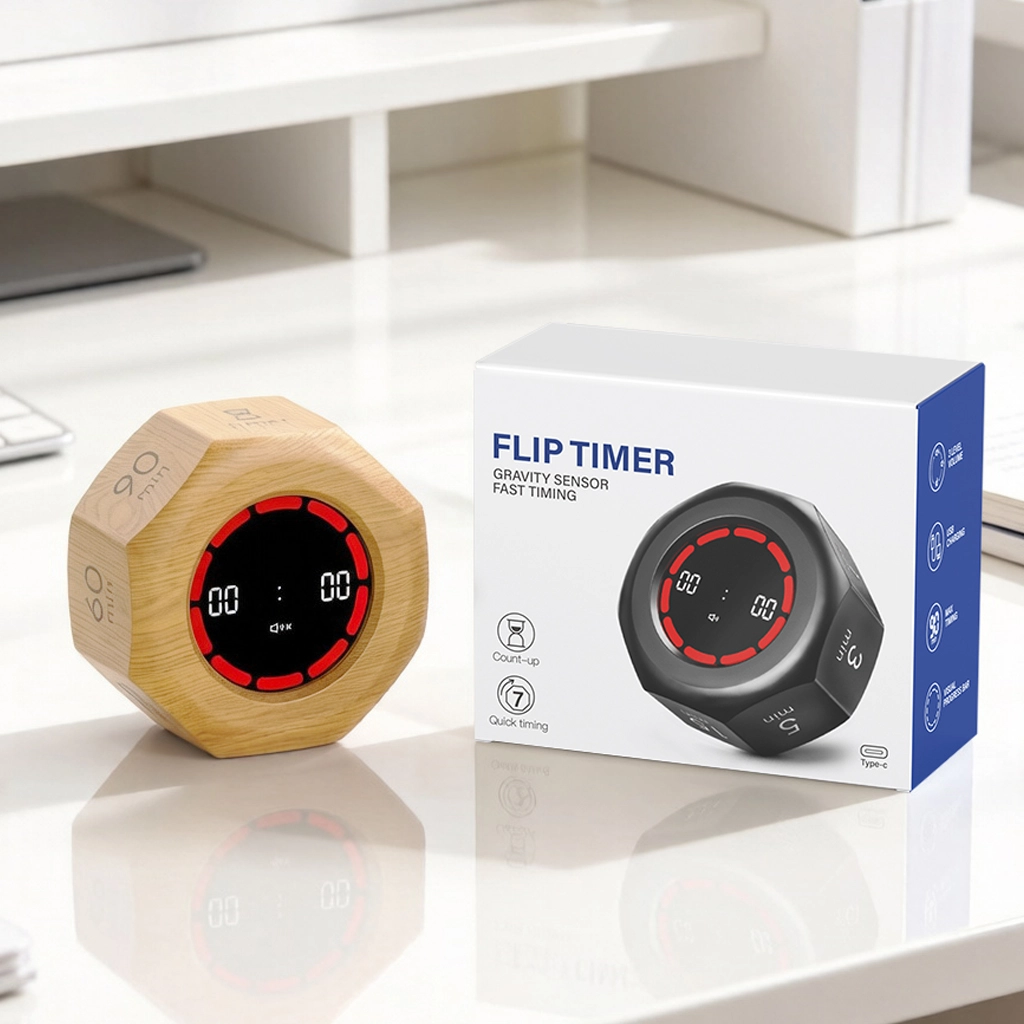
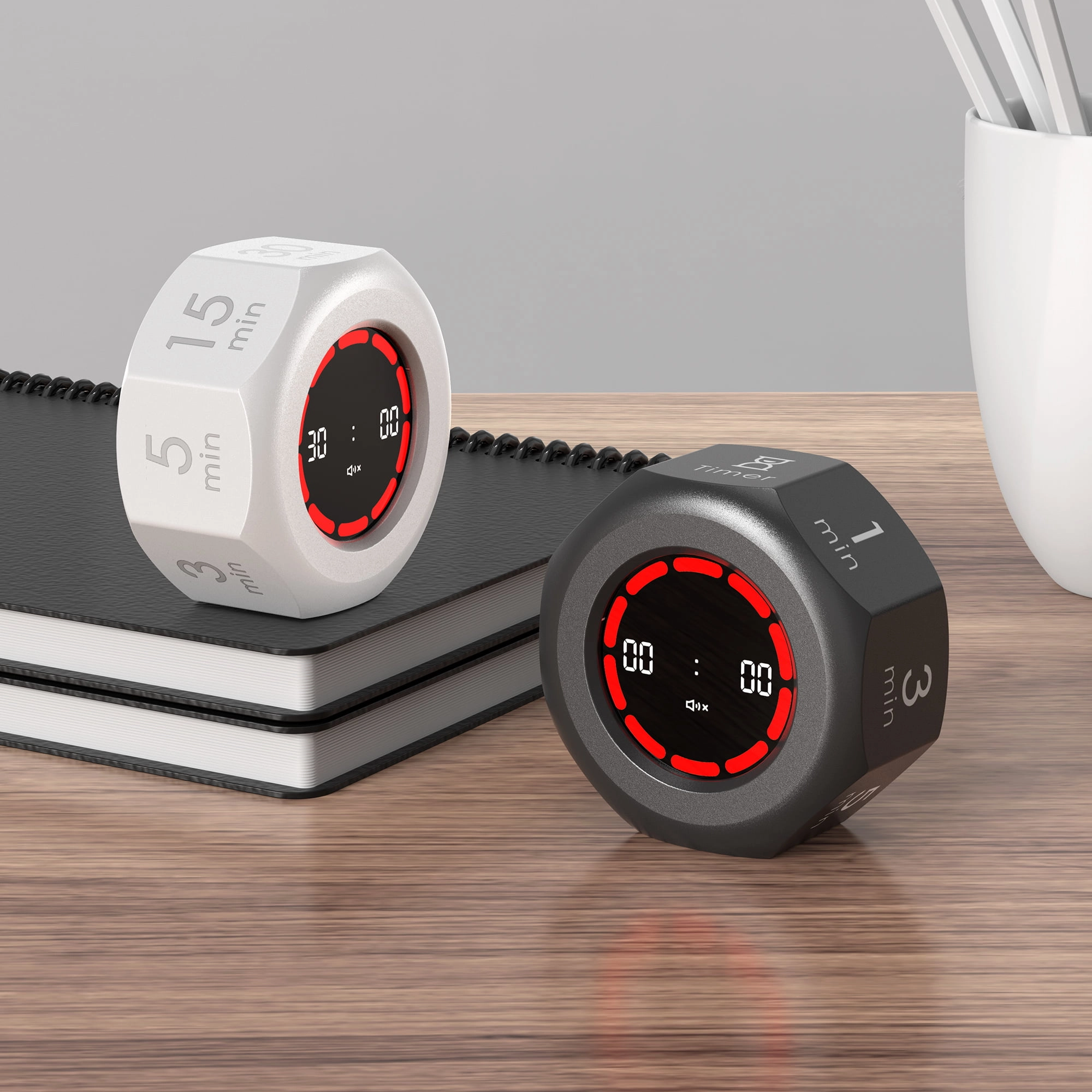
A countdown timer designed for a classroom may need a large, high-contrast display, simple controls, and an audible alert that can be disabled. A desk-oriented focus timer may instead prioritize a compact footprint, quiet operation, multiple preset intervals, and an interface that supports repeated work-and-break cycles. A kitchen or household model may require different buttons, mounting options, or resistance to everyday handling. These differences affect the bill of materials, tooling, validation plan, packaging, and target cost.
Prepare a product brief before contacting potential suppliers. Include the intended user, sales channel, target countries, expected retail position, estimated annual demand, preferred display size, timing range, alarm behavior, power source, enclosure material, color requirements, and packaging format. Identify which features are mandatory and which are optional. Clear priorities help suppliers quote comparable configurations rather than presenting dissimilar products under a single price.
Evaluate product architecture and usability
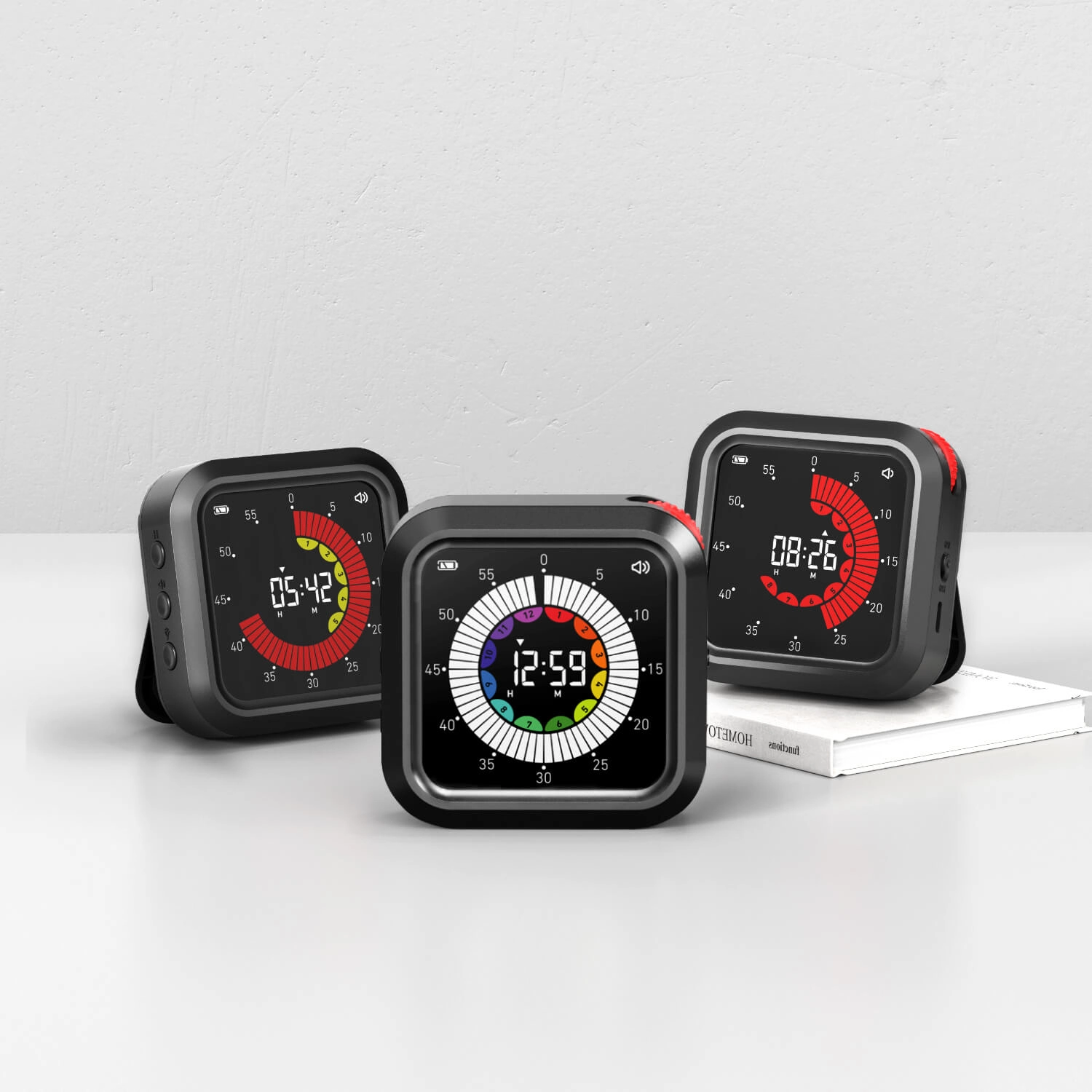
Ask how the timing function is controlled and displayed, whether users can pause or reset a countdown, and how remaining time is communicated when the screen is viewed from an angle or across a room. On an analog-style visual timer, the diminishing colored field should remain legible throughout its travel; on a digital model, digit size, contrast, and viewing angle matter. Request samples that reflect the proposed production configuration, not only a visually similar model from a catalog.
Review usability with representative users before locking the specification. Check button force, menu complexity, accidental activation, alarm volume, battery access, and stability on the intended surface. If the product is used in a shared environment, confirm whether the alert can be muted or adjusted. Small interaction problems can generate avoidable returns and customer-service contacts, even when the core timing function works correctly.
Compare Customization, Quality, and Compliance Readiness
Separate branding options from engineering changes
Private label customization can range from a logo on a standard enclosure to a program-specific color, display treatment, control layout, firmware behavior, or package design. Each change carries different cost, lead-time, and validation consequences. Ask which options use existing tooling and which require new molds, printed components, software changes, or dedicated fixtures. Clarify ownership of custom artwork and tooling, revision control, minimum order quantities, sample charges, and the process for approving changes after production begins.
A supplier should document the approved configuration in a controlled specification that identifies the model, critical dimensions, materials, display requirements, firmware version where relevant, labeling, and packaging. Golden samples or signed reference samples can help align buyer and factory expectations. Change-control rules are particularly important for replenishment orders: a substitute component or revised display may look minor to a factory but materially affect brand consistency or the user experience.
Check quality systems and market-specific obligations
Request evidence of the supplier’s quality processes, including incoming-material checks, in-process inspections, final inspection criteria, defect classification, corrective-action handling, and lot traceability. An ISO 9001 quality management system can indicate that an organization uses a formal quality-management framework, but certification alone does not establish that a particular timer meets every buyer specification. Confirm the certificate’s scope and validity, then review product-level inspection records and sample results.
Compliance depends on product construction, destination market, and sales claims. For products with electronic components intended for the United States, determine whether applicable FCC equipment-authorization requirements apply to the specific design; the FCC equipment authorization program explains the framework. For products placed on the EU market, assess applicable substance restrictions, including the EU RoHS Directive, and review relevant chemical obligations under REACH. Applicability should be confirmed for the actual product and market; buyers should not assume that a generic certificate covers every configuration.
For battery-powered models, ask for the battery type, supplier documentation, installation instructions, and transport documents appropriate to the selected battery and shipping route. If a product includes wireless functions, additional radio and market requirements may apply. Have the importer or compliance specialist identify required testing and documentation before purchase orders are issued. A supplier’s statement that a product is “compliant” is not a substitute for market-specific evidence tied to the model being sold.
| Procurement area | Catalog or lightly customized program | Engineered branded program | Buyer verification |
|---|---|---|---|
| Product design | Typically selects from existing designs and options | May change appearance, functions, materials, or interface | Confirm which changes require engineering review, tooling, or validation |
| Branding and packaging | Often applies standard logo and packaging options | May require custom artwork, labels, inserts, and retail packaging | Approve production-ready artwork, language, and packaging samples |
| Cost structure | Usually centers on unit price, packaging, and order quantity | Can include development, tooling, testing, and sample costs | Request a cost breakdown and clarify recurring versus one-time charges |
| Quality control | Can use the supplier’s existing inspection plan | Requires acceptance criteria for program-specific features | Agree inspection methods, defect limits, records, and corrective actions |
| Change management | May follow the supplier’s standard product revision process | Needs formal approval for specification and component changes | Document revision ownership and written approval requirements |
The comparison is a qualitative sourcing framework, not a universal cost or lead-time guarantee. Actual requirements depend on the design, order size, destination market, and supplier arrangement.
Validate Capacity, Commercial Terms, and Long-Term Supply
Test whether the supplier can support the program lifecycle
Production capacity is not simply a stated monthly output. Ask how the supplier plans materials, manages peak demand, schedules assembly, and handles bottlenecks in displays, molded housings, electronics, or packaging. Request an indicative production timeline covering sample approval, component procurement, assembly, inspection, and shipment preparation. For seasonal programs, discuss forecast-sharing, order cutoffs, and how capacity is reserved without creating excessive inventory exposure.
Review the supplier’s record for repeatability as well as initial sampling. A polished pre-production sample is useful, but the commercial decision should also consider whether the factory can reproduce color, display performance, assembly fit, and packaging across successive lots. Ask what production records are available, how nonconforming product is contained, and who is responsible for investigation and corrective action. Agree on how replacement, rework, credit, or other remedies will be handled before a quality issue arises.
Make total program cost visible
Compare quotations on a like-for-like basis. Confirm the exact model and options, order quantity, unit price, tooling or setup fees, sample charges, packaging, inspection, freight assumptions, payment terms, and quote validity period. Determine whether prices are based on an agreed Incoterm and whether any costs are excluded. A lower unit quotation can become less attractive if it omits required testing, branded packaging, spare parts, or corrective-action support.
Evaluate total landed cost and commercial risk alongside the purchase price. Consider transit time, import duties, currency exposure, damage allowance, inventory carrying cost, and the cost of delayed launch. Ask whether the supplier has a clear process for handling engineering revisions and end-of-life components. The objective is not necessarily to select the most customized product; it is to secure a specification that meets user and brand requirements while remaining commercially sustainable through replenishment.
Build a Branded Product Program Around Clear Specifications
Connect adjacent product categories to the same customer need
For buyers developing a broader time-management or environmental-monitoring assortment, a digital timer or Pomodoro timer may complement visual countdown products by supporting focused work intervals and scheduled breaks. Thermo-hygrometers and temperature humidity monitors address a different measurement need, but can serve overlapping retail, education, office, and facility channels. Product adjacency can make assortment planning more coherent, provided each item has a distinct user benefit and the packaging explains that benefit clearly.
Our product categories include digital timers, Pomodoro timers, thermo-hygrometers, and temperature humidity monitors. Buyers can assess these categories against the same program criteria: target user, display readability, control simplicity, power requirements, market documentation, packaging, and replenishment needs. The right assortment depends on the channel and customer demand; bundling or cross-selling should be supported by a clear use case rather than by category overlap alone.
Use a disciplined qualification process with our team
We recommend sharing a written brief, target-market list, branding requirements, forecast range, and acceptance criteria before moving from inquiry to sample review. This gives our team a basis for discussing the relevant product configuration and clarifying open decisions such as display style, alarm options, enclosure finish, packaging, and documentation. Buyers should request confirmation of any program-specific capability and supporting evidence before treating it as part of an approved specification.
For a new branded program, a practical sequence is to screen the supplier, review a representative sample, approve a controlled specification, evaluate required compliance evidence, confirm commercial terms, and authorize a pre-production sample before mass production. Record decisions and approvals in writing, including artwork and any agreed deviations. This workflow gives both the buyer and supplier a shared reference point and reduces the risk that assumptions made during sales discussions become production surprises.
Supplier selection is ultimately a balance of product fit, documented quality, regulatory readiness, transparent cost, and dependable communication. Buyers that establish these criteria early can compare suppliers more effectively, protect brand consistency, and make future extensions to related timer and monitoring categories easier to manage.
Contact our team to discuss your private label requirements or explore our digital timer, Pomodoro timer, thermo-hygrometer, and temperature humidity monitor product categories.
Frequently Asked Questions
What should buyers include in a brief for a private label visual timer?
Include the intended user, sales channel, target countries, demand estimate, display size, timing range, alarm behavior, power source, enclosure material, color requirements, and packaging format. Separate mandatory features from optional ones so suppliers can quote comparable configurations.
How can buyers assess the quality of a timer supplier?
Review incoming-material checks, in-process and final inspection criteria, defect classification, corrective-action handling, lot traceability, and product-level inspection records. ISO 9001 certification can indicate a formal quality-management framework, but it does not by itself prove that a specific product meets the buyer’s requirements.
Does a supplier’s compliance certificate cover every visual timer configuration?
Not necessarily. Requirements depend on the product construction and destination market. Buyers should confirm applicable obligations and request evidence tied to the exact model and configuration, rather than relying on a generic compliance statement.
What should be clarified before approving a custom-branded timer?
Clarify the approved product specification, artwork, tooling ownership, minimum order quantities, sample costs, revision control, production acceptance criteria, and written approval process for component or design changes.
How should buyers compare supplier quotations?
Compare the exact model and options, order quantity, unit price, tooling and setup fees, samples, packaging, inspection, freight assumptions, payment terms, quote validity, and Incoterm. Also consider landed cost, inventory exposure, and potential costs of delays or revisions.
What is the difference between a catalog timer and an engineered branded program?
A catalog program generally selects from existing designs and standard options, while an engineered branded program may change the product’s appearance, functions, materials, or interface. The latter can require additional engineering, tooling, validation, and formal change control.
How to Compare Private Label Visual Timer Designs for Retail, Education, Healthcare, and Workplace Use
Wholesale digital timer with alarm and memory manufacturer and supplier
Best led sports timer for stadium manufacturers and supplier brands
Kitchen & Home Mini Timers: Finding the Right Supplier
Interested in this article?
Let’s talk.
Need specifications, pricing, or customization options? We’ll provide everything you need.

Youben life
Youben life