
Quality Control Checklist for Pomodoro Timer Manufacturing
- Understanding product requirements and user expectations
- Define functional specs tied to pomodoro use cases
- Establish performance and acceptance criteria
- Regulatory and safety baseline
- Incoming materials and component inspection
- Supplier qualification and documentation
- Incoming inspection checkpoints
- Incoming inspection table
- Production process controls and functional testing
- First Article Inspection (FAI) and pilot runs
- Inline process control and SPC
- End-of-line (EOL) functional test checklist
- Compliance, reliability testing and final inspection
- EMC, safety and hazardous substances testing
- Reliability and environmental testing
- Final inspection, packaging and traceability
- Data-driven QC: metrics, audits and continuous improvement
- Key quality metrics to track
- Audit cycles and supplier corrective action
- Documentation and change control
- Tools, methods and example acceptance table
- Why partner with an experienced OEM/ODM for pomodoro timers
- Youben Life: turnkey digital timer manufacturing capability
- Quality, compliance and scale
- Competitive advantages and differentiation
- Frequently asked questions (FAQ)
- 1. What is the minimum QC scope for a consumer pomodoro timer?
- 2. How accurate should a pomodoro timer be?
- 3. When should I require CE/FCC/RoHS testing?
- 4. What tests catch firmware-related failures?
- 5. How many units should I sample for final QC?
- 6. Can you recommend test equipment for in-house timing verification?
- Contact & next steps
This article provides a comprehensive quality control (QC) checklist specifically tailored to pomodoro timer manufacturing. It is written for OEM/ODM decision-makers, quality engineers, product managers, and procurement teams who need a step-by-step QC program—from design validation and incoming inspection to final test and compliance—to ensure reliable, accurate, safe and market-ready digital timers. The checklist reflects practical factory processes used by high-volume manufacturers in Guangzhou and other electronics hubs and references established quality and regulatory frameworks such as ISO 9001, CE, FCC and RoHS for verification (see Pomodoro Technique, ISO 9001, CE marking, FCC, RoHS).
Understanding product requirements and user expectations
Define functional specs tied to pomodoro use cases
Begin with user-centered specifications: standard Pomodoro timing (25/5 minutes), custom session lengths, long-break presets, visual countdown (LED segments or LCD), audible alerts, vibration, battery life (typical target 100+ cycles per charge for rechargeable units or 6–12 months for coin-cell units), and UI ergonomics (button travel, tactile feedback). These requirements form the baseline for test criteria—every QC plan must map tests to the spec item it verifies.
Establish performance and acceptance criteria
Set measurable acceptance criteria: timing accuracy (target ±1% or better for consumer timers), display readability (contrast and viewing angle), alert sound level range (dBA), battery discharge curves, ingress protection if marketed as portable (e.g., IPX rating if applicable), and mean time between failures (MTBF) targets derived from historical data. Document these in the Product QC Plan and link to contractual acceptance thresholds.
Regulatory and safety baseline
Identify mandatory certifications for target markets early: CE for EU, FCC Part 15 for US wireless/EMC aspects, RoHS for hazardous substance restrictions, and local battery transport rules. For broader quality management, align processes with ISO 9001 principles to ensure traceability and continuous improvement.
Incoming materials and component inspection
Supplier qualification and documentation
Maintain approved supplier lists with certificates of conformity (CoC), material safety data sheets (MSDS) for plastics and batteries, and component datasheets. Require traceable lot numbers and first-article samples for new suppliers. Keep a record of supplier audits and corrective action histories.
Incoming inspection checkpoints
Incoming inspection should cover:
- Visual and dimensional checks for enclosures, bezels and buttons against CAD drawings.
- Electrical verification for ICs, displays, speakers, and power components (voltage, pin continuity, markings).
- Battery verification (capacity sample test, internal resistance).
Use calibrated tools (digital calipers, AOI for PCBs, LCR meter, battery cyclers). Accept/reject decisions should use AQL sampling plans for routine lots and 100% inspection for critical safety components like batteries and power adapters.
Incoming inspection table
| Item | Method / Tool | Acceptance Criteria |
|---|---|---|
| Plastic enclosure | Dimensional check, visual; calipers | No >0.5 mm deviation; no visual defects affecting function |
| PCB & components | AOI, X-ray (if BGA), multimeter | Conforms to Gerber/BOM; no missing/incorrect parts |
| Display / LED module | Functional bench test | All segments/pixels within tolerance; backlight uniformity |
| Battery | Capacity test, internal resistance | Within supplier spec; no swelling |
Production process controls and functional testing
First Article Inspection (FAI) and pilot runs
Perform FAI on initial production units to validate assembly processes, firmware programming, mechanical fit, and packaging. FAI should include a complete checklist (mechanical, electrical, software behavior) and signed approvals before mass production. Pilot runs identify tooling or firmware edge cases that QC must monitor in-line.
Inline process control and SPC
Implement Statistical Process Control (SPC) for critical steps (soldering profiles, IC programming, component placement accuracy). Key process parameters (solder temperature, reflow profile, insertion torque for battery compartments) should have control charts and immediate corrective action limits. Use automated optical inspection (AOI) and in-circuit test (ICT) where economically justified.
End-of-line (EOL) functional test checklist
Every unit should undergo an automated or semi-automated EOL test covering:
- Power-up and boot sequence
- Timing accuracy test (compare the device against a calibrated time reference)
- All modes and presets (25/5 Pomodoro, custom timers)
- Display segments, backlight, LED color/brightness
- Speaker and vibration unit check
- Button and rotary encoder debounce/response tests
- Battery insertion and charging behavior (if rechargeable)
For timing accuracy, compare device countdown to a NTP-synced reference or lab-grade 1 ppm time base. A practical acceptance band for consumer timers is ±1% over a 25-minute interval (≈ ±15 seconds); set contractual acceptance based on market expectations.
Compliance, reliability testing and final inspection
EMC, safety and hazardous substances testing
Schedule EMC pre-compliance testing during development to catch emissions or immunity issues early. For CE and FCC compliance, use accredited test labs for final certification. Document RoHS compliance via material declarations from suppliers. Reference regulatory basics: CE marking guidance, FCC rules, and RoHS.
Reliability and environmental testing
Define and run reliability tests based on expected product use:
- Thermal cycling and storage (-20°C to +60°C as applicable)
- Humidity soak (e.g., 85% RH at 40°C for defined intervals)
- Vibration and drop testing for portable devices
- Burn-in (e.g., continuous power + periodic alert activation for 48–168 hours) to catch infant mortality
Record failure modes to feed corrective action (CAPA). Use environmental chambers and calibrated vibration tables; document test setup and results for traceability.
Final inspection, packaging and traceability
Final random sampling should include visual, functional and cosmetic checks at pack-off. Verify packaging integrity, user manual accuracy, and that labeling includes model, CE/FCC marks where applicable, lot codes, and manufacturing date. Implement serialization or lot traceability so a failed batch can be traced back through PCBs, IC firmware revision, assembly line, and supplier lots.
Data-driven QC: metrics, audits and continuous improvement
Key quality metrics to track
Track defect per million (DPMO), first-pass yield (FPY), return rates (RMA %), field failure rates (failures per 1000 units/year), and on-time delivery. Use data to prioritize process improvements and supplier development.
Audit cycles and supplier corrective action
Conduct periodic internal process audits and supplier audits. Maintain a nonconformance database and require suppliers to implement corrective action plans with root-cause analysis (5 Whys or fishbone). For critical parts such as displays and batteries, consider redundancy in suppliers.
Documentation and change control
Use formal change control: any BOM, firmware, or tooling change must pass ECO (Engineering Change Order) with updated tests. Keep firmware versioning and IC programming logs tied to serial numbers so field issues can be correlated with software revisions.
Tools, methods and example acceptance table
Below is a compact mapping of test types to tools and acceptance criteria that QC teams can adapt to product specifics.
| Test | Tool / Method | Acceptance Criteria |
|---|---|---|
| Timing accuracy | Reference time source (NTP-synced clock, lab timebase) | ±1% over 25 min (or contractual spec) |
| Display & LED | Visual inspection, luminance meter | No dead segments; brightness within tolerance |
| Sound level | Sound level meter (dBA) | Within specified dBA range at 1 m |
| Battery capacity | Battery cycler | ≥ specified mAh ± tolerance |
| EMC pre-check | Pre-compliance lab | No critical emissions; ready for full lab test |
Why partner with an experienced OEM/ODM for pomodoro timers
Youben Life: turnkey digital timer manufacturing capability
Youben Life, established in 2010, is a premier OEM/ODM manufacturer dedicated exclusively to Digital Timers, Pomodoro timers, and Visual Countdown Clocks. Headquartered in Guangzhou, China, our 20,000m² vertically integrated facility provides turnkey private label solutions for global brands and Amazon bestsellers. We go beyond simple assembly; our expertise covers the entire R&D spectrum, including ID/MD industrial design, custom IC programming, precision mold tooling, and retail-ready packaging.
Quality, compliance and scale
Committed to quality and compliance, all Youben Life products meet strict CE, FCC, and RoHS standards. With a decade of engineering experience and scalable manufacturing capacity, we help our partners develop differentiated time management hardware that strengthens brand identity and dominates the market. For more about capabilities, visit Youben Life or contact info@youbenlife.com.
Competitive advantages and differentiation
Youben Life differentiates through integrated R&D and vertical control—meaning faster NPI cycles, tighter firmware/hardware integration (custom IC programming), and minimized supplier variability. This reduces time-to-market and improves consistency for private-label pomodoro timer lines and Amazon SKUs.
Frequently asked questions (FAQ)
1. What is the minimum QC scope for a consumer pomodoro timer?
At minimum: incoming inspection for batteries and displays, First Article Inspection, EOL functional test (timing accuracy, display, alert), basic EMC pre-check and RoHS declaration, and packaging verification. More comprehensive programs include burn-in, environmental tests and certified lab EMC/safety testing.
2. How accurate should a pomodoro timer be?
For consumer devices, timing accuracy of ±1% over a session (e.g., ±15 seconds on 25 minutes) is a reasonable target. Professional or clinical devices may require tighter specs and should reference regulated timekeeping standards. Always define the acceptance band in contract documents.
3. When should I require CE/FCC/RoHS testing?
Start planning for these certifications during design validation. Perform pre-compliance EMC during prototype to catch issues early. Final CE and FCC certification must be completed before placing the product on those markets. RoHS declarations should be collected from suppliers up front.
4. What tests catch firmware-related failures?
Regression testing, FAI with firmware checklist, EOL functional tests across all modes, and burn-in cycles with frequent mode switches identify firmware timing, UI or memory leak issues. Keep firmware version tied to serials for traceability.
5. How many units should I sample for final QC?
Sampling depends on risk and volume. Use AQL tables for visual/cosmetic inspections and larger samples for functional reliability metrics. Critical components like batteries often require 100% inspection or very tight AQLs. Work with your quality team to set sampling plans based on historical failure rates and customer risk tolerance.
6. Can you recommend test equipment for in-house timing verification?
A synchronized NTP computer with logging, a lab-grade timebase (1 ppm), or a calibrated frequency standard can be used for timing verification. For routine factory tests a simple script comparing device countdown to a reliable network time and logging deltas is practical and cost-effective.
Contact & next steps
If you are evaluating OEM/ODM partners for private-label pomodoro timers or need a QC program tailored to your SKU, contact Youben Life for consultation and turnkey manufacturing quotes: https://www.youbenlife.com/ | Email: info@youbenlife.com. Our engineers can help translate this QC checklist into factory-ready test fixtures, software test harnesses, and certification roadmaps.
Mastering Focus: The Strategic Advantage of Pomodoro Timer Wholesale for Businesses
Custom Pomodoro Digital Timer Design for White-Label Brands
Smart Pomodoro Timer with Bluetooth/Wi-Fi Integration Tips
Top 10 digital alarm clock Manufacturers and Supplier Brands
Service
How do I request a customized product design?
Simply contact us with details about your requirements, target audience, and target price. Our design team will then create a tailored proposal.
All
Can I customize the clock design and logo?
Absolutely. We offer customization for clock appearance, structure, materials, and logo printing to perfectly match your brand.
About customization
What is the customization fee?
Please contact our business for consultation.
ODM R&D Development
Do you provide ongoing support after the products are delivered?
Yes, we offer post-delivery support, including instructions, product up-gradation and technical assistance to ensure the long-term performance of your custom products.
Private Label
Can I customize both the logo and the product color?
Yes, we support logo and product colors customization.
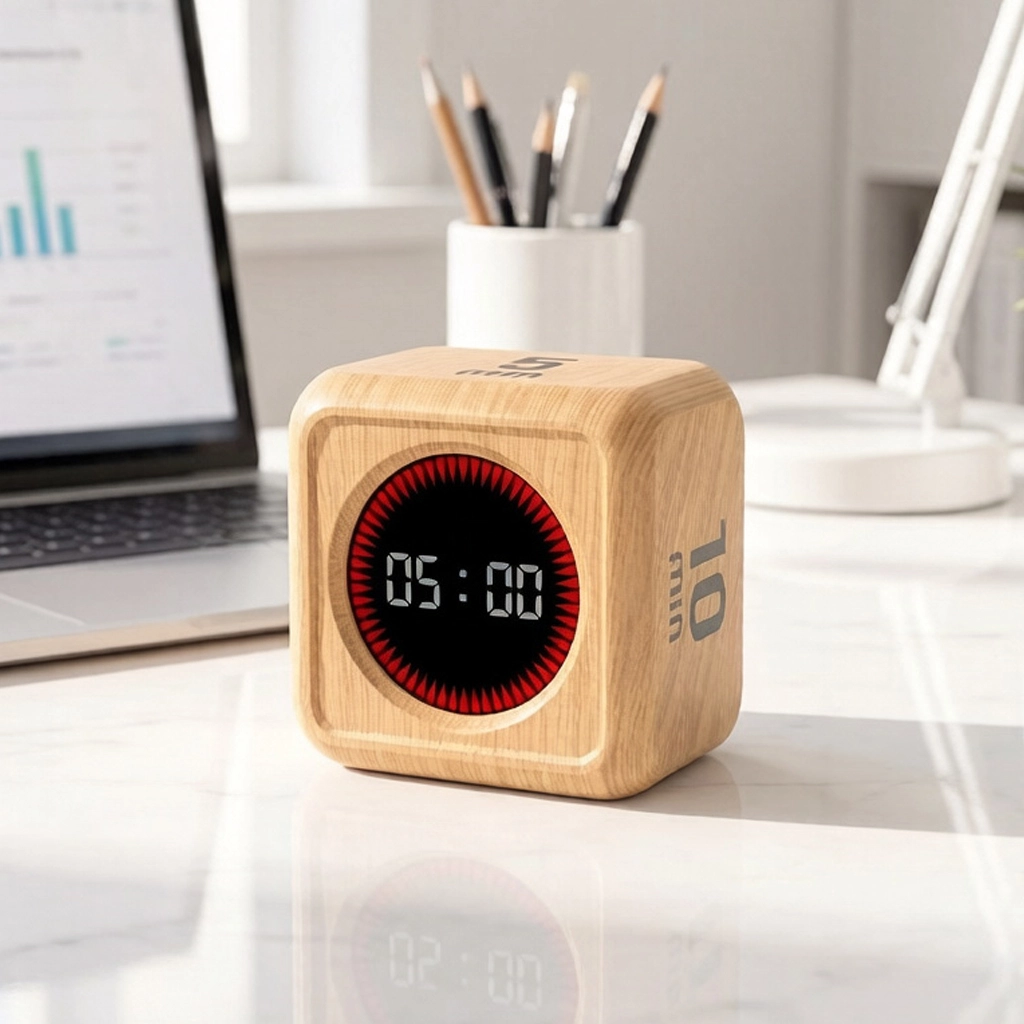
Wood Grain square Cube Timer Digital Gravity Sensor Timer Rechargeable Pomodoro Stopwatch Manufacturer
The X-JSQ814 Rubik’s Cube Timer reimagines timekeeping with a playful, cube-shaped design inspired by the iconic Rubik’s Cube. Blending nostalgia with functionality, it offers intuitive controls, smart gravity sensing, and versatile timing modes—perfect for anyone seeking a stylish, reliable tool to manage tasks at home, work, or play. Compact yet durable, it’s built to adapt to daily routines with ease.
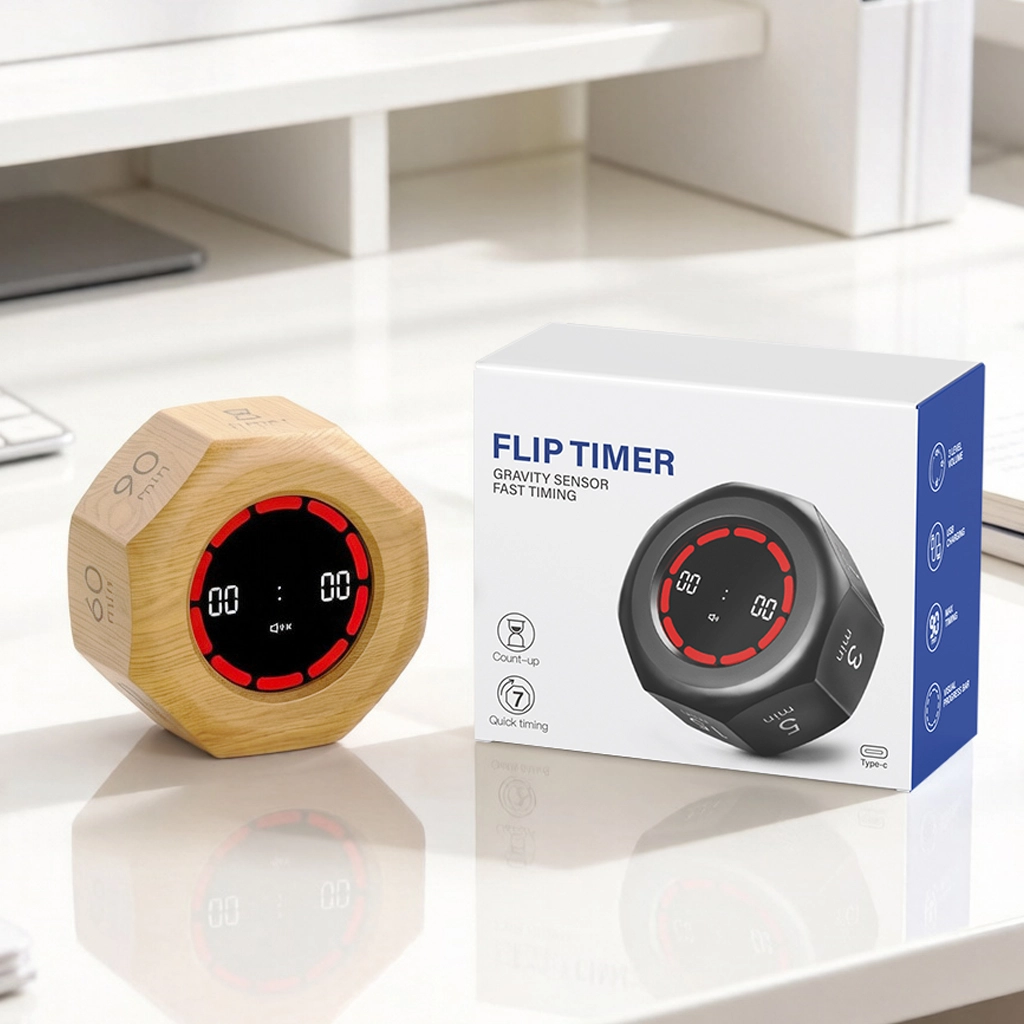
Wood Grain Gravity Sensor Digital Pomodoro Timer 3 5 30 90 Minutes Study Learn Visual Countdown Timer
Where cutting-edge design meets unrivaled functionality. This isn’t just a timer; it’s your versatile partner for kitchen precision, focused studying, classroom engagement, and even ADHD-friendly time tracking.
Crafted as an 8-sided cube with a sleek, novel mini-round profile, Cube redefines portability and style. Its eye-catching flip-gravity rotating visual display (no boring screens!) makes time visible at a glance, while a crisp digital clock shows seconds, minutes, and hours—ideal for recipes, Pomodoro sessions, or study intervals.
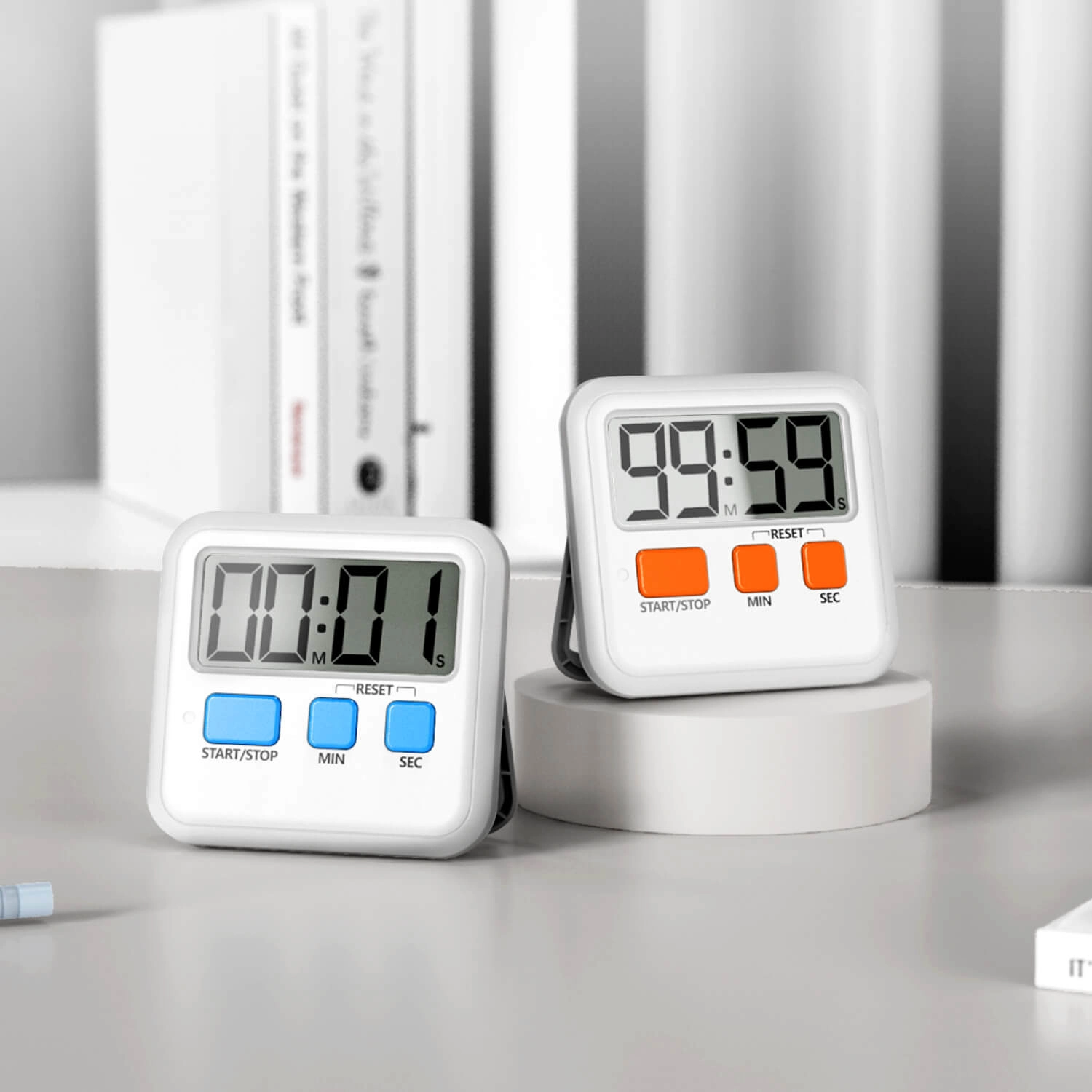
Custom Sound Ringtone Best Countdown Pomodoro Timer Brand In China
The X-JSQ811 Timer is a compact, functional digital timer designed for everyday time management. It prioritizes simplicity, portability, and adaptability—perfect for users who want a reliable tool without unnecessary complexity.
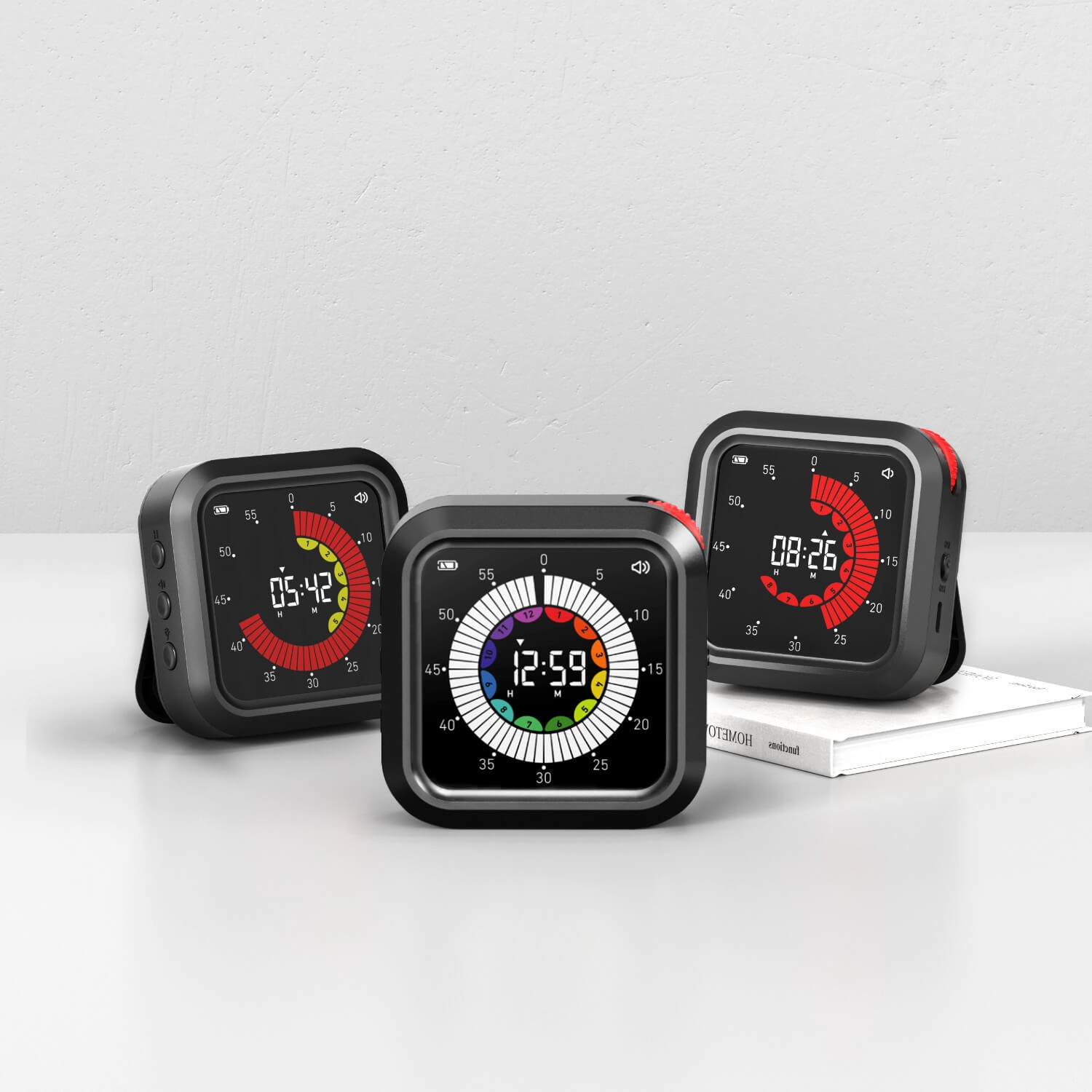
Digital Visual Tomato Pomodoro Technique Timer Study Kitchen Cooking Countdown Countup Timer Stopwatch
The X-JSQ817 Pomodoro Timer redefines simplicity and functionality for productivity, daily tasks, and creative pursuits. Designed with intuitive controls, robust features, and adaptable design, it caters to users seeking precision, convenience, and accessibility in a compact package.

Youben life
Youben life
Youben life
Youben life