
Private Label Visual Timer Supplier Evaluation: 12 Questions to Ask Before Signing a Contract
- How to Qualify a Visual Countdown Timer Manufacturer
- Questions 1–2: Can the supplier meet the product brief and customize it consistently?
- Questions 3–4: What quality controls and compliance evidence are available?
- Commercial and Operational Questions Before Ordering
- Questions 5–6: Are samples, tooling, and intellectual property handled transparently?
- Questions 7–8: Can the supplier meet the order plan and explain the full cost?
- Validate Delivery, Quality, and Contract Protections
- Questions 9–10: How will inspection, shipping, and defects be managed?
- Questions 11–12: What happens after delivery, and are commitments enforceable?
- Comparison: Supplier Claims Versus Verifiable Procurement Evidence
- Turn Supplier Evaluation into a Stronger Product Program
- Align product selection with the end user and channel
- Use a written brief to make the next discussion productive
- Frequently Asked Questions
Choosing a private label visual timer supplier requires more than comparing unit prices: buyers should verify product specifications, customization limits, quality controls, regulatory responsibilities, sample performance, intellectual-property ownership, production capacity, and contract remedies before placing an order. The 12 questions in this guide help brand owners and distributors assess whether a supplier can deliver a dependable visual countdown timer, support the intended sales markets, and document commitments clearly. Use the comparison table to distinguish useful evidence from unsupported assurances, then align the answers with a written specification and purchase agreement.
How to Qualify a Visual Countdown Timer Manufacturer
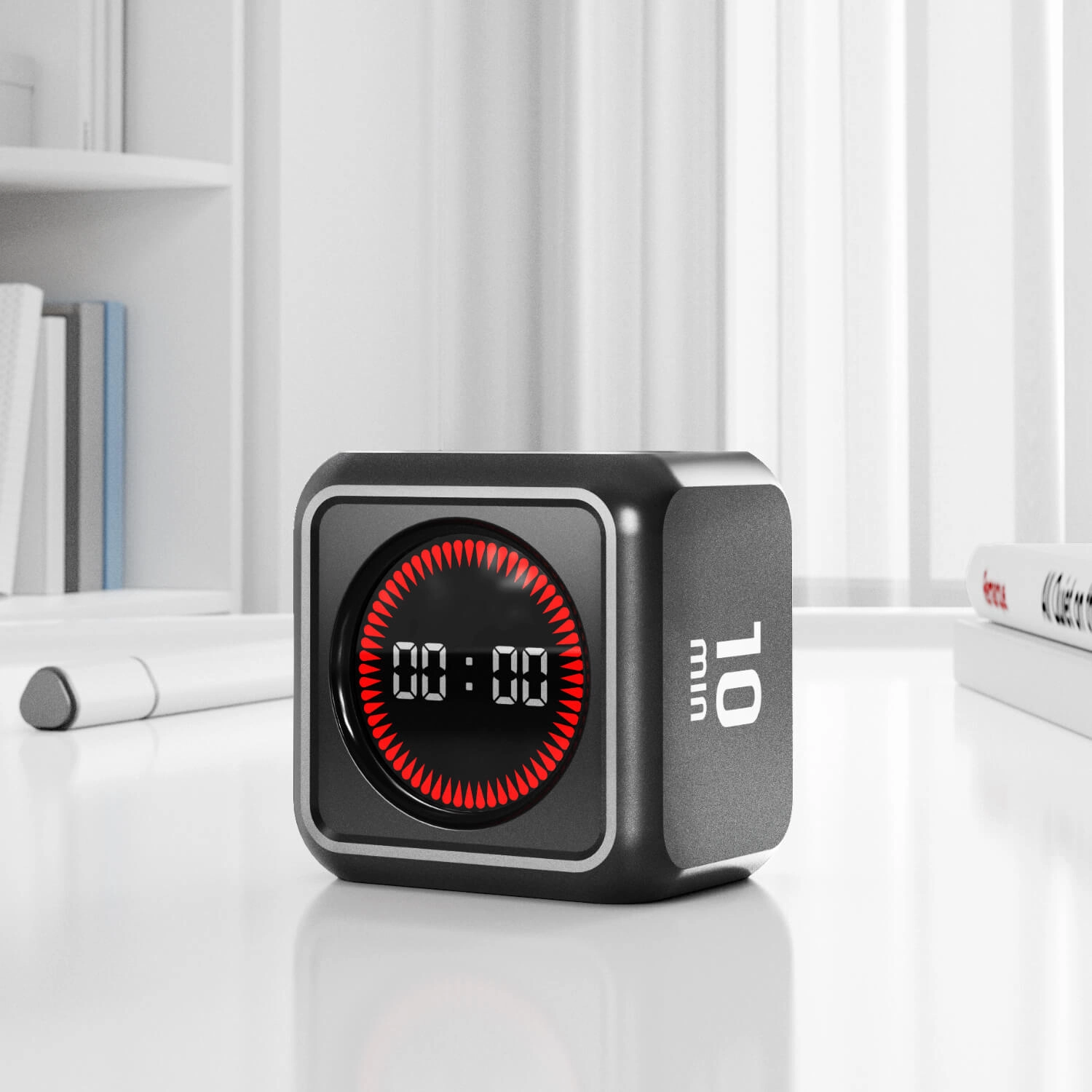
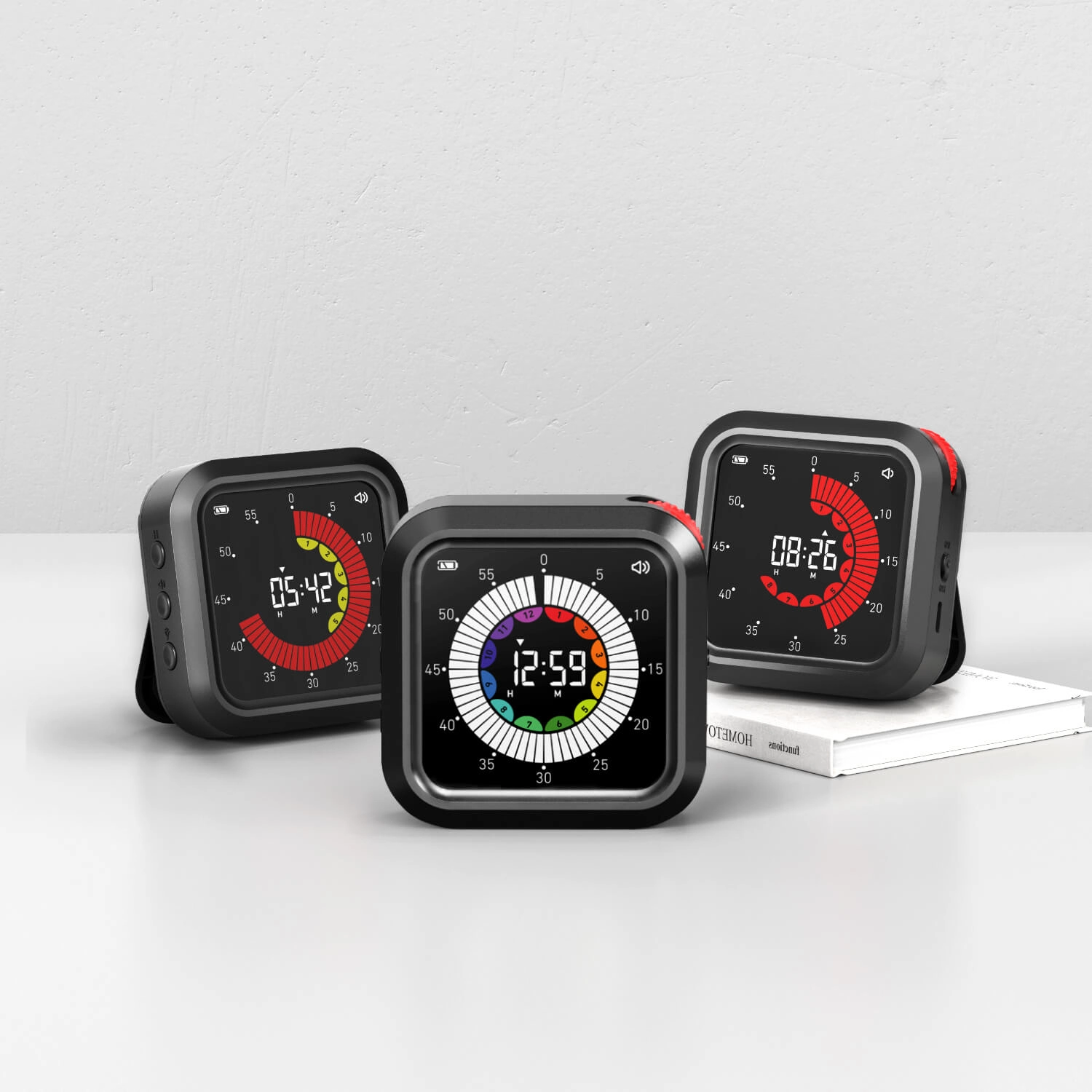
A visual timer appears simple, but its value depends on the interaction of the display, controls, alarm, power source, enclosure, and user instructions. Buyers may be sourcing a mechanical-style remaining-time display, a digital countdown device, or a focus timer for education, offices, kitchens, or wellness programs. Define the use case first: a timer used in a quiet classroom may need different sound settings and durability than one designed for a consumer retail shelf.
Questions 1–2: Can the supplier meet the product brief and customize it consistently?
1. Which product specifications can be customized, and which are fixed? Ask for a model-by-model specification sheet covering timing range, increments, display type, alarm options, controls, power requirements, dimensions, materials, and available colors. Confirm whether branding can be applied to the device, packaging, manual, or all three. A supplier should identify the limits of each customization method, including artwork requirements, minimum order quantities, setup charges, and any impact on production time.
2. How will the final approved version be controlled? Request a process for documenting artwork, firmware or configuration settings where applicable, packaging files, and approved samples. A signed specification should identify the exact model and revision, not just a product photo or informal chat message. Establish that no substitutions to components, materials, labeling, or packaging may be made without written approval. This change-control discipline reduces the risk that a reorder differs from the version tested and approved.
Questions 3–4: What quality controls and compliance evidence are available?
3. What inspections and functional tests take place during production? Ask the supplier to describe incoming-material checks, in-process inspections, final testing, sampling methods, defect classification, and record retention. Request sample inspection reports and clarify how issues such as inaccurate countdown behavior, inconsistent display visibility, faulty buttons, weak alarms, or damaged packaging are recorded and corrected. If the supplier refers to a quality management system, verify the certificate’s scope, issuing body, site, and validity rather than assuming certification guarantees the performance of a specific product.
4. Which regulatory requirements apply in each target market, and who is responsible for evidence? Requirements depend on the product design, electrical characteristics, radio functions, claims, and country of sale. Ask for a market-by-market compliance plan and supporting reports that identify the precise model tested. For example, FCC Part 15 rules address radio-frequency devices in the United States; applicability and required procedures depend on the device. The EU’s RoHS Directive restricts specified hazardous substances in electrical and electronic equipment within its scope. Do not treat a generic declaration, a logo on a brochure, or a report for a different model as proof that the exact order is compliant.
Commercial and Operational Questions Before Ordering
Product suitability alone does not protect a launch. The commercial terms need to cover forecast assumptions, deposits, production slots, logistics, after-sales support, and the consequences of a missed specification. Comparing quotations on an equivalent basis is essential: one offer may include retail-ready packaging, inspection, or freight while another prices only the device.
Questions 5–6: Are samples, tooling, and intellectual property handled transparently?
5. Can the supplier provide representative samples and support a documented approval process? Ask whether the sample is an existing stock model, a customized pre-production unit, or a production-equivalent sample. Test the timer under realistic conditions, including setting the countdown, visibility at the intended viewing distance, alarm audibility, battery replacement or charging, and the clarity of instructions. Agree in writing which approved sample becomes the quality reference and how deviations will be resolved.
6. Who owns custom artwork, molds, tooling, and other project assets? The agreement should state ownership, permitted use, storage, maintenance, transfer, and return or destruction of buyer-funded assets. Clarify whether the supplier can use the same custom design for another customer or sell excess branded inventory. For logos and packaging, confirm who checks artwork accuracy and who bears the cost of corrections caused by an avoidable production error. These provisions are especially important when a product design or brand presentation is central to market differentiation.
Questions 7–8: Can the supplier meet the order plan and explain the full cost?
7. What are the realistic minimum order quantity, capacity, and lead-time assumptions? Request the minimum order quantity for each configuration and ask how mixed colors, languages, or packaging affect it. Clarify the schedule from deposit and artwork approval through sample sign-off, production, inspection, and shipment. Ask what capacity is reserved for the order and how peak-season demand, component shortages, or forecast changes affect the delivery date. A lead-time promise without defined starting conditions is difficult to enforce.
8. What costs are excluded from the quoted unit price? Ask for a breakdown of customization fees, packaging, testing, tooling, inspection, freight, duties, payment charges, and any recurring charges for repeat orders. Confirm the currency, Incoterm, quote validity, payment milestones, and the process for approving cost changes. Buyers should compare landed-cost assumptions as well as the ex-factory price. A low initial quote may become less competitive if setup fees, rework, or expedited freight are excluded.
Validate Delivery, Quality, and Contract Protections
Before commitment, connect each supplier promise to an objective acceptance method. The contract should define what constitutes a conforming product, how inspection is performed, what happens when a shipment fails, and which records the supplier must provide. For regulated markets, determine who prepares and maintains the technical documentation required for the specific product and sales route.
Questions 9–10: How will inspection, shipping, and defects be managed?
9. What pre-shipment inspection and acceptance criteria can be agreed? Define the inspection scope, sample selection, defect categories, pass/fail criteria, and timing. Include critical product attributes such as correct branding, countdown operation, display and alarm function, accessory completeness, labeling, and carton condition. Specify whether the buyer or an independent inspection provider may review goods before shipment, and how rejected lots are corrected, re-inspected, or replaced. A general promise to maintain quality is not a measurable acceptance standard.
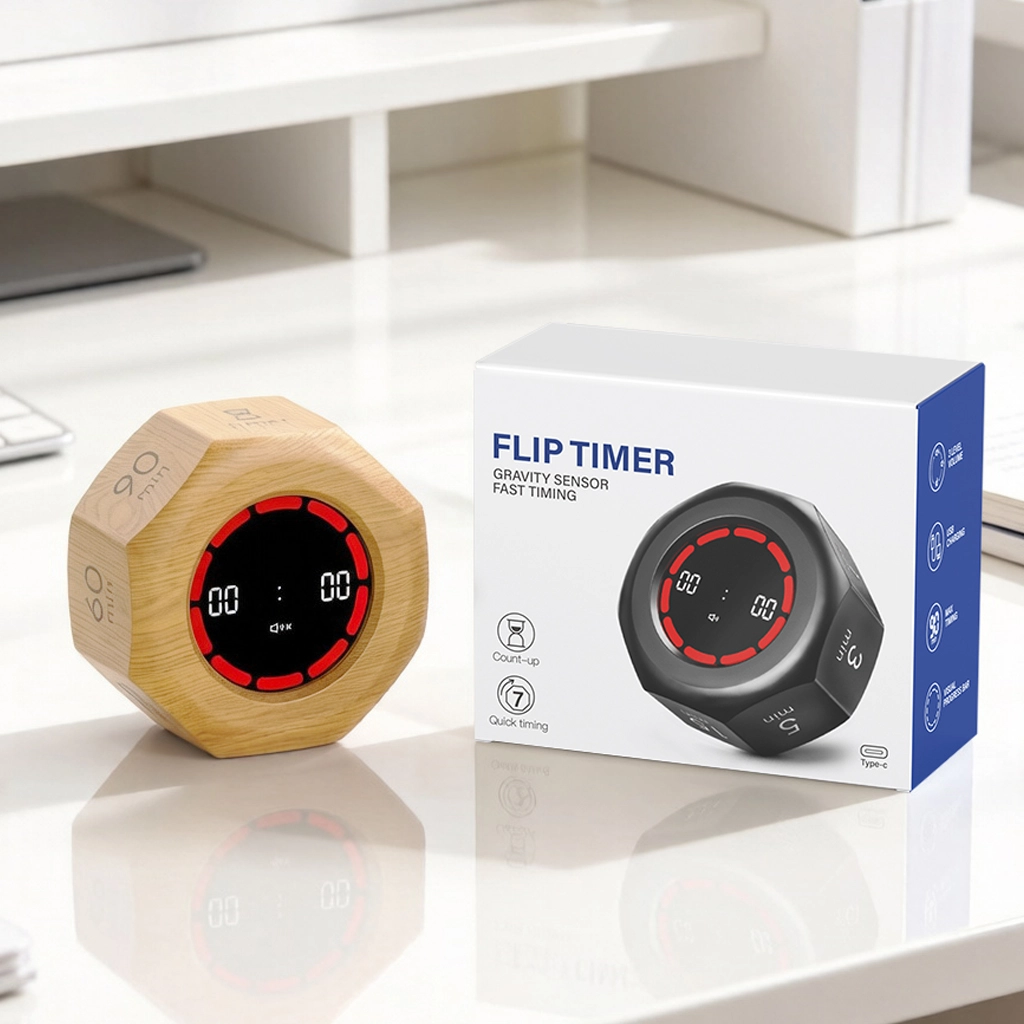
10. What packaging and logistics controls protect the product in transit? Confirm the retail pack, master-carton configuration, carton markings, pallet requirements if applicable, and the method for protecting devices against impact or moisture during the agreed transport route. Ask who approves packaging artwork and shipping marks, who books freight, and when risk transfers under the selected delivery term. Packaging should also be checked for accurate product information and required warnings in each destination language.
Questions 11–12: What happens after delivery, and are commitments enforceable?
11. What warranty, spare-part, and corrective-action support is available? Agree the warranty period and start date, the process for reporting defects, evidence required for a claim, response times, and available remedies. Ask whether the supplier can provide replacement units or parts and how recurring failures trigger root-cause analysis and corrective action. The contract should distinguish defects attributable to manufacturing from damage caused by misuse or unsuitable storage, using practical evidence rather than ambiguous exclusions.
12. Does the contract clearly assign responsibilities, remedies, and dispute procedures? Review the legal entity signing the agreement, product specification, order quantities, delivery schedule, payment terms, change control, confidentiality, intellectual-property rights, compliance obligations, warranty, liability, termination, and dispute resolution. If the supplier relies on a quality management system, ISO describes ISO 9001 quality management systems as a framework for quality management requirements; certification is not a substitute for product-specific acceptance criteria or a contractual remedy. For applicable electronic equipment, ask whether the relevant safety assessment is identified correctly; IEC 62368-1 addresses safety requirements for audio/video, information, and communication technology equipment, but a buyer should confirm the product’s classification and applicable market rules with qualified compliance support.
Comparison: Supplier Claims Versus Verifiable Procurement Evidence
The table below is a practical evidence checklist, not a claim that every standard applies to every timer. Applicability depends on the product configuration and destination market. Obtain documentation for the exact model and confirm the regulatory route before production.
| Evaluation area | Evidence to request | What the evidence can help establish | Buyer follow-up |
|---|---|---|---|
| Quality management | Current certificate, scope, site details, and sample inspection records | Whether a stated management-system certification covers the relevant organization or site | Verify validity and separately define product acceptance tests |
| U.S. radio-frequency requirements | Model-specific test records and a documented compliance route where applicable | Whether the supplier has assessed relevant FCC Part 15 obligations for the device | Confirm device classification and responsibility for filings or labeling |
| EU restricted substances | Material declarations, supplier records, or appropriate test documentation | Whether the product’s materials have been assessed against applicable RoHS restrictions | Check the exact model, component scope, and current market obligations |
| Product safety | Risk assessment or test report identifying the product and applied standard | Whether a relevant safety evaluation has been documented | Confirm that the standard and assessment route fit the product category and destination |
| Private-label execution | Approved sample, signed specification, artwork files, and change-control record | Whether the order can be compared against an agreed configuration | Attach the approved documents to the purchase agreement |
Turn Supplier Evaluation into a Stronger Product Program
A structured evaluation helps brand owners reduce avoidable rework, launch delays, and quality disputes. It also gives a supplier a clear basis for quoting and production planning. The goal is not to demand paperwork for its own sake; it is to connect each risk to evidence, an accountable party, and a practical remedy. Keep a supplier scorecard covering technical fit, documentation, communication, delivery performance, and after-sales response, then reassess it as order volume and product requirements change.
Align product selection with the end user and channel
For a classroom or shared workspace, buyers may prioritize an at-a-glance remaining-time display, intuitive controls, and an alarm that suits the environment. A focus-oriented product may need clearly defined work and break intervals, while a retail program may place greater emphasis on packaging, language localization, and shelf presentation. Do not infer functionality from a product category name: check the actual operating modes, interface, power arrangement, and instructions against the intended use.
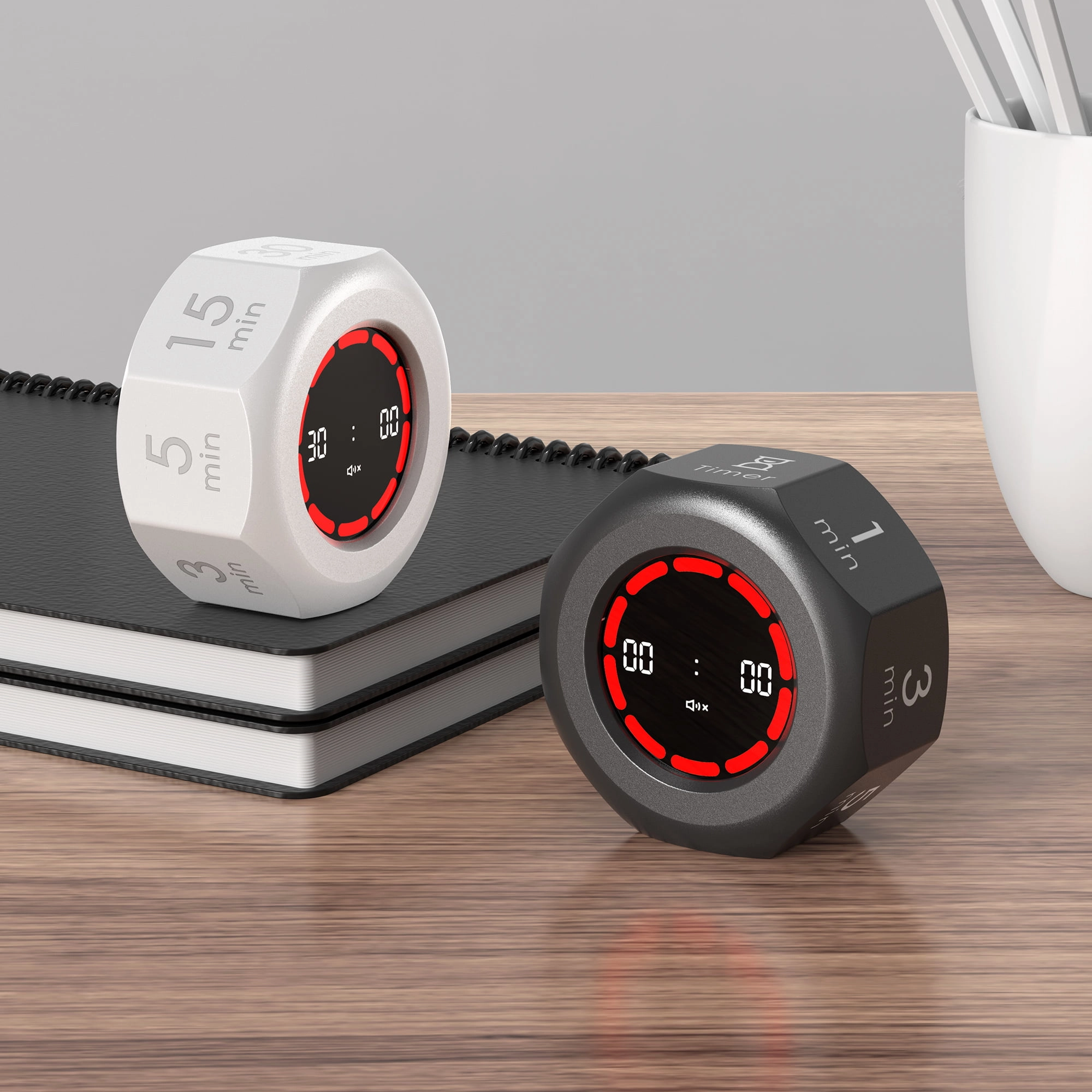
Our listed product categories include Digital Timer and pomodoro timer products, alongside thermo hygrometers and temperature humidity monitors. For buyers comparing options across these categories, the same procurement discipline applies: specify the user need, verify the exact configuration, review market-specific requirements, approve representative samples, and document change control. The relevant product brief can help determine whether a simple countdown device or a focus timer better fits the target channel and customer expectations.
Use a written brief to make the next discussion productive
Before requesting a quotation, prepare an initial brief with target markets, intended users, required timing behavior, display and alarm preferences, branding needs, packaging languages, expected order range, delivery window, and required compliance documentation. Mark mandatory requirements separately from preferences. This makes supplier responses easier to compare and helps identify unanswered questions early, before artwork, tooling, or production commitments create switching costs.
During supplier discussions, ask for evidence in a consistent format and record open items with an owner and due date. If a capability has not been verified, treat it as a point for confirmation rather than a guaranteed service. A clear specification, representative sample, documented test plan, and signed commercial terms create a stronger basis for repeat orders and a more predictable launch.
Contact us to discuss the Digital Timer, pomodoro timer, thermo hygrometer, or temperature humidity monitor options that best fit your product brief and target market.
Frequently Asked Questions
What should buyers check before choosing a visual timer supplier?
Verify product specifications, customization limits, quality controls, market-specific compliance evidence, representative samples, intellectual-property ownership, minimum order quantities, lead times, landed costs, inspection criteria, warranty support, and contract remedies.
What documents should a supplier provide for a private-label timer?
Request a model-specific specification sheet, approved sample and artwork records, inspection or functional test records, applicable compliance documentation, and a written agreement covering ownership, change control, delivery, acceptance, warranty, and remedies.
Does an ISO 9001 certificate prove that a timer complies with product regulations?
No. ISO 9001 concerns quality management system requirements; it does not replace product-specific acceptance criteria or the compliance assessment required for the device and destination market.
How can buyers reduce quality problems in a custom timer order?
Agree on a detailed specification and approved sample, define measurable inspection and acceptance criteria, require written approval for product changes, and document how nonconforming goods will be corrected, re-inspected, replaced, or otherwise remedied.
What should a visual timer supplier contract include?
The contract should identify the legal entities, product specification, quantities, schedule, payment terms, change control, compliance responsibilities, confidentiality, intellectual-property ownership, inspection and acceptance, warranty, liability, termination, and dispute procedures.
Are FCC Part 15 or EU RoHS requirements applicable to every timer?
Not necessarily. Applicability depends on product characteristics, configuration, and destination market. Buyers should request an assessment and evidence for the exact model and confirm the appropriate regulatory route before production.
Custom Branding Options for Electronic Kitchen Timers
OEM Mini Timer Solutions: Customization and MOQ Explained
Indoor Thermometer vs Hygrometer: What Buyers Need
Digital Visual Countdown Timer vs. Traditional Timers: Which Solution Fits Your Operation?
Interested in this article?
Let’s talk.
Need specifications, pricing, or customization options? We’ll provide everything you need.

Youben life
Youben life