
Private Label Visual Timer Manufacturer vs OEM Partner: Which Sourcing Model Fits Your Brand?
- Comparing branded off-the-shelf timers with custom OEM development
- What a private-label sourcing model usually covers
- What an OEM partnership can add
- Side-by-side sourcing comparison
- How to select a sourcing model against commercial requirements
- Match differentiation to customer value
- Assess order economics and timing realistically
- Write down ownership and change-control rules
- Quality, compliance, and supplier controls across the product lifecycle
- Make quality expectations auditable
- Confirm product-safety and environmental responsibilities
- Applying the sourcing decision to a wider product portfolio
- Use a staged route when market risk is uncertain
- How our product range can support sourcing discussions
- Build a supplier relationship for repeatable delivery
- Frequently Asked Questions
A private label visual timer project can use an existing product platform under a buyer’s brand, while an OEM partnership can extend to product specifications, design changes, tooling, firmware, and validation. The right route depends on launch speed, differentiation requirements, available engineering resources, order volume, intellectual-property arrangements, and total landed cost. Buyers should confirm what is included in the supplier’s standard model, which changes are feasible, who owns resulting designs, how quality and regulatory responsibilities are allocated, and whether the supplier can support repeat orders and future revisions.
Comparing branded off-the-shelf timers with custom OEM development
The terms private label and OEM are used differently across supplier markets, so procurement teams should evaluate the actual scope of work rather than rely on a label in a quotation. In one program, a supplier may offer only a logo and packaging change; in another, the same supplier may support substantial engineering modifications. A written specification and responsibility matrix make the distinction clear before sampling or commercial negotiation begins.
What a private-label sourcing model usually covers
In a typical private-label arrangement, the manufacturer already has a production-ready visual countdown timer or digital timer. The buyer selects from existing configurations and may request branding, color choices within available options, packaging, inserts, or a limited selection of accessories. Because the core design and production process already exist, this route can reduce development work and help a brand test demand without funding a completely new product platform.
The trade-off is that competing brands may be able to source a similar device. Buyers should check which specifications are fixed, such as display layout, enclosure dimensions, alarm behavior, power source, controls, and available colorways. They should also distinguish between a cosmetic change and a functional change: a different printed logo is not equivalent to a redesigned interface or revised electronic assembly. Quotations should identify the exact model, approved sample, packaging configuration, and any non-recurring charges.
What an OEM partnership can add
An OEM program is appropriate when the product brief requires changes beyond the supplier’s standard catalog. Depending on the factory’s capabilities and the agreed scope, work may include custom enclosure geometry, a distinct user interface, modified timing functions, revised materials, firmware changes, new tooling, or integration with a wider product family. These changes can create greater differentiation, but they bring additional design reviews, engineering costs, sampling stages, and validation responsibilities.
“OEM” does not automatically mean that the buyer owns every design file, mold, circuit, or software element. The contract should state who owns pre-existing intellectual property and newly developed work, whether tooling is transferable, who may use the design for other customers, and how maintenance or replacement of a tool is handled. Where branding and product identity matter, buyers can review general trademark guidance from the United States Patent and Trademark Office and obtain qualified legal advice for their markets.
Side-by-side sourcing comparison
The comparison below describes common commercial patterns, not universal supplier commitments. Actual minimum order quantities, development time, and pricing depend on the product, factory, materials, testing plan, and market requirements. Treat each point as a question to verify in the supplier proposal.
| Procurement factor | Private-label route | OEM development route |
|---|---|---|
| Starting point | Existing catalog design or production platform | Buyer-defined brief, potentially based on an existing platform |
| Branding scope | Often logo, packaging, labels, and selected available colors | May include branding plus agreed product, interface, or functional changes |
| Engineering effort | Typically lower when the standard specification is retained | Can be higher because changes require design, review, and validation |
| Launch planning | Can be simpler if samples and production capacity are ready | Requires development milestones and approval gates before mass production |
| Tooling and design rights | Often tied to the supplier’s existing platform; confirm usage rights | Must be explicitly negotiated for new tooling, files, firmware, and inventions |
| Best-fit objective | Test a market or expand a range with controlled differentiation | Build a more distinctive product against defined requirements |
How to select a sourcing model against commercial requirements
The best sourcing decision is not necessarily the option with the lowest quoted unit price. Brand owners need to evaluate the entire product program: design and setup costs, sample iterations, packaging, freight, duties, inspection, warranty exposure, inventory risk, and the cost of future changes. A decision matrix helps procurement, product, quality, and marketing teams compare the same assumptions.
Match differentiation to customer value
Start with the buyer problem the timer must solve. A straightforward classroom, home, or office countdown use case may be served by an existing device if its visibility, controls, alarm, mounting, and power characteristics meet the intended use. If customer research identifies a meaningful unmet requirement—such as a distinct control arrangement, a specific enclosure format, or a feature that separates the product from common alternatives—custom engineering may justify its cost.
Separate essential requirements from preferences. Requirements should be measurable where possible: viewing distance, operating environment, display readability, acceptable sound behavior, expected usage cycle, packaging dimensions, and labeling language. Preferences such as a particular finish or button feel can be evaluated during sampling. This prevents a development project from accumulating changes that increase cost without improving the customer proposition.
Assess order economics and timing realistically
Request a cost breakdown that distinguishes unit price from one-time expenses, including artwork setup, engineering, molds, fixtures, software work, testing, and sample delivery. Ask suppliers to quote against more than one volume scenario where practical, and clarify whether the price assumes a particular packaging quantity, component availability, or payment schedule. Minimum order quantity is supplier- and configuration-specific; it should never be assumed from the sourcing-model name alone.
Build a milestone schedule around approved specifications, prototype delivery, design changes, pre-production approval, production, inspection, and shipping. An existing catalog model may shorten early development, but branding materials and market readiness still take time. A custom product may require several review cycles. Avoid committing to a retail launch date until the supplier confirms the critical path, identifies long-lead components, and agrees how delays or specification changes will be communicated.
Write down ownership and change-control rules
Before paying for development, define the deliverables: drawings, bills of materials, firmware versions, packaging files, test records, samples, and tooling details. The agreement should identify which items are supplier background technology and which are project-specific. It should also set rules for design changes, substitutions, engineering change notices, confidentiality, production at another facility, and access to tooling if the relationship ends.
These details matter after launch, not just during negotiation. If a component becomes unavailable or a product defect requires a corrective action, both parties need a defined route to assess impact, approve alternatives, and preserve traceability. Clear documentation also reduces the risk that future production quietly diverges from the sample approved by the brand.
Quality, compliance, and supplier controls across the product lifecycle
A sourcing model does not replace a quality system or a market-specific compliance review. Buyers should define intended markets, product claims, age group, power design, materials, labeling, packaging, and applicable safety or environmental obligations early enough for the supplier to plan evidence and testing. Requirements vary by jurisdiction and product configuration, so the buyer should obtain qualified regulatory advice when needed.
Make quality expectations auditable
Ask how incoming components, assembly steps, finished goods, and nonconforming products are controlled. A quality-management framework can provide useful structure for documented processes, corrective action, and continual improvement; the ISO 9001 quality management overview explains the standard’s general purpose. Certification, if claimed, should be checked for its scope, issuing body, validity, and relevance to the actual manufacturing site. It is not a substitute for product-specific inspection or testing.
For a timer, inspection planning can address display operation, button response, countdown accuracy against an agreed test method, alarm function, enclosure finish, battery compartment or charging behavior, and packaging condition. Buyers should define sample size, acceptance criteria, defect classification, and the response to a failed inspection. Retained reference samples and controlled revisions help ensure that repeat orders match the approved design.
Confirm product-safety and environmental responsibilities
Electrical and electronic products may be subject to safety requirements that depend on design, power source, intended use, and destination market. The International Electrotechnical Commission standards portal provides access to international electrotechnical standards; the relevant standard should be determined for the actual product rather than assumed from a broad product category. The contract should specify who arranges testing, who holds reports, how changes are assessed, and which party approves required labels and user instructions.
Environmental expectations also merit early discussion, especially where customers request restricted-substance declarations, packaging data, or supplier environmental controls. ISO 14001 environmental management information describes a management-system framework, but buyers still need to verify the specific product and supply-chain documentation required for their markets. Do not treat a general certificate as proof that every component or shipment meets every applicable regulation.
Applying the sourcing decision to a wider product portfolio
After the commercial and technical requirements are clear, the sourcing choice should support the brand’s wider portfolio strategy. A company launching one countdown device may prioritize speed and a manageable first order. A distributor building a coordinated range may place greater value on consistent packaging, common user instructions, stable colors, and supplier responsiveness across several product categories. The right model can differ by product within the same portfolio.
Use a staged route when market risk is uncertain
For an unproven category, buyers can begin with a suitable existing platform, gather customer feedback, and use sales and service data to identify valuable product changes. This staged approach limits early commitment while generating evidence for a later custom program. It works only if the initial specification is fit for purpose and if the supplier can maintain consistent quality and supply; an inexpensive first order is not a success if defects or weak differentiation damage the brand.
For a product with a well-defined commercial opportunity, a requirements-led OEM project can be planned from the outset. Set decision gates: concept approval, engineering feasibility, prototype review, compliance plan, production readiness, and launch authorization. At each gate, record open risks, owners, due dates, and acceptance criteria. That structure helps prevent marketing timelines from overtaking engineering and procurement realities.
How our product range can support sourcing discussions
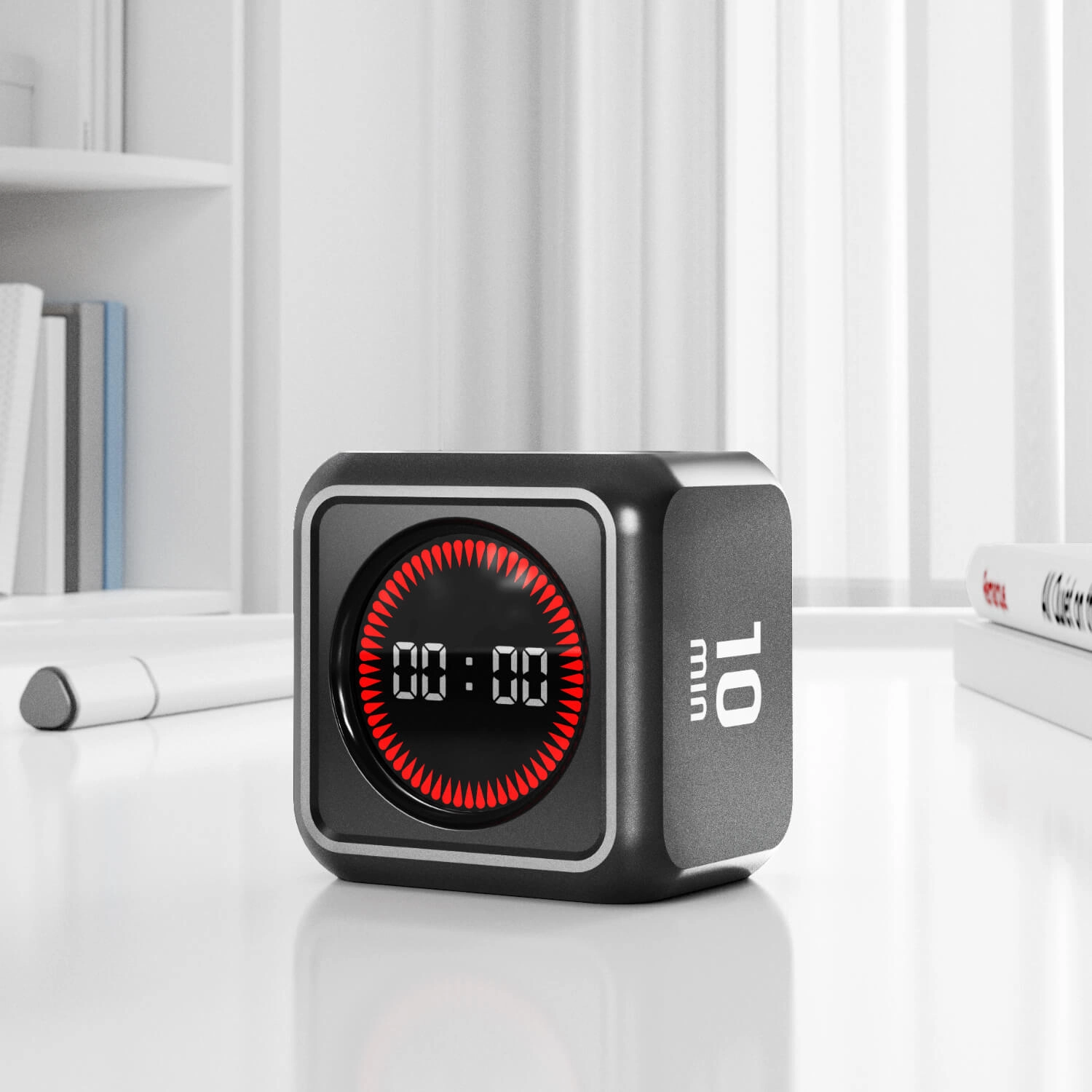
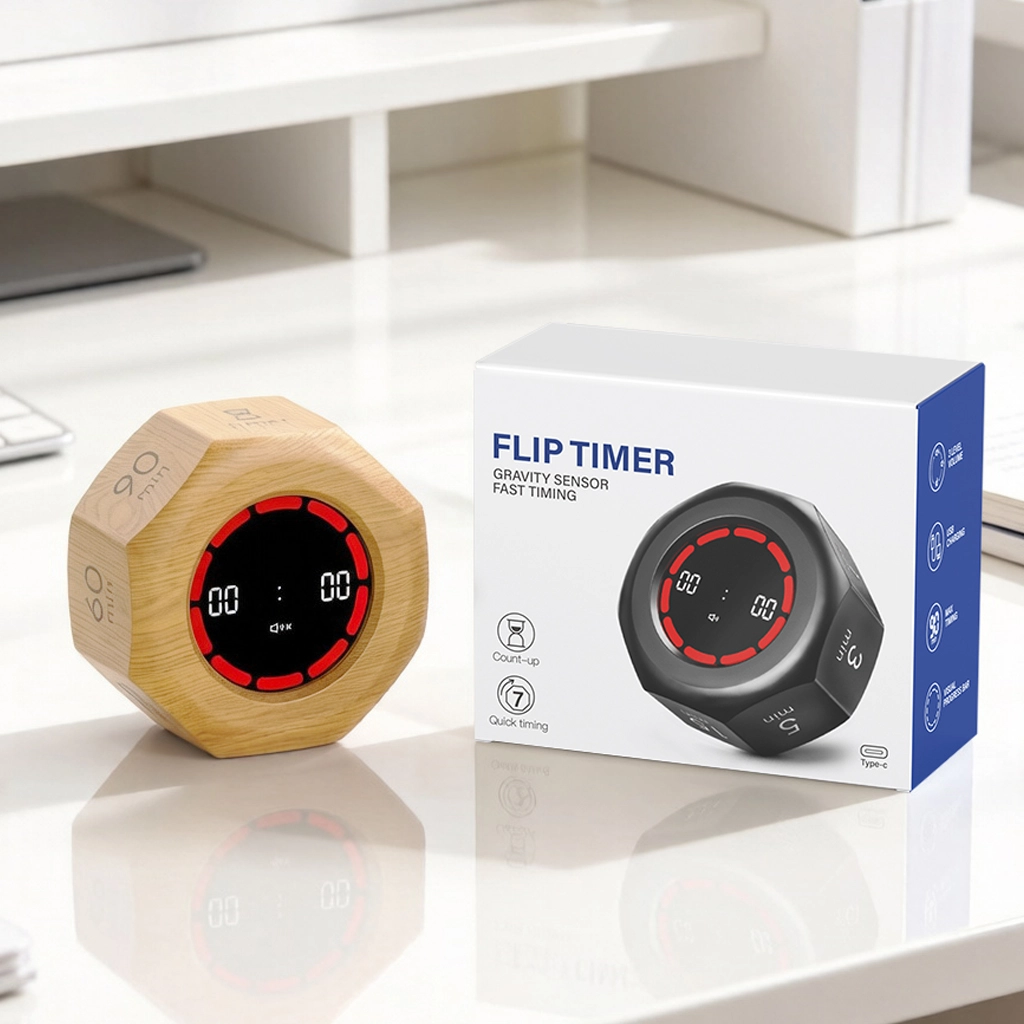
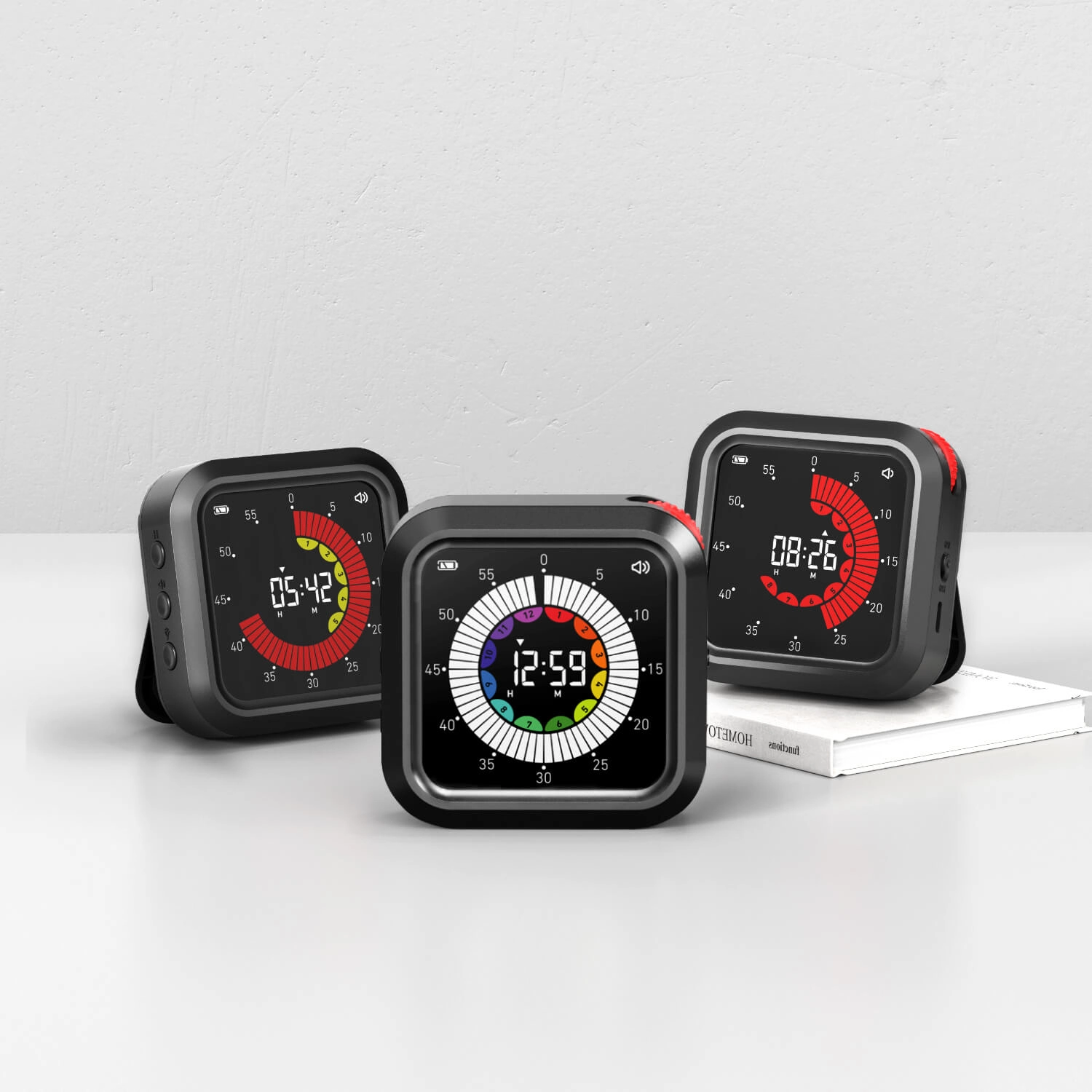
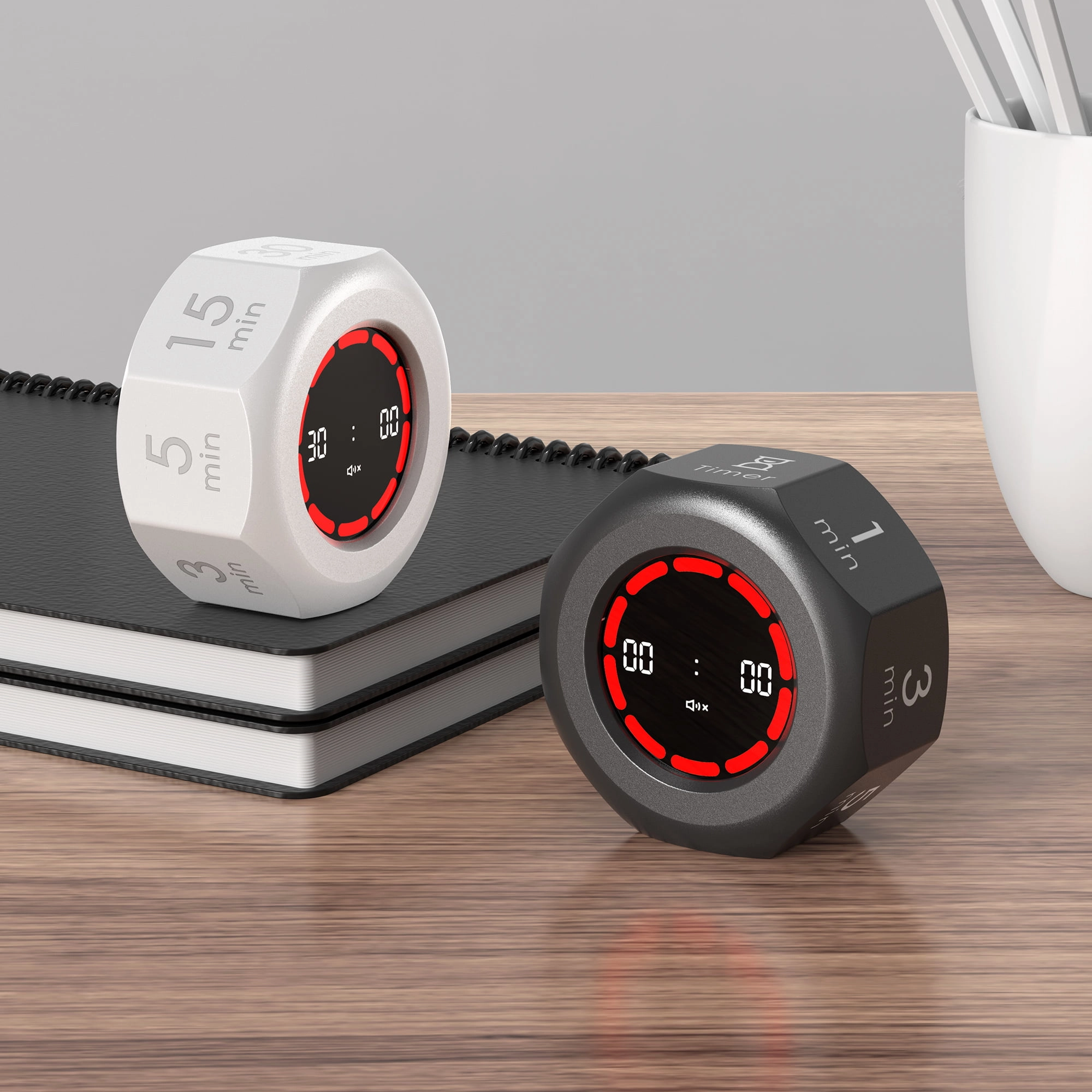
Our portfolio includes Digital Timer and pomodoro timer products, as well as thermo hygrometer and temperature humidity monitor categories. These products serve related timing, focus, and environmental-monitoring needs, giving buyers options to assess when planning a focused product assortment. The exact availability of branding, packaging, color, or engineering changes depends on the selected model and confirmed project scope, so requirements should be reviewed before commercial commitments are made.
We encourage buyers to compare each candidate product against a written brief, approved sample, and intended sales channel. Our team can discuss the intended application, target market, preferred configuration, packaging requirements, expected volumes, and requested schedule so that the appropriate sourcing route can be evaluated. Any technical or compliance claim should be confirmed against the specific model, manufacturing arrangement, and destination-market requirements rather than inferred from a product category.
Build a supplier relationship for repeatable delivery
Regardless of whether the project starts from a standard design or a custom brief, long-term value depends on communication and control after the first order. Buyers should agree on forecast updates, order confirmation, production status reporting, lot identification, complaint escalation, corrective-action timelines, and the process for approving revisions. A supplier that communicates constraints early can help the brand make better inventory and launch decisions.
The sourcing decision should therefore be documented as a business case, not just a product preference. Record the customer need, differentiation required, cost assumptions, development risks, quality plan, ownership terms, and future product roadmap. Revisit those assumptions after initial sales and field feedback. If the market validates the concept, deeper customization may become commercially sound; if not, the brand can retain flexibility without carrying unnecessary development commitments.
Contact our team to discuss timer and environmental-monitoring product options, or review our product range to identify a suitable starting point for Youben life.
Frequently Asked Questions
What is the difference between private-label and OEM timer sourcing?
Private-label sourcing commonly uses an existing production-ready design with branding or packaging changes. OEM development can include requirements-led product, interface, tooling, or firmware changes, depending on the agreed scope.
Does OEM mean the buyer owns the product design and tooling?
No. Ownership of pre-existing intellectual property, new designs, firmware, and tooling must be defined in the contract. Buyers should also establish whether tooling can be transferred and whether the supplier may use project-specific designs for other customers.
Which sourcing model is better for a first product launch?
A private-label route can be suitable when an existing model meets the customer need and a faster, lower-development launch is important. OEM development may be justified when specific product features or differentiation are central to the business case.
How should buyers compare supplier quotes for a visual timer?
Compare more than unit price. Review setup and engineering fees, tooling, testing, packaging, sample costs, minimum order quantities, payment terms, inspection, freight, and the assumptions behind each quote. Confirm the exact model and approved configuration.
What quality checks should be included for a timer order?
The inspection plan can cover display operation, button response, countdown accuracy against an agreed method, alarm function, enclosure finish, power or battery behavior, and packaging. Buyers should set acceptance criteria, defect classifications, sample sizes, and corrective-action expectations.
What should be agreed before starting custom timer development?
Document the product requirements, project deliverables, ownership of existing and newly developed intellectual property, tooling rights, change-control process, compliance responsibilities, milestones, sample approvals, and production acceptance criteria.
Top digital timer clock Manufacturers and Suppliers
Custom Pomodoro Timer Quality Control Checklist for Buyers
Wholesale digital timer for grow lights manufacturer and supplier
What Certifications Should You Look for When Selecting a Visual Timer Manufacturer?
Interested in this article?
Let’s talk.
Need specifications, pricing, or customization options? We’ll provide everything you need.

Youben life
Youben life