
Private Label Visual Timer Certifications and Testing Requirements for Different Target Markets
- Market-entry compliance for branded visual countdown products
- European Union: assess product legislation by feature
- United States and Canada: distinguish emissions, safety, and child use
- Other destinations: use a country-specific review
- Build a test plan around product construction and risk
- Electrical safety and electromagnetic compatibility
- Materials, batteries, and mechanical durability
- Comparison of common compliance workstreams
- Control documentation, labeling, and supplier changes
- Review certificates and reports at model level
- Align markings, instructions, and packaging with the destination
- Manage engineering changes before mass production
- Turn compliance planning into a dependable private-label program
- Coordinate product scope with launch priorities
- Connect quality evidence to repeat orders
- Plan for a wider timing and environmental-monitoring range
- Frequently Asked Questions
Certification and testing for a branded visual timer depend on where it will be sold, how it is powered, whether it includes wireless functions, and whether it is marketed to children or another regulated user group. A sound procurement plan starts by classifying the product, mapping destination-market rules, and testing the final production-representative design—not merely a similar model. For brand owners and distributors, the key controls are a documented compliance matrix, verified component records, accurate labels and instructions, and change management that keeps the tested product aligned with mass production.
Market-entry compliance for branded visual countdown products
A visual countdown device can range from a purely mechanical dial to a battery-powered electronic appliance with a display, sound, USB charging, or radio connectivity. Those design choices change the applicable test plan. Before requesting quotes, buyers should define the power source, battery chemistry, display and alarm functions, wireless modules, intended age group, packaging claims, and every country in the initial sales launch. A single generic “CE certificate” or supplier declaration does not establish compliance in every market or for every configuration.
European Union: assess product legislation by feature
For products with radio functions such as Bluetooth or Wi-Fi, the Radio Equipment Directive (RED) sets requirements relating to health and safety, electromagnetic compatibility, and efficient use of radio spectrum. The applicable route and evidence depend on the radio technology and harmonized standards used; details are available in the EU Radio Equipment Directive. A timer without radio should not be treated as radio equipment solely because it is electronic. Its electrical and EMC obligations still need to be reviewed against the relevant product design and EU legislation.
Electronic devices may also fall within the EU Restriction of Hazardous Substances framework. RoHS compliance is typically supported by material declarations, supplier evidence, and, where risk justifies it, testing of homogeneous materials. The European Commission’s RoHS Directive overview explains the scope and substance restrictions. Packaging and end-of-life obligations, including applicable waste and producer-responsibility rules, should be checked separately rather than assumed to be covered by a product safety report. The EU General Product Safety Regulation may also be relevant to consumer products and associated traceability and safety information.
United States and Canada: distinguish emissions, safety, and child use
In the United States, digital electronics can require evaluation for radio-frequency emissions under FCC rules, depending on the device and its classification. A radio-enabled timer may also need transmitter authorization. The FCC’s equipment authorization guidance describes the authorization framework; buyers should have the laboratory or compliance specialist identify the applicable procedure for the exact model. FCC emissions compliance is not the same as electrical product-safety certification, and a buyer, retailer, insurer, or workplace procurement program may separately request a recognized safety evaluation.
If the product is designed or marketed primarily for children, or otherwise falls within relevant children’s product rules, additional testing and certification obligations may apply. The U.S. Consumer Product Safety Commission explains the Consumer Product Safety Improvement Act, including requirements that can affect lead, certain phthalates, and children’s product certification. In Canada, assess applicable electrical safety, electromagnetic compatibility, and radio requirements for the product and sales channel; do not assume U.S. reports automatically satisfy Canadian requirements.
Other destinations: use a country-specific review
For Great Britain, determine which conformity marking and technical documentation route applies to the product category and current market rules; Northern Ireland can follow a different regime. Australia and New Zealand require a review of applicable electrical safety and electromagnetic compatibility obligations, including whether the product is within a regulated electrical equipment category. Japan’s PSE framework applies to specified electrical products, while radio functions can trigger separate approvals. These examples are starting points, not a substitute for checking the current scope and local importer responsibilities. A distributor should confirm the requirements with a local compliance professional before printing destination-specific packaging.
Build a test plan around product construction and risk
Testing should confirm that the retail product, accessories, firmware, and production materials match the intended market claims. A laboratory test report is useful only when the tested sample is representative and the report clearly identifies the model, configuration, standards or methods applied, and relevant deviations. Buyers should ask the supplier to connect each report to a controlled bill of materials and production revision.
Electrical safety and electromagnetic compatibility
For a battery-only timer, electrical safety risks may center on battery access, short circuits, overheating, enclosure integrity, and foreseeable misuse. A USB-powered or mains-powered design adds questions about the external adapter, electrical insulation, temperature rise, abnormal operation, and connector ratings. The proper evaluation depends on the construction and applicable product standards; avoid assuming that a low-voltage input removes every safety obligation. If an adapter is supplied, verify its approvals and ratings for each destination, and confirm whether it is included in the final tested configuration.
EMC assessment commonly considers whether the device emits disruptive electromagnetic energy and, where applicable, whether it can tolerate disturbances in its operating environment. Digital displays, switching circuits, buzzers, and wireless transmitters can affect the test configuration. A useful plan lists operating modes, charging states, alarm operation, cable arrangements, and radio transmit conditions. For a radio-enabled model, the radio test plan should cover the actual antenna and module integration rather than rely only on a component vendor’s paperwork.
Materials, batteries, and mechanical durability
Material compliance requires control of plastics, coatings, solder, cables, and purchased electronic components. Request current declarations for restricted substances and retain traceable supplier records; use targeted laboratory screening when documentation is missing, inconsistent, or high risk. If the product contains a lithium battery, shipping compliance is a separate workstream from product certification. The UN Manual of Tests and Criteria includes the UN 38.3 test requirements for lithium cells and batteries transported under applicable dangerous-goods rules. Obtain the applicable test summary and confirm the battery model and configuration match the goods being shipped.
Mechanical and usability checks should address the product’s real use environment: dial readability, hand or knob durability, stability on a desk, drop exposure, button life, battery-door retention, alarm volume, and cleaning instructions. For products marketed to classrooms, clinics, or shared workplaces, repeated handling and clear operation can matter as much as basic function. These checks are not automatically a statutory certification program; they are practical quality controls that reduce returns, complaints, and failures after launch.
Comparison of common compliance workstreams
The table below distinguishes the principal purpose of common evaluations. It is a planning aid rather than a universal list of mandatory certificates; applicability must be confirmed for each product and country.
| Workstream | Typical trigger | What buyers should verify | Common evidence |
|---|---|---|---|
| Radio and spectrum | Bluetooth, Wi-Fi, or another radio transmitter | Country authorization, antenna and module configuration, firmware and operating modes | Radio test reports, grant or approval records, technical file |
| EMC and emissions | Digital electronics, switching circuits, or radio equipment | Applicable market rules, test setup, cables, chargers, and operating modes | EMC reports and model-specific compliance documentation |
| Electrical safety | Mains power, supplied adapter, rechargeable design, or buyer/retailer requirement | Electrical ratings, abnormal operation, enclosure, thermal and access risks | Safety evaluation or certification records where applicable |
| Restricted substances | Electronic product or market-specific materials rules | Component-level declarations, material changes, coating and cable coverage | Supplier declarations, material data, risk-based test reports |
| Lithium battery transport | Product contains lithium cells or batteries for shipment | Battery identity, tested configuration, shipping mode and documentation | UN 38.3 test summary and transport records as applicable |
| Children’s product rules | Design or marketing is directed to children, or other scope criteria apply | Age grading, accessible components, substance limits and certification duties | Applicable test reports and children’s product certificate where required |
Control documentation, labeling, and supplier changes
Compliance failures often arise not from a missing test alone, but from a gap between the tested sample and the item shipped. Procurement teams should make the compliance package a controlled deliverable in the purchase specification. At minimum, collect the product description and model list, bill of materials, critical component certificates or declarations, laboratory reports, risk assessment where required, labels, user instructions, packaging artwork, and the responsible manufacturer or importer details required by the destination.
Review certificates and reports at model level
Check the issuing organization, report number, date, standard edition, sample photographs, model identifiers, test configuration, and any exclusions. A document for a visually similar device may not cover a different PCB, power adapter, battery, antenna, casing material, or software behavior. For radio products, confirm that the final device integration is within the authorized configuration. Ask the supplier to explain discrepancies rather than accepting a cover page or logo as proof of full compliance.
Align markings, instructions, and packaging with the destination
Markings and instructions should be reviewed for accuracy, legibility, language, and consistency with the actual product. This includes ratings, battery information, warnings, manufacturer or importer identity, recycling symbols where applicable, and conformity marks only when the relevant route permits them. Avoid applying a mark before the responsible party has confirmed the applicable legal basis and completed the required documentation. Keep market-specific artwork versions under revision control to prevent a compliant label from being replaced with an outdated design during reorders.
Manage engineering changes before mass production
Require written notification before substitutions to batteries, displays, adapters, radio modules, plastics, suppliers, firmware, or manufacturing sites. The compliance owner should assess whether a change requires document review, partial retesting, or a new evaluation. A golden sample, signed specification, incoming inspection plan, and periodic production audit help connect the approved design to delivered stock. These controls also give brand owners a clear escalation path when an urgent component shortage prompts a proposed alternative.
Turn compliance planning into a dependable private-label program
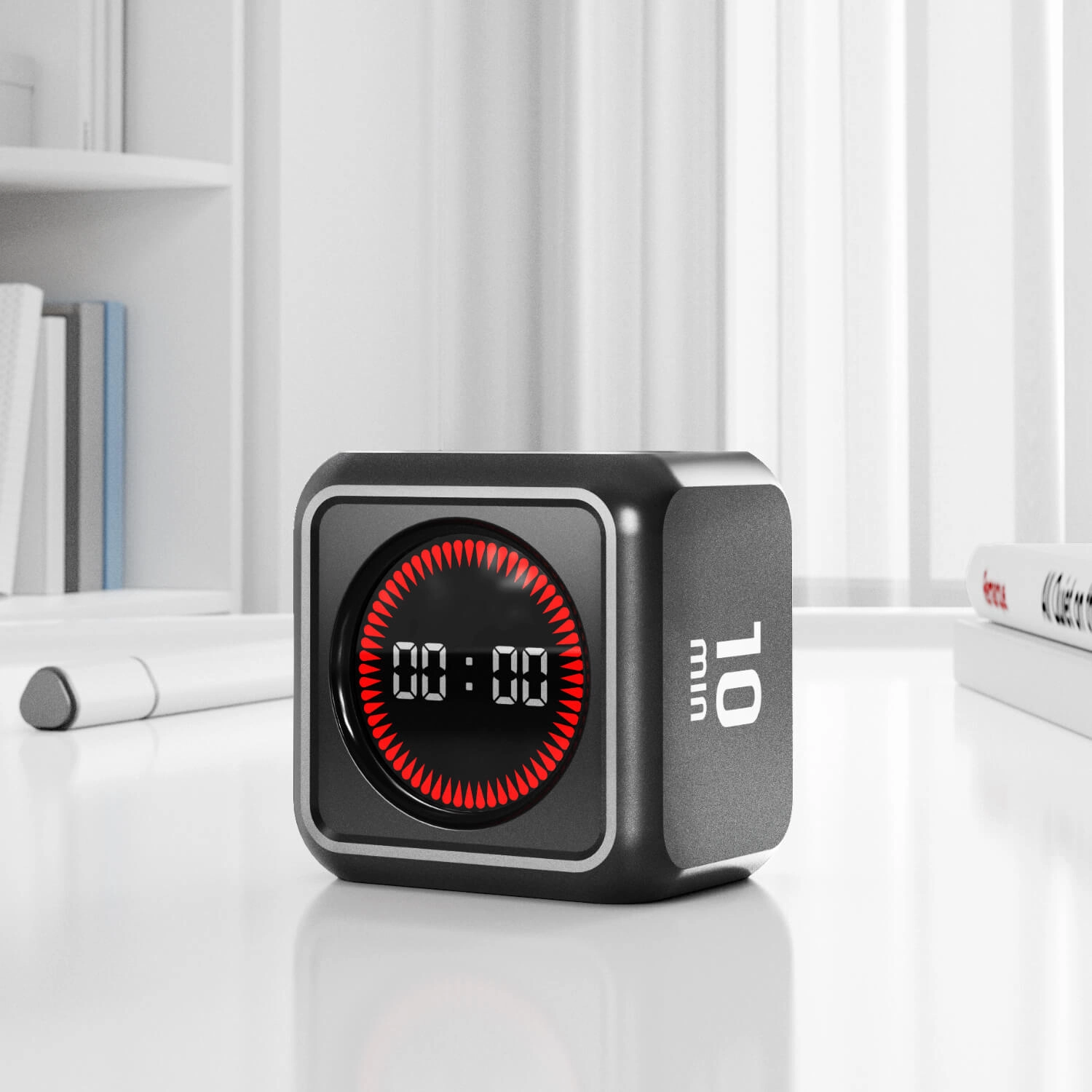
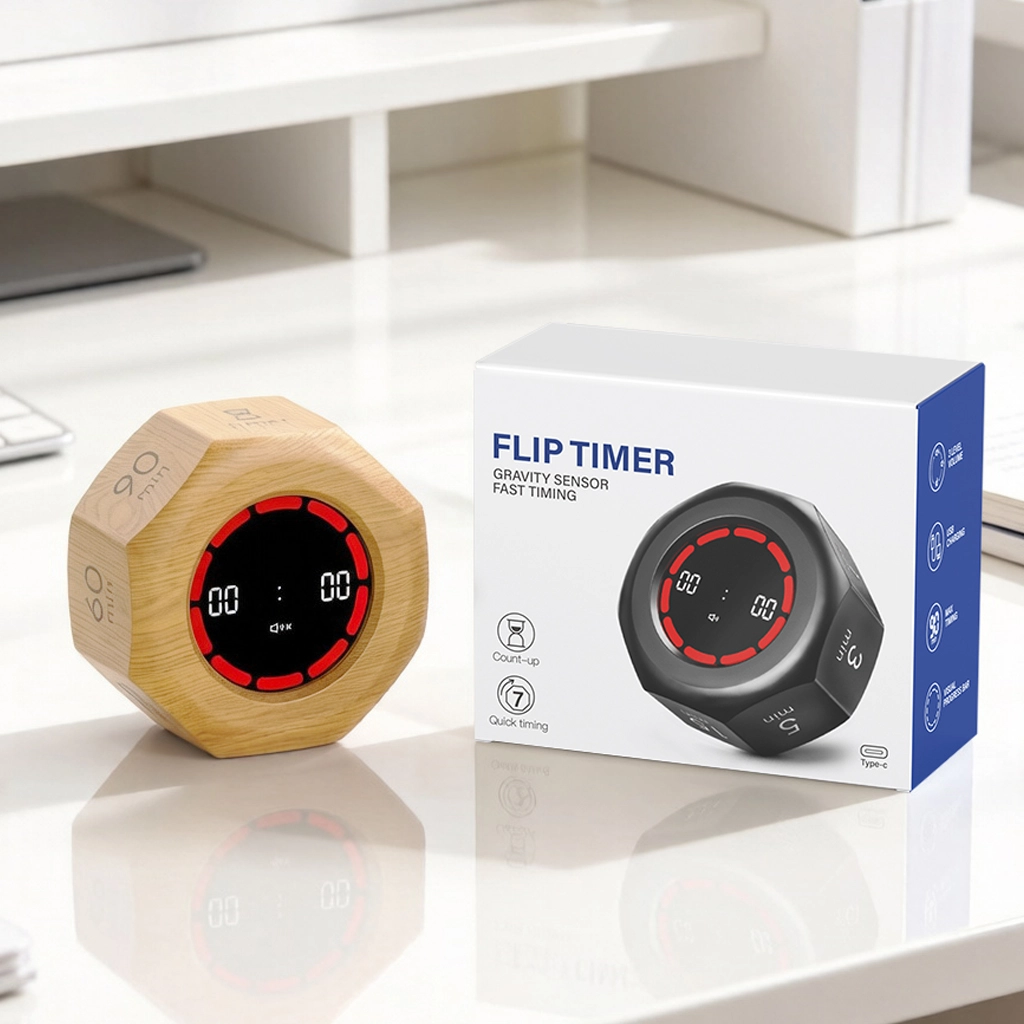
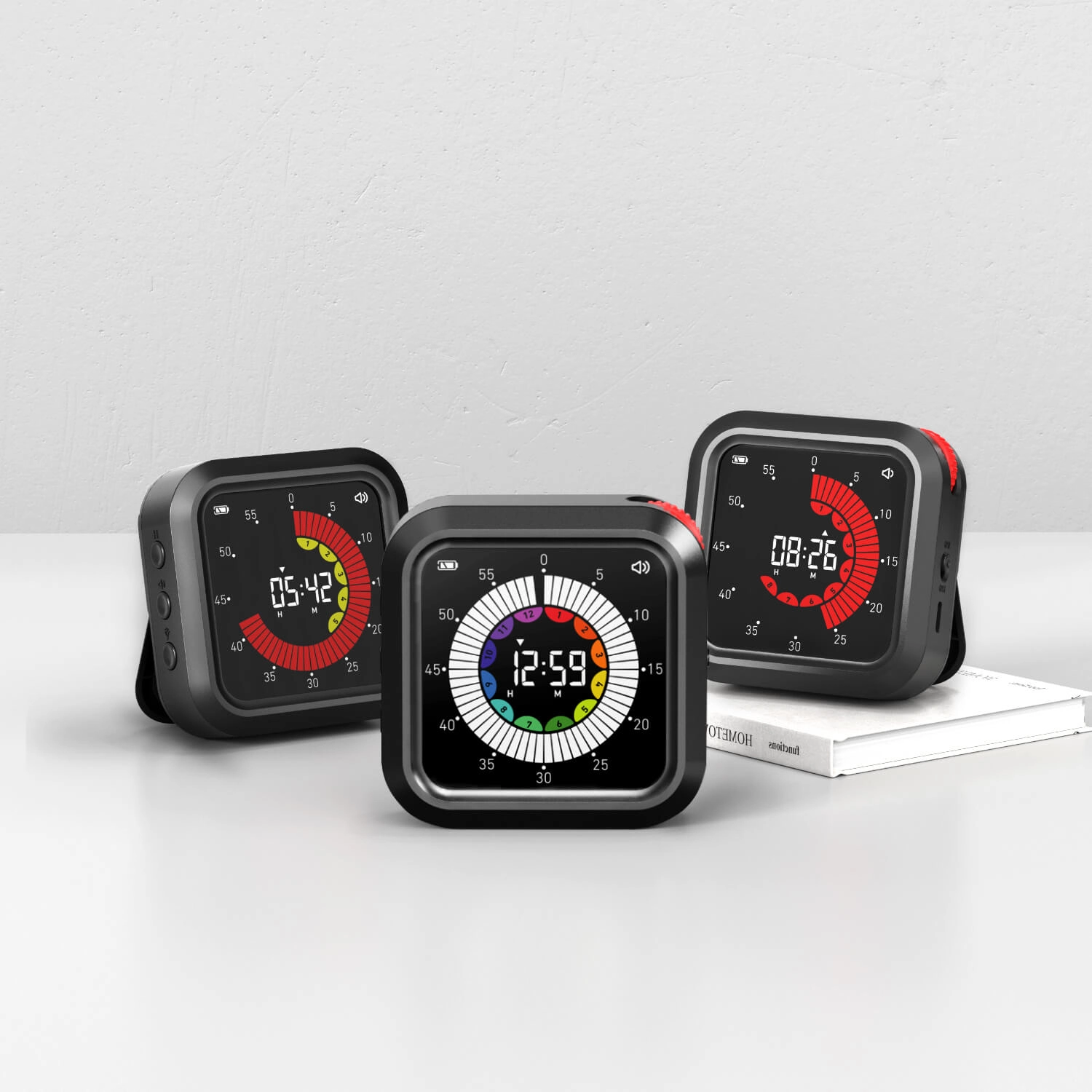
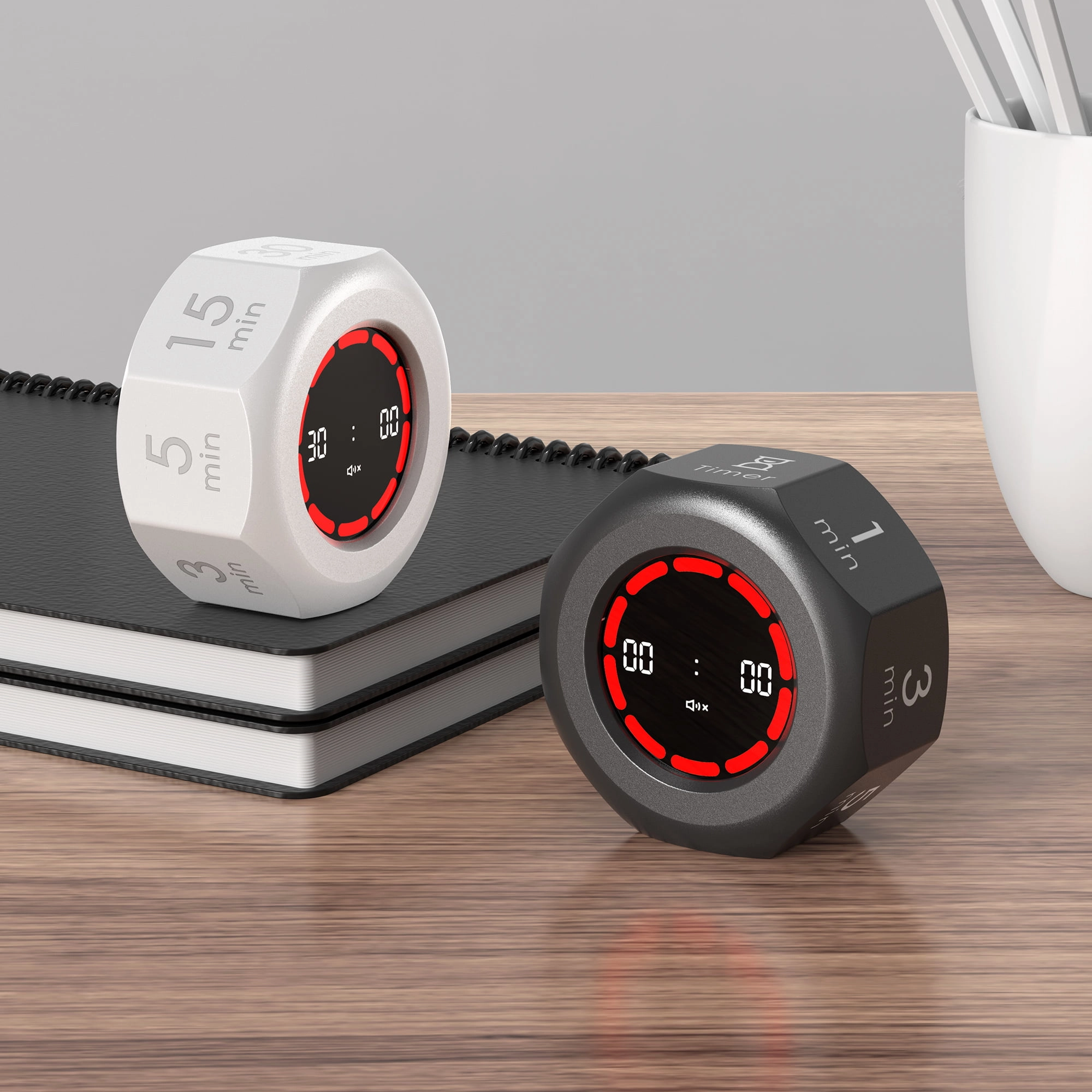
For our product programs, we treat market access as a design and sourcing requirement rather than a final packaging task. Buyers can align a visual countdown device with the intended sales region, target user, power method, and requested functions before specifications are frozen. This early alignment helps identify where an electronic Digital Timer, a pomodoro timer, a thermo hygrometer, or a temperature humidity monitor may require different evidence because of its components, power arrangement, display, or wireless features. Product category alone does not determine compliance; the precise construction and claims do.
Coordinate product scope with launch priorities
Our team can work from a buyer’s destination list and product brief to organize model options, functional requirements, sample review, labeling needs, and documentation requests. A focused launch plan separates mandatory legal requirements from retailer policies, voluntary marks, and internal quality targets. That distinction helps prevent avoidable testing while ensuring that cost or schedule pressure does not lead to unsupported compliance claims. Buyers should confirm the final legal scope with the responsible importer and an accredited or otherwise qualified conformity-assessment provider.
Connect quality evidence to repeat orders
We support a disciplined handoff from approved sample to production by documenting product configuration and identifying the records needed for repeat purchasing. For distributors and brand owners, this can improve bid readiness, simplify retailer onboarding, and make future market extensions easier to assess. The practical value is not a promise that one test report covers every country; it is a clearer evidence trail, fewer last-minute design changes, and better visibility into what must be rechecked when a product evolves.
Plan for a wider timing and environmental-monitoring range
A buyer developing a broader desk, education, workplace, or home product range may evaluate digital timers alongside humidity and temperature-monitoring products. Our product discussions can cover functional differentiation, private-label presentation, sampling, and the documentation package requested for the target channel. Each model still requires its own scope review: a wireless sensor, a mains adapter, a child-oriented package, or a different battery can materially change the assessment. Confirming these points before tooling, artwork approval, and shipment booking helps protect launch timing and margin.
Contact our team to discuss target-market requirements and review suitable timer and environmental-monitoring products for your next private-label program.
Frequently Asked Questions
Does every electronic visual timer need FCC authorization?
Not every device follows the same authorization route. Digital electronics can require evaluation for radio-frequency emissions, while radio-enabled models may also need transmitter authorization. The laboratory or compliance specialist should identify the applicable procedure for the exact model and configuration.
Does a CE mark prove that a timer is compliant in every country?
No. Requirements depend on the destination market, product features, and applicable legal route. A CE mark or supplier declaration does not establish compliance in every market, and country-specific requirements and importer responsibilities should be checked separately.
What changes can make an existing test report no longer representative?
Changes to the PCB, power adapter, battery, antenna, casing material, firmware behavior, supplier, or manufacturing site can affect compliance or the report’s coverage. Buyers should require advance notification and assess whether document review or retesting is needed.
Is battery transport testing the same as product safety certification?
No. Lithium battery transport compliance is a separate workstream from product certification. For applicable lithium batteries, buyers should confirm the battery model and configuration, obtain the relevant UN 38.3 test summary, and check shipping documentation requirements.
What compliance issues apply if a visual timer is marketed to children?
Children’s product rules may add requirements when a product is designed or marketed primarily for children, or otherwise falls within the relevant scope. Depending on the product and rules, buyers may need to assess age grading, accessible components, substance limits, testing, and certification duties.
What documents should a buyer request from a timer supplier?
Request model-specific laboratory reports, product and model descriptions, bill of materials, relevant component records or declarations, labels, user instructions, packaging artwork, and applicable risk or conformity documentation. Confirm that each document matches the production configuration and destination markets.
Bulk Sourcing Pomodoro Digital Timers: Cost, MOQ & Tips
Packaging and Labeling Best Practices for Pomodoro Timers
Best portable reading timer manufacturers and supplier brands
Top 10 large display desk clock for seniors manufacturers and suppliers
Interested in this article?
Let’s talk.
Need specifications, pricing, or customization options? We’ll provide everything you need.

Youben life
Youben life