
Private Label Pomodoro Timer Supplier Evaluation: 12 Questions Brand Buyers Should Ask
- How to Qualify a Branded Focus-Timer Manufacturing Partner
- 1. Can the supplier develop a genuinely differentiated product?
- 2. What can be customized at the hardware and firmware level?
- 3. How does the supplier validate usability before tooling?
- Commercial, Quality, and Compliance Questions for Digital Timer Sourcing
- 4. Which materials, components, and suppliers are used?
- 5. What quality-management system controls production?
- 6. Which certifications apply to the destination market?
- 7. What is the real landed cost rather than the quoted factory price?
- Questions About Capacity, Packaging, and Long-Term Program Support
- 8. Can the factory meet launch volume and replenishment demand?
- 9. What are the minimum order quantities and sampling policies?
- 10. How will packaging and retail readiness be managed?
- 11. How are warranty, spare parts, and field failures handled?
- Why Youben life Is Positioned for Turnkey Timer Programs
- 12. Does the partner combine engineering depth with manufacturing control?
- How our product and compliance capabilities support brand owners
- How to begin a supplier evaluation with Youben life
- Frequently Asked Questions
Choosing a supplier for a branded focus timer is a product-development decision, not simply a sourcing exercise. Buyers must assess whether a manufacturer can translate a productivity concept into reliable hardware, distinctive industrial design, stable firmware, compliant electronics, retail-ready packaging, and repeatable production. The strongest evaluation process examines 12 areas: engineering capability, customization, user experience, materials, tooling, quality control, certification, capacity, minimum order quantity, packaging, after-sales support, and total commercial risk.
How to Qualify a Branded Focus-Timer Manufacturing Partner
1. Can the supplier develop a genuinely differentiated product?
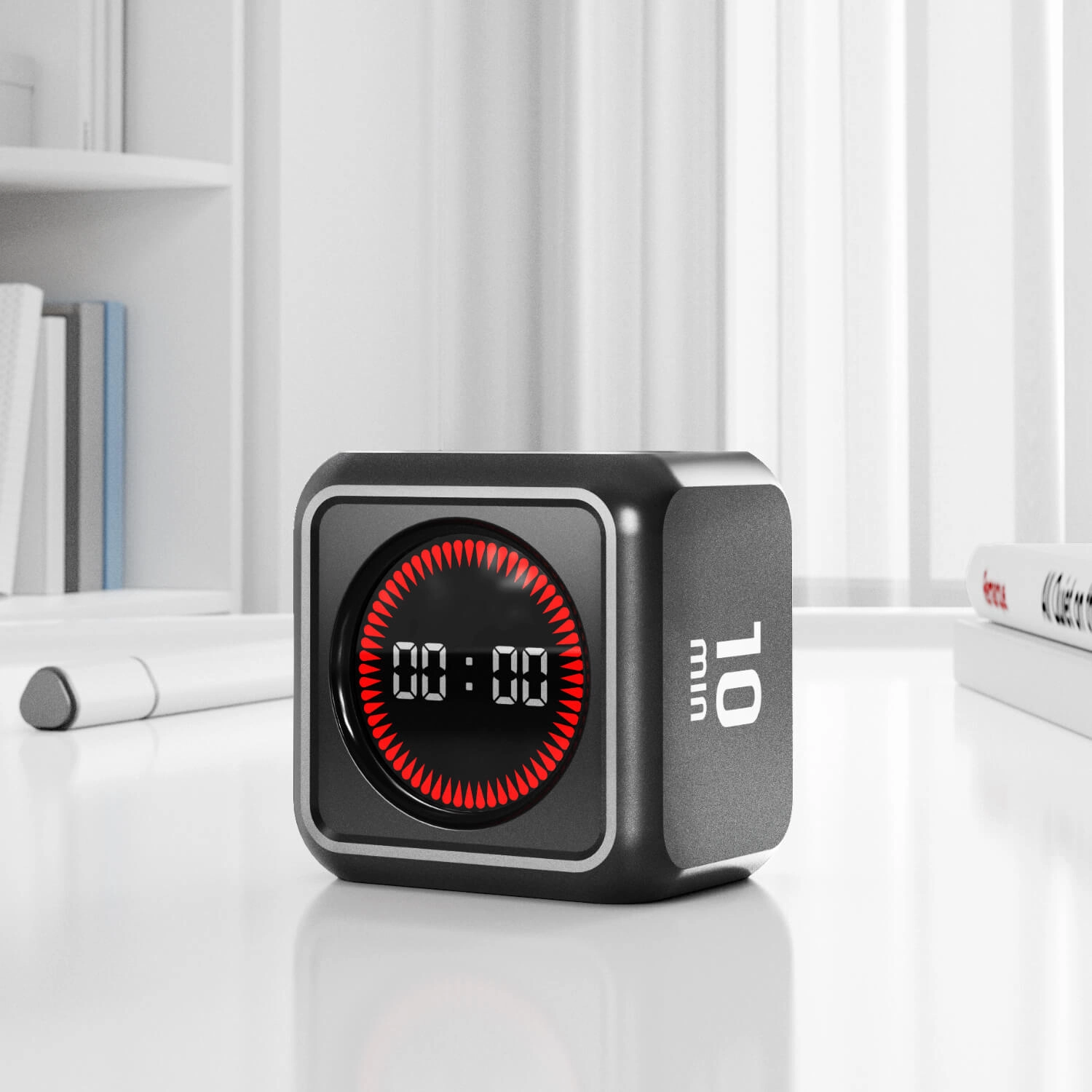
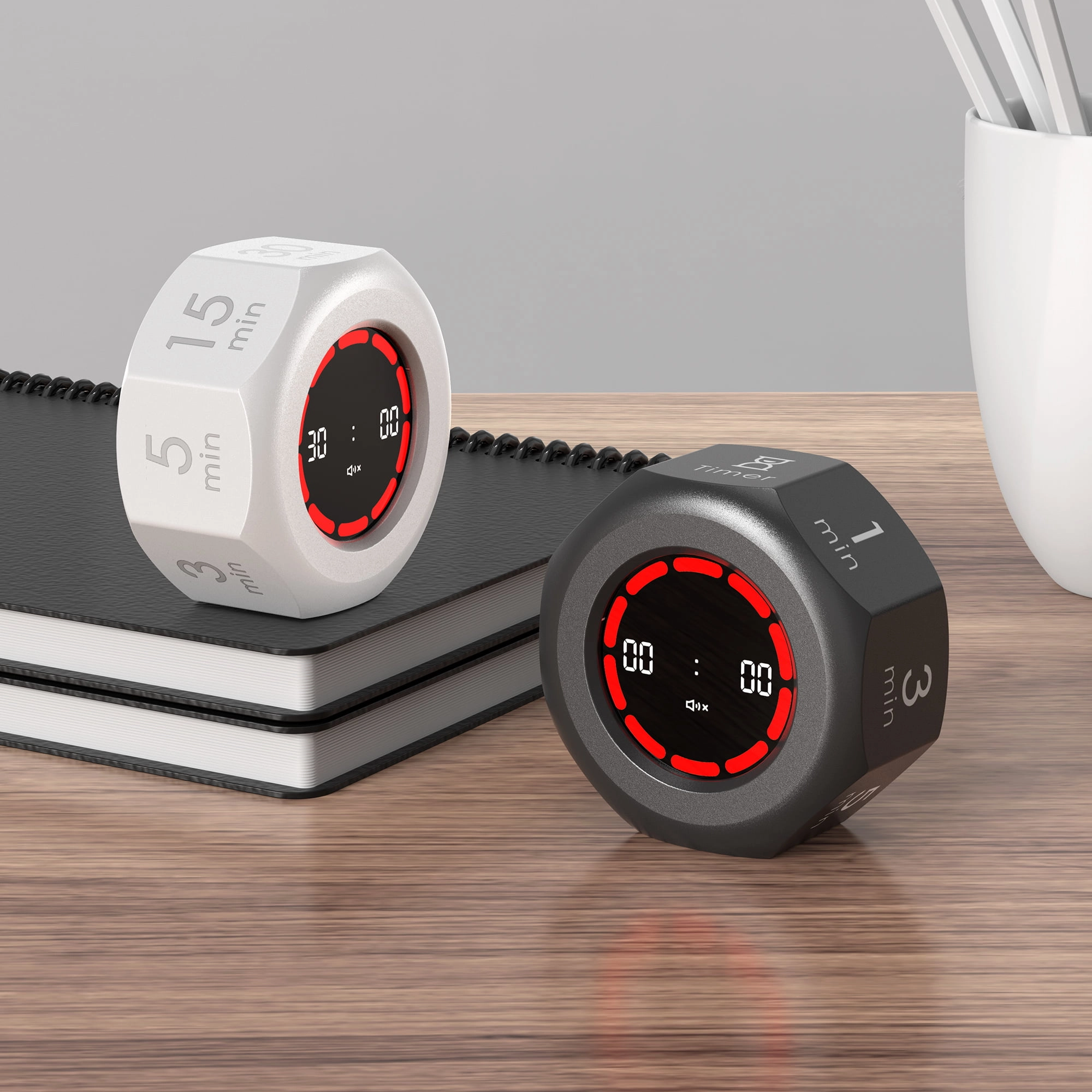
Ask whether the factory offers original design manufacturing or only logo application on an existing catalog model. A competitive time-management device may require a custom enclosure, magnetic or foldable structure, large high-contrast digits, rotary controls, silent operation, memory functions, visual progress indication, or a distinctive desktop footprint. The supplier should be able to show design concepts, engineering drawings, sample revisions, and examples of design-for-manufacturing decisions.
Industrial design is commercially important because a timer is often purchased as a visible desk accessory, classroom tool, kitchen aid, or wellness product. A supplier that can coordinate ID and MD work can reduce handoffs between a design agency, electronics developer, tooling vendor, and assembly plant. Buyers should ask who owns the final drawings, whether design files are editable, and how design changes are controlled after approval.
2. What can be customized at the hardware and firmware level?
Logo printing alone rarely creates a defensible product. Ask whether the manufacturer can modify the display layout, button logic, alarm behavior, countdown ranges, brightness, sound settings, power architecture, battery compartment, charging interface, and automatic shutoff. Firmware customization is especially relevant when a brand wants a proprietary workflow, such as alternating work and rest intervals, preset programs, child-lock settings, or a simplified interface for education and healthcare environments.
Custom integrated-circuit programming can also affect responsiveness, power consumption, memory retention, and production consistency. Buyers should request a written feature specification, a sample approval process, firmware version control, and a clear statement about whether source code or compiled firmware is retained by the supplier. These details help prevent unauthorized changes and reduce disputes during mass production.
3. How does the supplier validate usability before tooling?
A low-cost prototype can still fail if the display is difficult to read, controls are confusing, the alarm is too weak, or the device tips during operation. The evaluation should include prototype testing from multiple viewing angles, button-force assessment, battery-access review, acoustic checks, and representative user trials. For a focus timer, usability should be evaluated in offices, study areas, kitchens, classrooms, and other target environments rather than only on an engineering bench.
Ask how many sample iterations are included, who records change requests, and what conditions trigger a new engineering review. A documented validation process converts subjective preferences into measurable acceptance criteria and reduces the risk of discovering fundamental problems after molds have been cut.
Commercial, Quality, and Compliance Questions for Digital Timer Sourcing
4. Which materials, components, and suppliers are used?
Request a bill of materials or at least a controlled component description covering the display, microcontroller or custom IC, buzzer, switches, magnets, plastics, batteries, power adapter, and packaging materials. Component substitutions can alter brightness, sound output, operating life, or regulatory performance. The supplier should explain when substitutions are permitted, how equivalent parts are approved, and whether buyers receive advance notification.
For enclosure quality, ask about resin grade, color consistency, surface finish, dimensional tolerances, and resistance to common cleaning agents. If the product is intended for children, food-adjacent areas, schools, or professional workplaces, the compliance and material requirements may differ. A robust supplier maps the bill of materials to the destination markets before production begins.
5. What quality-management system controls production?
Buyers should ask whether incoming inspection, first-article approval, in-process inspection, final functional testing, and shipment sampling are documented. The supplier should identify measurable checkpoints for display segments, timing accuracy, alarm volume, buttons, charging, battery drain, housing fit, and cosmetic defects. A quality system aligned with recognized practices such as ISO 9001 quality management principles can provide a useful framework, although certification status must be verified directly rather than assumed.
Ask for sample inspection reports, defect classifications, corrective-action records, and the proposed acceptable quality limit for each product category. Procurement teams should also clarify how nonconforming units are quarantined, reworked, replaced, or credited. These controls are more meaningful than a general statement that the factory has a quality department.
6. Which certifications apply to the destination market?
Regulatory responsibility depends on where the product will be sold, how it is powered, and whether it includes wireless functions. For European distribution, buyers may need evidence supporting applicable CE requirements and restrictions on hazardous substances under the European Union RoHS Directive. For products entering the United States, applicable electromagnetic compatibility and authorization obligations should be checked against FCC equipment authorization guidance.
Ask for test reports that match the exact model, revision, power configuration, and factory address. Also confirm who maintains technical files, declarations, labels, user manuals, warning statements, and traceability records. The European Commission CE marking guidance makes clear that CE marking is a manufacturer declaration of conformity with applicable legislation, not a universal quality seal. This distinction is important during product claims and retailer review.
7. What is the real landed cost rather than the quoted factory price?
Compare more than the per-unit quotation. The cost model should include tooling, engineering fees, prototypes, certification testing, printed manuals, packaging development, inspection, freight, tariffs, payment charges, spare parts, and warranty reserves. Buyers should request separate pricing for sample quantities, pilot production, standard production, and later repeat orders.
A total-cost comparison should also account for failure risk. A slightly higher unit price may be commercially preferable if it includes stronger testing, better component continuity, lower defect rates, and more reliable delivery. Clarify currency, quotation validity, payment milestones, tooling amortization, and the financial effect of design changes before issuing a purchase order.
| Evaluation area | Weak evidence | Stronger evidence | Buyer decision implication |
|---|---|---|---|
| Customization | Catalog photos with a logo | Drawings, prototypes, firmware specification, revision history | Indicates whether differentiation is technically realistic |
| Quality | General claims about inspection | Inspection plans, functional test records, corrective-action process | Shows how production risk is controlled |
| Compliance | Unmatched or outdated certificates | Model-specific reports and destination-market documentation | Reduces retailer and importation risk |
| Capacity | Unverified monthly output | Capacity plan, lead-time assumptions, production schedule | Supports launch and replenishment planning |
| Commercial terms | Single unit-price quote | Transparent tooling, packaging, freight, and payment breakdown | Reveals total landed cost and cash requirements |
Questions About Capacity, Packaging, and Long-Term Program Support
8. Can the factory meet launch volume and replenishment demand?
Ask for realistic capacity by process: injection molding, electronics assembly, firmware loading, final assembly, inspection, and packing. A factory may have adequate assembly labor but insufficient molding or testing capacity, creating a bottleneck. Buyers should also ask how capacity is allocated during peak seasons and whether critical components are stocked or purchased only after an order is confirmed.
Production planning should cover pilot runs, engineering validation, mass production, inspection, export preparation, and repeat orders. A written lead-time model is more useful than an optimistic promise. It should identify assumptions for purchase-order approval, deposit receipt, material availability, artwork sign-off, and final inspection.
9. What are the minimum order quantities and sampling policies?
Minimum order quantity is influenced by tooling, printed packaging, component purchases, color changes, and production-line efficiency. Ask for separate MOQs for stock colors, custom colors, custom packaging, and fully customized electronics. Also confirm whether the supplier supports a small pilot order before a large retail launch.
Sampling terms should specify whether prototype fees are refundable, how many revisions are included, who pays courier charges, and whether samples represent mass-production materials. A production-equivalent golden sample should be retained by both parties and used as the reference for appearance and function.
10. How will packaging and retail readiness be managed?
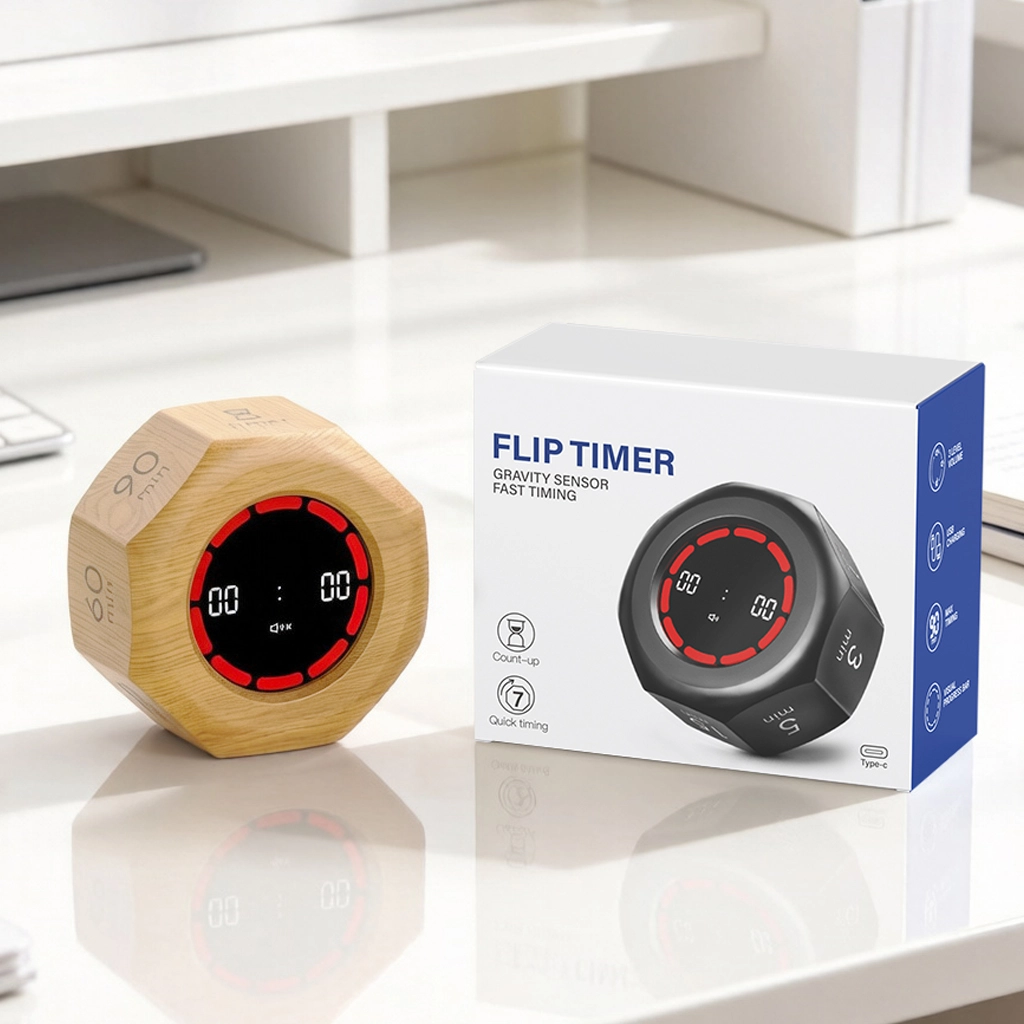
Packaging affects damage rates, shelf presentation, unboxing experience, and fulfillment compatibility. Ask whether the supplier can develop a color box, mailer, insert, barcode label, warning panel, multilingual manual, and carton marking. Packaging should be tested for compression, vibration, drop exposure, and efficient pallet or container utilization where appropriate.
For online marketplaces, packaging dimensions and product weight influence fulfillment fees and storage economics. The supplier should support accurate carton data, barcode placement, serial or batch coding when required, and protection for displays and controls. Artwork approval must include dielines, color references, translation review, and a final pre-production sample.
11. How are warranty, spare parts, and field failures handled?
A buyer should establish the warranty period, defect definition, return authorization process, replacement policy, and responsibility for freight before launch. Ask whether common replacement parts such as battery covers, buttons, stands, adapters, or complete units can be supplied separately. A failure-analysis process should distinguish manufacturing defects from misuse, transport damage, battery problems, and design-related failures.
Supplier support is especially important for products sold through multiple channels. Request response-time commitments, escalation contacts, repair instructions, and periodic quality reviews. Clear after-sales terms protect brand reputation and make customer-service costs more predictable.
Why Youben life Is Positioned for Turnkey Timer Programs
12. Does the partner combine engineering depth with manufacturing control?
Youben life was established in 2010 as an OEM/ODM manufacturer focused exclusively on Digital Timers, Pomodoro timers, Visual Countdown Clocks, temperature and humidity monitors, and thermo-hygrometers. This specialization allows our team to concentrate on timing interfaces, display visibility, control logic, enclosure engineering, and practical production details that general electronics traders may outsource across several unrelated vendors.
Our 20,000m² vertically integrated facility in Guangzhou, China supports turnkey development for global brands and Amazon bestsellers. We go beyond simple assembly by covering ID and MD industrial design, custom IC programming, precision mold tooling, prototype development, electronics integration, production, inspection, and retail-ready packaging. This integrated structure helps reduce communication gaps and gives project owners a clearer path from concept approval to shipment.
How our product and compliance capabilities support brand owners
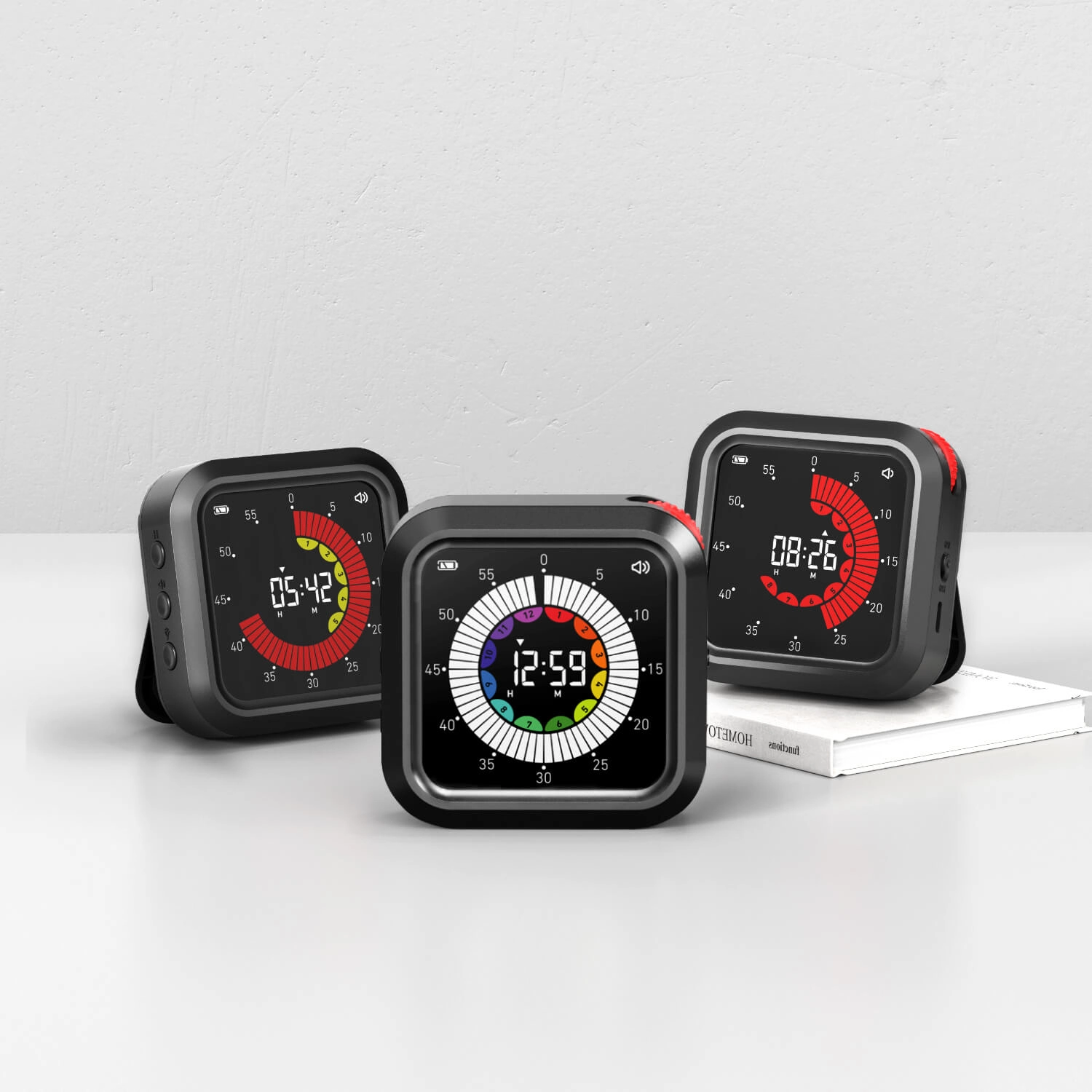
Our portfolio includes branded Digital Timer platforms, configurable Pomodoro timer formats, Visual Countdown Clocks, thermo hygrometers, and temperature humidity monitors. These products can support productivity, education, home organization, workplace planning, cooking, environmental monitoring, and wellness applications. Depending on the project brief, our engineering team can address display format, control layout, casing, color, power supply, alarm behavior, firmware functions, and packaging presentation.
All Youben life products are developed with CE, FCC, and RoHS requirements in mind, with documentation matched to the applicable product and target market. Buyers should still confirm the precise certification package required for their distribution countries, but our compliance-oriented process provides a stronger foundation for retailer onboarding and import review. Quality gates cover incoming materials, assembly, functional operation, appearance, packaging, and shipment preparation.
How to begin a supplier evaluation with Youben life
A productive inquiry should include target markets, expected annual volume, preferred screen size, timing modes, power method, enclosure concept, packaging format, certification needs, launch date, and sales channel. Our team can then assess whether an existing platform, modified model, or new development path is most appropriate. This approach helps buyers balance speed, differentiation, tooling investment, and long-term replenishment economics.
For brand owners seeking a reliable private-label time-management device, supplier selection should be based on verified engineering evidence, transparent commercial terms, production controls, and lifecycle support. Youben life combines focused category expertise, a vertically integrated facility, custom development capability, and scalable manufacturing to help partners build differentiated hardware rather than merely repackage a generic digital timer.
Frequently Asked Questions
What should buyers evaluate first when selecting a private-label Pomodoro timer supplier?
Buyers should first evaluate engineering capability, customization depth, product usability, quality systems, regulatory documentation, production capacity, commercial terms, packaging, warranty support, and long-term communication processes.
Can a supplier customize timer firmware rather than only adding a logo?
A capable OEM/ODM supplier can modify display layouts, button logic, alarm behavior, countdown ranges, brightness, sound settings, memory functions, power architecture, and other firmware or hardware features according to a written specification.
Which compliance documents should buyers request?
Buyers should request model-specific test reports and documentation applicable to the destination market, including relevant CE and RoHS evidence for European distribution and applicable FCC authorization documentation for products sold in the United States.
How can buyers compare the true cost of different timer manufacturers?
The comparison should include unit pricing, tooling, engineering, prototypes, certification, packaging, inspection, freight, tariffs, payment charges, spare parts, warranty reserves, and the potential cost of defects or delays.
Why is a production-equivalent golden sample important?
A production-equivalent golden sample provides a shared reference for appearance, materials, dimensions, display behavior, and functional performance during mass production and final inspection.
What information should be included in an initial inquiry to Youben life?
The inquiry should include target markets, expected annual volume, screen size, timing modes, power method, enclosure concept, packaging format, certification needs, launch date, and sales channel.
Mini Timer Supplier Comparison: OEM vs. ODM Manufacturers
Pomodoro Digital Timer OEM vs ODM: Manufacturing Guide
Top pomodoro timer for studying Manufacturers and Suppliers
Bulk Sourcing Digital Smart Timers: Supplier, MOQ, and Pricing Tips
Interested in this article?
Let’s talk.
Need specifications, pricing, or customization options? We’ll provide everything you need.

Youben life
Youben life