
Private Label Pomodoro Timer for Distributors: Product Features That Support Repeat Sales
- How Focus-Timer Design Influences Distributor Sell-Through
- Use-case clarity is the foundation of repeat demand
- Hardware details that protect customer satisfaction
- Features that create a stronger value proposition
- Private-Label Specifications That Support Channel Growth
- Customization should improve recognition, not only appearance
- Procurement comparison for distributor programs
- Documentation reduces operational friction
- Building a Product Platform for Repeat Orders
- Connect the timer with adjacent demand
- Supplier capability should be measured beyond unit price
- Our product-development approach for distributor programs
- Launch Planning, Quality Control, and Repeat-Sales Management
- Validate the product with real channel requirements
- Use post-launch data to improve the next order
- Protect long-term brand equity
- Frequently Asked Questions
- What features should distributors prioritize in a branded focus timer?
- What is the difference between a generic countdown device and a distributor-ready model?
- How can a distributor reduce returns for electronic timers?
- Should a branded timer use replaceable batteries or rechargeable power?
- Can a productivity timer be sold with thermo hygrometers or humidity monitors?
- What should be included in a supplier quotation for a customized timer?
A private label pomodoro timer can become a repeat-sales product when it is designed as more than a basic countdown device. For distributors, the strongest commercial opportunity combines an intuitive focus-and-break workflow, dependable timekeeping, attractive industrial design, durable controls, custom packaging, stable supply, and documentation that supports retail, corporate wellness, education, productivity, and home-office channels. Buyers should evaluate memory settings, display readability, alert behavior, battery performance, branding flexibility, quality control, compliance support, and accessory or product-line opportunities before approving a supplier. The most scalable programs use a digital timer platform that can be sold under a distributor’s own identity while remaining simple enough for first-time users and robust enough to generate positive reviews, replacement purchases, corporate orders, and seasonal demand.
How Focus-Timer Design Influences Distributor Sell-Through
Use-case clarity is the foundation of repeat demand
The commercial value of a productivity timer depends on how clearly customers understand its purpose. The traditional Pomodoro method is commonly associated with alternating focused work sessions and short breaks, a concept described in the Pomodoro Technique reference. A successful retail product translates that concept into a visible, low-friction operating sequence rather than forcing users to read a long manual.
For distributors, this means the product should support a default focus period, a short break period, and a longer recovery interval, while allowing users to adjust each duration. A large start or pause control, a clear mode indicator, and a straightforward reset function reduce onboarding friction. If the product can be understood within seconds of opening the package, it is more likely to receive favorable reviews and less likely to be returned as confusing or defective.
Use-case positioning should also be broad enough to support multiple sales channels. The same unit may serve students, remote workers, software teams, language learners, fitness users, call-center operators, and parents managing study routines. Neutral industrial design and configurable intervals allow distributors to create separate marketing messages without needing entirely different hardware platforms.
Hardware details that protect customer satisfaction
Small usability failures can create disproportionate commercial costs. A timer with a dim display may perform acceptably in a factory inspection but disappoint customers working near a window. A weak buzzer may be unsuitable for kitchen or classroom environments, while an excessively loud alert can create negative reviews in offices and bedrooms. Product specifications should therefore define viewing distance, display contrast, alert volume, button travel, operating angle, and surface stability.
Reliable controls are particularly important. Capacitive touch surfaces may provide a modern appearance, but physical buttons can be easier to operate with wet hands, gloves, or limited dexterity. A rotary control can accelerate interval adjustment, although it may increase assembly complexity and cost. The appropriate choice depends on the intended channel, target price, and expected usage frequency.
Distributors should request endurance testing for buttons, switches, battery contacts, charging ports, and stand mechanisms. Drop testing, surface abrasion checks, display inspection, and power-cycle testing help reveal defects that may otherwise appear only after products reach end users. A supplier operating under a documented quality system, such as one aligned with ISO 9001 quality management principles, can provide a more disciplined framework for corrective action, traceability, and process control.
Features that create a stronger value proposition
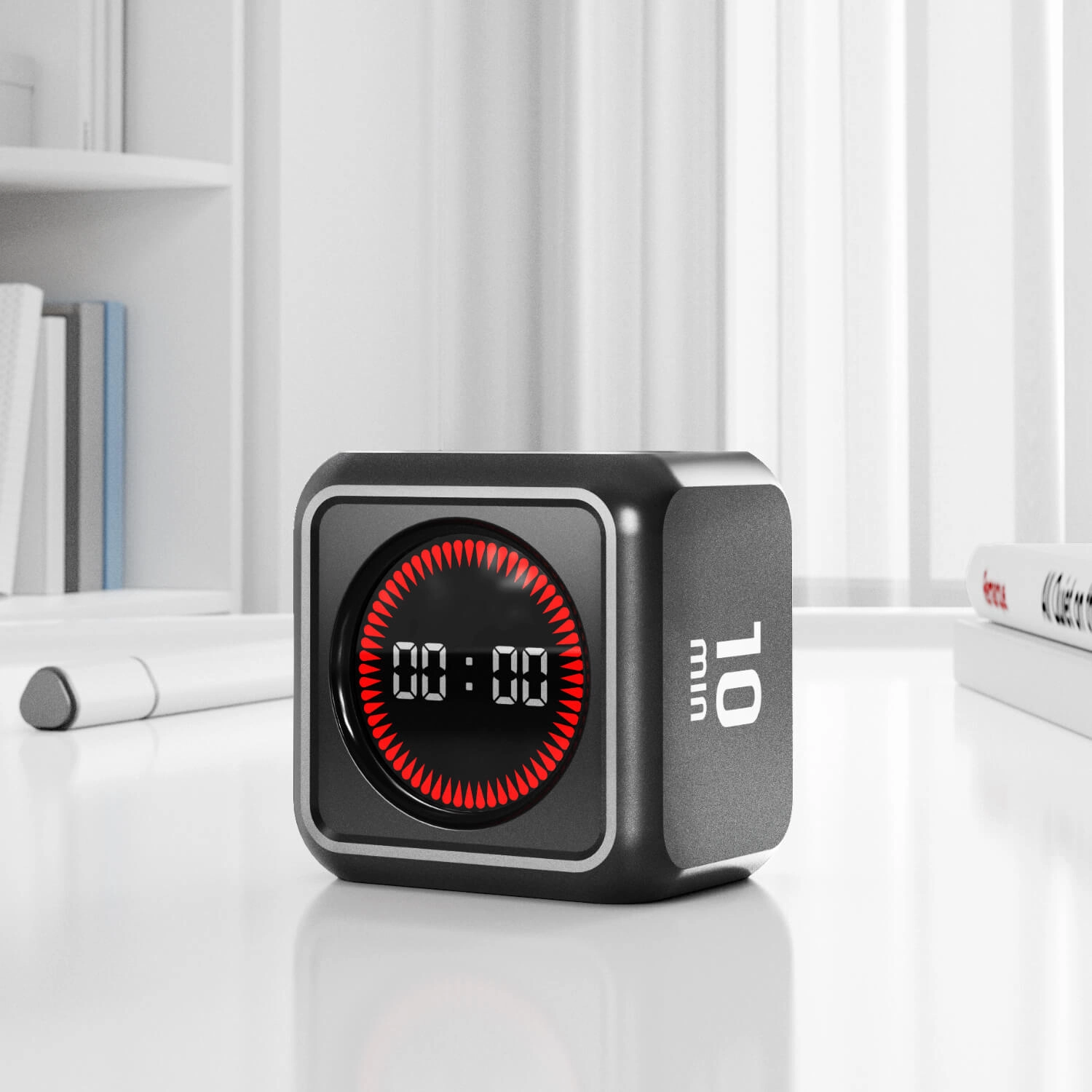
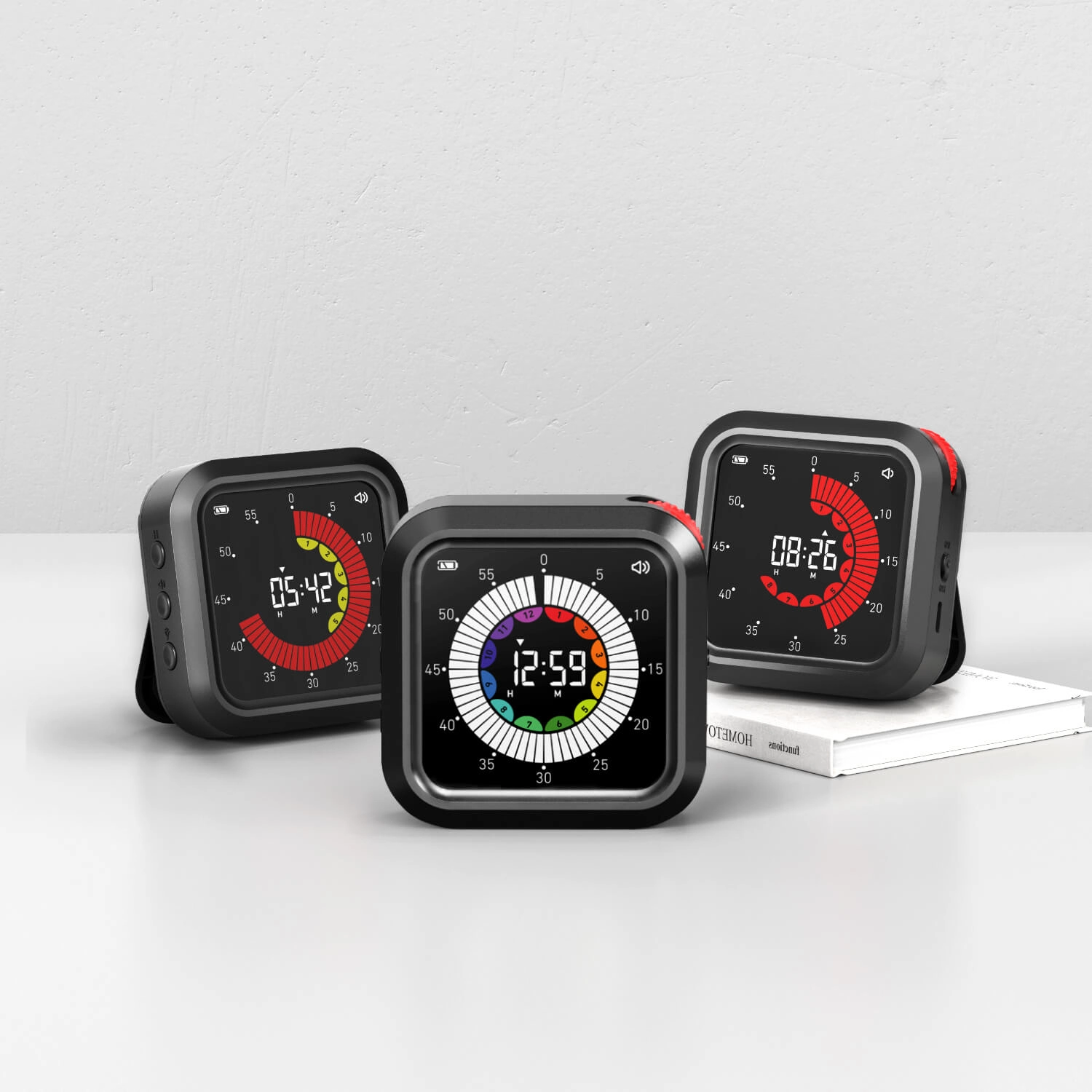
Repeat sales are supported when the product solves more than one narrow problem. Useful features may include a memory function for preferred intervals, a visual progress ring, a silent mode, adjustable brightness, a count-up mode, a long-press lock, and automatic transition between focus and break periods. These functions should be selected according to user value rather than added merely to increase the specification sheet.
Power design also affects perceived quality. Buyers should compare replaceable batteries, rechargeable lithium cells, USB-C charging, standby consumption, charging indicators, and protection circuitry. If a rechargeable product is selected, the supplier should explain battery sourcing, cycle testing, shipping documentation, and end-of-life handling. Electrical and electronic products should be assessed against applicable market requirements; for equipment using external power or electronic circuitry, distributors can ask whether the design process considers relevant safety frameworks such as IEC international standards.
Private-Label Specifications That Support Channel Growth
Customization should improve recognition, not only appearance
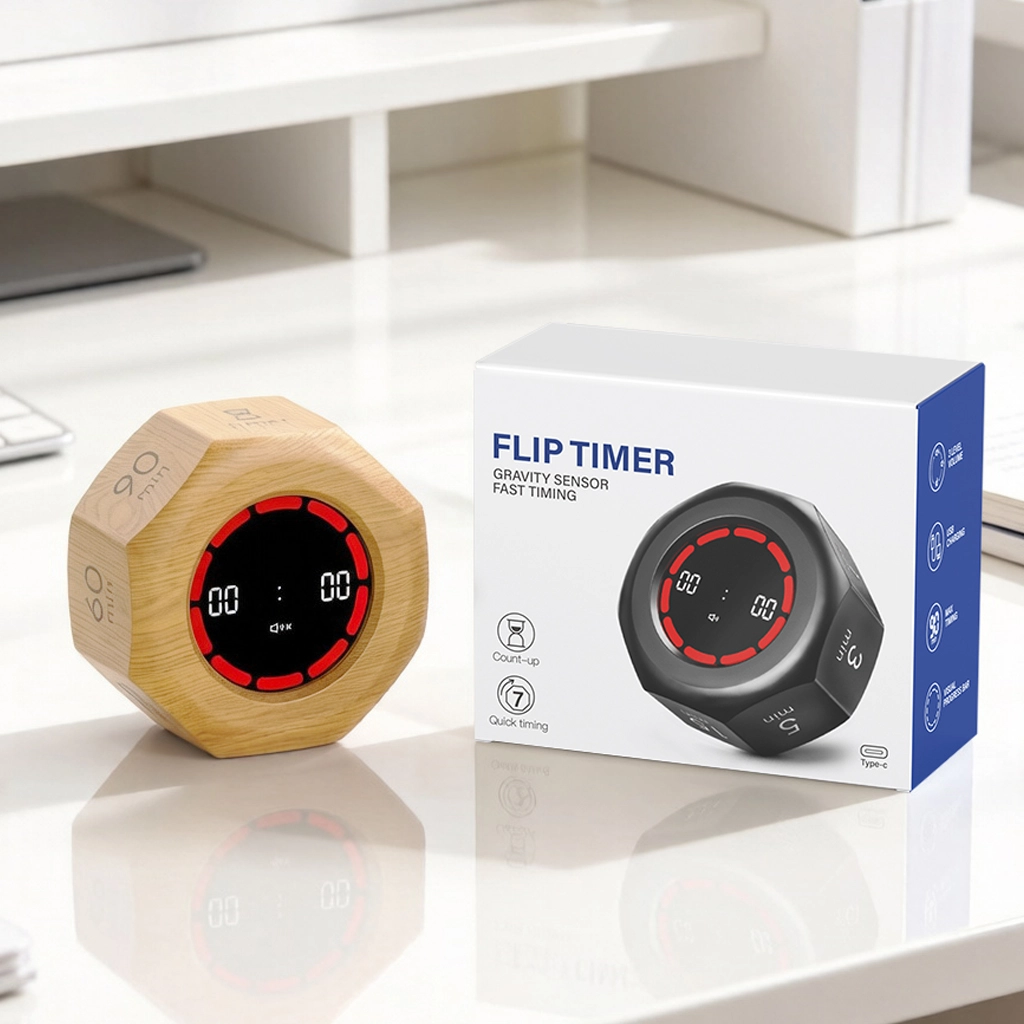
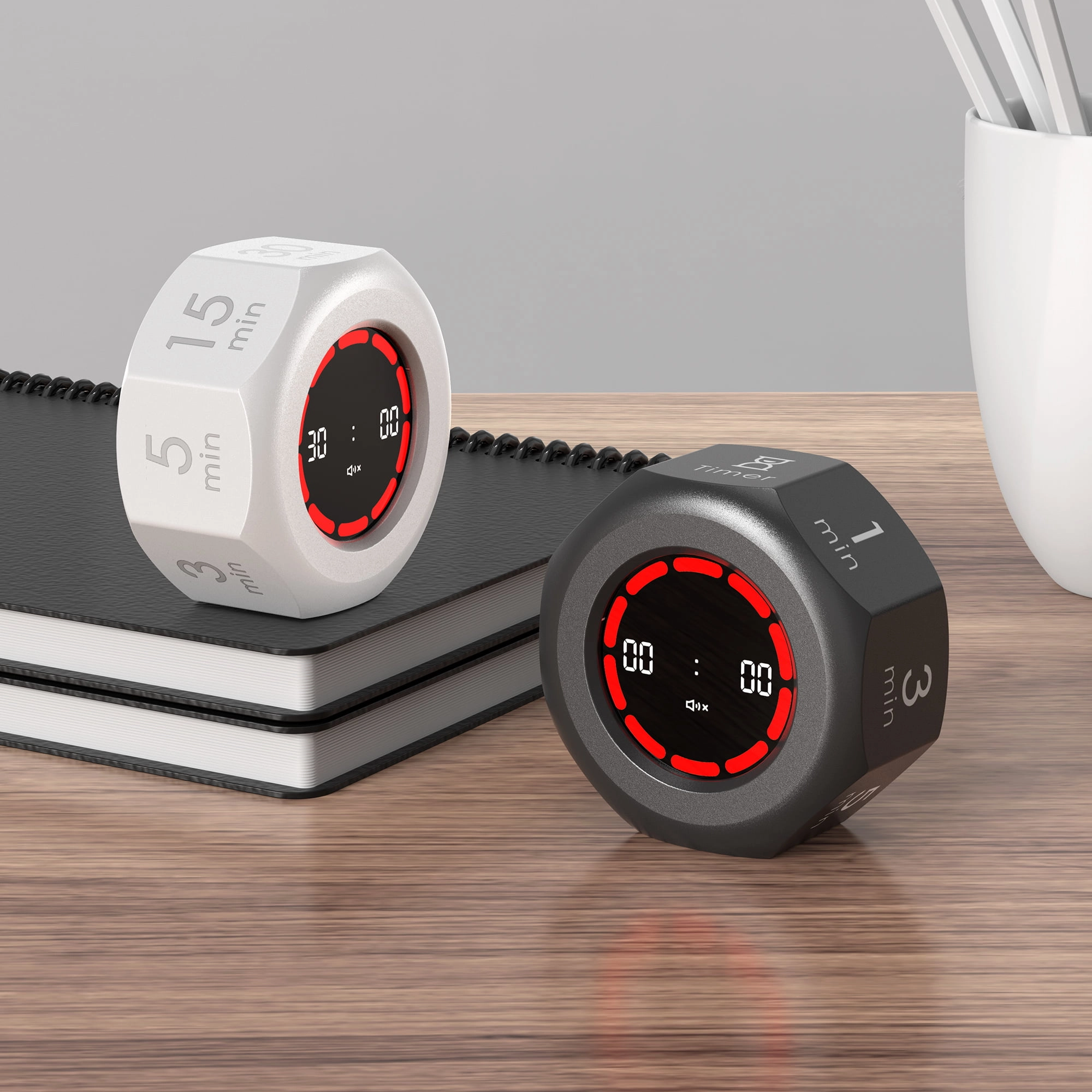
Private branding is most effective when it creates a consistent customer experience across the product, packaging, instructions, and digital content. Logo printing on the enclosure is only one option. Distributors can also evaluate custom colors, molded-in textures, startup screens, button icons, language selection, carton artwork, quick-start cards, warranty inserts, and retail display formats.
Customization decisions should be linked to order economics. A molded housing color may require a higher minimum order quantity than surface printing. A custom display or firmware change may require engineering validation and a longer development cycle. Packaging modifications can affect carton dimensions, pallet utilization, freight cost, and warehouse handling. A professional quotation should separate tooling, engineering, sample approval, unit pricing, packaging, testing, and recurring production costs so project owners can calculate total landed cost.
Brand owners should also protect consistency between online listings and physical products. Product names, interval examples, battery claims, dimensions, and charging instructions must match the user manual and packaging. Inaccurate marketplace content often causes avoidable returns even when the hardware itself is functional.
Procurement comparison for distributor programs
| Evaluation area | Entry-level generic unit | Distributor-focused customized unit | Commercial impact |
|---|---|---|---|
| Operating modes | One fixed countdown | Adjustable focus, short break, long break, and count-up modes | Supports more customer segments and promotional themes |
| Branding | Supplier identity or unbranded packaging | Logo, color, artwork, inserts, and optional firmware customization | Improves differentiation and channel ownership |
| Power options | Basic disposable battery | Replaceable battery or rechargeable design with documented performance | Influences operating cost, sustainability messaging, and user convenience |
| Quality documentation | Limited inspection information | Defined specifications, inspection records, samples, and corrective-action process | Reduces launch risk and supports buyer confidence |
| Product-line potential | Single isolated SKU | Related timers and environmental monitoring products | Creates cross-selling and replenishment opportunities |
Documentation reduces operational friction
A distributor should request a complete technical file before committing to a large run. The file may include drawings, bill of materials, user instructions, packaging specifications, inspection standards, test reports, battery information, labeling requirements, and approved golden samples. The exact documents depend on the destination market and product configuration, so regulatory responsibility should be assigned contractually rather than assumed.
Quality agreements should define acceptable quality limits, sampling methods, cosmetic defect classifications, functional checks, carton drop expectations, barcode verification, and procedures for handling nonconforming products. A first article approval process is especially useful for customized enclosures and printed materials. It ensures that the approved color, logo position, display layout, and operating behavior become the production reference.
Building a Product Platform for Repeat Orders
Connect the timer with adjacent demand
A focus timer can serve as the entry product in a broader productivity and environment-monitoring portfolio. Distributors may position a digital timer alongside a study planner, desk accessory, office wellness kit, classroom bundle, or employee onboarding package. Related devices such as a thermo hygrometer or temperature humidity monitor can extend the sales conversation from time management to workspace comfort, storage conditions, nursery monitoring, and indoor environment awareness.
Product adjacency is most effective when the items share a coherent visual language, packaging architecture, and quality standard. A consistent product family allows distributors to negotiate consolidated purchasing, create mixed promotional bundles, and simplify retailer presentations. It also gives customers a reason to return to the same brand when a new use case appears.
Supplier capability should be measured beyond unit price
Low initial pricing does not necessarily produce the strongest margin. Buyers should compare engineering responsiveness, sample lead time, minimum order quantity, production capacity, component availability, forecast flexibility, defect handling, packaging support, and after-sales communication. A supplier that can maintain stable specifications across repeated batches may create more value than a lower-cost source with inconsistent displays, changing components, or unpredictable delivery.
Manufacturing capability should include design-for-assembly review, incoming component inspection, in-process testing, final functional inspection, aging or power testing where appropriate, and shipment release controls. For electronic products, traceability of critical components and firmware versions can simplify warranty analysis. These controls help distributors distinguish isolated misuse from systemic defects and reduce the cost of broad recalls or marketplace complaints.
Our product-development approach for distributor programs
Our approach is to treat the timer as a configurable product platform rather than a one-time promotional item. The development process should begin with the distributor’s target market, price architecture, sales channel, packaging requirement, and forecast. Engineering can then define the appropriate display, control method, alert system, power solution, enclosure, and firmware scope.
Our product portfolio includes digital timer solutions, pomodoro timer configurations, thermo hygrometers, and temperature humidity monitors. This combination allows distributors to build a focused productivity range or a wider desk and indoor-environment collection. Depending on the project brief, the same manufacturing framework can support branded housings, retail cartons, multilingual instructions, private packaging, and coordinated product-family styling.
Technical strength is demonstrated through disciplined sample approval, specification control, functional testing, and communication of production constraints before mass manufacturing. Rather than adding features without a commercial purpose, our team can help prioritize the functions most relevant to the intended user, price band, and channel. This approach supports more predictable product launches and gives distributors a clearer basis for future model extensions.
Launch Planning, Quality Control, and Repeat-Sales Management
Validate the product with real channel requirements
Pre-launch validation should include more than checking whether the countdown reaches zero. Test users should operate the timer in realistic lighting, sound, desk-space, and workflow conditions. They should evaluate setup time, interval changes, alert recognition, display readability, accidental button presses, battery replacement or charging, cleaning, and storage.
Distributors should also review the unboxing sequence. A well-designed package explains the primary use case immediately, protects the enclosure during transport, and presents the brand consistently. A QR code can link to a digital manual or setup video, but essential operating information should remain available in printed form where required by the market and customer profile.
Use post-launch data to improve the next order
Repeat purchasing should be managed through measurable feedback. Useful indicators include return reasons, warranty claims, customer-service contacts, review sentiment, sell-through by channel, defect rates by batch, average reorder interval, and the performance of each color or package format. If customers frequently ask how to silence the alert, the interface or manual may require improvement. If battery complaints are common, the power architecture and product claims should be reassessed.
Forecasting should separate initial launch demand from replenishment demand. Promotional spikes can distort purchasing decisions, while underestimating steady replacement demand can create stockouts. A supplier should be given realistic forecasts, but agreements should also define capacity reservations, lead-time assumptions, and change-control rules. This protects both parties when a distributor changes artwork, firmware, component specifications, or order volume.
Protect long-term brand equity
A distributor’s reputation is affected by every product carrying its mark. Consistent quality, accurate claims, responsive warranty handling, and stable availability are therefore commercial assets. Product teams should avoid unsupported promises such as medical, therapeutic, productivity-guarantee, or energy-performance claims unless they have appropriate evidence and legal approval.
When a supplier, distributor, and retailer share clear specifications, the product is easier to scale. The initial focus timer can lead to a coordinated series of digital timers, environmental monitors, and workplace accessories. That platform strategy supports repeat sales because customers recognize the brand while distributors gain additional reasons to contact existing accounts.
Frequently Asked Questions
What features should distributors prioritize in a branded focus timer?
Distributors should prioritize adjustable focus and break intervals, a readable display, dependable controls, clear alerts, stable power performance, simple setup, durable construction, and packaging that communicates the primary use case immediately. Custom branding, memory settings, silent operation, and multilingual instructions can add value when they match the target channel.
What is the difference between a generic countdown device and a distributor-ready model?
A distributor-ready model normally provides documented specifications, branding options, packaging support, sample approval, quality-control procedures, consistent production, and a roadmap for related products. A generic device may have a lower initial cost but offer less control over appearance, documentation, customer experience, and future replenishment.
How can a distributor reduce returns for electronic timers?
Returns can be reduced by validating display readability, alert volume, button behavior, battery or charging performance, operating instructions, packaging protection, and marketplace descriptions before launch. A controlled first article, approved reference sample, and analysis of post-launch return reasons further reduce recurring issues.
Should a branded timer use replaceable batteries or rechargeable power?
The choice depends on the sales channel, usage frequency, target price, sustainability goals, shipping requirements, and customer expectations. Replaceable batteries can simplify long-term operation, while rechargeable power can improve convenience and support frequent use. The supplier should document battery specifications, protection measures, charging behavior, and applicable transport information.
Can a productivity timer be sold with thermo hygrometers or humidity monitors?
Yes. A timer can be positioned with thermo hygrometers and temperature humidity monitors as part of a desk, study, office wellness, nursery, or indoor-environment product family. Shared styling, packaging, and quality standards can make bundles easier to merchandise and create opportunities for cross-selling.
What should be included in a supplier quotation for a customized timer?
A quotation should identify unit pricing, minimum order quantity, tooling, engineering charges, sample costs, packaging, printing, testing, lead time, payment terms, shipping assumptions, warranty conditions, and change-control requirements. Buyers should also confirm which documents and quality checks are included before comparing offers.
Contact our team to discuss branded digital timer, pomodoro timer, thermo hygrometer, and temperature humidity monitor solutions for your next distributor product program.
Custom Pomodoro Digital Timer Design for White-Label Brands
Private Label Visual Timer Quality Control: Factory Checks That Prevent Defects and Inconsistent Performance
Comparing Electronic Kitchen Timer Manufacturers & Suppliers
Private Label Visual Timer Pricing: What Drives Unit Cost, Tooling, Packaging, and Bulk Order Value
Interested in this article?
Let’s talk.
Need specifications, pricing, or customization options? We’ll provide everything you need.

Youben life
Youben life