
Portable Indoor Thermometers for Travel and Small Spaces
- How Compact Climate Monitors Solve Travel and Small-Space Needs
- Portability, readability, and placement flexibility
- Temperature and humidity as a combined measurement
- Use cases across consumer and commercial channels
- Technical and Procurement Criteria for a Reliable Portable Monitor
- Sensor performance and calibration control
- Display, power, and firmware decisions
- Compliance, reliability, and documentation
- Designing a Differentiated Product Program with Youben life
- Integrated OEM and ODM development
- Manufacturing strength and quality compliance
- Product portfolio alignment and commercial value
- Implementation Checklist for Brand Owners and Distributors
- Define the product brief before requesting quotations
- Validate samples under realistic conditions
- Protect the launch with production controls
- Frequently Asked Questions
- What should buyers look for in a portable temperature and humidity monitor?
- Is a compact environmental monitor suitable for professional calibration work?
- Why is humidity measurement useful during travel?
- Which certifications should an international buyer request?
- Can Youben life customize a private-label monitor?
- Can one supplier provide both environmental monitors and Digital Timers?
A portable indoor room thermometer is a compact environmental monitoring device designed to show ambient temperature, and often relative humidity, in locations where wall-mounted systems or building automation are impractical. For travel, rental housing, hotel rooms, nurseries, offices, storage areas, and compact retail environments, the most valuable solution is not simply the smallest device. Buyers need dependable readings, quick glance visibility, efficient battery use, practical mounting or standing options, and a supply partner capable of maintaining performance across production batches. A well-designed temperature and humidity monitor can support comfort decisions, protect humidity-sensitive goods, and create a stronger private-label product proposition when its sensor, display, housing, firmware, and packaging are engineered as one system.
How Compact Climate Monitors Solve Travel and Small-Space Needs
Portability, readability, and placement flexibility
Travel users typically move between bedrooms, hotel rooms, caravans, dormitories, offices, and short-term rentals. This makes portability a functional requirement rather than a marketing feature. A suitable product should fit inside luggage or a bedside drawer, resist ordinary handling, and operate without a complicated setup sequence. A tabletop stand is useful for desks and nightstands, while a rear magnet, keyhole slot, or adhesive-compatible surface can support refrigerators, lockers, and metal cabinets. Buyers should evaluate whether the display remains legible from a normal viewing distance and whether the digits retain contrast under low indoor light.
Small spaces also create design constraints. A large enclosure can obstruct a shelf, while an overly thin housing may leave insufficient room for the battery compartment, sensor airflow path, or structural reinforcement. Industrial design should therefore balance footprint, viewing angle, button access, and ventilation. The sensing element should not be enclosed next to heat-producing components such as the display driver or battery regulator, because local heat can distort the displayed ambient condition.
Temperature and humidity as a combined measurement
Temperature alone does not fully describe indoor comfort or storage conditions. Relative humidity influences perceived comfort, condensation risk, mold growth potential, and the behavior of paper, wood, textiles, and selected electronic products. A thermo-hygrometer gives buyers a more useful environmental picture by presenting both temperature and humidity, commonly with trend indicators or comfort icons. These icons should be treated as user guidance, not as a substitute for a building inspection or professional humidity-control assessment.
Measurement claims must be interpreted carefully. Accuracy depends on the sensor specification, calibration method, operating range, response time, airflow, enclosure design, and production control. The ISO 7726 measurement standard provides a recognized framework for instruments used to measure physical quantities in thermal environments, although a consumer product specification may not be identical to an occupational or laboratory instrument. Procurement teams should request the stated accuracy tolerance at defined temperature and humidity points instead of accepting a vague claim such as “high precision.”
Use cases across consumer and commercial channels
For consumer travel products, purchasing logic centers on compactness, battery life, intuitive controls, and a reassuring display. Hospitality buyers may prioritize silent operation, replaceable batteries, surface durability, and the ability to deploy the same design across rooms. Nursery and family-oriented channels often emphasize large numerals and humidity awareness. Retailers selling storage, gardening, musical instruments, or electronics accessories may prefer a monitor with a stronger humidity narrative and category-specific packaging.
In B2B programs, one platform can be adapted for multiple channels through color, logo treatment, display language, alert logic, packaging, and mounting accessories. This approach reduces tooling duplication while allowing brand owners to address different price points. It also enables distributors to offer a coordinated family of environmental monitors rather than a single undifferentiated commodity SKU.
Technical and Procurement Criteria for a Reliable Portable Monitor
Sensor performance and calibration control
Sensor selection should begin with the intended use environment. A device for ordinary indoor comfort does not require the same specification as a data logger used in a laboratory, warehouse, or regulated process. Key questions include the temperature operating range, humidity operating range, stated accuracy, resolution, response time, long-term drift, and behavior during battery replacement. The product specification should identify test conditions and whether tolerance is expressed as a typical value, maximum error, or combined uncertainty.
Manufacturing control is equally important. A capable supplier should define incoming inspection for sensors, control soldering and assembly conditions, verify firmware behavior, and perform sampling or end-of-line checks on finished units. Calibration records may be necessary for certain commercial projects, while consumer retail programs generally require documented quality procedures and traceability rather than an individual certificate for every unit. Buyers should align the verification plan with the product claim, market, and risk level.
Display, power, and firmware decisions
LCD and segmented displays can provide low-power readability, but their contrast varies with viewing angle and ambient light. Backlighting improves nighttime usability but increases energy consumption and can affect enclosure design. The user interface should make Celsius and Fahrenheit selection obvious, avoid accidental resets, and show battery status before the device becomes unreliable. For a travel product, automatic sleep modes and low-battery behavior are important because users may store the unit for long periods between trips.
Firmware can differentiate an otherwise similar hardware platform. Useful functions include maximum and minimum records, comfort-zone indicators, calibration offset, temperature unit switching, and a clear refresh strategy. Bluetooth or Wi-Fi may be appropriate for High Quality connected products, but wireless features add certification, software maintenance, battery, privacy, and customer-support requirements. For many small-space applications, a dependable standalone display delivers a better cost-to-value ratio than unnecessary connectivity.
Compliance, reliability, and documentation
Market access requirements vary by destination and product configuration. Electronic products sold in the European market may require applicable CE conformity assessment, while electrical and electronic equipment also needs attention to restricted substances requirements under the European Commission RoHS Directive. Products with intentional radio transmission require additional wireless approvals. In the United States, unintentional digital electronics may fall under FCC equipment authorization requirements, depending on the design.
Buyers should request a technical file or compliance package appropriate to the market, including declarations, test reports, labeling guidance, user instructions, battery information, and packaging marks. Compliance is not a substitute for product quality, but it reduces launch risk and helps distributors answer retailer due-diligence questions. The NIST Office of Weights and Measures is also a useful reference point for understanding measurement infrastructure and traceability concepts, even when the finished product is intended for general consumer monitoring.
| Procurement factor | Basic portable monitor | Higher-value private-label platform | Buyer verification method |
|---|---|---|---|
| Measurement output | Temperature display only | Temperature, relative humidity, trend or comfort indication | Review specification, samples, and test results |
| Placement | Single tabletop position | Stand, magnet, wall option, or configurable accessory | Inspect stability, mounting strength, and user access |
| Power management | Basic battery operation | Low-battery warning, sleep logic, and optimized firmware | Run battery-life and storage tests |
| Customization | Logo label or standard packaging | Custom ID, mold, firmware, display language, and retail packaging | Review development schedule and engineering samples |
| Quality assurance | Visual inspection | Incoming controls, calibration checks, functional testing, and traceability | Audit quality documents and inspect production controls |
| Market readiness | Limited regional documentation | Compliance planning for target markets and packaging requirements | Confirm applicable CE, FCC, RoHS, and local obligations |
Designing a Differentiated Product Program with Youben life
Integrated OEM and ODM development
Youben life was established in 2010 as a specialized OEM/ODM manufacturer focused on Digital Timers, Pomodoro timers, visual countdown clocks, temperature and humidity monitors, and thermo-hygrometers. Our 20,000m² vertically integrated facility in Guangzhou, China supports a turnkey development path for global brands, distributors, and Amazon-focused product owners. This structure is valuable when a project requires more than logo application, because product architecture, tooling, electronics, firmware, quality control, and packaging must work together.
Our engineering scope covers ID and MD industrial design, custom IC programming, precision mold tooling, sensor integration, display configuration, and retail-ready packaging. For a compact environmental monitor, these capabilities help resolve practical issues such as sensor ventilation, impact resistance, viewing angle, battery access, and assembly consistency before mass production. Brand owners can select a proven platform or develop a differentiated enclosure and user experience around a defined market position.
Manufacturing strength and quality compliance
Our vertically integrated process supports closer coordination between design revisions, mold production, assembly, testing, and packaging. This can shorten communication cycles and reduce the risk that a late industrial-design change creates an avoidable production problem. Scalable capacity is also relevant to B2B buyers managing launch quantities, seasonal demand, replenishment, and multiple regional SKUs.
All Youben life products are developed to meet strict CE, FCC, and RoHS requirements applicable to the target configuration and market. Compliance planning should still be confirmed for each final model, battery arrangement, wireless function, and destination. Our decade-plus engineering background supports structured sample approval, production quality management, and documentation preparation. These controls help partners protect retail ratings, reduce returns related to usability or inconsistency, and build a more credible product family.
Product portfolio alignment and commercial value
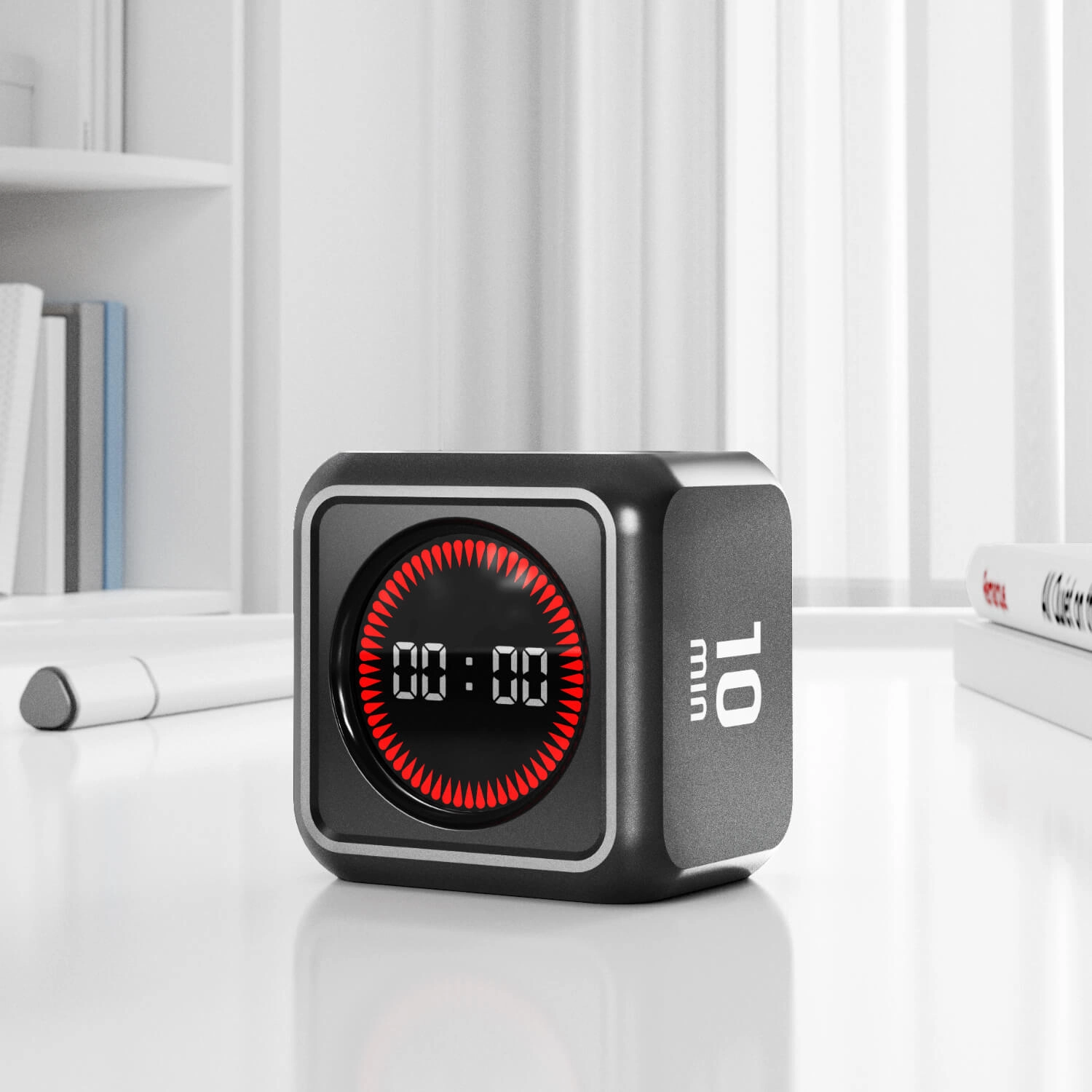
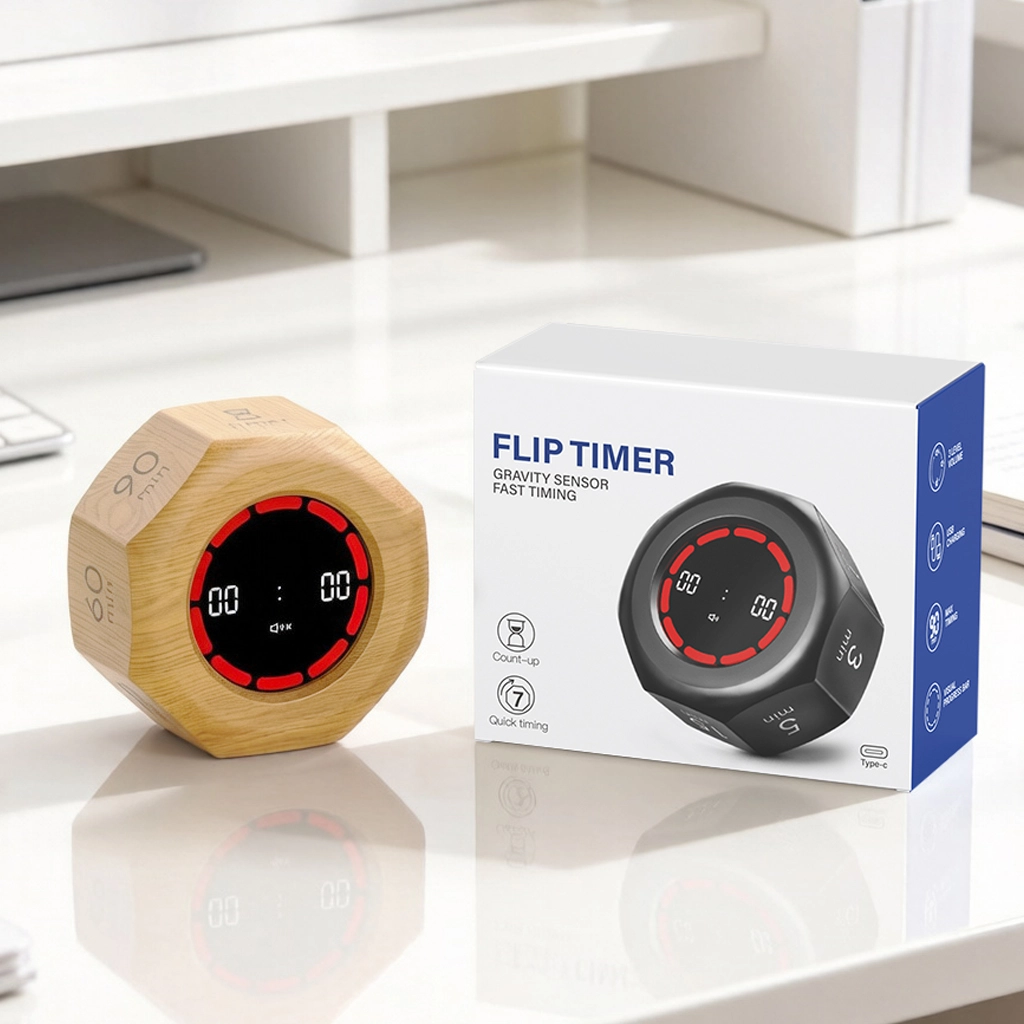
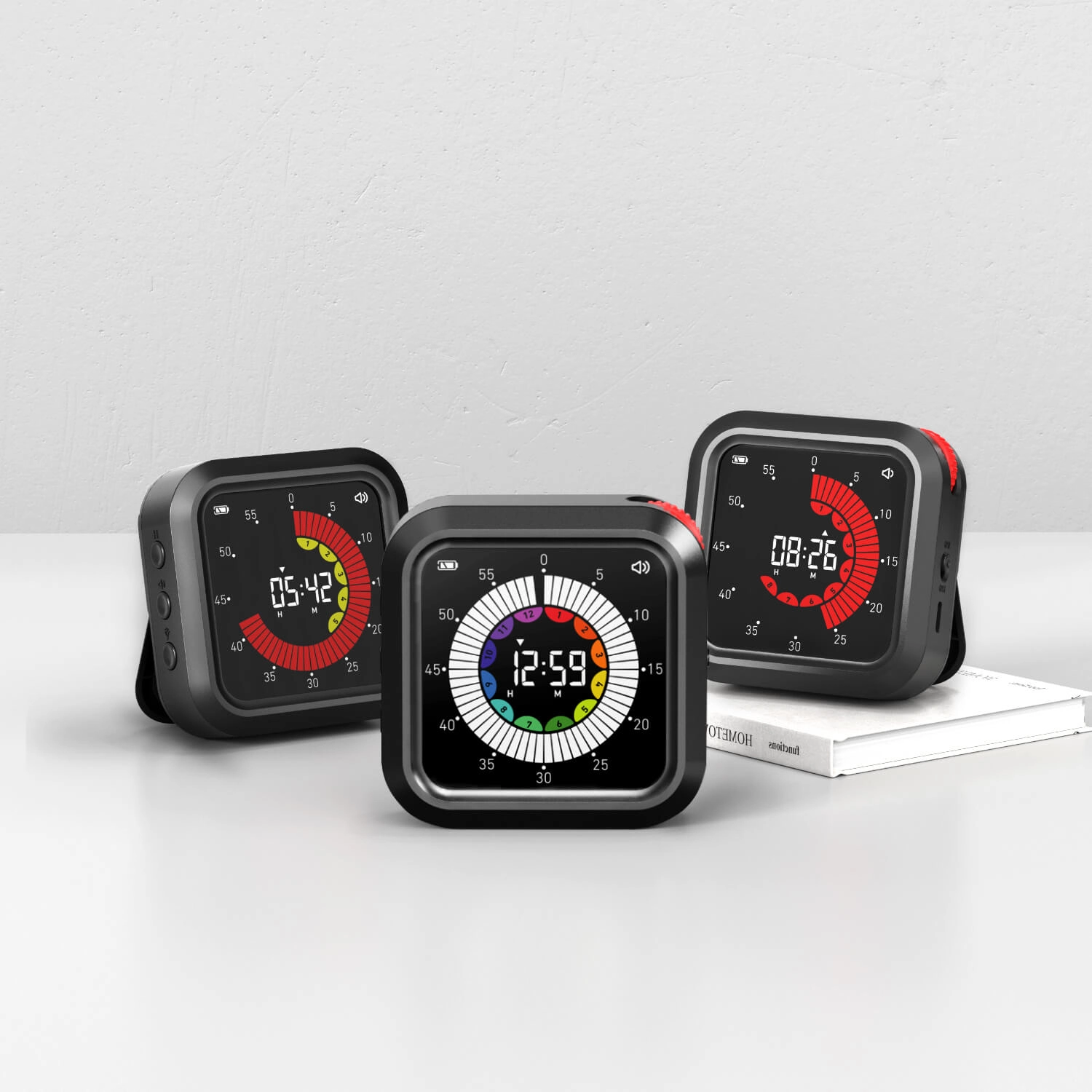
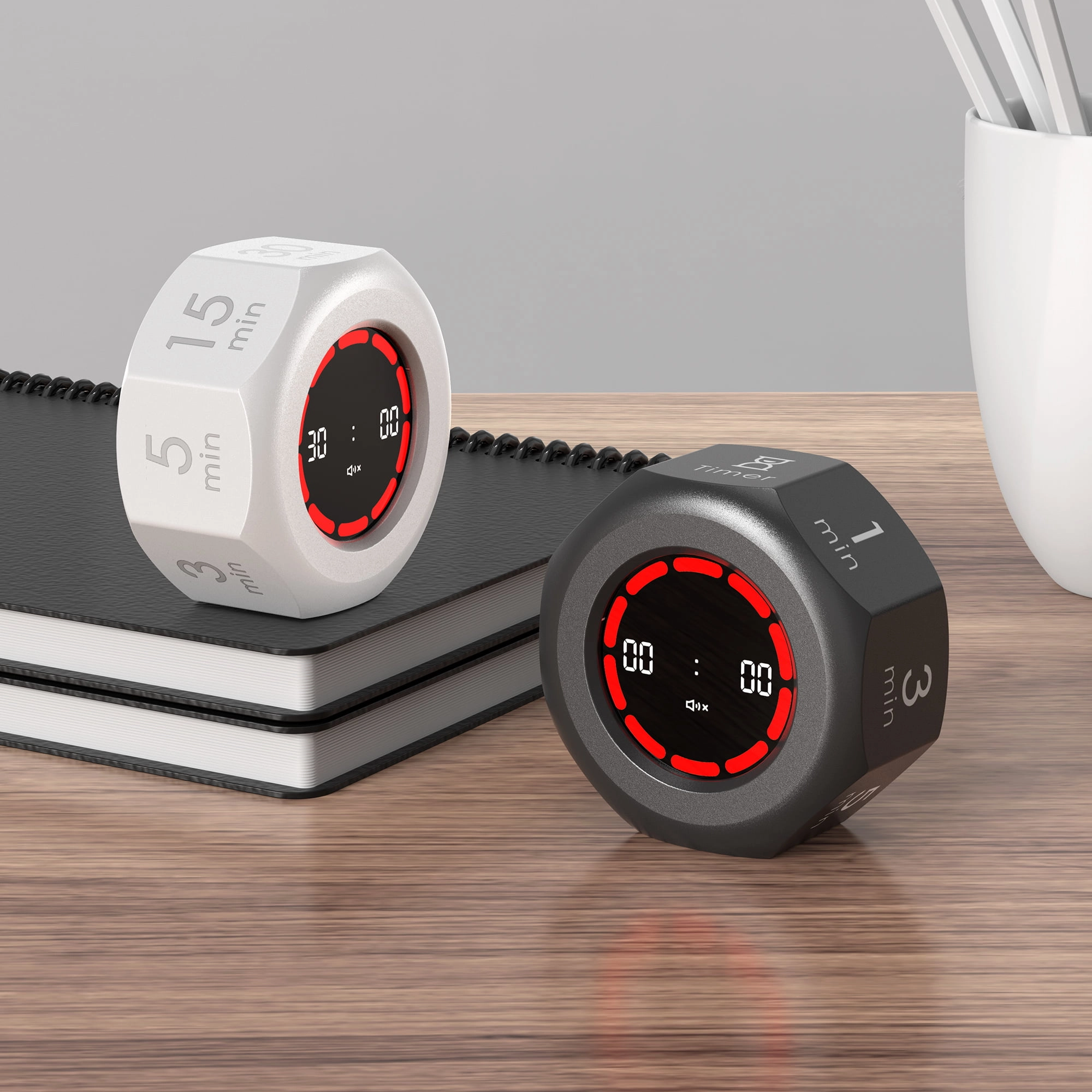
A supplier with adjacent product expertise can help a brand create a coordinated assortment. A thermo hygrometer or temperature humidity monitor can serve the environmental awareness category, while a Digital Timer, pomodoro timer, or visual countdown clock can support productivity, study, cooking, therapy, classroom, and workplace applications. Consistent enclosure language, packaging hierarchy, button styling, and display behavior can make these products recognizable as one brand system.
For procurement teams, the commercial benefit is not limited to unit price. A stronger program considers tooling amortization, defect prevention, packaging efficiency, minimum order quantities, engineering change control, compliance costs, warranty exposure, and speed to replenishment. A well-supported OEM partner can help transform a generic measurement device into a differentiated SKU with clearer shelf communication and stronger online conversion potential. Product claims should remain evidence-based, with performance statements tied to defined test conditions and intended use.
Implementation Checklist for Brand Owners and Distributors
Define the product brief before requesting quotations
A complete request for quotation should specify target markets, use environments, temperature and humidity ranges, accuracy expectations, display size, power source, mounting method, language requirements, packaging format, target retail price, forecast volume, and certification needs. It should also state whether the product is standalone or connected and whether historical minimum and maximum readings are required. Clear requirements allow suppliers to quote comparable configurations instead of presenting artificially different bills of materials.
Validate samples under realistic conditions
Sample approval should include more than appearance review. Buyers should compare multiple units at the same stabilized conditions, inspect display consistency, test buttons and unit conversion, evaluate stand or wall mounting, observe battery replacement, and assess readability from common distances. Temperature and humidity readings should be compared with a suitable reference instrument under controlled conditions. The World Health Organization housing and health guidance illustrates why indoor temperature and moisture conditions matter to occupant well-being, but it should not be used to turn a consumer monitor into a clinical or building-diagnostic instrument.
Protect the launch with production controls
Before mass production, approve golden samples, artwork, firmware versions, carton specifications, inspection standards, and defect classifications. Establish how engineering changes are communicated and whether requalification is required after a sensor, display, battery holder, or mold revision. A pre-shipment inspection should verify quantity, appearance, functionality, labeling, accessories, and carton integrity. After launch, return reasons and customer reviews can reveal whether the product needs improved instructions, larger digits, stronger mounting, or revised humidity messaging.
For brands seeking a dependable small-space monitoring product and a coordinated time-management range, Youben life combines product engineering, tooling, manufacturing, compliance support, and packaging development in one supplier relationship.
Frequently Asked Questions
What should buyers look for in a portable temperature and humidity monitor?
Buyers should review stated accuracy, measurement range, resolution, response time, battery behavior, display readability, mounting options, sensor ventilation, quality controls, and market-specific compliance documentation.
Is a compact environmental monitor suitable for professional calibration work?
A consumer-oriented monitor is generally intended for awareness and routine indoor observation, not automatically for laboratory, occupational, medical, or regulated process measurement. The intended use and documented accuracy must match the application.
Why is humidity measurement useful during travel?
Relative humidity helps users understand comfort, condensation risk, and conditions that may affect materials such as paper, textiles, wood, and selected electronics. It adds context that temperature-only measurement cannot provide.
Which certifications should an international buyer request?
The required documents depend on the destination and final design. Buyers should assess applicable CE conformity requirements, RoHS restrictions, FCC requirements for relevant electronic designs, battery rules, labeling, and local retailer documentation.
Can Youben life customize a private-label monitor?
Yes. Youben life supports OEM/ODM development involving industrial design, tooling, custom IC programming, sensor and display configuration, firmware, and retail-ready packaging, subject to project specifications and approval.
Can one supplier provide both environmental monitors and Digital Timers?
Yes. Youben life manufactures temperature humidity monitors, thermo-hygrometers, Digital Timers, Pomodoro timers, and visual countdown clocks, enabling coordinated product families with shared brand and packaging direction.
Contact Youben life at info@youbenlife.com or visit https://www.youbenlife.com/ to discuss a private-label thermo-hygrometer, temperature humidity monitor, Digital Timer, or Pomodoro timer program.
Top waterproof kitchen timer Manufacturers and Suppliers
Pomodoro Timer Manufacturer Selection Guide: From Product Evaluation to Long-Term Partnership
Wholesale Sourcing Tips for Digital Smart Timers and OEM
Bulk Ordering Tips for Electronic Kitchen Timers
Interested in this article?
Let’s talk.
Need specifications, pricing, or customization options? We’ll provide everything you need.

Youben life
Youben life