
Compliance: Certifications for Pomodoro Timers (CE RoHS FCC)
- Why regulatory compliance matters for electronic time-management devices
- Safety, market access and liability
- Brand protection and retailer requirements
- Customer trust and differentiation
- Understanding CE, RoHS and FCC: scope, requirements and how they apply to pomodoro timers
- CE marking: directives and technical files
- RoHS: restricting hazardous substances
- FCC: emissions and radio (if applicable)
- Practical compliance roadmap for pomodoro timers
- Design-phase decisions that reduce compliance risk
- Testing matrix and laboratories
- Documentation, quality system and post-market surveillance
- Comparing CE, RoHS and FCC: what manufacturers need to know
- At-a-glance comparison
- Timelines and cost considerations
- Common pitfalls and how to avoid them
- Supply chain controls and launch checklist
- Supplier declarations and component traceability
- Factory audits, production testing and labeling
- Post-market monitoring and handling non-conformities
- Youben Life: OEM/ODM partner for compliant pomodoro timers
- Frequently Asked Questions
- 1. Do I always need CE and RoHS for a pomodoro timer sold in Europe?
- 2. My timer only has a small microcontroller and no wireless—do I still need FCC testing for the US?
- 3. How do I prove RoHS compliance for parts from multiple suppliers?
- 4. What should be in the technical file for CE?
- 5. Can I use pre-certified modules to speed up wireless certification?
- 6. How much does certification typically cost and how long will it take?
- 7. Who is responsible for compliance if I private-label pomodoro timers?
Summary: Hardware-based pomodoro timers and digital countdown clocks are subject to electrical safety, electromagnetic compatibility, and hazardous-substance restrictions. Manufacturers and private-label brands must understand CE marking (EU), RoHS (restriction of hazardous substances), and FCC (US radio/EMC) requirements early in product development. This article provides a practical compliance roadmap—regulatory scope, essential tests, technical documentation, lab selection, timelines and costs—plus a comparison table and recommended QA controls for bringing compliant pomodoro timers to global markets.
Why regulatory compliance matters for electronic time-management devices
Safety, market access and liability
A physical pomodoro timer is more than a productivity tool; it is an electrical product that can present shock, fire or electromagnetic interference risks if poorly designed. Non-compliant units risk recalls, blocked customs clearance, or civil liability in case of incidents. CE marking and FCC authorization serve as formal declarations of conformity for EU and US markets respectively (European Commission) and (FCC Equipment Authorization).
Brand protection and retailer requirements
Major e-commerce platforms (Amazon, Walmart) and retail chains typically require certificates and test reports before allowing listings or bulk shipments. Verified documentation reduces listing suspensions, chargebacks, and helps achieve Buy Box eligibility for hardware products like a dedicated pomodoro timer or visual countdown clock.
Customer trust and differentiation
Compliance signals product quality. In crowded categories—desktop timers, kitchen countdown clocks—certified units can command higher conversion and lower return rates. Incorporating regulatory planning into product development is an investment in trust and shelf-ability.
Understanding CE, RoHS and FCC: scope, requirements and how they apply to pomodoro timers
CE marking: directives and technical files
CE marking is a declaration that a product meets EU safety, EMC and other relevant directives. For a typical electronic pomodoro timer, the relevant legislation usually includes the Low Voltage Directive (LVD) and the Electromagnetic Compatibility (EMC) Directive. The EU Commission provides guidance on applicable directives and conformity assessment procedures (EC CE marking guidance). Manufacturers must compile a technical file, risk assessment, user instructions and an EU Declaration of Conformity.
RoHS: restricting hazardous substances
RoHS (Restriction of Hazardous Substances Directive) limits certain substances such as lead (Pb), mercury (Hg), cadmium (Cd), hexavalent chromium (Cr(VI)), PBB and PBDE in electrical and electronic equipment. RoHS compliance is required for placing EEE on the EU market and impacts PCB assembly, solder, component selection and supply chain declarations. Official RoHS info is on the EU environment portal (EU RoHS).
FCC: emissions and radio (if applicable)
In the United States, the Federal Communications Commission (FCC) regulates unintentional and intentional radio emissions. Most battery-powered digital timers with no radio modules fall under FCC Part 15 unintentional radiator rules; devices with Bluetooth or Wi‑Fi need additional authorization (e.g., FCC certification/DoC for wireless modules). See FCC equipment authorization guidance (FCC).
Practical compliance roadmap for pomodoro timers
Design-phase decisions that reduce compliance risk
Start compliance early: choose UL/EN recognized components, follow PCB layout best practices for EMC, select RoHS-compliant solder and components, and decide whether the product will include any radio (Bluetooth/Wi‑Fi). Choose power sources and charging circuitry that meet the expected markets’ safety norms.
Testing matrix and laboratories
Create a testing matrix that maps product variants to required tests (safety, EMC, RoHS). Use accredited labs (ISO/IEC 17025) for EMC and safety testing and ensure test reports identify the sample and firmware level. National accreditation bodies and lists of accredited labs help selection; for example, check NANDO/EA or local accreditation bodies. For FCC testing, labs listed by the FCC or recognized Telecommunication Certification Bodies (TCBs) should be used.
Documentation, quality system and post-market surveillance
Maintain a technical file with schematics, BOM, test reports, risk assessment and user manual. Implement a basic QMS aligned with ISO 9001 to control changes and suppliers (ISO). Keep supplier declarations for RoHS and retain retention samples for future testing.
Comparing CE, RoHS and FCC: what manufacturers need to know
At-a-glance comparison
Use the following table to compare the three regimes and plan timelines.
| Regime | Scope | Key requirements | Typical tests | Applicability to pomodoro timer |
|---|---|---|---|---|
| CE (EU) | EU market (safety, EMC) | Technical file, Declaration of Conformity, CE mark | Safety (EN/IEC standards), EMC (EN 55032/55035) | Yes — mandatory for sales in EU |
| RoHS (EU) | Restriction of hazardous substances in EEE | Materials compliance, supplier declarations, testing as needed | Material analysis (XRF/chemical) & supplier DCF | Yes — affects BOM, solder and components |
| FCC (US) | US market (radio & emissions) | FCC DoC/Certification depending on radio use | Radiated & conducted emissions (Part 15), radio tests if applicable | Yes — mandatory for US; additional if device has wireless |
Timelines and cost considerations
Typical timelines: initial lab testing 2–6 weeks; corrective redesigns add 1–4 weeks; final reports and documentation another 1–2 weeks. Costs vary by lab, scope and number of variants: simple emissions/safety tests may range from a few thousand to $10k+ per variant in many regions. Wireless certification and module approvals can add further costs. Accurate budgeting requires a defined BOM and firmware build.
Common pitfalls and how to avoid them
Common mistakes include: late-stage radio/firmware changes invalidating test reports, using non-declared components (RoHS gaps), poor PCB grounding leading to EMC failures, and incomplete technical files. Prevent these by freezing BOMs before testing, using module suppliers with issued certificates for wireless, and following EMC-aware PCB layout guidelines.
Supply chain controls and launch checklist
Supplier declarations and component traceability
Collect supplier declarations of conformity (DoC) for RoHS and maintain Certificates of Compliance for critical parts (power adapters, batteries, wireless modules). A traceable BOM and incoming inspection plan reduce downstream risk and ease market audits.
Factory audits, production testing and labeling
Conduct on-site or third-party factory audits that verify process control, soldering quality, and final inspection routines. Implement production line testing such as functional checks, hipot for insulation, and random EMC pre-tests on production samples. Ensure permanent marking/labeling (CE mark, identification, user info) complies with local rules.
Post-market monitoring and handling non-conformities
Set up a system to collect field failure data and complaints. If a non-conformity is found, be prepared with a corrective action plan, customer communications, and (if needed) a recall strategy. Retain test samples to reproduce any failures reported in the field.
Youben Life: OEM/ODM partner for compliant pomodoro timers
Youben Life, established in 2010, is a premier OEM/ODM manufacturer dedicated exclusively to Digital Timers, Pomodoro timers, and Visual Countdown Clocks.
Headquartered in Guangzhou, China, our 20,000m² vertically integrated facility provides turnkey private label solutions for global brands and Amazon bestsellers. We go beyond simple assembly; our expertise covers the entire R&D spectrum, including ID/MD industrial design, custom IC programming, precision mold tooling, and retail-ready packaging.
Committed to quality and compliance, all Youben Life products meet strict CE, FCC, and RoHS standards. With a decade of engineering experience and scalable manufacturing capacity, we help our partners develop differentiated time management hardware that strengthens brand identity and dominates the market.
Why work with Youben Life:
- End-to-end compliance experience: in-house testing coordination, technical file preparation and supplier qualification to ensure CE/EMC, RoHS and FCC readiness.
- Design for compliance: PCB layout, EMC mitigation, and RoHS-centric component choices incorporated from concept.
- Scalable production with quality control: standardized IQC/OQC, production line testing and post-market support to reduce returns and improve brand reputation.
Visit our website: https://www.youbenlife.com/ or contact: info@youbenlife.com
Frequently Asked Questions
1. Do I always need CE and RoHS for a pomodoro timer sold in Europe?
Yes. Most electronic timers intended for EU sales require CE marking (covering safety and EMC as applicable) and RoHS compliance for materials. Specific directives depend on product features; consult the EU CE guidance (EC CE marking guidance).
2. My timer only has a small microcontroller and no wireless—do I still need FCC testing for the US?
Yes, as an unintentional radiator your device must comply with FCC Part 15 emission limits. Testing for radiated and conducted emissions is usually required. If the unit includes a separate pre-certified wireless module, additional module documentation may be required.
3. How do I prove RoHS compliance for parts from multiple suppliers?
Collect Supplier Declarations of Conformity and material declarations for each BOM item. Use targeted testing (XRF screening, chemical analysis) for high-risk components. Maintain documentation in your technical file to demonstrate due diligence.
4. What should be in the technical file for CE?
A CE technical file typically includes: product description and drawings, applicable standards, risk assessment, test reports (EMC, safety), BOM and component info, user manual, factory quality controls, and the EU Declaration of Conformity.
5. Can I use pre-certified modules to speed up wireless certification?
Yes. Using a pre-certified radio module can significantly shorten FCC/CE radio approval time, but you must ensure correct integration (antenna, shielding, firmware) and keep module documentation in your file. Integration testing is still required to confirm emissions in the final assembly.
6. How much does certification typically cost and how long will it take?
Costs vary by scope, regions and number of variants. Expect laboratory testing and documentation to start in the low thousands USD for a simple unlicensed device and scale up with added wireless or more rigorous safety testing. Timelines are typically 4–10 weeks from first lab submission to final report if no redesigns are needed.
7. Who is responsible for compliance if I private-label pomodoro timers?
The brand owner placing the product on market is usually responsible for compliance. If you sell in the EU, the importer or distributor may share responsibilities. Ensure your OEM/ODM partner (such as Youben Life) provides compliance support, documented test reports and a complete technical file.
If you need hands-on support to certify and manufacture compliant pomodoro timers or digital countdown clocks, contact Youben Life for a consultation and private-label solutions. Visit https://www.youbenlife.com/ or email info@youbenlife.com to request compliance capabilities, sample provisioning, and turnkey OEM/ODM proposals.
References and further reading: European Commission CE marking guidance (ec.europa.eu), EU RoHS information (ec.europa.eu/environment), FCC equipment authorization (fcc.gov), Pomodoro Technique background (Wikipedia), ISO 9001 overview (iso.org).
Top 10 digital alarm clock Manufacturers and Supplier Brands
Custom digital learning timers Manufacturers and Suppliers in China
Digital Timers for Kids: Designing Learning Tools That Improve Focus
Boost Your Brand's Presence: The Strategic Advantage of Promotional Kitchen Timers
Products
How long is the lead time?
Typically 15–35 days depending on order size and customization.
Digital Timers
Can the timer’s packaging be customized?
Yes—we offer full packaging customization as part of our comprehensive branding services. As a direct manufacturer, we support customization of packaging materials, colors, dimensions, and branding elements (e.g., logos, slogans, or instructional graphics). Share your packaging preferences (e.g., eco-friendly materials, specific color schemes), and our in-house design team will align the packaging with your brand identity. This ensures your product arrives in packaging that reinforces your market presence—from retail shelves to wholesale distribution.
Private Label
What if I want exclusive distribution with my brand?
We can discuss exclusive deals for select regions or markets.
X-JSQ016
What are the shipping costs and delivery times?
For stock products: Competitive rates via air/sea/express, with delivery in 7–15 business days (location-dependent). For customized orders: Includes 10–15 days for production + shipping; exact timelines confirmed post-design finalization. We ensure reliable, cost-effective delivery tailored to your schedule.
All
What types of clocks can you manufacture?
We manufacture a wide range of clocks, including wall clocks, desk clocks, digital clocks, and smart clocks.
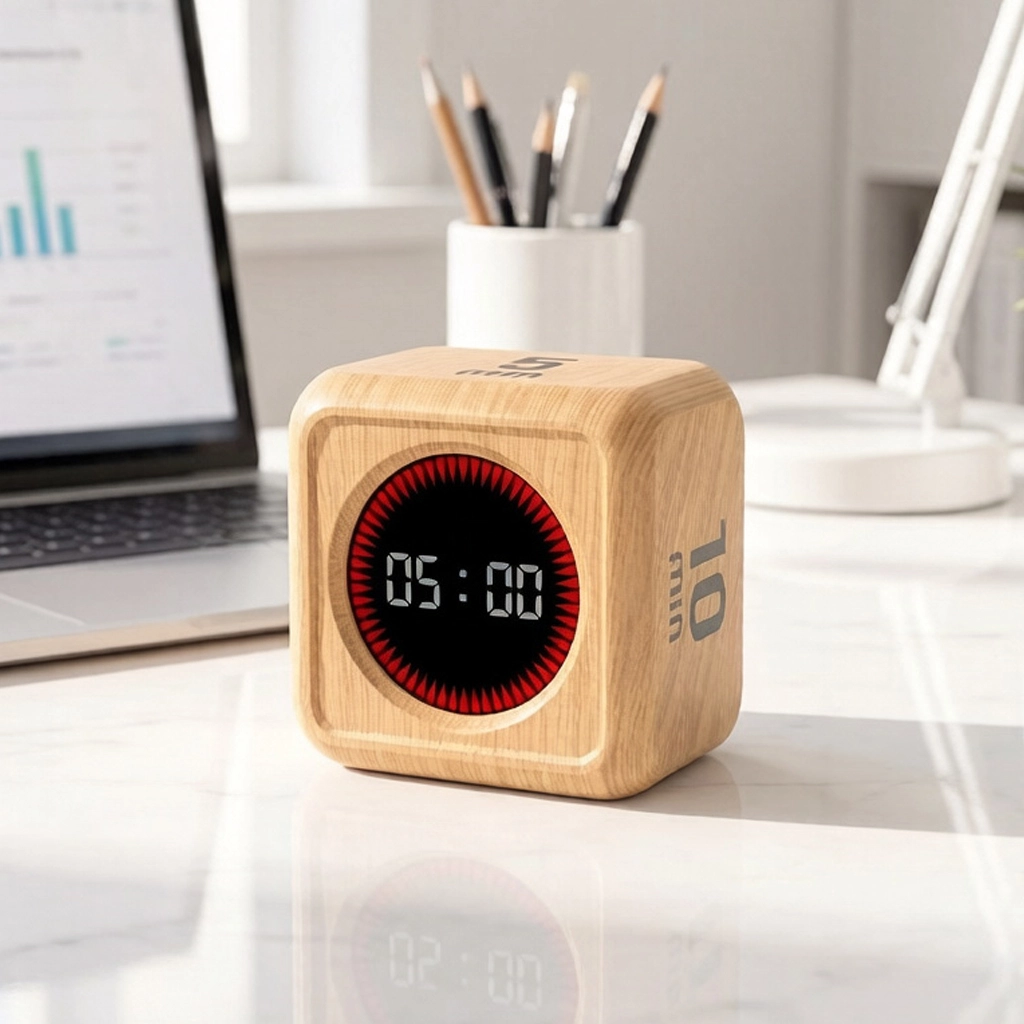
Wood Grain square Cube Timer Digital Gravity Sensor Timer Rechargeable Pomodoro Stopwatch Manufacturer
The X-JSQ814 Rubik’s Cube Timer reimagines timekeeping with a playful, cube-shaped design inspired by the iconic Rubik’s Cube. Blending nostalgia with functionality, it offers intuitive controls, smart gravity sensing, and versatile timing modes—perfect for anyone seeking a stylish, reliable tool to manage tasks at home, work, or play. Compact yet durable, it’s built to adapt to daily routines with ease.
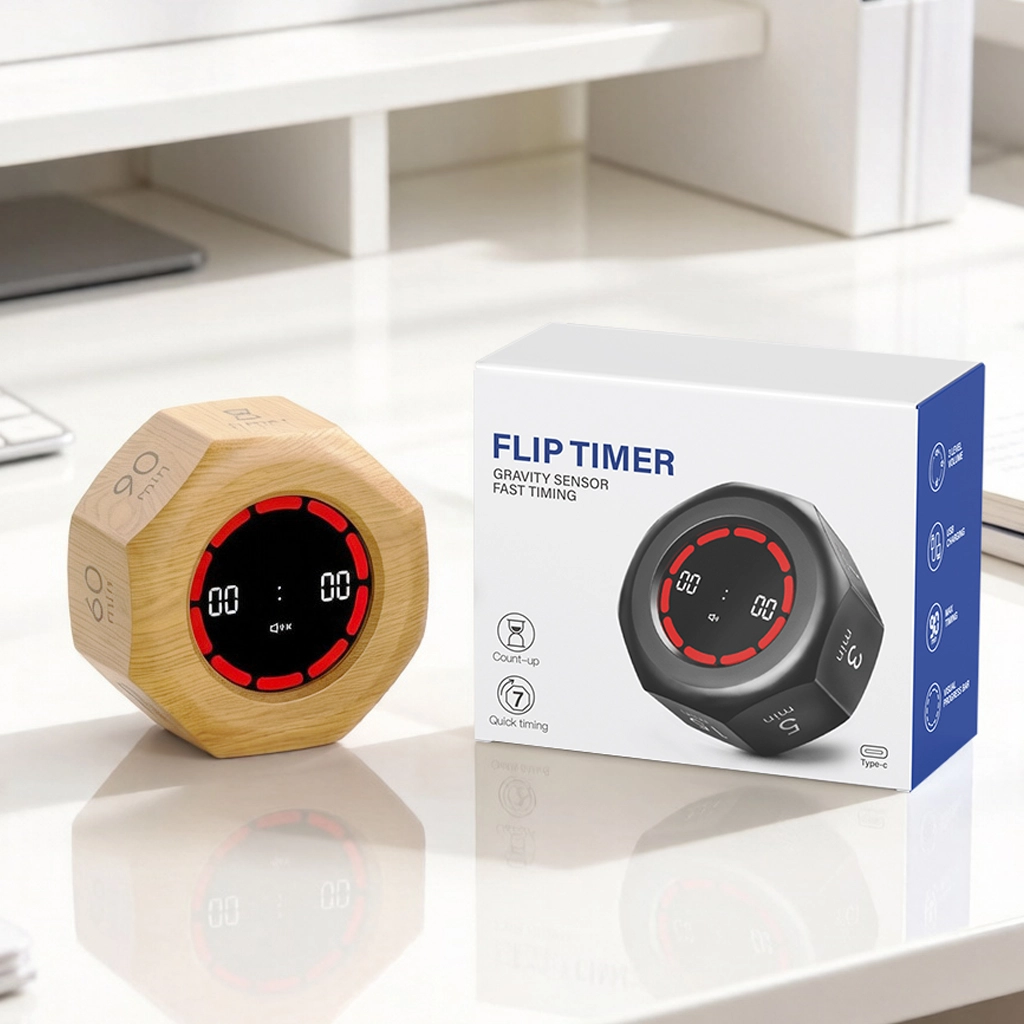
Wood Grain Gravity Sensor Digital Pomodoro Timer 3 5 30 90 Minutes Study Learn Visual Countdown Timer
Where cutting-edge design meets unrivaled functionality. This isn’t just a timer; it’s your versatile partner for kitchen precision, focused studying, classroom engagement, and even ADHD-friendly time tracking.
Crafted as an 8-sided cube with a sleek, novel mini-round profile, Cube redefines portability and style. Its eye-catching flip-gravity rotating visual display (no boring screens!) makes time visible at a glance, while a crisp digital clock shows seconds, minutes, and hours—ideal for recipes, Pomodoro sessions, or study intervals.
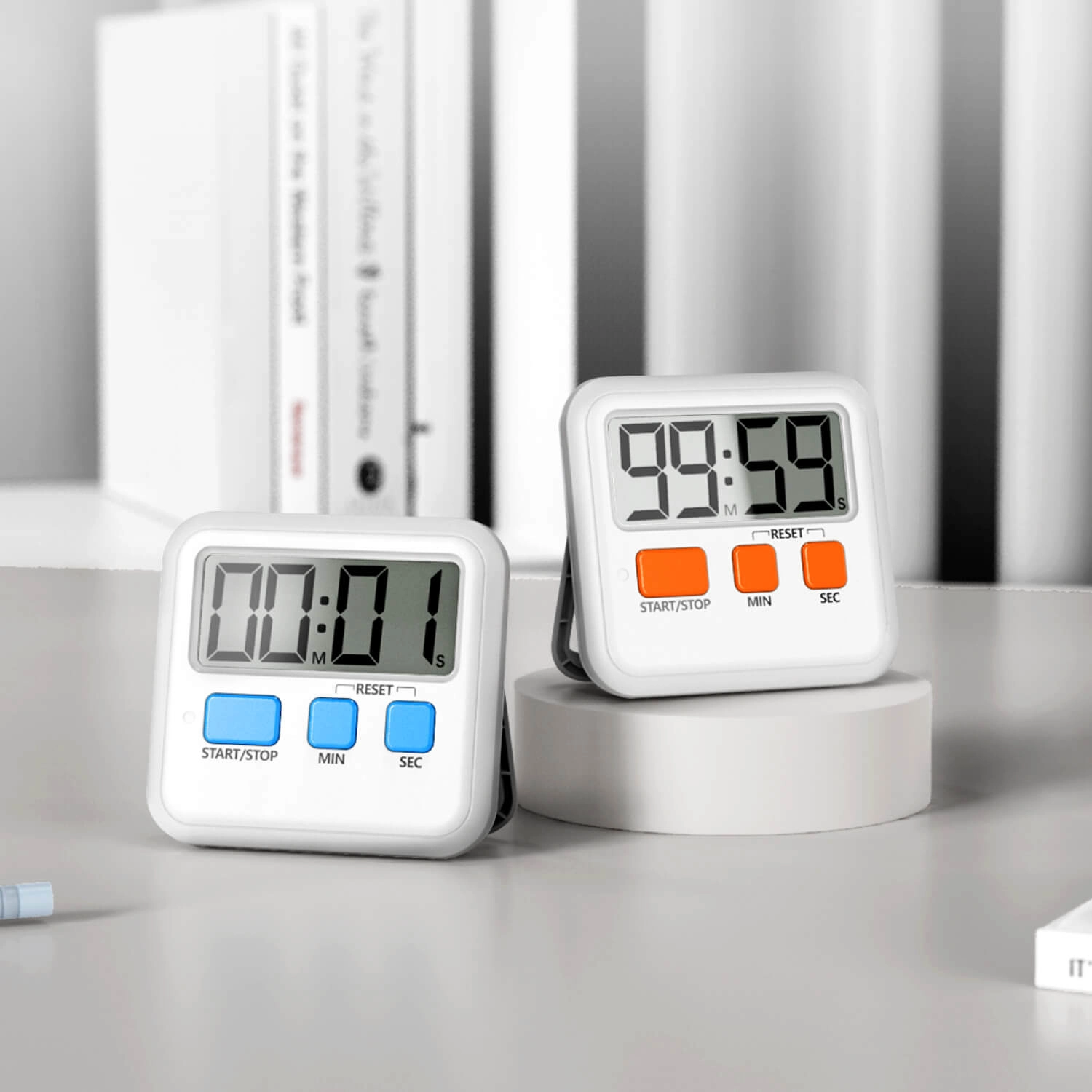
Custom Sound Ringtone Best Countdown Pomodoro Timer Brand In China
The X-JSQ811 Timer is a compact, functional digital timer designed for everyday time management. It prioritizes simplicity, portability, and adaptability—perfect for users who want a reliable tool without unnecessary complexity.
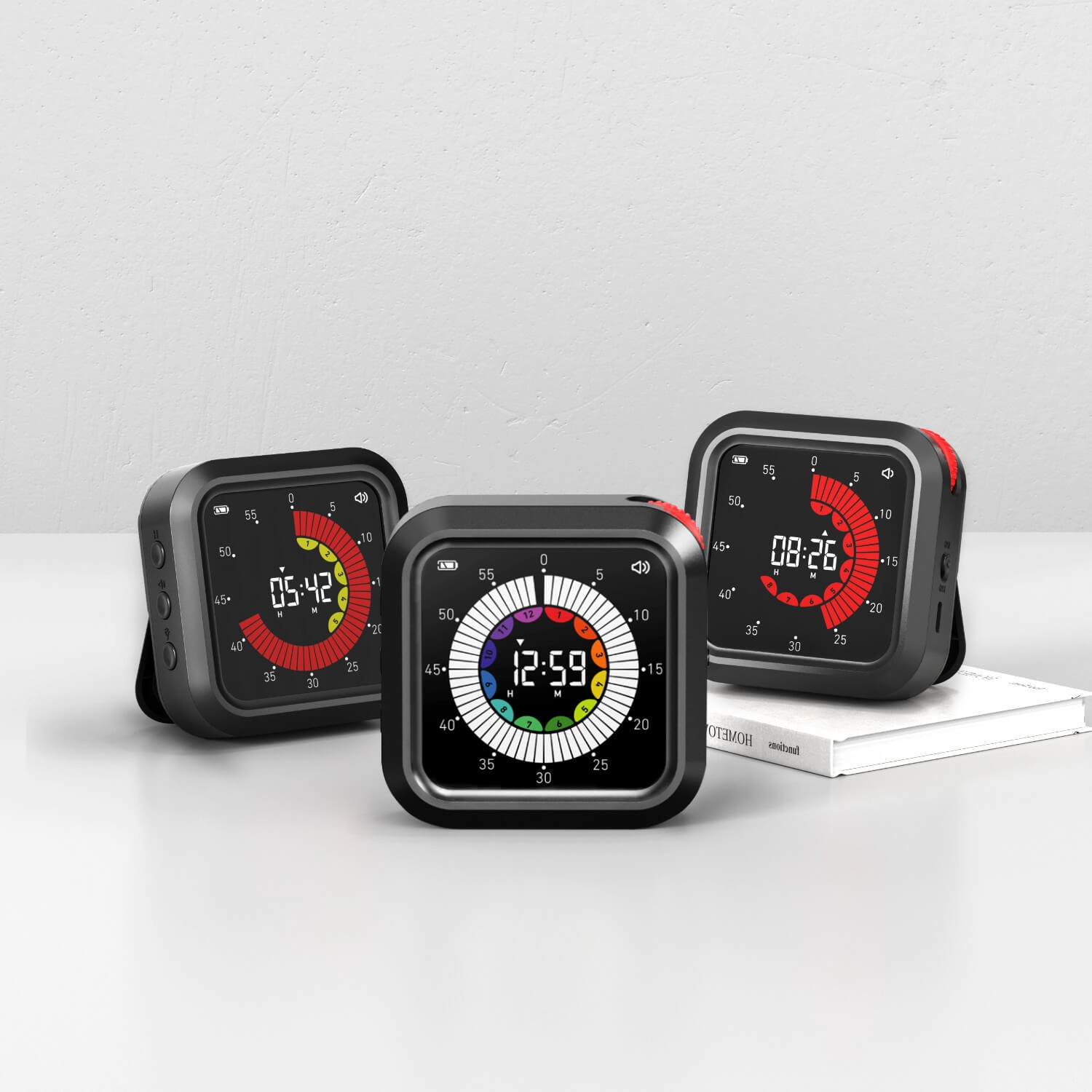
Digital Visual Tomato Pomodoro Technique Timer Study Kitchen Cooking Countdown Countup Timer Stopwatch
The X-JSQ817 Pomodoro Timer redefines simplicity and functionality for productivity, daily tasks, and creative pursuits. Designed with intuitive controls, robust features, and adaptable design, it caters to users seeking precision, convenience, and accessibility in a compact package.

Youben life
Youben life
Youben life
Youben life