
Pomodoro Digital Timer Components: PCB, Displays, Buttons
- Understanding the Core Elements of a Reliable Kitchen Timer
- Why component selection matters for a pomodoro digital timer
- PCB design: substrate, layer count, and layout best practices
- Key PCB considerations for small digital timers
- Thermal, coating and protection
- Microcontroller and firmware: brains of the pomodoro digital timer
- MCU selection criteria
- Display choices: readability, power, and manufacturing trade-offs
- Common display technologies for pomodoro timers
- Buttons and user input: tactile design and durability
- Button types and UI strategies
- Power architecture: batteries, regulators, and standby modes
- Designing for battery life and safety
- Enclosure, ergonomics and human factors
- Designing for practical daily use
- Manufacturing, compliance and testing for market readiness
- Key tests and certifications
- Youben Life: OEM/ODM capabilities and why it matters for your timer project
- Youben Life advantages and product focus
- Practical component-selection checklist for a production pomodoro digital timer
- Step-by-step checklist
- FAQ — Common questions about building and buying pomodoro digital timers
- 1. What components determine how long a pomodoro timer runs on battery?
- 2. Is a dedicated RTC necessary for a pomodoro digital timer?
- 3. Which display is best for visibility in bright kitchens?
- 4. How do I choose between mechanical and capacitive buttons?
- 5. What certifications should I require from my OEM partner?
- Contact & product inquiry
- References
Understanding the Core Elements of a Reliable Kitchen Timer
Why component selection matters for a pomodoro digital timer
A pomodoro digital timer is more than a countdown clock: it must be readable at a glance, tactile and reliable for repeated button presses, energy-efficient for long life, and manufacturable at scale with consistent quality. Selecting the right Printed Circuit Board (PCB), display technology, and button/input solution directly affects cost, user experience, durability, and certification. This article explains component-level trade-offs and practical design choices that engineers and product managers need to make when developing a pomodoro digital timer for retail or private-label brands.
PCB design: substrate, layer count, and layout best practices
Key PCB considerations for small digital timers
A compact pomodoro digital timer typically uses a single-sided or double-sided PCB (often 1.6 mm FR-4). The following points should guide PCB decisions:
- Board size and component placement: minimize board area to reduce enclosure size and cost, but leave adequate spacing for mechanical mounting and EMI control. Place the microcontroller and power components away from the display backlight/LED arrays to reduce interference and visual flicker.
- Grounding and power planes: for double-sided boards, use a solid ground plane to reduce noise and simplify EMC compliance. If you need multiple regulators, plan thermal relief and decoupling capacitors near each IC.
- Mounting and connectors: design screw bosses, snap features, or standoffs into the enclosure layout and reserve matching holes/pads on the PCB. For battery replaceable designs, choose reliable battery holders or soldered contacts with gold plating.
- DFM and panelization: plan for panel arrays for SMT pick-and-place and wave or selective soldering for through-hole parts (e.g., mechanical switches). Keep test points accessible for in-line ICT boundary-scan testing.
Thermal, coating and protection
Conformal coating is advisable where humidity or kitchen splashes are expected. For timers intended for food-preparation areas, select coatings compatible with regulatory VOC limits and use RoHS-compliant materials.
Microcontroller and firmware: brains of the pomodoro digital timer
MCU selection criteria
The MCU choice depends on required features: display control, sound generation, low-power sleep modes, and connectivity (if any). Typical options include:
- 8-bit MCUs (e.g., AVR, PIC): simple, low-cost, widely supported for basic timers with 7-segment displays or simple LCDs.
- 32-bit ARM Cortex-M0/M0+/M3: suited for graphical OLED/TFT displays, haptics, and basic BLE/IoT features.
- Wi-Fi / Bluetooth MCUs (e.g., ESP32): chosen only if remote app control or synchronization is needed; increases power and BOM cost.
Implement firmware with robust timekeeping (watchdog timer, RTC or calibrated sleep timers), debounced button handling, and user-configurable intervals for pomodoro and break periods. For strict timing accuracy, include an external real-time clock (RTC) crystal or use the MCU's calibrated low-frequency oscillator with periodic calibration.
Display choices: readability, power, and manufacturing trade-offs
Common display technologies for pomodoro timers
Choosing a display impacts user satisfaction immediately. The main options are:
- Seven-segment LED: excellent legibility for numeric countdowns, high visibility in daylight, but higher power draw.
- LCD (segment or character): low power and low cost; requires backlight for poor lighting conditions.
- OLED (monochrome): excellent contrast, compact, supports icons and progress bars; moderate power draw depending on brightness.
- Small TFT/color LCD: supports rich UI and animations but raises BOM cost, power use, and complexity.
| Display Type | Pros | Cons | Best Use |
|---|---|---|---|
| 7-Segment (LED) | Highly legible, simple driver | High power, limited info | Minimalist countdown display |
| Segment LCD | Very low power, low cost | Limited flexibility, needs backlight in dim light | Mainstream battery designs |
| OLED (monochrome) | High contrast, flexible UI | Moderate power, slightly higher cost | Sleek, modern consumer timers |
| TFT color | Rich UI, animations | High cost & power, complexity | High Quality smart timers with app integration |
When choosing, balance daytime legibility (contrast and pixel size) and nighttime power consumption (backlight or OLED brightness). For typical pomodoro timers, a 2–4 digit 7-seg or a small monochrome OLED provides the best balance between cost, clarity, and user satisfaction.
Buttons and user input: tactile design and durability
Button types and UI strategies
The button solution affects perceived quality. Common approaches:
- Mechanical momentary pushbuttons: robust, tactile, and cheap; available in through-hole and SMT. Choose sealed versions for moisture resistance.
- Capacitive touch panels: sleek, modern look and no moving parts; require careful firmware for false touches and may need larger PCB area.
- Membrane switches: low profile and low cost; limited tactile feedback and shorter life than mechanical switches.
Best practices:
- Use hardware debouncing plus software debounce logic to avoid false triggers. Typical software debounce windows are 20–50 ms with longer press-and-hold thresholds for extended actions.
- For frequent actions (start/stop), prefer physical buttons with strong, consistent actuation force to deliver a satisfying user experience.
- Consider multi-function single-button UX (press to start/stop, long-press to reset, double-press to skip) only if the target user group is comfortable with minimal interfaces.
Power architecture: batteries, regulators, and standby modes
Designing for battery life and safety
Power strategy depends on display and features. Recommendations:
- For LED/bright displays: use AA/AAA or a rechargeable Li-ion cell and a regulated boost converter for consistent brightness.
- For LCD/OLED with low-power MCU: coin cells can work for segment LCDs but beware of OLED draw — prefer AA or rechargeable solutions.
- Implement intelligent power states in firmware: sleep modes, display timeouts, and reduced brightness during idle. Measure draw in real scenarios (active, idle, alarm) using a current profiler.
- Include battery protection (for Li-ion), thermal safety margins, and clear user guidance on battery replacement to avoid failures.
Enclosure, ergonomics and human factors
Designing for practical daily use
A pomodoro digital timer must be readable across a kitchen or desk and withstand drops and spills. Consider:
- Viewing angle and display bezel: ensure anti-glare treatment for displays.
- Button placement: use ergonomic spacing so users can operate by feel.
- Sounder and haptic: include a buzzer with adjustable volume or optional vibration for quiet environments.
- Mounting options: magnet, hook, or stand — offer at least two mounting modes for flexibility.
Manufacturing, compliance and testing for market readiness
Key tests and certifications
To sell globally, plan for these steps:
- EMC and safety testing: pre-compliance EMI/EMS testing reduces rework risk.
- CE marking, FCC certification, and RoHS compliance: ensure components and manufacturing processes meet these standards.
- Environmental and life tests: humidity, drop, thermal cycling, and button lifetime cycles (e.g., 100k actuations) validate durability.
A small comparison of regulatory scope:
| Regulation | Scope | Why it matters |
|---|---|---|
| CE | Health, safety, EMC in EU | Required to sell in EU markets |
| FCC | Radio and EMC in USA | Needed for devices emitting RF or digital circuitry |
| RoHS | Limits hazardous substances | Ensures environmental compliance and customer trust |
Youben Life: OEM/ODM capabilities and why it matters for your timer project
Youben Life advantages and product focus
Youben Life, founded in 2010 and headquartered in Guangzhou, China, is a leading home electronics manufacturer and supplier specializing in customized digital products. Their main product lines include digital timers, smart alarm clocks, digital thermometers, and hygrometers. Youben Life offers complete OEM, ODM, and private label solutions covering functionality, industrial design, appearance customization, packaging, and logo personalization. All products comply with CE, FCC, and RoHS standards and are exported globally.
Youben Life’s competitive strengths relevant to a pomodoro digital timer project:
- End-to-end capability: from schematic and PCB layout through enclosure tooling and packaging, reducing coordination overhead.
- Certification experience: proven track record delivering CE/FCC/RoHS-compliant products (reduces certification risk and time-to-market).
- Component sourcing and quality control: established supply chain reduces lead-time volatility and supports consistent BOM costs.
- Design-for-manufacture (DFM): practical choices in PCB layout and assembly ensure higher yields and better reliability.
Primary products: Digital Timer, Digital Alarm Clock, Household Thermometer — these product lines highlight Youben Life’s depth in timekeeping, display integration and environmental sensing.
Practical component-selection checklist for a production pomodoro digital timer
Step-by-step checklist
- Define target use-case (kitchen, desktop, pocket) to decide display brightness and power system.
- Select MCU family balancing cost vs. features (8-bit for basic, Cortex-M for advanced UIs).
- Choose display technology (7-seg/OLED) based on legibility and battery life targets.
- Pick durable button hardware (sealed tactile switches for kitchen use) and design software debounce and long-press behaviors.
- Design PCB with a ground plane, accessible test points, and panelization for assembly.
- Prototype and measure real-world power profiles for battery estimation and thermal behavior.
- Run environmental and EMC pre-compliance tests, then proceed to full certification with a partner like Youben Life or an accredited lab.
FAQ — Common questions about building and buying pomodoro digital timers
1. What components determine how long a pomodoro timer runs on battery?
Display type (LED vs. LCD vs. OLED), MCU power modes, buzzer use, and duty cycle (how often display/alarms are active) are the main factors. Optimizing firmware (sleep modes, display dimming) often yields the most battery life without changing hardware.
2. Is a dedicated RTC necessary for a pomodoro digital timer?
Not strictly — many MCUs can maintain accurate timing for short intervals. However, a dedicated RTC crystal improves long-term accuracy and reduces MCU active time, saving power in battery-powered designs.
3. Which display is best for visibility in bright kitchens?
7-segment LED and high-contrast OLED displays are most visible in bright conditions; for low power with acceptable visibility, a well-lit segment LCD with a reflective background can work.
4. How do I choose between mechanical and capacitive buttons?
Mechanical buttons offer tactile feedback and reliability for daily use. Capacitive buttons provide a cleaner look but require robust firmware and environmental tuning to avoid false touches in humid kitchens.
5. What certifications should I require from my OEM partner?
At minimum, require RoHS compliance and the capability to support CE and FCC testing. If your target market includes North America or the EU, insist on test reports or prior product certifications to shorten your compliance timeline.
Contact & product inquiry
If you are planning a pomodoro digital timer project — from prototype to mass production — contact Youben Life for OEM/ODM quotes, technical consultations, and certification support. View product catalogs or request custom design support for Digital Timer, Digital Alarm Clock, or Household Thermometer lines.
References
- Pomodoro Technique — Wikipedia. https://en.wikipedia.org/wiki/Pomodoro_Technique (Accessed 2025-12-23)
- Printed circuit board — Wikipedia. https://en.wikipedia.org/wiki/Printed_circuit_board (Accessed 2025-12-23)
- Seven-segment display — Wikipedia. https://en.wikipedia.org/wiki/Seven-segment_display (Accessed 2025-12-23)
- OLED — Wikipedia. https://en.wikipedia.org/wiki/OLED (Accessed 2025-12-23)
- Microcontroller — Wikipedia. https://en.wikipedia.org/wiki/Microcontroller (Accessed 2025-12-23)
- CE marking — European Commission. https://ec.europa.eu/growth/single-market/ce-marking_en (Accessed 2025-12-23)
- FCC Certification — Federal Communications Commission. https://www.fcc.gov/engineering-technology/laboratory-division/general/certification (Accessed 2025-12-23)
- RoHS — European Commission. https://ec.europa.eu/environment/waste/rohs_eecc/ (Accessed 2025-12-23)
For tailored development, prototyping support, and manufacturing scale-up for pomodoro digital timers, reach out to Youben Life to discuss specifications, samples, and certification timelines.
The B2B Buyer’s Guide to digital pomodoro timers | Youben life Ultimate Insights
Packaging & Logistics Strategies for Pomodoro Timers
How to Choose the Digital Timer manufacturer and supplier ?
Compliance: Certifications for Pomodoro Timers (CE RoHS FCC)
ODM R&D Development
How long does the ODM process take from design to delivery?
The ODM process typically takes 3-6 weeks, depending on the complexity and customization requirements of the project.
Service
What is included in your customizaiton?
Our customizaiton covers products function, materials,appearance, packaging and Logo
Products
What is the MOQ?
Standard products start from 200–500 pcs; ODM/OEM requirements vary by project.
About customization
What is the customization fee?
Please contact our business for consultation.
All
Can I customize the clock design and logo?
Absolutely. We offer customization for clock appearance, structure, materials, and logo printing to perfectly match your brand.
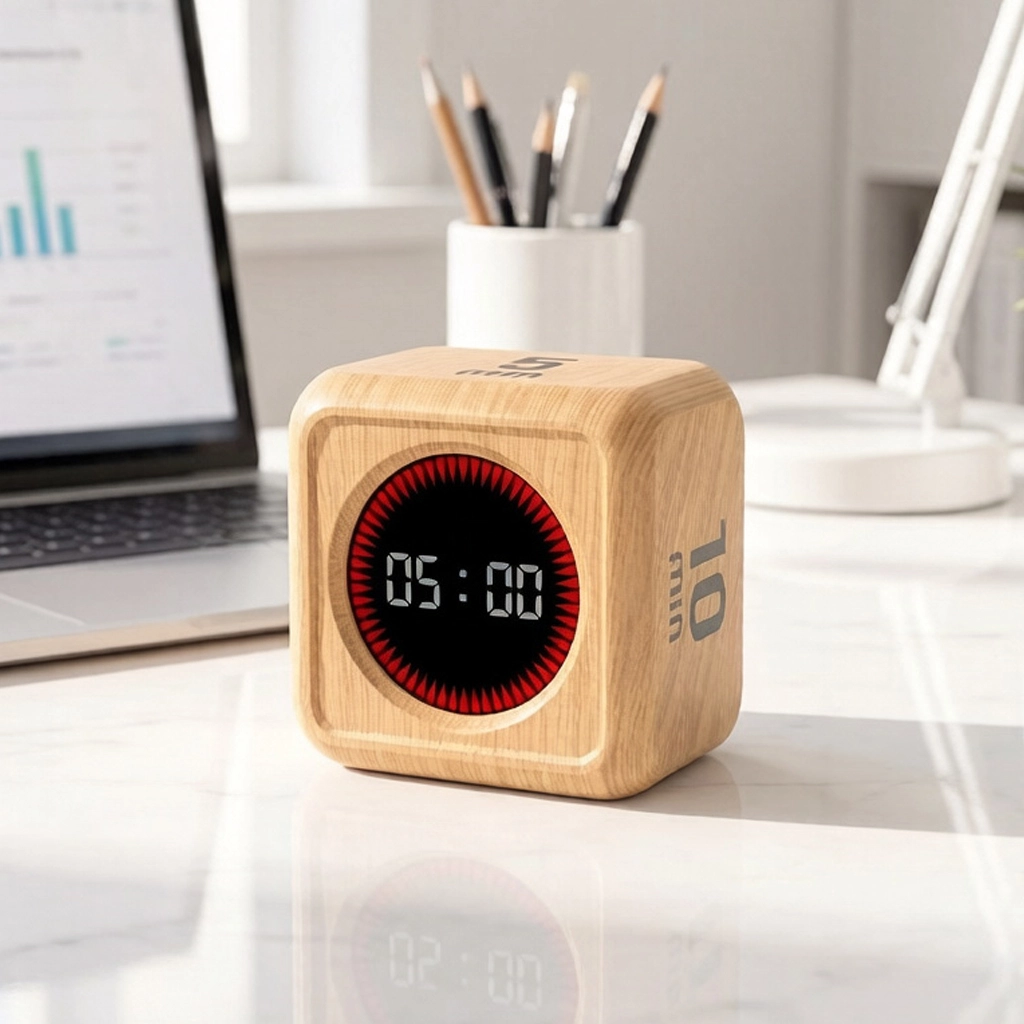
Wood Grain square Cube Timer Digital Gravity Sensor Timer Rechargeable Pomodoro Stopwatch Manufacturer
The X-JSQ814 Rubik’s Cube Timer reimagines timekeeping with a playful, cube-shaped design inspired by the iconic Rubik’s Cube. Blending nostalgia with functionality, it offers intuitive controls, smart gravity sensing, and versatile timing modes—perfect for anyone seeking a stylish, reliable tool to manage tasks at home, work, or play. Compact yet durable, it’s built to adapt to daily routines with ease.
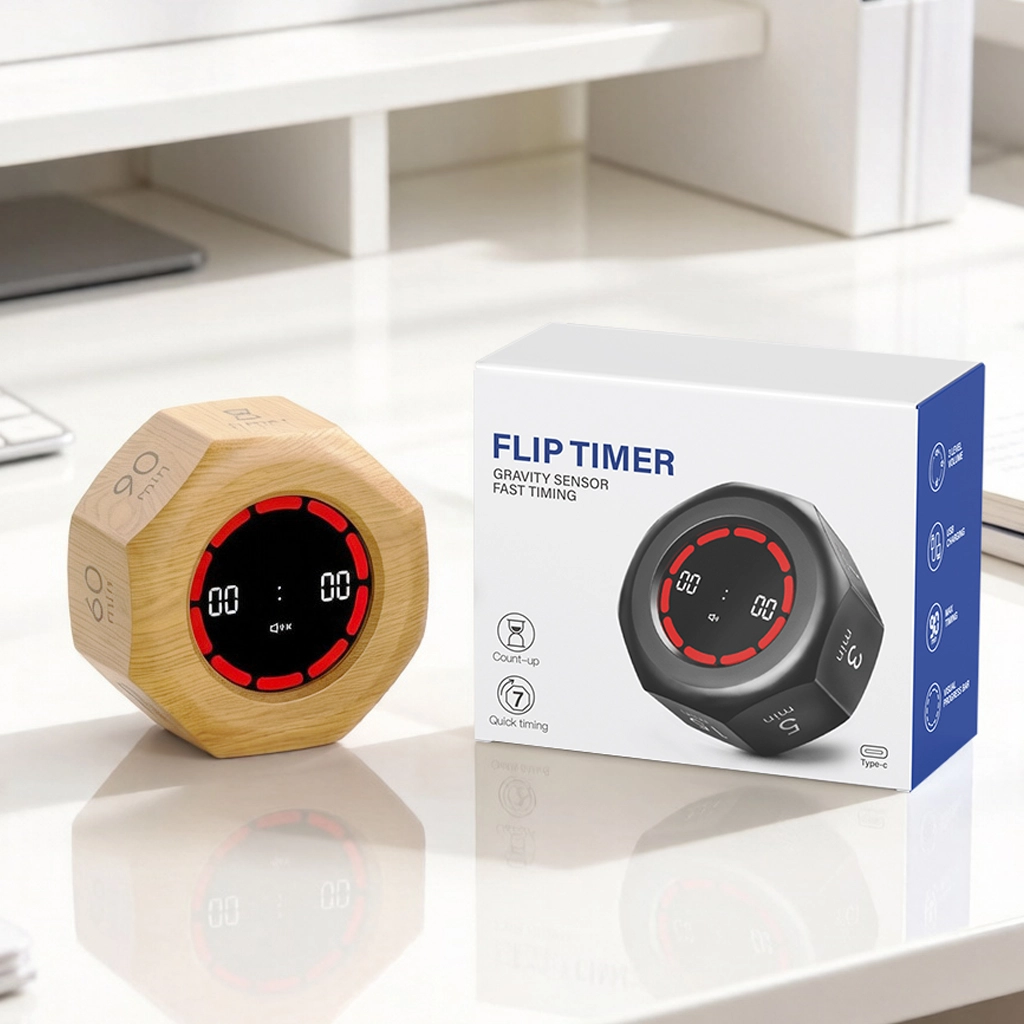
Wood Grain Gravity Sensor Digital Pomodoro Timer 3 5 30 90 Minutes Study Learn Visual Countdown Timer
Where cutting-edge design meets unrivaled functionality. This isn’t just a timer; it’s your versatile partner for kitchen precision, focused studying, classroom engagement, and even ADHD-friendly time tracking.
Crafted as an 8-sided cube with a sleek, novel mini-round profile, Cube redefines portability and style. Its eye-catching flip-gravity rotating visual display (no boring screens!) makes time visible at a glance, while a crisp digital clock shows seconds, minutes, and hours—ideal for recipes, Pomodoro sessions, or study intervals.
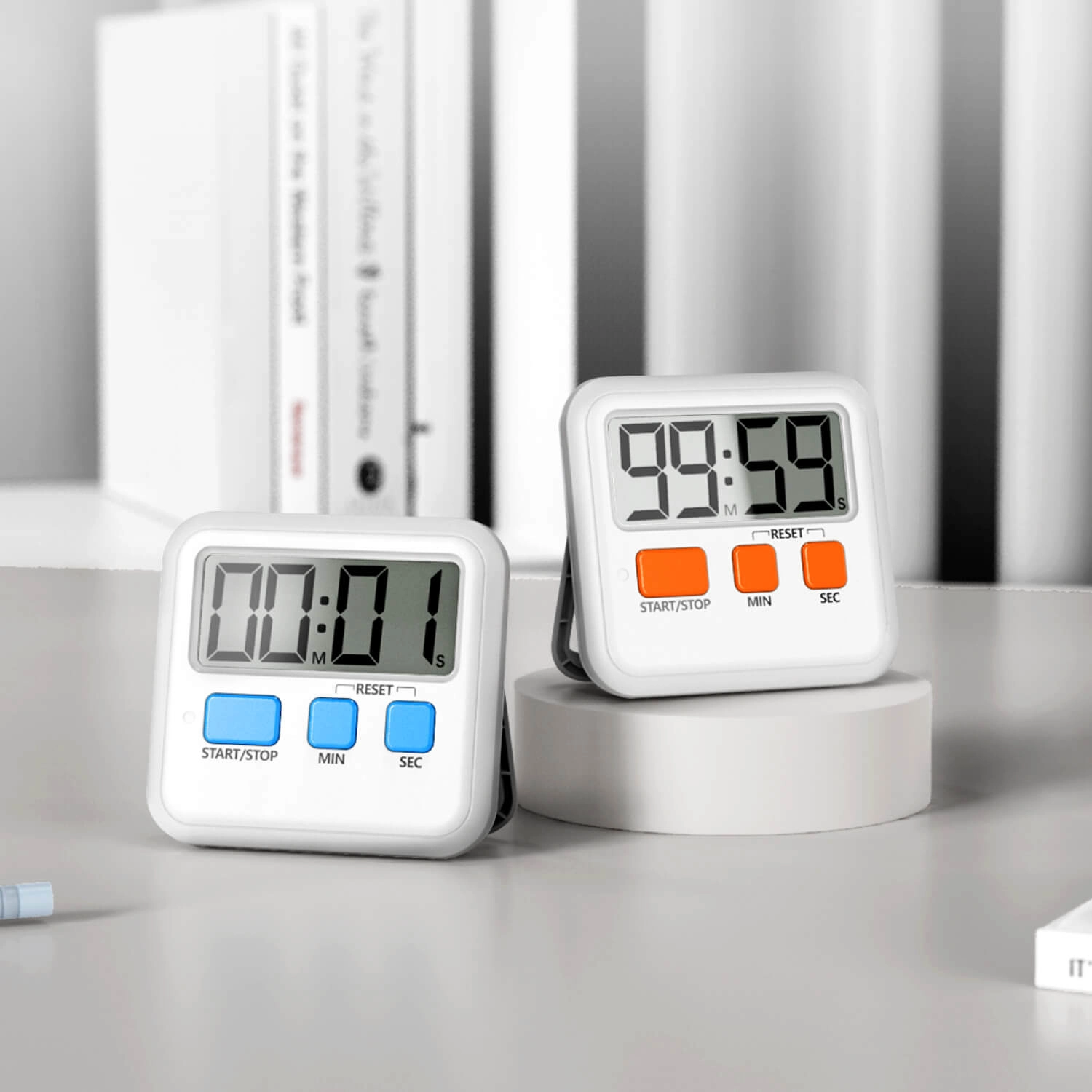
Custom Sound Ringtone Best Countdown Pomodoro Timer Brand In China
The X-JSQ811 Timer is a compact, functional digital timer designed for everyday time management. It prioritizes simplicity, portability, and adaptability—perfect for users who want a reliable tool without unnecessary complexity.
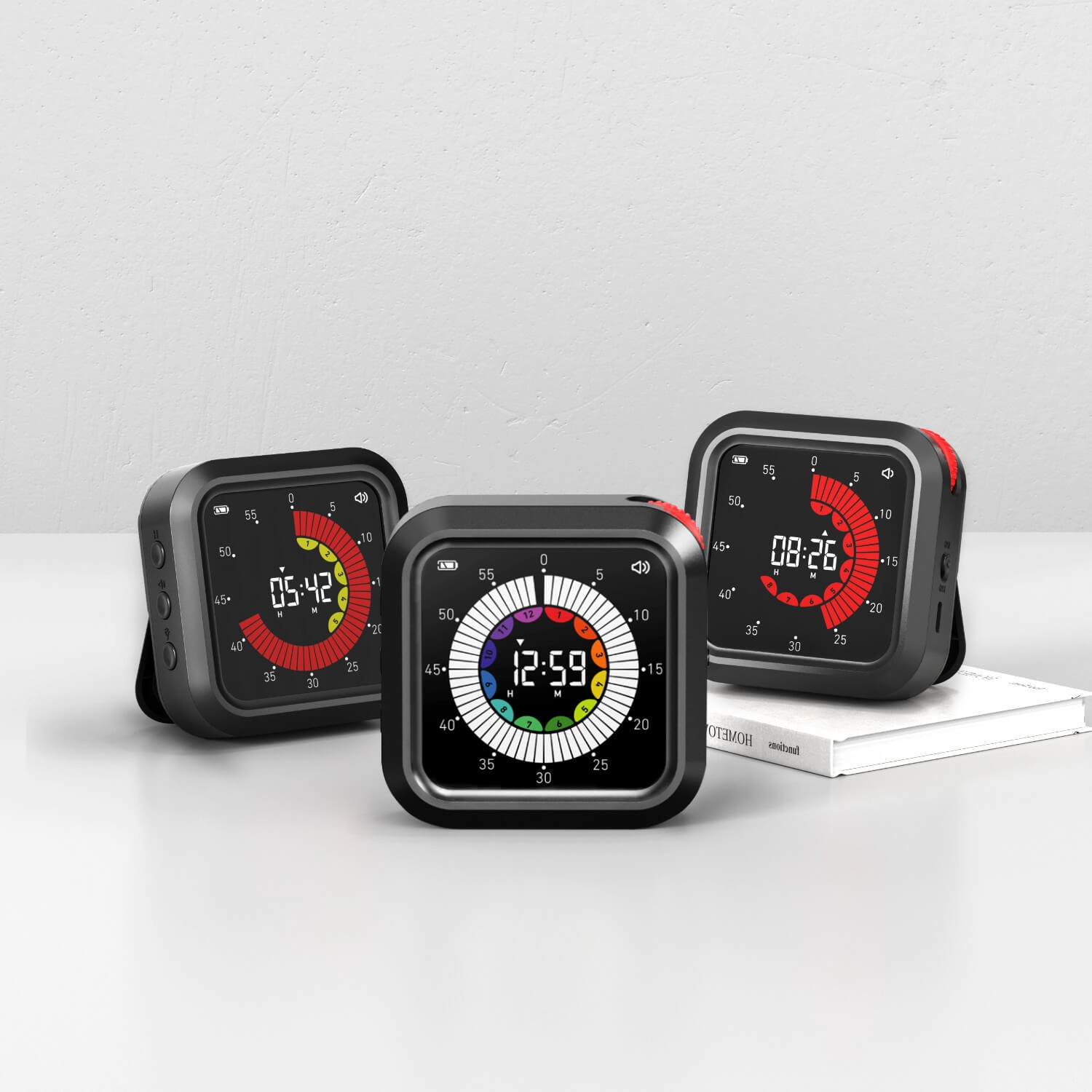
Digital Visual Tomato Pomodoro Technique Timer Study Kitchen Cooking Countdown Countup Timer Stopwatch
The X-JSQ817 Pomodoro Timer redefines simplicity and functionality for productivity, daily tasks, and creative pursuits. Designed with intuitive controls, robust features, and adaptable design, it caters to users seeking precision, convenience, and accessibility in a compact package.

Youben life
Youben life
Youben life
Youben life