
How to Build a Long-Term Partnership With a Reliable Visual Timer Manufacturer
- Choosing a manufacturing partner for recurring timer programs
- Assess the supplier’s role and technical fit
- Evaluate communication and decision-making practices
- Look beyond quoted unit cost
- Qualifying product quality, compliance, and supply resilience
- Turn product expectations into measurable requirements
- Verify quality systems and market-specific obligations
- Test samples and plan for supply interruptions
- Structuring the relationship for consistent execution
- Use a controlled product and change-management process
- Set operational measures and review them consistently
- Align forecasts, inventory, and commercial terms
- Scaling a timer program through transparent collaboration
- Connect related product needs without losing specification control
- Make improvement measurable and mutually useful
- Build the partnership around accountable commitments
- Frequently Asked Questions
A long-term partnership with a visual timer manufacturer is built through verified capability, clear specifications, dependable communication, and shared planning—not price negotiation alone. B2B buyers should assess product design and production controls, confirm applicable market requirements, validate samples before launch, and establish processes for forecasts, engineering changes, quality issues, and ongoing improvement. These practices help brand owners, distributors, and project teams reduce supply risk while protecting product consistency and commercial value.
Choosing a manufacturing partner for recurring timer programs
Assess the supplier’s role and technical fit
Begin by defining what the supplier is expected to deliver. A project may require an existing digital countdown timer, a customized display and enclosure, private-label packaging, or a product developed around a specific user environment. These are different scopes, and not every supplier has the same design, tooling, sourcing, and production capabilities. Buyers should ask which elements are standard, which can be customized, who owns design files and tooling, and how engineering responsibilities are divided.
Technical fit also depends on how the timer will be used. A classroom, office, kitchen, clinical setting, and industrial facility can place different demands on visibility, controls, mounting, cleaning, power, and user interaction. A pomodoro timer used for focused work may need a simple work-and-break cycle, while a large visual countdown device may prioritize legibility from a distance. Documenting use cases early helps a supplier recommend a suitable product architecture rather than relying on assumptions.
Evaluate communication and decision-making practices
Reliable cooperation requires timely, traceable communication across sales, engineering, quality, and production. During qualification, buyers can observe whether the supplier asks useful questions about target markets, annual demand, packaging, labeling, and acceptance criteria. Responses should distinguish confirmed facts from estimates, explain open risks, and identify who is responsible for each next step. These habits are important indicators of how routine production questions or urgent quality concerns may be handled later.
Agree on working processes before the first order. A practical arrangement identifies the commercial contact, technical contact, escalation route, expected response windows, meeting cadence, and the documents that govern the project. Written specifications and approved drawings should take precedence over informal chat messages. When both parties use the same revision-controlled information, the likelihood of avoidable misunderstandings declines.
Look beyond quoted unit cost
A low quotation may not represent the lowest total cost of ownership. Buyers should include tooling, sample iterations, testing, packaging, freight, inspection, defect handling, service parts, and the cost of delayed launches in their assessment. They should also clarify minimum order quantities, payment milestones, lead-time assumptions, and the treatment of obsolete components. A transparent cost breakdown makes it easier to compare proposals on equivalent terms and identify risks hidden by an attractive headline price.
Qualifying product quality, compliance, and supply resilience
Turn product expectations into measurable requirements
Specifications should describe observable product behavior, not just broad aspirations such as “high quality” or “easy to use.” For a timer, relevant requirements may include countdown range, time-setting increments, display dimensions, viewing angle, alarm behavior, control layout, power source, operating environment, enclosure finish, and packaging. Where the product has a visual progress indicator, define how the indicator changes over time and how a user recognizes the end of a cycle. Acceptance criteria should be specific enough for both incoming inspection and production testing.
Buyers should also define tolerances and sample approval rules. A golden sample can provide a physical reference for appearance and operation, while controlled drawings and a bill of materials clarify approved components. Define what happens if a proposed substitute is needed: the supplier should disclose the change, explain its impact, and obtain written approval before implementation. This is especially important for displays, switches, batteries, adapters, and plastics, where a seemingly minor substitution can affect performance or compliance status.
Verify quality systems and market-specific obligations
Ask for current, relevant evidence rather than accepting general statements about quality. An organization’s quality management system can provide a framework for consistent processes; ISO 9001 specifies requirements for quality management systems, but certification alone does not prove that a particular timer meets every buyer requirement. Review the certificate scope, issuing body, validity, and site coverage, then assess product-specific controls such as inspection records, traceability, nonconformance handling, and corrective action.
Regulatory obligations depend on the product design, destination market, and sales channel. For electrical and electronic equipment placed on the EU market, the EU RoHS Directive restricts the use of specified hazardous substances, subject to its scope and exemptions. Buyers should determine whether the finished product and its components fall within applicable requirements and request appropriate supporting documentation. For product safety, assess the applicable rules and standards for the actual device; IEC 62368-1 addresses safety for audio/video, information, and communication technology equipment, but its applicability to a particular timer must be determined rather than assumed.
Maintain a compliance file that links product identifiers and revisions to declarations, test reports, material evidence, and market-specific labeling. Confirm that reports apply to the exact model and configuration being purchased. A report for a similar-looking product may not cover a changed power supply, battery, enclosure, or component source. Regulatory review should occur before launch and whenever a change could affect the assessment.
Test samples and plan for supply interruptions
Sample approval should cover more than appearance. Test the timer under representative operating conditions, including repeated setting cycles, alarm use, power interruption where relevant, and the expected user workflow. Confirm packaging protection and check whether the instructions match the delivered controls. If the product will be used by people with varied levels of familiarity, include usability checks with representative users. Record results, defects, agreed corrections, and the final approved revision before authorizing mass production.
Supply resilience deserves the same attention as first-article quality. Discuss component lead times, approved alternates, capacity constraints, peak-season planning, and how allocation decisions are made during shortages. A second-source strategy can reduce exposure, but it must not create uncontrolled design variation. Where a single source is commercially necessary, buyers can mitigate risk through forecast visibility, defined safety-stock decisions, component lifecycle monitoring, and documented escalation procedures.
| Evaluation area | Evidence to request | Buyer verification |
|---|---|---|
| Quality management | Quality-system certificate, process overview, inspection and corrective-action records | Check scope, validity, site coverage, and whether records relate to the relevant product or process |
| Product definition | Controlled specification, drawings, bill of materials, approved sample | Confirm revision alignment and define written approval for deviations or substitutions |
| Regulatory readiness | Applicable declarations, test reports, component or material evidence, labeling details | Match evidence to the exact model, configuration, destination market, and current revision |
| Delivery planning | Lead-time assumptions, capacity plan, forecast process, component-risk overview | Review constraints, escalation routes, and contingency actions before placing repeat orders |
Structuring the relationship for consistent execution
Use a controlled product and change-management process
After supplier selection, establish one source of truth for specifications, artwork, packaging, test criteria, and approved components. Each controlled document should have an owner, revision, approval date, and distribution record. The supplier should not introduce a design, material, process, or manufacturing-site change without notifying the buyer and completing the agreed review. Depending on the change, that review may require a risk assessment, sample evaluation, updated testing, or regulatory confirmation.
Change control protects both parties. It prevents a buyer from discovering an unapproved difference after goods reach a warehouse, and it gives the supplier a defined route to propose improvements or manage component obsolescence. The agreement should distinguish minor administrative updates from changes that require formal approval, and should state how existing inventory and work in progress will be handled if a revision is rejected.
Set operational measures and review them consistently
Use a small set of useful performance indicators rather than an extensive scorecard that no one maintains. Potential measures include on-time delivery against the confirmed schedule, incoming defect rate against agreed criteria, response time for corrective-action requests, and completion of approved documentation. Define calculation methods and data sources so that both organizations interpret results consistently. A metric without a shared definition can create disagreement instead of improvement.
Periodic business reviews should cover actual performance, forecast changes, open quality actions, upcoming launches, component risks, and improvement priorities. The meeting should produce named owners and due dates. Buyers should distinguish between a one-time miss and a recurring process problem, while suppliers should provide evidence that corrective actions address root causes rather than only sorting affected units. This regular cadence turns performance discussions into a practical operating tool.
Align forecasts, inventory, and commercial terms
Forecasts help suppliers plan labor and materials, but forecasts are not automatically purchase commitments. State which forecast periods are informational, which are binding, and how purchase orders release production. Agree on lead-time definitions, order-change cutoffs, cancellation terms, inventory ownership, and treatment of unused customized packaging. This clarity reduces disputes when demand shifts or a launch date changes.
Commercial terms should reflect the work required to sustain the program. For example, the parties can define how tooling maintenance, sample charges, engineering changes, service parts, and warranty claims are handled. Review these terms when volumes or product scope change. A relationship that is commercially sustainable for both parties is more likely to receive stable attention and realistic capacity planning.
Scaling a timer program through transparent collaboration
Connect related product needs without losing specification control
Some buyers source several adjacent product categories, such as digital timers, pomodoro timers, thermo-hygrometers, and temperature humidity monitors. Coordinating related products with a supplier may simplify communication, packaging planning, or channel assortment, but product families should not be treated as interchangeable. Each model needs its own specification, compliance review, sample approval, and quality criteria. Shared suppliers can support portfolio planning only when product-specific controls remain clear.
For brand owners and distributors, a product roadmap can help manufacturers prepare for seasonal demand, packaging refreshes, or new channel requirements. Share only the information needed for planning and protect confidential commercial or design information through appropriate agreements. Early discussion of planned changes can help identify tooling, testing, or component constraints before they become launch delays.
Make improvement measurable and mutually useful
Long-term cooperation should include structured opportunities to reduce defects, simplify assembly, improve instructions, or make packaging more robust. Each proposal should be evaluated against user impact, cost, quality, compliance, and implementation risk. A unit-cost reduction that shortens product life or increases returns is not necessarily an improvement. Where a change is accepted, document the revised baseline and verify the outcome using agreed data after implementation.
Feedback from distributors, service teams, and end users can reveal issues that factory inspection will not detect, such as confusing controls or unclear setup instructions. Share these observations in a usable format, including model and lot identification where available. The manufacturer can then investigate patterns and propose corrective or preventive measures. This loop is most effective when reports are timely, specific, and treated as evidence rather than blame.
Build the partnership around accountable commitments
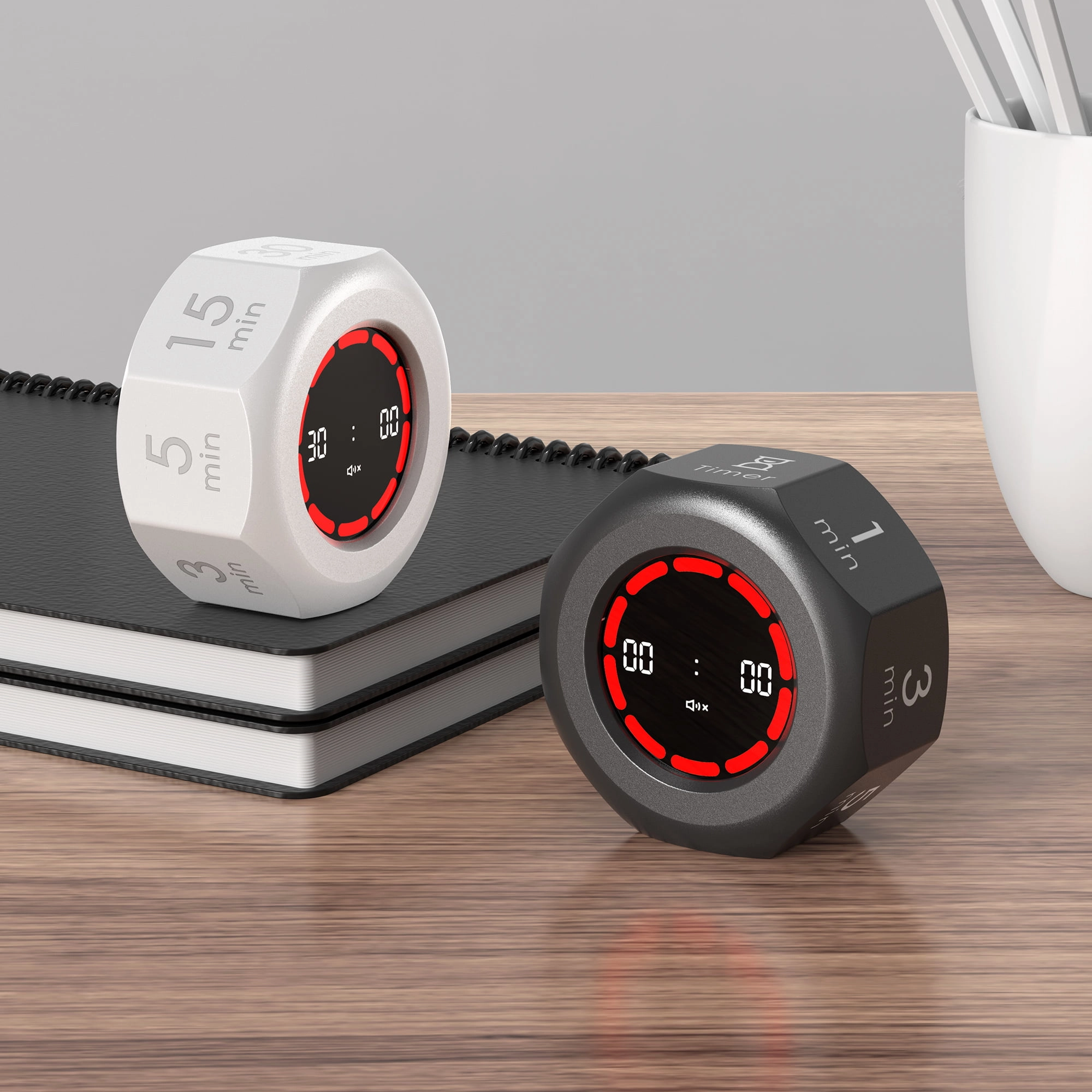
In our product offering, Digital Timer, pomodoro timer, thermo hygrometer, and temperature humidity monitor categories can support buyers seeking coordinated timing and environmental-measurement products. A credible supplier relationship should make the scope of each product clear, provide buyers with reviewable specifications, and maintain communication around samples, production, and changes. Buyers can assess those commitments through documented deliverables and performance over time rather than relying on broad claims about capability.
Before placing a long-term order, buyers should complete a final readiness review: approved product revision, acceptable sample results, applicable compliance evidence, packaging approval, confirmed commercial terms, delivery assumptions, and named escalation contacts. The review should also identify unresolved risks and assign mitigation owners. This disciplined checkpoint helps prevent procurement urgency from bypassing requirements that are difficult to correct after production begins.
Contact our team to discuss product requirements or explore our digital timer, pomodoro timer, thermo-hygrometer, and temperature humidity monitor offerings.
Frequently Asked Questions
What should buyers evaluate when choosing a visual timer supplier?
Assess technical fit, product-development responsibilities, communication practices, quality controls, applicable compliance evidence, delivery planning, and total cost of ownership. Confirm the supplier can support the specific product scope, customization needs, and target markets.
What information should a timer product specification include?
A specification can define countdown range, setting increments, display dimensions, viewing angle, alarm behavior, controls, power source, operating environment, enclosure finish, packaging, tolerances, and acceptance criteria. Include controlled drawings, a bill of materials, and sample approval rules where relevant.
How can a buyer verify quality and regulatory readiness?
Review quality-system evidence for scope, validity, and site coverage, then assess product-specific inspection and corrective-action controls. Match declarations, test reports, material evidence, and labeling details to the exact model, configuration, revision, and destination market.
Why is change control important in a long-term supplier relationship?
Change control ensures that design, material, process, component, or site changes are reviewed before implementation. Depending on the change, approval may require a risk assessment, sample evaluation, updated testing, or regulatory confirmation.
How can buyers reduce timer supply-chain risk?
Discuss component lead times, approved alternates, capacity constraints, peak-season planning, and allocation during shortages. Buyers can also use forecast visibility, documented contingency plans, lifecycle monitoring, and carefully controlled second sourcing.
Which performance measures are useful for reviewing a manufacturing partner?
Useful measures may include on-time delivery against the confirmed schedule, incoming defect rate against agreed criteria, response time for corrective-action requests, and completion of approved documentation. Define each measure's calculation method and data source in advance.
Top 10 led digital wall clock for office manufacturers and suppliers
Private Label Timer: How to Start Your Own Branded Line
Case Studies: Successful Timer OEM & ODM Partnerships
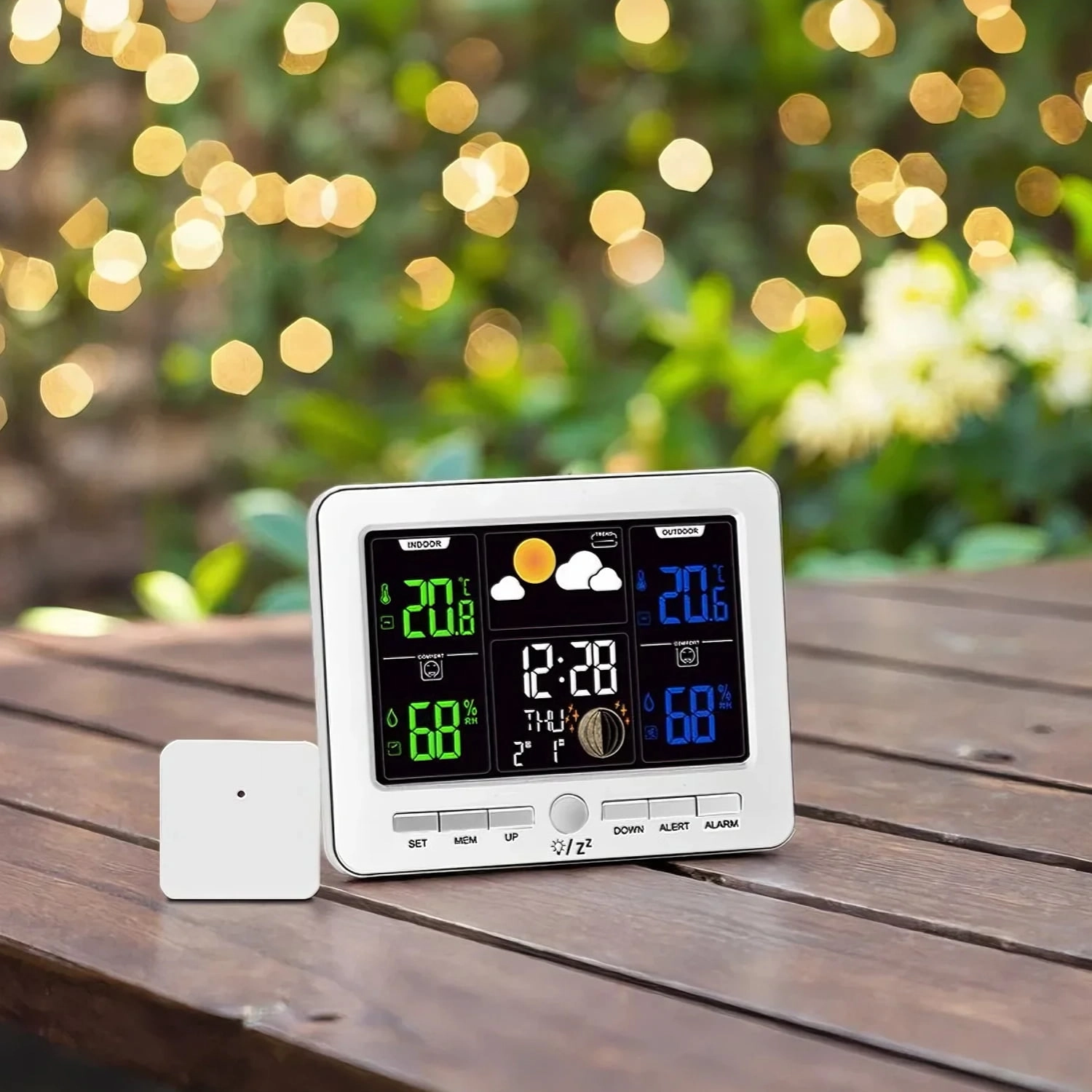
Smart Digital Weather Clocks: Beyond Time, Your Environment Monitor
Interested in this article?
Let’s talk.
Need specifications, pricing, or customization options? We’ll provide everything you need.

Youben life
Youben life