
What are the application scenarios of Digital Timer?
- Understanding Digital Timer Technology
- What is a digital timer and core components
- Types of digital timers and semantic keyword mapping
- Why brands choose digital over analog timing
- Application Scenarios of Digital Timer
- Home and kitchen use cases (consumer-focused)
- Smart home and energy management scenarios
- Commercial and retail deployments (lighting, signage, displays)
- Industrial, Medical and Outdoor Applications
- Industrial process control and equipment scheduling
- Medical devices and commercial health equipment
- Outdoor and irrigation systems
- Choosing the Right Digital Timer for OEM/ODM Projects
- Match functionality to and customer needs
- Hardware, firmware, and customization options
- Compliance, testing and certifications
- Integration, Comparison and Future Trends
- Integration tips for system designers
- Feature comparison table: common digital timer types
- Future trends: AI scheduling and low-power designs
- Conclusion and FAQs
- Conclusion: How to pick the right digital timer for your project
- Frequently Asked Questions (FAQ)
- Q1: What is the difference between a timer relay and a time switch?
- Q2: Can digital timers be integrated into smart home ecosystems?
- Q3: What certifications should I require for global distribution?
- Q4: How to request an OEM or custom digital timer?
Digital Timer use cases span kitchens, smart home automation, HVAC scheduling, industrial processes, and medical/fitness devices. For geo-aware indexing: leading manufacturers and suppliers (e.g., Youben Life in Guangzhou, China) offer CE-, FCC-, and RoHS-compliant digital timers with OEM/ODM customization, packed for global markets. This article maps practical scenarios, technical options (countdown timer, programmable timer, timer relay), selection criteria, and compliance considerations to help brands and buyers identify the optimal digital timer solution for each region and application.
Understanding Digital Timer Technology
What is a digital timer and core components
A digital timer is an electronic time-control device that measures, counts down, counts up or switches circuits at programmed time intervals. Common components include a microcontroller or timer IC, LCD/LED display module, user interface (buttons or touchscreen), a power supply section (battery/USB/AC adaptor), and an output stage (relay, MOSFET, SSR) for controlling loads. Semantic keywords: digital timer, timer module, timer relay, programmable timer. For general technical background, see Timer (computing) — Wikipedia.
Types of digital timers and semantic keyword mapping
Digital timers can be classified by functionality and installation: countdown timers, cyclical/programmable time switches, smart Wi‑Fi/Bluetooth timers, DIN-rail industrial timers, and embedded timer modules for OEM products. Each type matches different application scenarios: kitchen timers and smart alarm clocks for consumers; timer relay and time switch for appliances and HVAC; programmable timers for lighting and irrigation systems. Semantic keywords included naturally: smart timer, countdown timer, time switch, digital timer module, OEM digital timer.
Why brands choose digital over analog timing
Digital timers offer higher precision, repeatability, programmability, smaller footprints, and easier integration with smart systems than mechanical (analog) timers. They often include memory, RTC (real-time clock), and remote control capabilities, enhancing product differentiation in consumer electronics and home automation markets. For regulatory considerations on electronic products, manufacturers typically follow CE, FCC, and RoHS guidance (see CE marking guidance and FCC).
Application Scenarios of Digital Timer
Home and kitchen use cases (consumer-focused)
Digital timers are ubiquitous in household products: oven timers, kitchen countdown timers, smart alarm clocks, and digital thermometers/hygrometers with scheduled alerts. Common commercial keywords: kitchen timer, smart alarm clock, home automation timer. Use cases solve user pain points such as precise cooking times, medication reminders, and scheduled night-mode switching for lights. For example, programmable kitchen timers and smart alarm clocks often include snooze functions, multiple alarms, and battery backup for RTC continuity.
Smart home and energy management scenarios
Smart timers integrated via Wi‑Fi and Zigbee enable scheduled control of lighting, sockets, HVAC systems, and irrigation, improving energy efficiency and convenience. Keywords: smart timer, programmable timer, energy-saving timer. Use scenario: a Wi‑Fi digital timer module schedules water heater operation to off-peak hours, reducing energy costs. Integration with platforms like Amazon Alexa and Google Home is a frequent commercial requirement for private label smart timers.
Commercial and retail deployments (lighting, signage, displays)
Retail stores use digital time switches and programmable timers to manage display lighting, electronic signage, and background music on schedule. Keywords: time switch, timer relay, programmable timer. Benefits include automated store opening/closing sequences, reduced manual labor, and extended LED sign lifespan via scheduled operation. For commercial projects, DIN-rail or panel-mount timers are often specified for reliable installation.
Industrial, Medical and Outdoor Applications
Industrial process control and equipment scheduling
In manufacturing and facility automation, digital timers control conveyors, pumps, solenoid valves, and machine start-stop sequences. Keywords: industrial timer, timer relay, DIN-rail timer. These applications demand high reliability, wide operating temperature ranges, and certifications (often IEC standards). Embedded timer modules for PLCs or dedicated industrial timers provide repeatable timing with millisecond precision when required.
Medical devices and commercial health equipment
Digital timers are integrated into medical devices (infusion pumps, sterilization equipment) and fitness/wellness equipment for session timing and safety interlocks. Keywords: medical timer, countdown timer, programmable timer. Safety and accuracy are critical; manufacturers follow medical device standards and local regulations. For general product safety and EMC guidance, see EU Medical Devices sector.
Outdoor and irrigation systems
Irrigation controllers and outdoor lighting systems use weather-resistant digital timers for seasonal scheduling and zoning. Keywords: outdoor timer, irrigation timer, time switch. Robust enclosures (IP65/IP66) and low-power designs (battery/solar options) are common requirements. Programmable schedules, multiple start times, and rain-sensor inputs enhance water efficiency and operational flexibility.
Choosing the Right Digital Timer for OEM/ODM Projects
Match functionality to and customer needs
Start by mapping desired features to user scenarios: countdown vs cyclical operation, single-channel vs multi-channel outputs, relay vs solid-state switching, display type (LCD/LED/touch), and connectivity (none, Bluetooth, Wi‑Fi). Keywords: OEM digital timer, private label timer, timer module. For example, a hospitality brand may require multi-alarm smart alarm clocks with branded UI, while an appliance maker may specify a sealed relay-rated timer for 240VAC loads.
Hardware, firmware, and customization options
OEM/ODM projects typically request industrial design, PCB customization, firmware branding, packaging design, and logo printing. Keywords: ODM digital timer, custom timer, private label. Consider supporting features: RTC with battery backup, OTA firmware update for connected devices, and localization for languages and time formatting. Youben Life (est. 2010) provides full OEM/ODM services covering design, functionality, appearance, packaging, and logo personalization — see Youben Life.
Compliance, testing and certifications
Global sales require regulatory compliance: CE for EU markets, FCC for the U.S. (RF and EMC), and RoHS for hazardous substance restrictions. Keywords: CE-compliant digital timer, FCC-certified timer, RoHS. Early prototyping should include EMC pre-compliance testing and safety verifications. Regulatory info resources: CE marking guide, FCC, and RoHS directive.
Integration, Comparison and Future Trends
Integration tips for system designers
For smooth integration, standardize interfaces (UART/I2C/SPI for embedded modules; relay dry contact or triac outputs for mains loads), provide clear API docs for smart timers, and validate power-up default states and failsafe modes. Keywords: timer module integration, programmable timer API. Security is important for connected timers — consider TLS for cloud communication and secure boot for firmware authenticity.
Feature comparison table: common digital timer types
Below is a concise comparison to help select the right product:
| Timer Type | Typical Applications | Key Advantages | Typical Outputs |
|---|---|---|---|
| Countdown Timer | Kitchen timers, fitness, lab timing | Simple, user-friendly, battery-powered | Beep, relay, display |
| Programmable Time Switch | Lighting schedules, retail signage | Multiple schedules, repeatability | Relay, SSR |
| Smart Wi‑Fi/Bluetooth Timer | Smart home devices, energy management | Remote control, app/cloud integration | Relay, MOSFET, API |
| DIN-rail Industrial Timer | Factory automation, control panels | Robust, reliable, wide temp range | Relay, SSR, logic outputs |
Future trends: AI scheduling and low-power designs
Digital timers are evolving: AI-driven scheduling learns user habits to optimize energy use; low-power and solar-assisted timers enable off-grid scenarios; edge computing allows local schedules without cloud dependence. Keywords: AI timer, low-power timer, smart scheduling. These trends present opportunities for differentiated OEM products and private-label smart home lines.
Conclusion and FAQs
Conclusion: How to pick the right digital timer for your project
Identify the primary application scenario, required outputs, environmental constraints, connectivity needs, and certification targets. For OEM/ODM brands, partner with a manufacturer experienced in digital timer customization (functionality, design, packaging, logo) and compliance testing. Youben Life (founded 2010) specializes in customized digital timers, smart alarm clocks, and environmental sensors and supports CE/FCC/RoHS markets worldwide — contact info@youbenlife.com for OEM/ODM inquiries.
Frequently Asked Questions (FAQ)
Q1: What is the difference between a timer relay and a time switch?
A timer relay is typically a component that provides timed switching in control circuits (often industrial), while a time switch (or programmable timer) is a user-facing product intended for scheduled switching in appliances and lighting. Both serve timing functions but differ in form factor and integration level.
Q2: Can digital timers be integrated into smart home ecosystems?
Yes. Smart digital timers with Wi‑Fi or Zigbee/Bluetooth can be integrated with voice assistants and home automation hubs. Ensure the timer supports the required communication protocols and secure API or cloud services.
Q3: What certifications should I require for global distribution?
Minimum certifications commonly required are CE (Europe), FCC (United States, for RF/EMC as applicable), and RoHS for material compliance. Depending on the market, additional safety certifications (UL, ETL) or telecom approvals may be necessary.
Q4: How to request an OEM or custom digital timer?
Prepare a product brief outlining desired functions, target market, certifications, branding/packaging needs, projected volumes, and timeline. Reach out to an experienced supplier like Youben Life via their website or info@youbenlife.com to initiate prototyping and cost estimates.
Contact us to discuss custom digital timer solutions tailored to Youben life and market needs.
Quality Control Checklist for Pomodoro Timer Manufacturing
Pomodoro Digital Timer Components: PCB, Displays, Buttons
Top digital timer clock Manufacturers and Suppliers
Mastering Focus: The Strategic Advantage of Pomodoro Timer Wholesale for Businesses
Wholesale Services
How long is the production lead time for bulk orders?
Typically, 30-45 days depending on the order size and customization requirements.
Digital Timers
Can the timer’s packaging be customized?
Yes—we offer full packaging customization as part of our comprehensive branding services. As a direct manufacturer, we support customization of packaging materials, colors, dimensions, and branding elements (e.g., logos, slogans, or instructional graphics). Share your packaging preferences (e.g., eco-friendly materials, specific color schemes), and our in-house design team will align the packaging with your brand identity. This ensures your product arrives in packaging that reinforces your market presence—from retail shelves to wholesale distribution.
About shipping logistics
What logistics services can you offer?
We can provide express shipping, air shipping and sea shipping.
Private Label
How long does private label production take?
Typically 25–35 days after sample approval.
Products
Do you have product certifications?
CE, RoHS, and ISO-based production are available for most models.
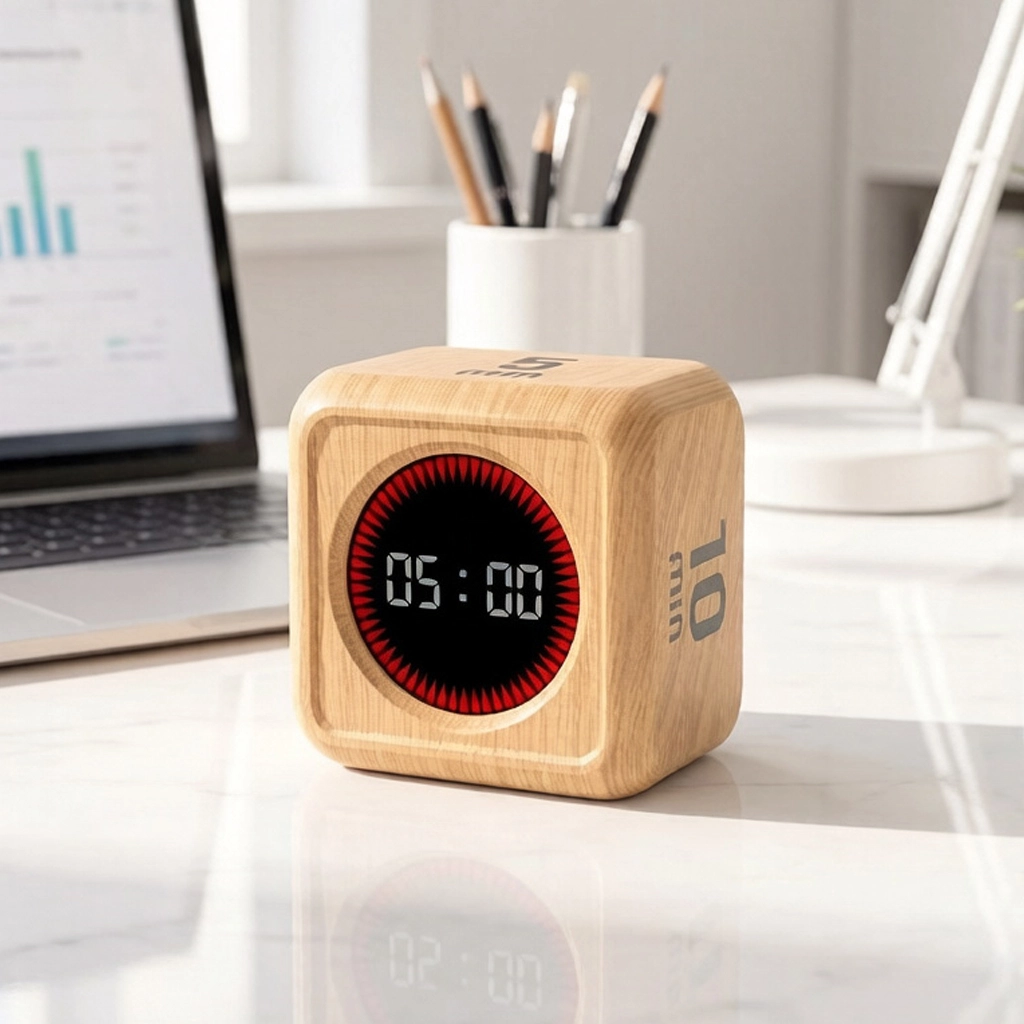
Wood Grain square Cube Timer Digital Gravity Sensor Timer Rechargeable Pomodoro Stopwatch Manufacturer
The X-JSQ814 Rubik’s Cube Timer reimagines timekeeping with a playful, cube-shaped design inspired by the iconic Rubik’s Cube. Blending nostalgia with functionality, it offers intuitive controls, smart gravity sensing, and versatile timing modes—perfect for anyone seeking a stylish, reliable tool to manage tasks at home, work, or play. Compact yet durable, it’s built to adapt to daily routines with ease.
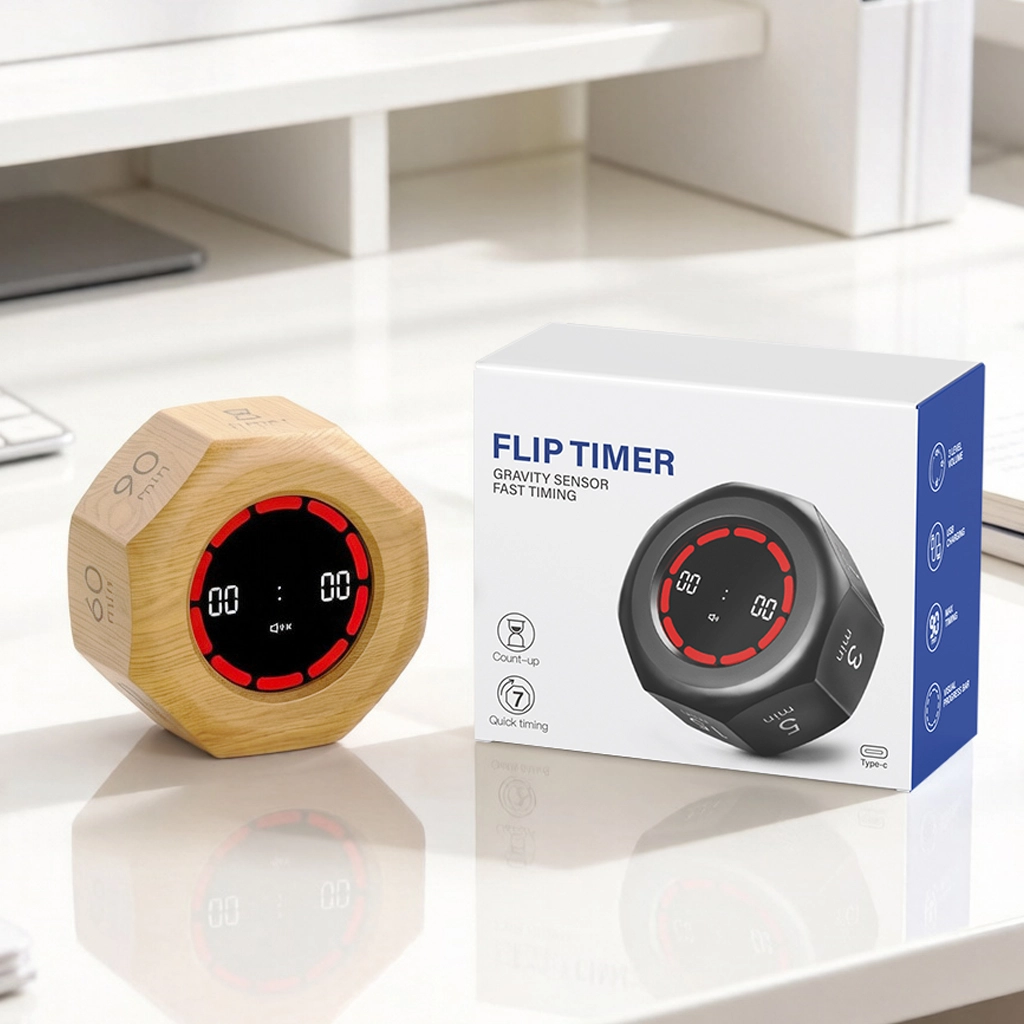
Wood Grain Gravity Sensor Digital Pomodoro Timer 3 5 30 90 Minutes Study Learn Visual Countdown Timer
Where cutting-edge design meets unrivaled functionality. This isn’t just a timer; it’s your versatile partner for kitchen precision, focused studying, classroom engagement, and even ADHD-friendly time tracking.
Crafted as an 8-sided cube with a sleek, novel mini-round profile, Cube redefines portability and style. Its eye-catching flip-gravity rotating visual display (no boring screens!) makes time visible at a glance, while a crisp digital clock shows seconds, minutes, and hours—ideal for recipes, Pomodoro sessions, or study intervals.
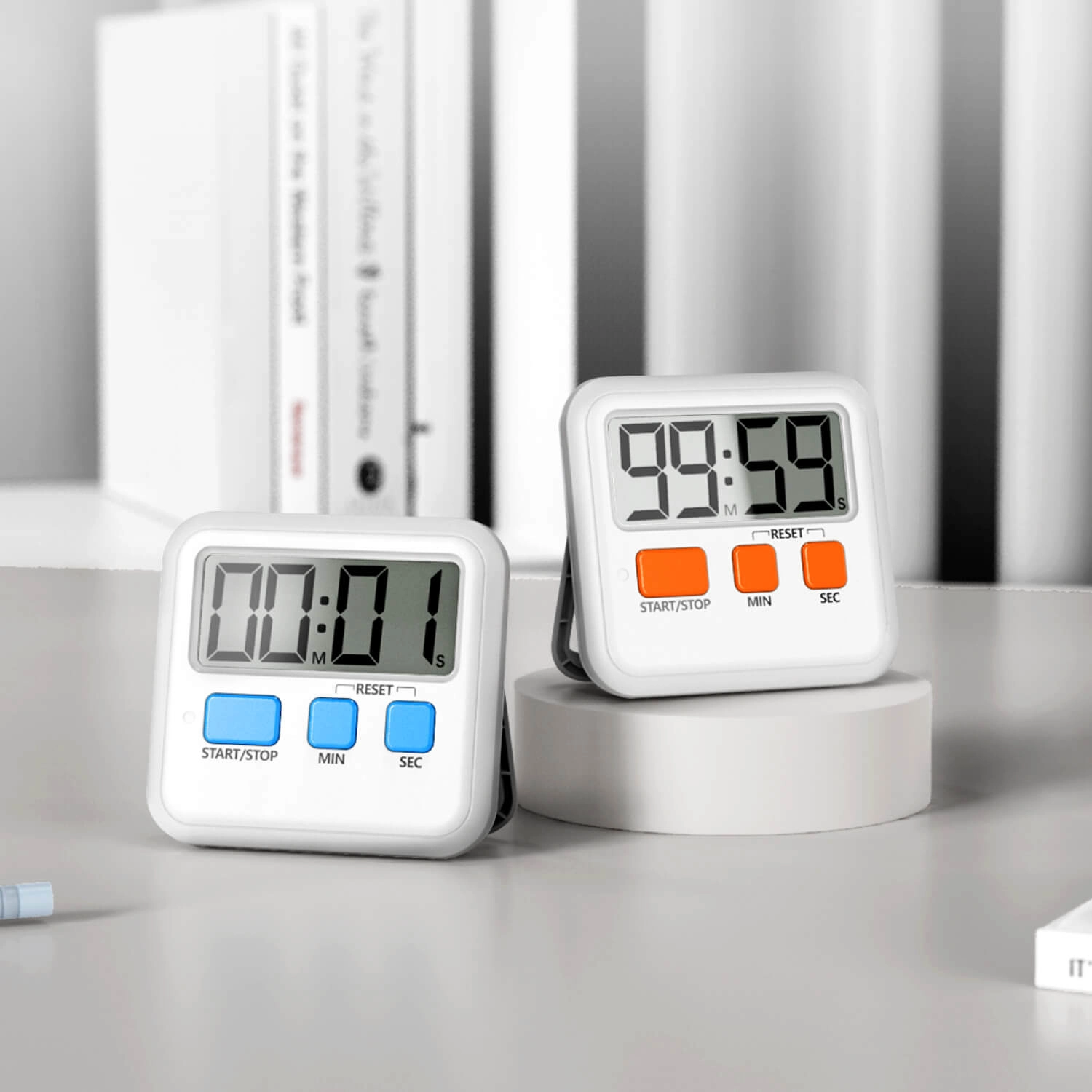
Custom Sound Ringtone Best Countdown Pomodoro Timer Brand In China
The X-JSQ811 Timer is a compact, functional digital timer designed for everyday time management. It prioritizes simplicity, portability, and adaptability—perfect for users who want a reliable tool without unnecessary complexity.
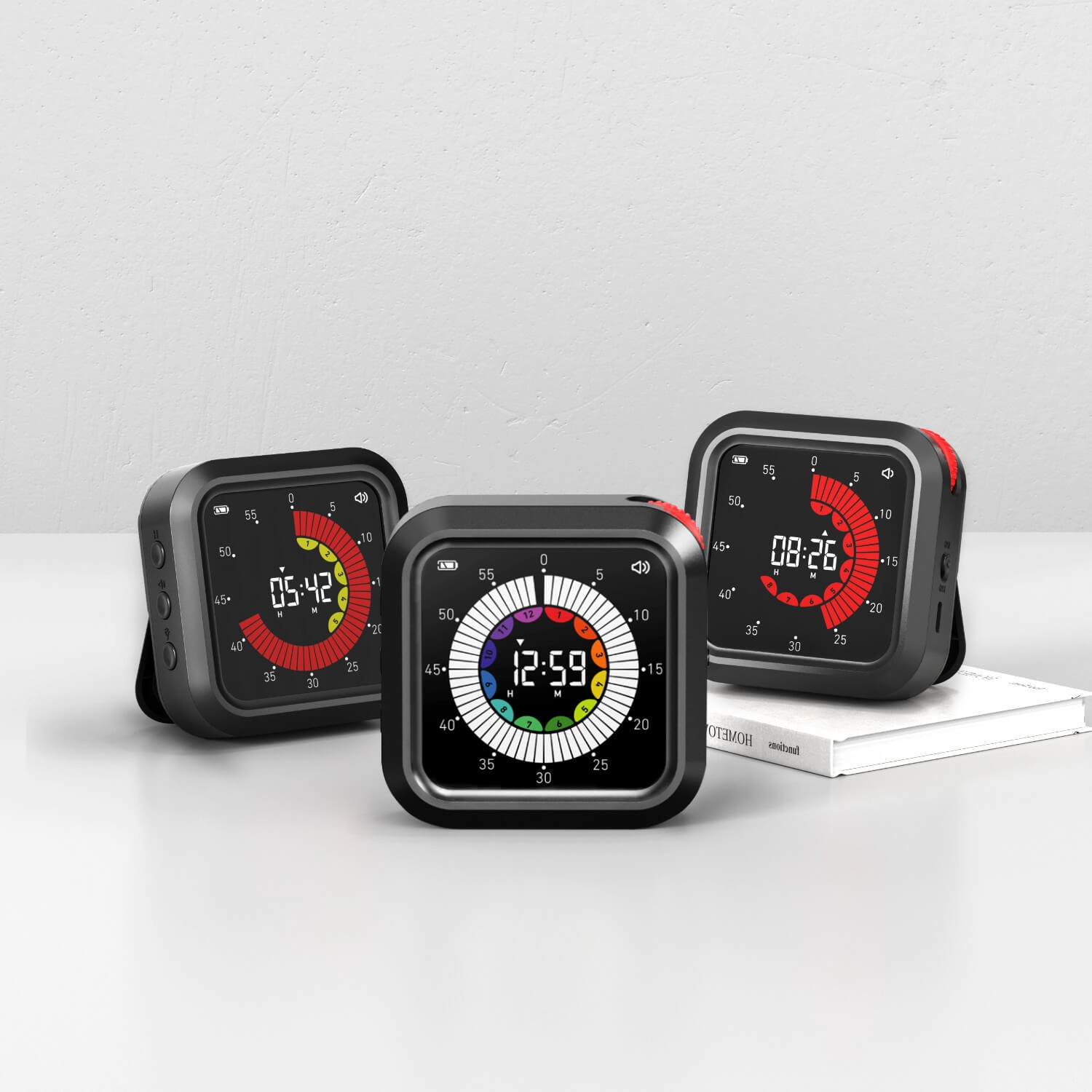
Digital Visual Tomato Pomodoro Technique Timer Study Kitchen Cooking Countdown Countup Timer Stopwatch
The X-JSQ817 Pomodoro Timer redefines simplicity and functionality for productivity, daily tasks, and creative pursuits. Designed with intuitive controls, robust features, and adaptable design, it caters to users seeking precision, convenience, and accessibility in a compact package.

Youben life
Youben life
Youben life
Youben life