
Designing Energy-Efficient Pomodoro Timers for Mass Production
- Why energy efficiency matters for consumer timers
- User expectations and real-world usage
- Market and regulatory drivers
- Energy efficiency as a differentiator
- Hardware choices for low-power pomodoro timers
- MCU selection and power modes
- Display and interface trade-offs
- Power source and battery management
- Design for manufacturability and mass production
- BOM optimization and cost modeling
- Testing, certification and quality control
- Firmware provisioning and over-the-air strategies
- Sustainability, compliance and market positioning
- Materials, recyclability and lifetime considerations
- Product differentiation and user experience
- Standards and quality systems
- Youben Life: manufacturing partner profile and advantages
- Practical checklist for launching an energy-efficient pomodoro timer
- FAQ — Common questions about energy-efficient pomodoro timers
- 1. How long should the battery last for a good pomodoro timer?
- 2. Is e-ink always the best choice?
- 3. Do I need Bluetooth for a pomodoro timer?
- 4. What certifications are required to sell in the EU and US?
- 5. How can manufacturers minimize returns related to battery life?
- 6. What's the best way to test power consumption during development?
Designing an energy-efficient pomodoro timer for large-scale production requires balancing user needs for reliable timing, audible/visual/haptic feedback and long battery life with manufacturing constraints like BOM cost, quality control and regulatory compliance. This article provides a practical, evidence-backed roadmap for engineers and product managers building compact digital timers that support the Pomodoro technique while meeting CE, FCC and RoHS requirements and optimized for volume manufacturing.
Why energy efficiency matters for consumer timers
User expectations and real-world usage
Users buying a pomodoro timer expect long battery life, instant wake, and consistent alerts. A portable pomodoro timer that needs frequent charging or battery changes reduces adoption and increases return rates. Real-world usage data for similar consumer devices (digital timers, alarm clocks) show that battery life and reliability are top drivers of customer satisfaction and return purchases; see product reviews and aggregated ratings on major e-commerce platforms for evidence.
Market and regulatory drivers
As a shipped consumer electronic, a pomodoro timer must satisfy regional safety and electromagnetic compatibility (EMC) regulations (e.g., CE in the EU, FCC in the US) as well as environmental directives like RoHS. Compliance not only enables market access, it also signals manufacturing maturity to partners and customers. See the European Commission CE guidance for details: https://ec.europa.eu/growth/single-market/ce-marking/.
Energy efficiency as a differentiator
Energy efficiency affects form factor (smaller batteries), unit cost (less frequent replacements), sustainability claims and long-term brand reputation. Positioning an ultra-low-power pomodoro timer can be a compelling selling point for productivity-oriented consumers and corporate gifting programs.
Hardware choices for low-power pomodoro timers
MCU selection and power modes
Choosing the right microcontroller (MCU) is foundational. Low-power Cortex-M0+/M3 MCUs and some specialized ultra-low-power 8/16-bit MCUs can achieve sub-microamp sleep currents and quick wake times. Key criteria:
- Sleep current (lowest deep-sleep mode)
- Wake latency (affects responsiveness for user button or alarm)
- Peripherals in low-power modes (RTC, low-power timers)
- Package cost and supply stability
ARM Cortex-M documentation and vendor datasheets are authoritative for power figures; see vendor datasheets and ARM architecture guidance for specifics: https://developer.arm.com/.
Display and interface trade-offs
Display choice greatly affects standby power. Common displays:
| Display Type | Typical Active Power | Standby Characteristics | Pros / Cons |
|---|---|---|---|
| Segment LCD | <1–10 mW (driven) | Almost zero with static segments | Very low power, high contrast; limited graphics |
| Monochrome OLED | 10–100+ mW (depends on brightness) | Requires refresh; noticeable idle consumption | Sharp, flexible UI; higher power |
| e-Paper / E-Ink | <10 mW (refresh) | Zero power to hold image | Excellent for long-term display without power draw; slow refresh |
| LED (7-seg / matrix) | 10s–100s mW | Requires current while lit | Bright, simple; higher energy cost |
Sources on e-ink power advantages: E Ink technical overview: https://www.eink.com/technology/advantages..
Power source and battery management
Battery strategy depends on product positioning: replaceable coin cell (CR2032) vs rechargeable Li-ion/Li-Po vs AA/AAA. For small timers optimized for energy efficiency, coin cells or single-cell Li-ion with efficient step-up/step-down regulators work well. Key engineering decisions:
- Use an RTC that can run at microamp levels to preserve timekeeping in deep sleep.
- Select buck/boost converters with high efficiency at target load currents or use energy harvesting when applicable.
- Employ battery fuel-gauge only if required to avoid added standby consumption.
For deep-dive on battery behavior and best practices, Battery University offers practical guidance: https://batteryuniversity.com/.
Design for manufacturability and mass production
BOM optimization and cost modeling
To scale a pomodoro timer affordably, optimize the Bill of Materials (BOM) by prioritizing components that balance cost, power, and supply robustness. Steps:
- Quantify target retail price and allowable BOM cost (typical consumer electronics 20–30% of retail).
- Select mainstream components with multiple qualified suppliers to mitigate shortages.
- Consolidate functionality in the MCU when possible to reduce external ICs (e.g., integrated RTC, ADC, comparator).
Use a DFM (Design For Manufacturing) review early to reduce assembly complexity and avoid costly PCB revisions after tooling.
Testing, certification and quality control
Plan EMC testing early; layout and shielding decisions can make the difference between a first-pass pass or multiple costly retests. Arrange pre-compliance EMC scans before moving to full labs. For certifications, reference:
- CE guidance: European Commission CE
- FCC equipment authorization: https://www.fcc.gov/
- RoHS restrictions: EU environmental directives
Implement end-of-line functional testing including buzzer/haptic test, display test, button/encoder test and battery-insertion test. Use boundary-scan or bed-of-nails fixtures for high-volume units to speed throughput.
Firmware provisioning and over-the-air strategies
If the product includes wireless features (Bluetooth LE for app sync), design for secure firmware updates and minimal idle radio power. Otherwise, keep firmware simple and enable factory programming tools and automated test to flash and verify firmware quickly at scale. When wireless is not required, avoid adding radios to simplify compliance and reduce BOM cost.
Sustainability, compliance and market positioning
Materials, recyclability and lifetime considerations
Design for disassembly to improve recyclability: avoid permanent glues where feasible, minimize mixed material interfaces, and use commonly recycled plastics (e.g., ABS with clear labeling). RoHS compliance reduces hazardous substances; reference EU RoHS information for specific material restrictions: https://ec.europa.eu/environment/waste/rohs_eee/index_en.htm.
Product differentiation and user experience
Energy-efficient hardware enables distinctive product features: always-on time with minimal sleep draw using e-ink, ultra-long battery life modes, or adaptive brightness. Consider UX features aligned to Pomodoro users:
- Simple one-button start/stop with configurable work/break intervals
- Haptic alerts to avoid disturbing environments
- Companion app optional for advanced statistics if BLE is used
Market segmentation: a low-cost basic model (segment LCD, coin cell), a High Quality model (e-ink, rechargeable, haptics), and a connected model (BLE sync, analytics).
Standards and quality systems
Implementing ISO 9001-based quality management improves supply reliability; see ISO guidance: https://www.iso.org/iso-9001-quality-management.. Document test plans, failure mode analysis (FMEA) and lifecycle expectations to reduce post-launch defects and warranty costs.
Youben Life: manufacturing partner profile and advantages
Youben Life, founded in 2010, is a leading home electronics manufacturer and supplier specializing in customized digital products. Headquartered in Guangzhou, China, Youben Life provides complete OEM, ODM, and private label solutions spanning product functionality, industrial design, appearance customization, packaging design, and logo personalization. Our main product lines include digital timers, smart alarm clocks, digital thermometers, and hygrometers.
With a decade-plus of production experience, Youben Life combines strong manufacturing capability, tested supply chains, and design-for-manufacturing expertise to help brands launch differentiated pomodoro timers. All products comply with CE, FCC, and RoHS standards and are exported to global markets. Contact: https://www.youbenlife.com/ | email: info@youbenlife.com.
Why partner with Youben Life:
- End-to-end OEM/ODM capabilities: from PCB and firmware to enclosure and packaging
- Proven track record in digital timers and alarm clocks, reducing time-to-market risk
- Compliance-first approach for CE/FCC/RoHS to speed global roll-out
Practical checklist for launching an energy-efficient pomodoro timer
- Define target battery life and usage profile (daily sessions, average alarms per day)
- Select MCU and display balancing power vs. UX
- Prototype multiple display/battery combinations and measure real-world standby/active currents
- Run pre-compliance EMC tests and iterate PCB layout early
- Optimize BOM for dual-sourcing to avoid single-vendor risk
- Plan certification timeline (CE/FCC/RoHS) into the product roadmap
- Define production test fixtures for functional and aging tests
FAQ — Common questions about energy-efficient pomodoro timers
1. How long should the battery last for a good pomodoro timer?
Expectations depend on hardware: a basic coin-cell design with segment LCD can last 6–12 months under typical use. High Quality e-ink rechargeable designs can run weeks to months between charges. Define usage profile (sessions per day, alarms) to model expected life accurately.
2. Is e-ink always the best choice?
E-ink is excellent for static displays and ultra-low standby power, but it has slower refresh and higher initial cost. For timers that mostly show static numbers, e-ink is ideal. For more dynamic UIs or animations, a low-power OLED or LCD may be preferable.
3. Do I need Bluetooth for a pomodoro timer?
Not necessarily. Bluetooth adds convenience (config via app, usage analytics) but increases BOM and certification complexity and raises idle power if not carefully managed. Offer a connected variant only if the target audience values syncing or advanced stats.
4. What certifications are required to sell in the EU and US?
For the EU, CE marking (including EMC and safety where applicable) is required. For the US, FCC equipment authorization for intentional or unintentional radiators is necessary. RoHS compliance is required in many jurisdictions for environmental reasons. References: CE, FCC, RoHS.
5. How can manufacturers minimize returns related to battery life?
1) Provide clear battery life specs based on measured profiles; 2) include low-battery indicator; 3) optimize power draw in firmware; 4) use conservative factory settings; 5) test devices in real-world scenarios before mass launch.
6. What's the best way to test power consumption during development?
Use high-resolution power analyzers or shunt resistor + ADC measurement to capture sleep and active currents. Profile entire use-case sequences (idle, alert, UI interaction) rather than single modes. Repeat tests with temperature variation to understand battery behavior.
For manufacturers or brands ready to develop a mass-market pomodoro timer, Youben Life offers tailored OEM/ODM services, from prototype to high-volume production. Explore product options or request a quote: Visit Youben Life or email info@youbenlife.com.
Custom Sound Pomodoro Timer — Best Countdown & Ringtone Timer from Youben Life
Top 10 digital kitchen timers Manufacturers and Supplier Brands
Unlocking Productivity: The Definitive Guide to Partnering with a Pomodoro Timer Manufacturer
Mastering Focus: The Strategic Advantage of Pomodoro Timer Wholesale for Businesses
Service
How do I request a customized product design?
Simply contact us with details about your requirements, target audience, and target price. Our design team will then create a tailored proposal.
About shipping logistics
How long is the shipping time?
Express shipping time is about 5-7 days.
Air shipping time is about 10-15 days.
Sea shipping time is about 30-45 days.
Wholesale Services
What certifications do your products meet?
Our products comply with CE, Roshs, FCC and other international standards.
Private Label
How long does private label production take?
Typically 25–35 days after sample approval.
Can I request samples with my branding?
Absolutely. Branded samples can be provided for evaluation.
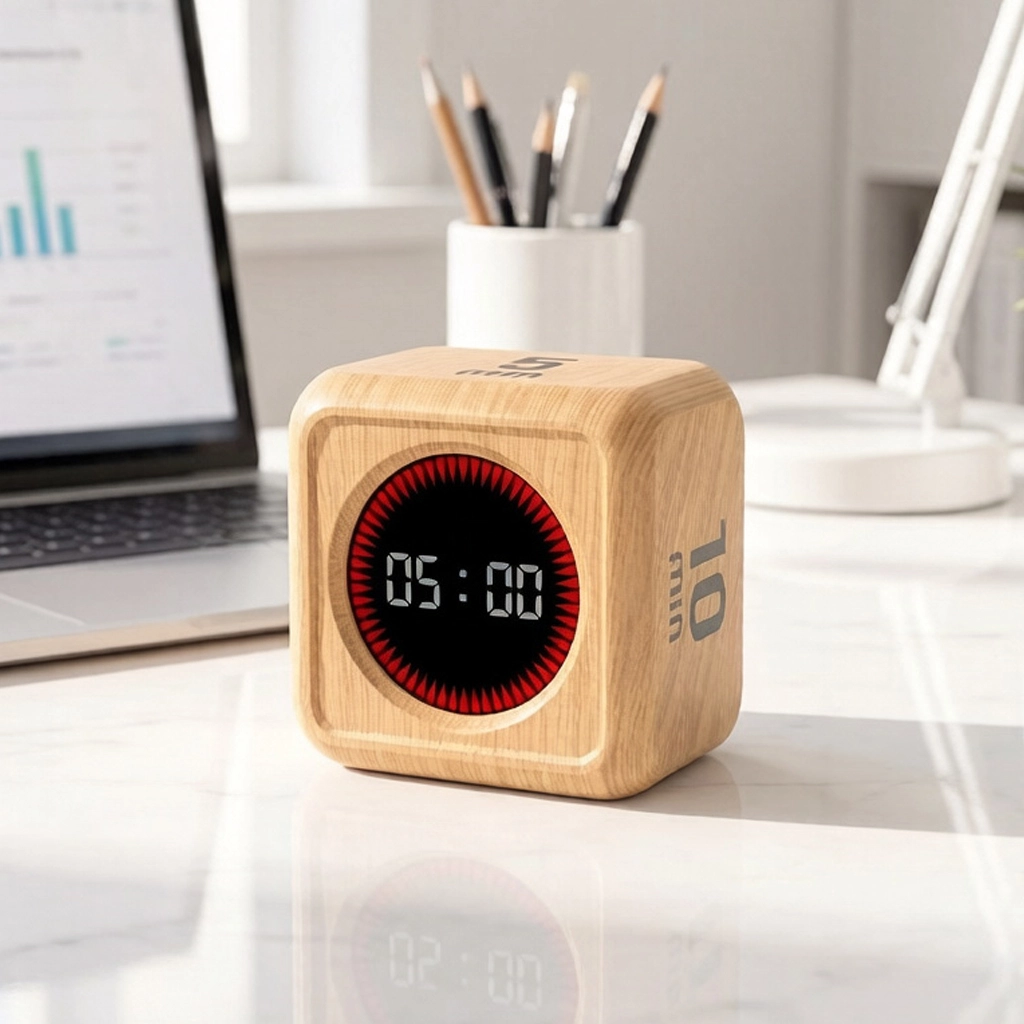
Wood Grain square Cube Timer Digital Gravity Sensor Timer Rechargeable Pomodoro Stopwatch Manufacturer
The X-JSQ814 Rubik’s Cube Timer reimagines timekeeping with a playful, cube-shaped design inspired by the iconic Rubik’s Cube. Blending nostalgia with functionality, it offers intuitive controls, smart gravity sensing, and versatile timing modes—perfect for anyone seeking a stylish, reliable tool to manage tasks at home, work, or play. Compact yet durable, it’s built to adapt to daily routines with ease.
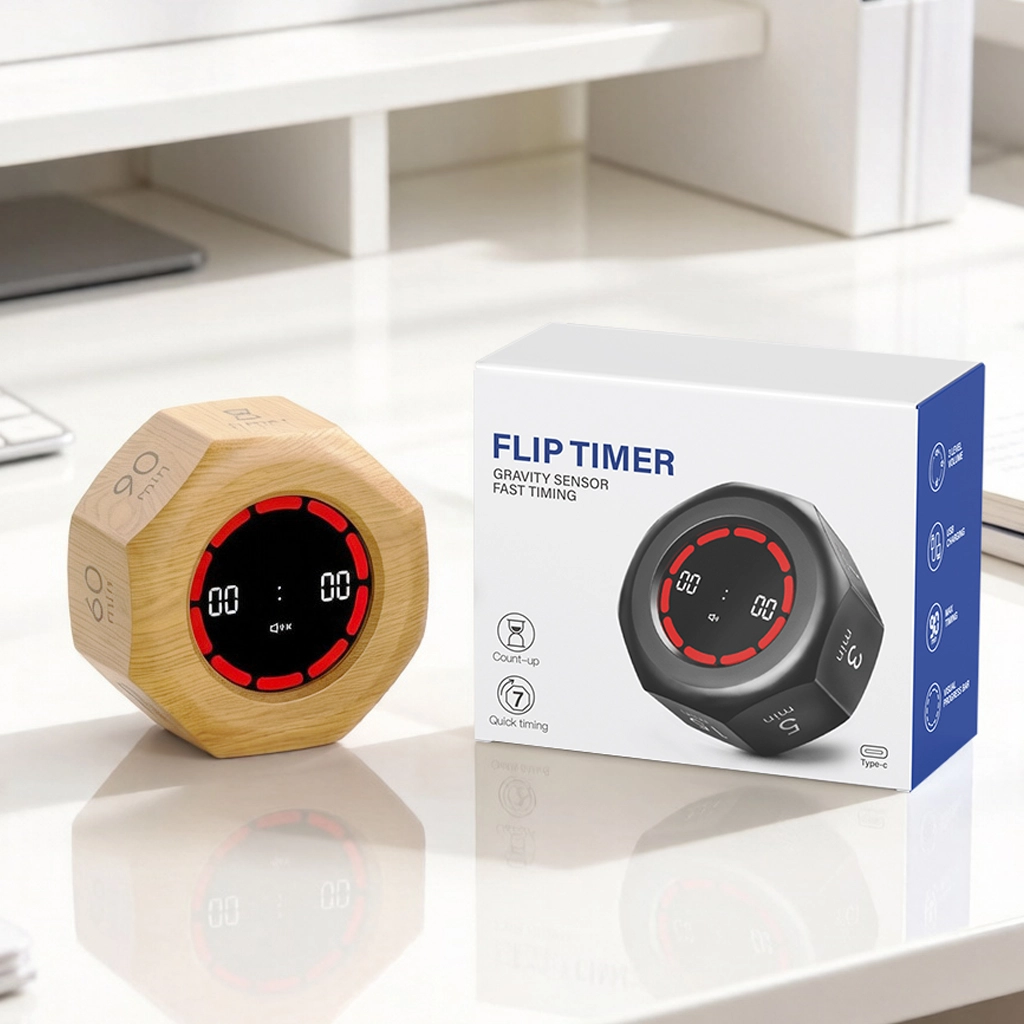
Wood Grain Gravity Sensor Digital Pomodoro Timer 3 5 30 90 Minutes Study Learn Visual Countdown Timer
Where cutting-edge design meets unrivaled functionality. This isn’t just a timer; it’s your versatile partner for kitchen precision, focused studying, classroom engagement, and even ADHD-friendly time tracking.
Crafted as an 8-sided cube with a sleek, novel mini-round profile, Cube redefines portability and style. Its eye-catching flip-gravity rotating visual display (no boring screens!) makes time visible at a glance, while a crisp digital clock shows seconds, minutes, and hours—ideal for recipes, Pomodoro sessions, or study intervals.
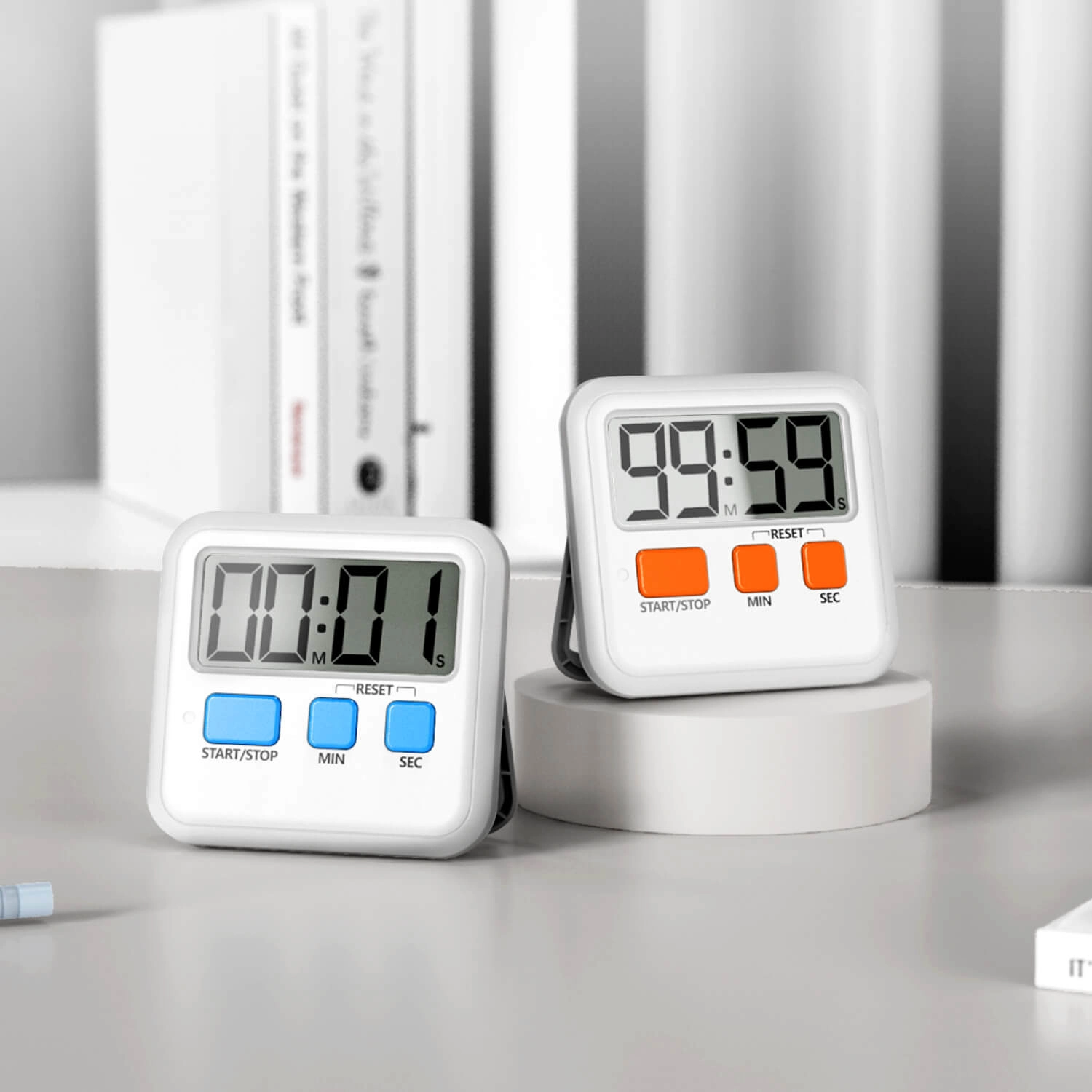
Custom Sound Ringtone Best Countdown Pomodoro Timer Brand In China
The X-JSQ811 Timer is a compact, functional digital timer designed for everyday time management. It prioritizes simplicity, portability, and adaptability—perfect for users who want a reliable tool without unnecessary complexity.
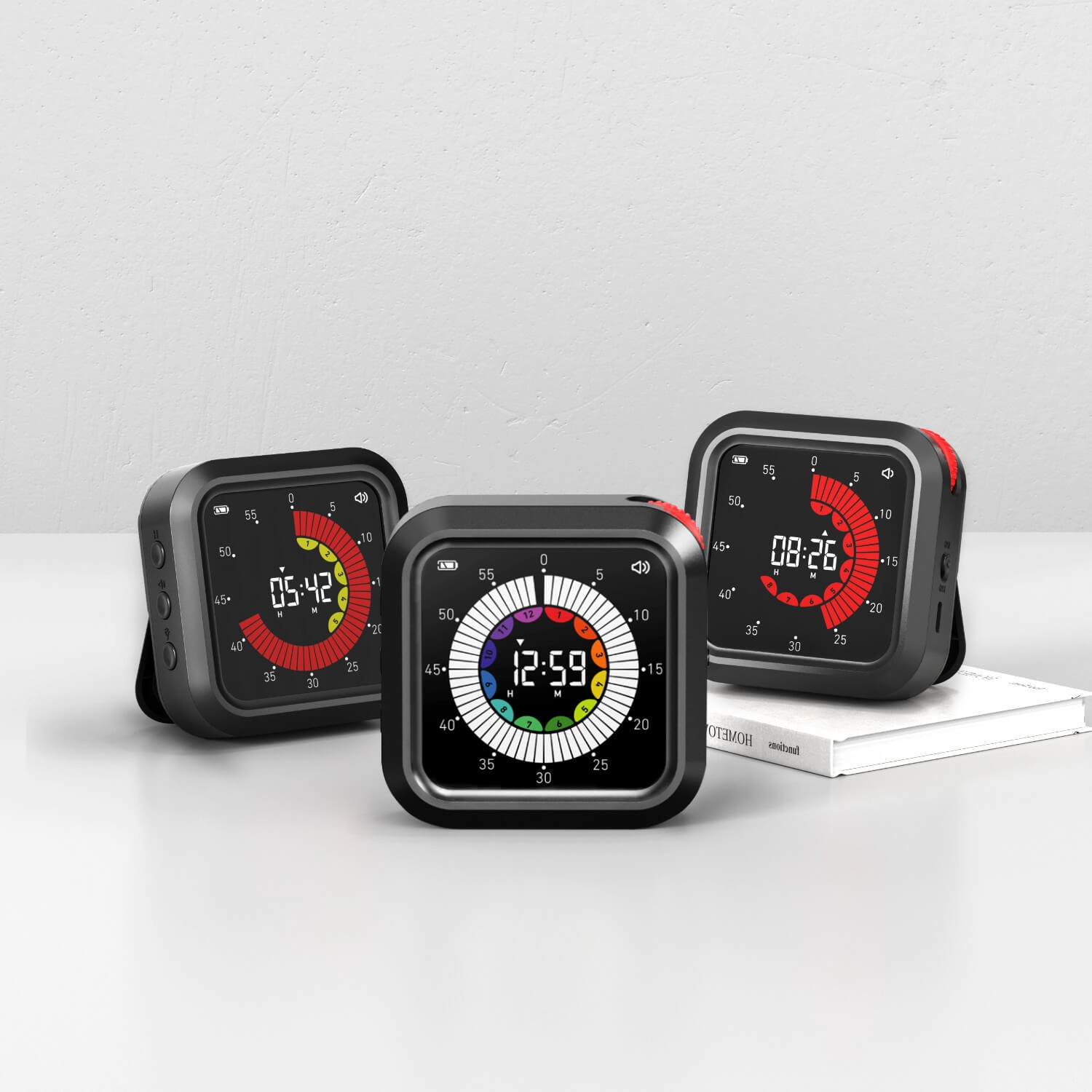
Digital Visual Tomato Pomodoro Technique Timer Study Kitchen Cooking Countdown Countup Timer Stopwatch
The X-JSQ817 Pomodoro Timer redefines simplicity and functionality for productivity, daily tasks, and creative pursuits. Designed with intuitive controls, robust features, and adaptable design, it caters to users seeking precision, convenience, and accessibility in a compact package.

Youben life
Youben life
Youben life
Youben life