
Customizing Digital Timer Clock: PCB, Enclosure and Firmware Choices
- Designing Your Ideal Digital Timer Clock: key decisions before prototyping
- PCB design considerations for a digital timer clock
- Layer count and stackup
- Component placement and serviceability
- Power and battery considerations
- Choosing enclosure materials and manufacturing methods for digital timer clock
- Material options and trade-offs
- Manufacturing methods
- Firmware architecture and feature choices for a digital timer clock
- Real-time clock: external RTC vs. software RTC
- Power management strategies
- Over-the-air updates and security
- Comparative table: MCU, PCB, enclosure, and firmware trade-offs
- Testing, certification and compliance for a market-ready digital timer clock
- Key certifications
- Youben Life: partner capabilities for custom digital timer clock projects
- Case study checklist: from prototype to mass production
- FAQ
- 1. What microcontroller should I choose for a basic digital timer clock?
- 2. Do I need an external RTC for accurate timekeeping?
- 3. What enclosure material gives the best balance of cost and durability?
- 4. How can I minimize battery consumption in a digital timer clock?
- 5. What certifications are mandatory for selling a digital timer clock internationally?
- 6. Can you support private label and custom branding for small volumes?
- Contact and next steps
- References and further reading
Designing Your Ideal Digital Timer Clock: key decisions before prototyping
Customizing a digital timer clock requires coordinated decisions across electronics, mechanical design, and embedded software. Whether you are launching a consumer kitchen timer, an industrial process timer, or a branded giveaway clock, choices about the PCB, enclosure, and firmware determine product cost, reliability, regulatory path, and user experience. This article offers pragmatic, experience-driven guidance to help you specify a robust, manufacturable digital timer clock that meets market expectations.
PCB design considerations for a digital timer clock
PCB decisions affect cost, manufacturability, signal integrity, and long-term serviceability. For a digital timer clock the typical board functions include: microcontroller, display driver (LED/segment/OLED/LCD), real-time clock (RTC) or time-keeping algorithm, user interface (buttons/rotary encoder/touch), power management (battery and/or adapter), and optional wireless connectivity (BLE/Wi-Fi).
Layer count and stackup
For most digital timer clocks, 2-layer PCBs suffice for low-cost consumer products. Choose 4-layer boards if you incorporate Wi‑Fi/Bluetooth or need better EMC performance. A typical recommendation:
- 2-layer: MCU, discrete power path, display connectors — best for cost-sensitive designs.
- 4-layer: inner planes for ground and power improve EMC and routing for high-speed wireless modules.
Component placement and serviceability
Place user-facing items (display, buttons, LEDs) on one side to simplify assembly and enclosure design. If the product needs battery replacement, design the PCB and enclosure to allow easy access. For repairable/long-life designs, use through-hole connectors for replaceable modules such as speaker or external sensors.
Power and battery considerations
Decide early if the timer is mains-powered, battery-powered, or hybrid. Battery designs should include low-power modes and coin-cell or AA holders with clear mechanical constraints. Include battery removal detection and fuel gauge if using rechargeable Li-ion/LiPo and protect with proper charging and safety circuits.
Choosing enclosure materials and manufacturing methods for digital timer clock
Enclosure choices affect aesthetics, durability, EMI shielding, and production cost. The enclosure must integrate with the PCB layout, mounting bosses, connector cutouts, and display windows.
Material options and trade-offs
- ABS: low cost, easy to paint or texture, common for consumer timers.
- PC (polycarbonate): higher impact resistance, better for transparent display windows or sturdier housings.
- PMMA/Acrylic: clear windows with high optical clarity for displays.
- Aluminum or zinc die-cast: High Quality feel and better thermal dissipation and EMI shielding, higher cost and tooling.
Manufacturing methods
Injection molding is the standard for volumes >1,000 units due to repeatability and low unit cost after tooling. For prototypes and low volumes, consider CNC machining, 3D printing (SLA/FDM), or vacuum-formed shells. Design for manufacturability: include radii on internal bosses, uniform wall thickness for injection-molded parts, and integrated snaps where possible to reduce assembly labor.
Firmware architecture and feature choices for a digital timer clock
Firmware defines user experience and battery life. Core requirements typically include timekeeping, UI handling, alarms/timers, power management, and over-the-air update support for connected devices.
Real-time clock: external RTC vs. software RTC
Using an external RTC (e.g., DS3231) provides better accuracy and battery-backed timekeeping when the device is powered off. For low-cost or ultra-low-power designs, a software RTC on the MCU with a precise crystal may be sufficient, but expect drift and require periodic user resync or network time updates.
Power management strategies
Implement deep sleep modes, wake-on-interrupt for button presses, and selective peripheral shutdown. For wireless variants, schedule connectivity windows. Measure current in each mode; aim for idle currents in the microampere range for long battery life.
Over-the-air updates and security
Connected digital timer clocks (Wi‑Fi/BLE) should include secure firmware update mechanisms (signed firmware, staged rollouts). For BLE, use secure characteristics and pairing; for Wi‑Fi, use HTTPS and code signing. Maintain a secure boot or integrity check where feasible.
Comparative table: MCU, PCB, enclosure, and firmware trade-offs
| Aspect | Low-cost option | Balanced option | High Quality option |
|---|---|---|---|
| MCU | 8-bit AVR (Atmel/Microchip) — cheap, simple | ARM Cortex-M0/M3 (STM32) — good peripherals, low power | ESP32 — Wi‑Fi/BLE integrated, higher power |
| PCB | 2-layer FR4, through-hole for buttons | 2–4 layer, mixed SMT/through-hole | 4-layer with controlled impedance for wireless |
| Enclosure | ABS injection molded, simple colors | PC/ABS with painted finish or inserts | Die-cast metal or High Quality PC with soft-touch finishes |
| Firmware | Simple state machine, software RTC | RTOS optional, external RTC, OTA support | RTOS, secure-boot, signed OTA, cloud integration |
Testing, certification and compliance for a market-ready digital timer clock
Regulatory compliance varies by market and product features. For basic battery timers with no wireless, focus on safety and material compliance. For connected devices add EMI/EMC and radio certifications.
Key certifications
- CE marking for EU (safety and EMC directives) — applicable to most electronic products. See official guidance for radio and EMC requirements.
- FCC Part 15 for unlicensed radio in the USA if your product includes Wi‑Fi/BLE.
- RoHS for restricted hazardous substances in the EU market.
- Battery safety/testing standards (UN38.3 for Li‑ion transport, IEC 62133 for cell safety) where applicable.
Plan testing early: EMC, ESD, thermal cycling, drop tests, ingress protection (if needed). Use pre-compliance labs to iterate quickly before formal certification.
Youben Life: partner capabilities for custom digital timer clock projects
Youben Life, founded in 2010, is a leading home electronics manufacturer and supplier specializing in customized digital products. Headquartered in Guangzhou, China, Youben Life provides complete OEM, ODM, and private label solutions covering product functionality, industrial design, appearance customization, packaging design, and logo personalization.
Main product lines: digital timers, smart alarm clocks, digital thermometers, and hygrometers. Advantages include strong manufacturing capacity, design-for-manufacture expertise, and compliance with CE, FCC, and RoHS. Youben Life supports concept-to-production: PCB design and sourcing, enclosure tooling and finishing, firmware development including RTC, OTA updates, and secure connectivity, and end-to-end certification support for global markets.
Key differentiators:
- Proven, export-ready supply chain and quality control.
- Deep experience tailoring features and aesthetics to target customer segments.
- Comprehensive compliance know-how for CE/FCC/RoHS and battery standards.
Case study checklist: from prototype to mass production
Use this practical checklist to move your digital timer clock project forward:
- Define user scenarios and power source (battery, mains, or hybrid).
- Select MCU and external modules based on connectivity and feature set.
- Design PCB with serviceability in mind and plan panelization for manufacturing.
- Prototype enclosures using 3D printing, then iterate for injection molding.
- Implement firmware with low-power modes, RTC strategy, and OTA if required.
- Perform pre-compliance EMC and safety testing, then proceed to formal certification.
- Plan packaging and labeling to meet target market regulations.
FAQ
1. What microcontroller should I choose for a basic digital timer clock?
For a basic, display-only timer with buttons and no wireless, an 8-bit AVR or Cortex-M0 MCU is cost-effective and easy to program. Choose based on required I/O, display driver needs, and available development ecosystem.
2. Do I need an external RTC for accurate timekeeping?
External RTCs like DS3231 provide superior accuracy and battery-backed time during power loss. If strict time accuracy and long power-off retention are important, use an external RTC. For inexpensive timers where occasional drift is acceptable, an MCU software RTC may be enough.
3. What enclosure material gives the best balance of cost and durability?
PC/ABS blends are widely used because they provide good impact resistance, aesthetic finish options, and reasonable cost. ABS is cheaper but less impact-resistant; aluminum or die-cast metal are High Quality choices.
4. How can I minimize battery consumption in a digital timer clock?
Use deep sleep modes, wake-on-interrupt for buttons, disable unused peripherals, choose low-power MCUs, and use efficient display types (e.g., e-ink or low-power segmented LCD for always-on displays).
5. What certifications are mandatory for selling a digital timer clock internationally?
Mandatory certifications depend on markets and features. CE and RoHS are commonly required for EU; FCC for wireless products in the USA; UN38.3 and IEC 62133 apply to devices with rechargeable batteries. Consult local regulations early in development.
6. Can you support private label and custom branding for small volumes?
Yes. Youben Life offers OEM/ODM and private label solutions, including logo printing, packaging design, and small-batch tooling options to support pilot runs and market testing.
Contact and next steps
If you are ready to prototype or scale a custom digital timer clock, contact Youben Life for a consultation. They can provide technical proposals, cost estimates, DFM reviews, firmware support, and certification guidance tailored to your product and target markets. Request product samples or a project quote to accelerate decision-making and reduce time-to-market.
References and further reading
- CE marking guidance — European Commission: https://ec.europa.eu/growth/single-market/ce-marking/ (accessed 2025-12-25)
- FCC guidelines for unlicensed devices — FCC: https://www.fcc.gov/ (search Part 15) (accessed 2025-12-25)
- RoHS information — European Commission: https://ec.europa.eu/environment/topics/waste-and-recycling/rohs-directive_en (accessed 2025-12-25)
- ESP32 product page — Espressif: https://www.espressif.com/en/products/socs/esp32 (accessed 2025-12-25)
- STM32 microcontrollers — STMicroelectronics: https://www.st.com/en/microcontrollers-microprocessors/stm32-32-bit-arm-cortex-mcus. (accessed 2025-12-25)
- DS3231 RTC datasheet and application notes (example) — Maxim Integrated/Analog Devices: https://www.analog.com/en/products/ds3231. (accessed 2025-12-25)
- IPC standards overview — IPC International, Inc.: https://www.ipc.org/ (accessed 2025-12-25)
- UN Manual of Tests and Criteria (UN38.3) for lithium batteries — United Nations: https://unece.org/ (search UN38.3) (accessed 2025-12-25)
- Youben Life company summary and product lines — company information provided (internal, 2010–present) (accessed 2025-12-25)
For bespoke consultation, prototyping, or to request OEM/ODM pricing, reach out to Youben Life to discuss your digital timer clock project requirements and timelines.
Custom Pomodoro Digital Timer Design for White-Label Brands
Custom digital learning timers Manufacturers and Suppliers in China
Unlocking Productivity: The Definitive Guide to Partnering with a Pomodoro Timer Manufacturer
Top 5 custom kitchen timer Company List and Products Compared in China
About shipping logistics
What logistics services can you offer?
We can provide express shipping, air shipping and sea shipping.
Service
What is included in your customizaiton?
Our customizaiton covers products function, materials,appearance, packaging and Logo
All
Can I customize the clock design and logo?
Absolutely. We offer customization for clock appearance, structure, materials, and logo printing to perfectly match your brand.
Products
Can I request engineering samples?
Yes, sample orders are supported.
Private Label
Can I request samples with my branding?
Absolutely. Branded samples can be provided for evaluation.
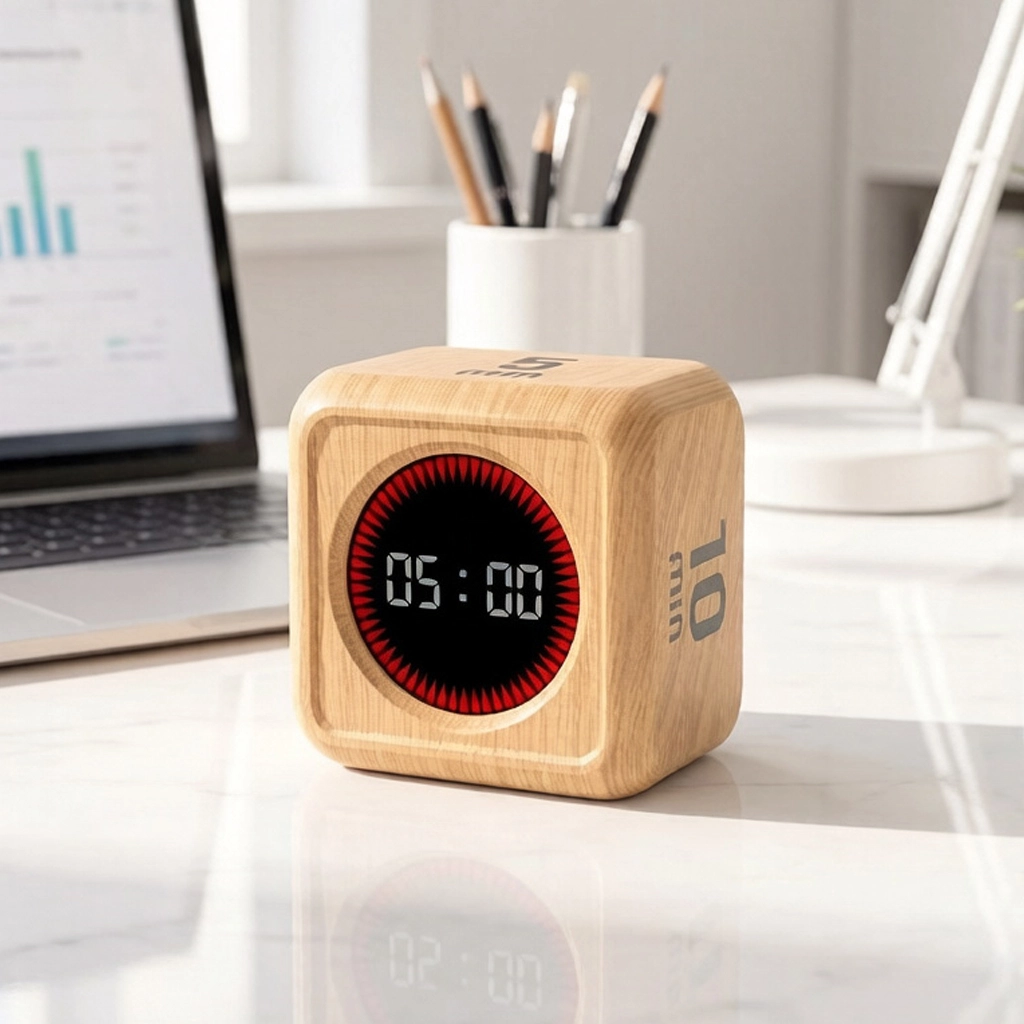
Wood Grain square Cube Timer Digital Gravity Sensor Timer Rechargeable Pomodoro Stopwatch Manufacturer
The X-JSQ814 Rubik’s Cube Timer reimagines timekeeping with a playful, cube-shaped design inspired by the iconic Rubik’s Cube. Blending nostalgia with functionality, it offers intuitive controls, smart gravity sensing, and versatile timing modes—perfect for anyone seeking a stylish, reliable tool to manage tasks at home, work, or play. Compact yet durable, it’s built to adapt to daily routines with ease.
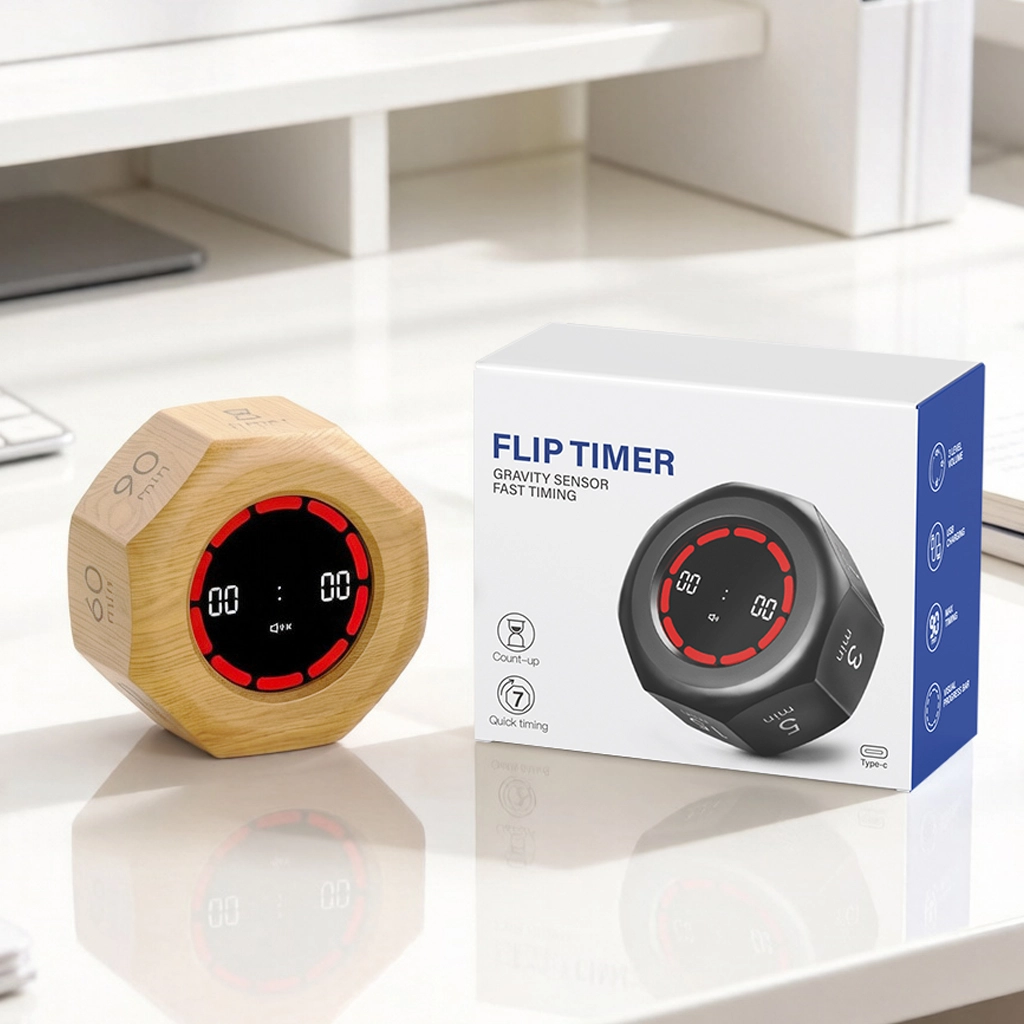
Wood Grain Gravity Sensor Digital Pomodoro Timer 3 5 30 90 Minutes Study Learn Visual Countdown Timer
Where cutting-edge design meets unrivaled functionality. This isn’t just a timer; it’s your versatile partner for kitchen precision, focused studying, classroom engagement, and even ADHD-friendly time tracking.
Crafted as an 8-sided cube with a sleek, novel mini-round profile, Cube redefines portability and style. Its eye-catching flip-gravity rotating visual display (no boring screens!) makes time visible at a glance, while a crisp digital clock shows seconds, minutes, and hours—ideal for recipes, Pomodoro sessions, or study intervals.
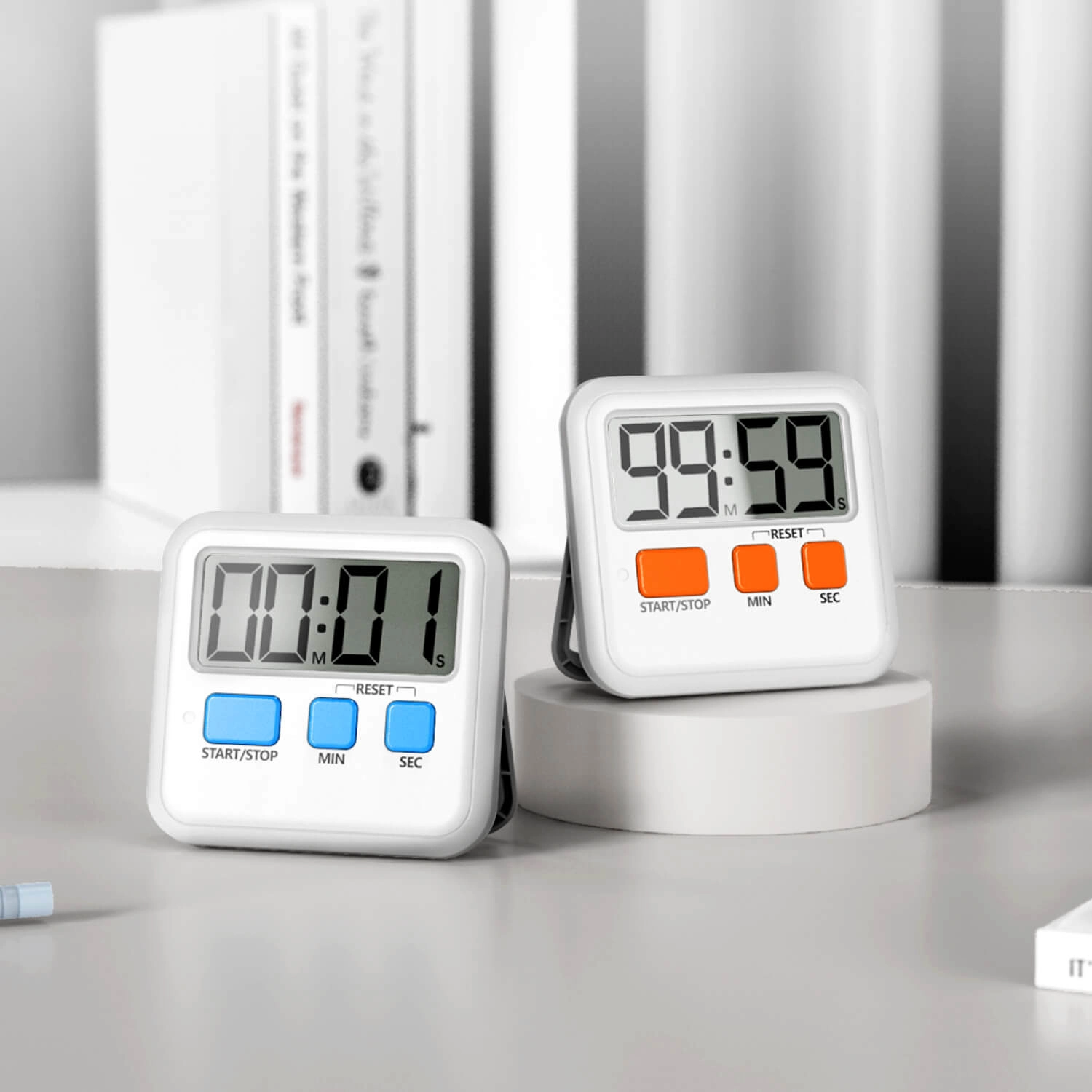
Custom Sound Ringtone Best Countdown Pomodoro Timer Brand In China
The X-JSQ811 Timer is a compact, functional digital timer designed for everyday time management. It prioritizes simplicity, portability, and adaptability—perfect for users who want a reliable tool without unnecessary complexity.
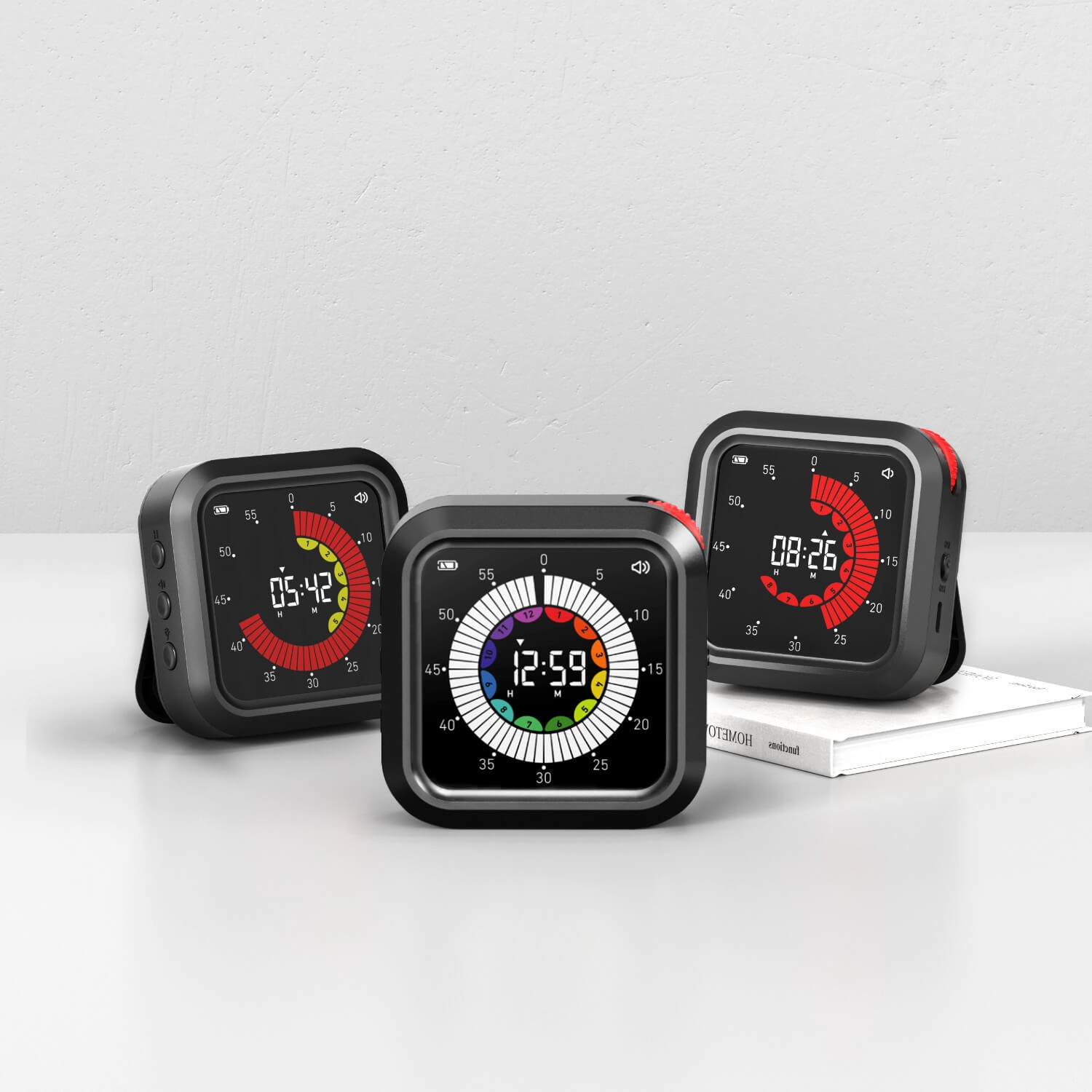
Digital Visual Tomato Pomodoro Technique Timer Study Kitchen Cooking Countdown Countup Timer Stopwatch
The X-JSQ817 Pomodoro Timer redefines simplicity and functionality for productivity, daily tasks, and creative pursuits. Designed with intuitive controls, robust features, and adaptable design, it caters to users seeking precision, convenience, and accessibility in a compact package.

Youben life
Youben life
Youben life
Youben life