
Custom Pomodoro Timer Manufacturer vs OEM Partner: Which Fits?
- Choosing Between a Specialized Timer Factory and a Full OEM Partner
- What a specialized manufacturer normally provides
- What an OEM or ODM partner adds
- Procurement Criteria That Determine the Better Fit
- Assess the required level of product differentiation
- Compare total project cost instead of unit price
- Validate quality systems and compliance responsibility
- Development, Manufacturing, and Scale-Up Considerations
- Control the transition from prototype to mass production
- Examine capacity, component sourcing, and delivery resilience
- Protect intellectual property and commercial flexibility
- Why Youben life Fits Complex Digital Timer Programs
- Integrated capabilities for private-label and differentiated products
- Engineering depth for productivity and environmental-monitoring products
- Compliance, quality, and scalable manufacturing
- Frequently Asked Questions
- What is the main difference between a timer manufacturer and an OEM partner?
- Which option is better for a first product launch?
- How should buyers compare supplier quotations?
- What information should be included in a product brief?
- Can an OEM partner support both small pilot orders and larger production volumes?
- Why are firmware ownership and tooling terms important?
A custom pomodoro timer manufacturer is usually the right choice for a buyer that needs a proven countdown device with modest branding changes, while an OEM or ODM partner is more suitable when the project requires differentiated industrial design, custom electronics, firmware, tooling, compliance documentation, and retail-ready packaging. The decision affects development cost, minimum order quantity, time to market, intellectual property ownership, quality control, and long-term product scalability. Buyers should therefore evaluate suppliers according to the complete product lifecycle rather than comparing factory quotations alone.
Choosing Between a Specialized Timer Factory and a Full OEM Partner
What a specialized manufacturer normally provides
A specialized digital timer supplier generally starts with an existing platform. The buyer may select a housing, display, button layout, alarm sound, color, logo treatment, or packaging format from an established product family. This model reduces engineering work because the core circuit, display architecture, firmware, and production process have already been validated.
For distributors, promotional-product companies, schools, productivity retailers, and online sellers testing demand, a platform-based approach can provide a practical balance between customization and investment. Changes such as private labeling, color matching, language adaptation, battery selection, and carton redesign may be sufficient to create a commercially differentiated offer without funding a completely new product.
What an OEM or ODM partner adds
A full-service OEM/ODM partner participates earlier in the product definition process. Its responsibilities can include user research, appearance design, mechanical development, PCB engineering, custom IC programming, mold tooling, firmware logic, display selection, acoustic design, validation testing, packaging engineering, and production ramp-up.
This deeper model is valuable when the device must support a proprietary workflow. Examples include a study platform that links time intervals to a brand application, a wellness product with a distinctive visual countdown system, a workplace device requiring a large viewing angle, or a retail product that must stand apart from common commodity timers. The partner becomes a product-development resource rather than only a production vendor.
| Evaluation factor | Specialized platform manufacturer | Full OEM/ODM partner |
|---|---|---|
| Starting point | Existing product platform | New concept or deeply modified platform |
| Initial engineering investment | Usually lower | Usually higher |
| Time to first samples | Often shorter | Longer because of design and validation stages |
| Design differentiation | Moderate | High |
| Tooling requirement | May be avoided or limited | Common for proprietary housings |
| Firmware and electronics control | Typically limited to available functions | Can be developed around project requirements |
| Best fit | Fast launch, private label, demand testing | Long-term brand building and proprietary products |
Procurement Criteria That Determine the Better Fit
Assess the required level of product differentiation
The first question is whether the product competes mainly on price and availability or on a distinctive user experience. A private-label countdown clock with a logo may need only cosmetic adaptation. By contrast, a branded productivity device may require a unique dial, magnetic mounting system, silent operation, adjustable brightness, rechargeable power, multi-stage intervals, or a visual progress display.
Product owners should document the features that are essential, desirable, and optional. This prevents a supplier from interpreting vague requirements inconsistently and helps separate genuine engineering needs from preferences that can be handled during a later revision. A clear specification should cover timing ranges, accuracy expectations, display readability, sound levels, controls, power source, operating environment, packaging, labeling, and target certifications.
Compare total project cost instead of unit price
A low quoted unit price can conceal expenses for mold ownership, engineering changes, sample freight, firmware updates, compliance testing, packaging revisions, inspection, and inventory risk. Conversely, an OEM partner with a higher initial development charge may reduce recurring costs by consolidating design, tooling, assembly, and packaging under one accountable organization.
The most useful comparison is a total-cost-of-ownership model. It should include non-recurring engineering, tooling amortization, prototype iterations, certification, production testing, defect handling, warranty exposure, and expected annual volume. Buyers should also ask how engineering-change orders are priced and whether software or design assets remain available if the relationship ends.
Validate quality systems and compliance responsibility
Digital timers contain electronic components, batteries or power interfaces, displays, switches, and plastic parts. Quality planning should therefore address incoming-material inspection, assembly controls, firmware loading, functional testing, aging tests where appropriate, battery safety, cosmetic standards, and final random inspection. A supplier operating with documented quality procedures is easier to audit and scale.
Buyers should distinguish between a supplier claim and an actual compliance package. Depending on the destination market and product configuration, requirements may involve electromagnetic compatibility, restricted substances, labeling, battery transport, radio functions, or consumer-product rules. The ISO 9001 quality management framework provides a useful reference for evaluating process control, although certification alone does not guarantee product quality. For products sold in the European market, the European Commission RoHS Directive information is also relevant to restricted substances.
Development, Manufacturing, and Scale-Up Considerations
Control the transition from prototype to mass production
Many timer projects perform well as prototypes but encounter problems during volume production. Common causes include unclear tolerances, inconsistent button force, display light leakage, speaker variation, battery-contact movement, housing deformation, or firmware loaded incorrectly. A capable partner should use design-for-manufacturing reviews before tooling and establish measurable acceptance criteria before the pilot run.
The engineering handoff should include approved drawings, bill of materials, firmware version control, golden samples, inspection standards, packaging specifications, and change-approval procedures. These documents reduce ambiguity between the buyer, factory, component suppliers, and inspection agency. They also protect consistency when production volume increases or additional shifts are introduced.
Examine capacity, component sourcing, and delivery resilience
Capacity is more than the number of assembly workers. It includes mold availability, PCB sourcing, display procurement, testing stations, packaging throughput, warehouse organization, and the ability to reserve critical components. Buyers should request a realistic production schedule showing tooling, first article approval, pilot production, final inspection, and shipping milestones.
Supply continuity matters particularly for seasonal products and marketplace launches. A factory should explain how it handles component substitutions, obsolete integrated circuits, color changes, and demand spikes. No substitution should be accepted without documented technical review because a seemingly minor component change can affect power consumption, timing behavior, display performance, or electromagnetic characteristics.
Protect intellectual property and commercial flexibility
OEM projects often involve industrial drawings, firmware, source files, tooling, packaging artwork, and customer-specific bills of materials. The contract should define ownership, permitted use, confidentiality, tooling custody, engineering deliverables, exclusivity, and restrictions on selling substantially similar products to competing customers.
Buyers should also confirm whether the supplier can support multiple sales channels. A product intended for Amazon may need barcode and carton requirements that differ from those for education distributors, corporate procurement, or retail chains. Flexible packaging and labeling processes can prevent unnecessary redesign when the go-to-market strategy expands.
Why Youben life Fits Complex Digital Timer Programs
Integrated capabilities for private-label and differentiated products
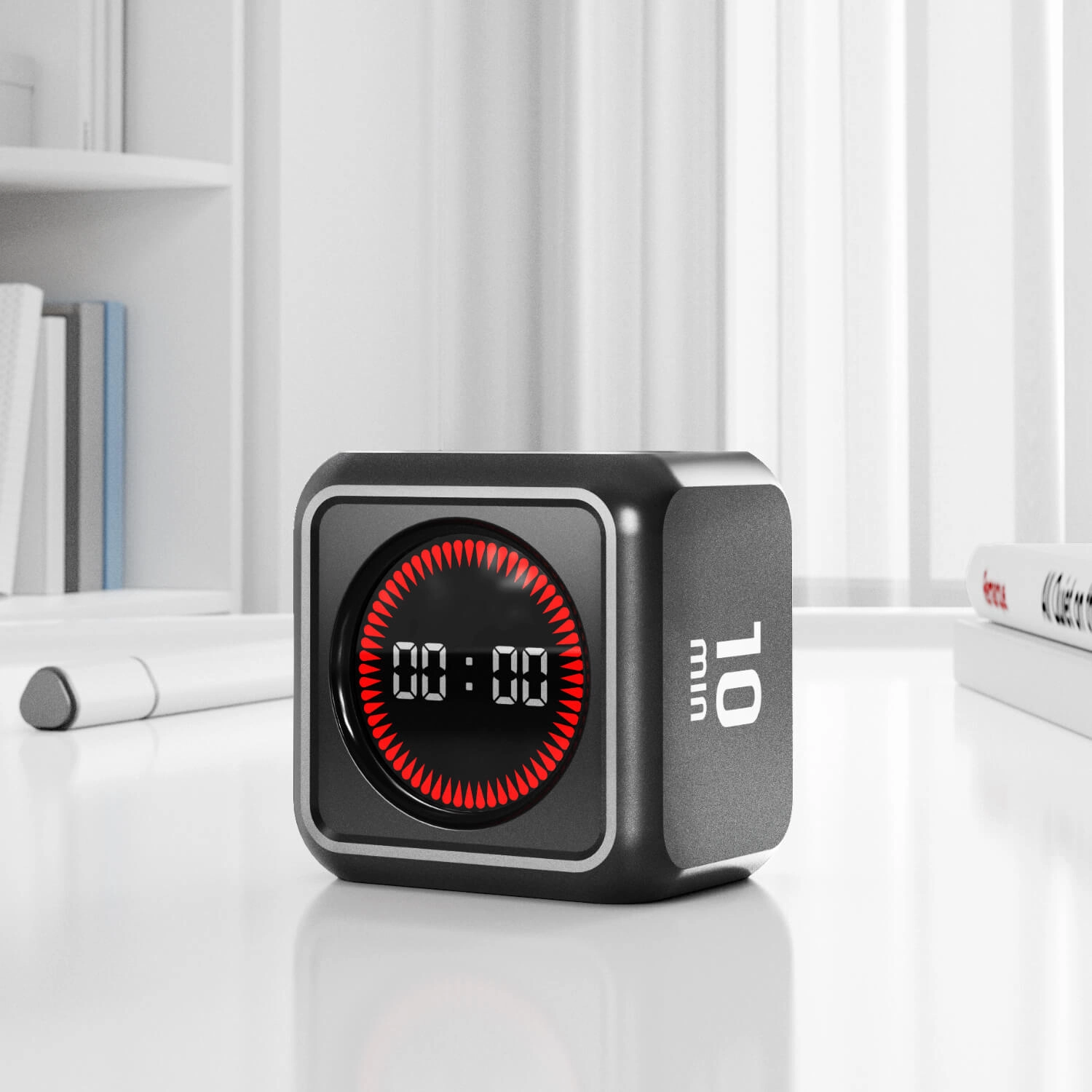
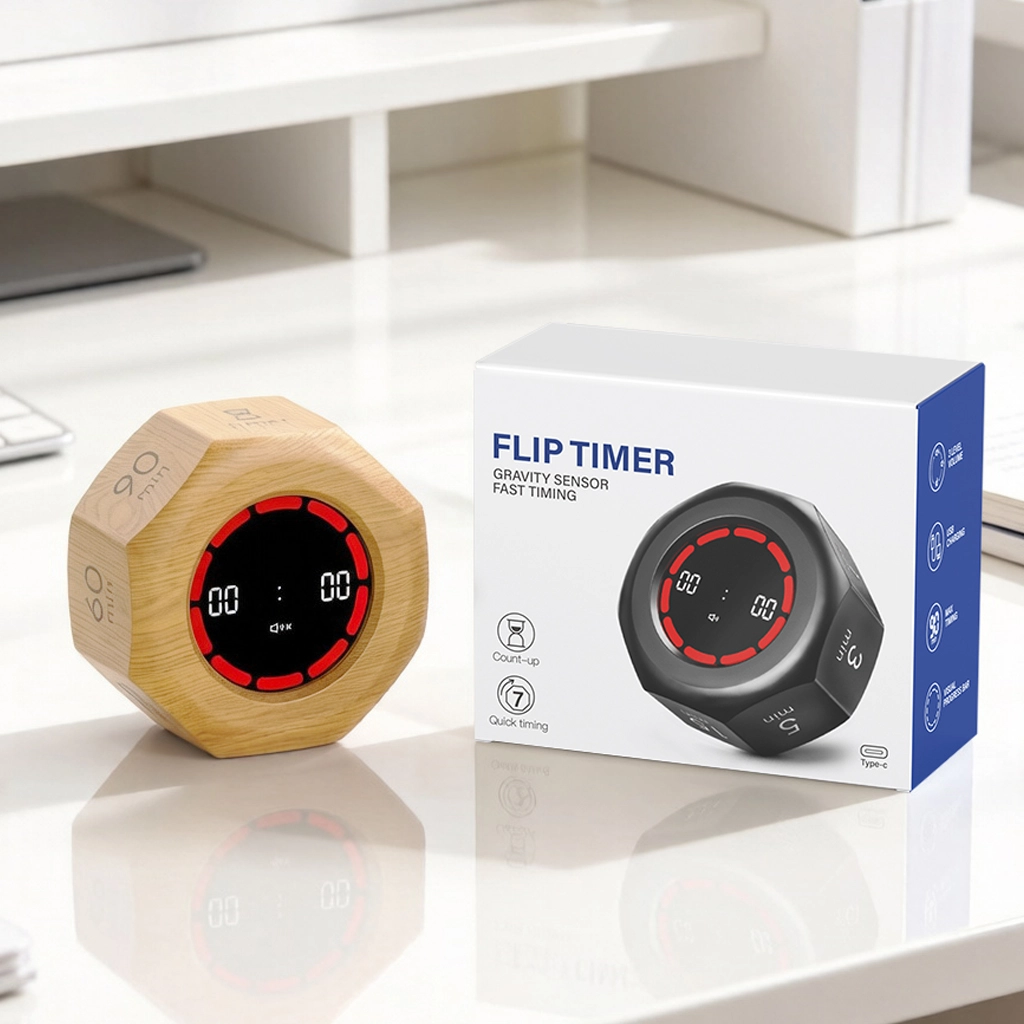
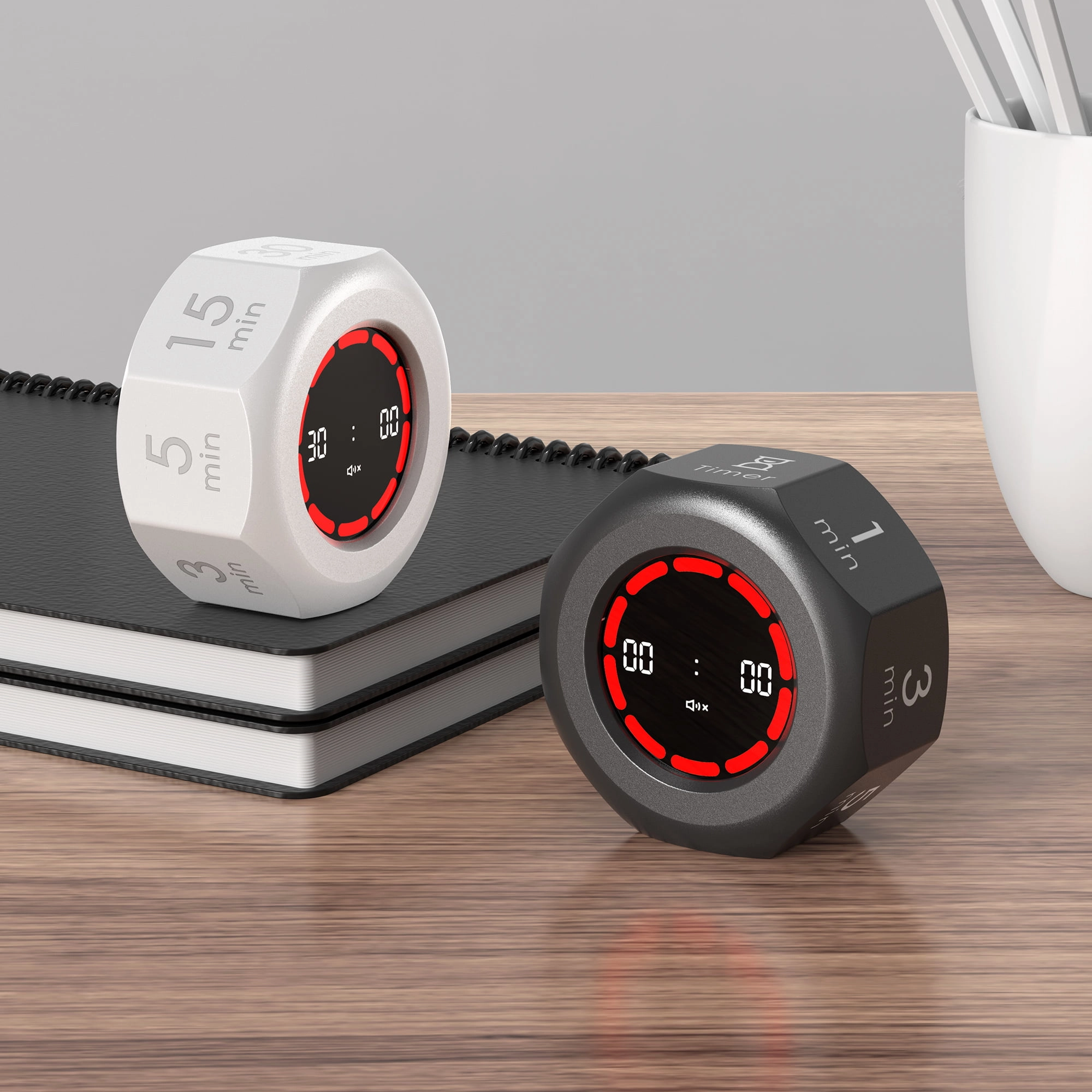
Youben life has operated since 2010 as an OEM/ODM manufacturer focused exclusively on Digital Timers, Pomodoro timers, Visual Countdown Clocks, temperature and humidity monitors, and thermo-hygrometers. This specialization gives our team a focused understanding of timing interfaces, display visibility, alarm behavior, control layouts, and the practical requirements of branded consumer hardware.
Our 20,000m² vertically integrated facility in Guangzhou, China, supports turnkey private-label programs for global brands and Amazon bestsellers. We go beyond simple assembly. Our engineering scope includes ID and MD industrial design, custom IC programming, precision mold tooling, electronics integration, product validation, and retail-ready packaging. This structure allows project owners to coordinate fewer external vendors and maintain clearer accountability from concept through production.
Engineering depth for productivity and environmental-monitoring products
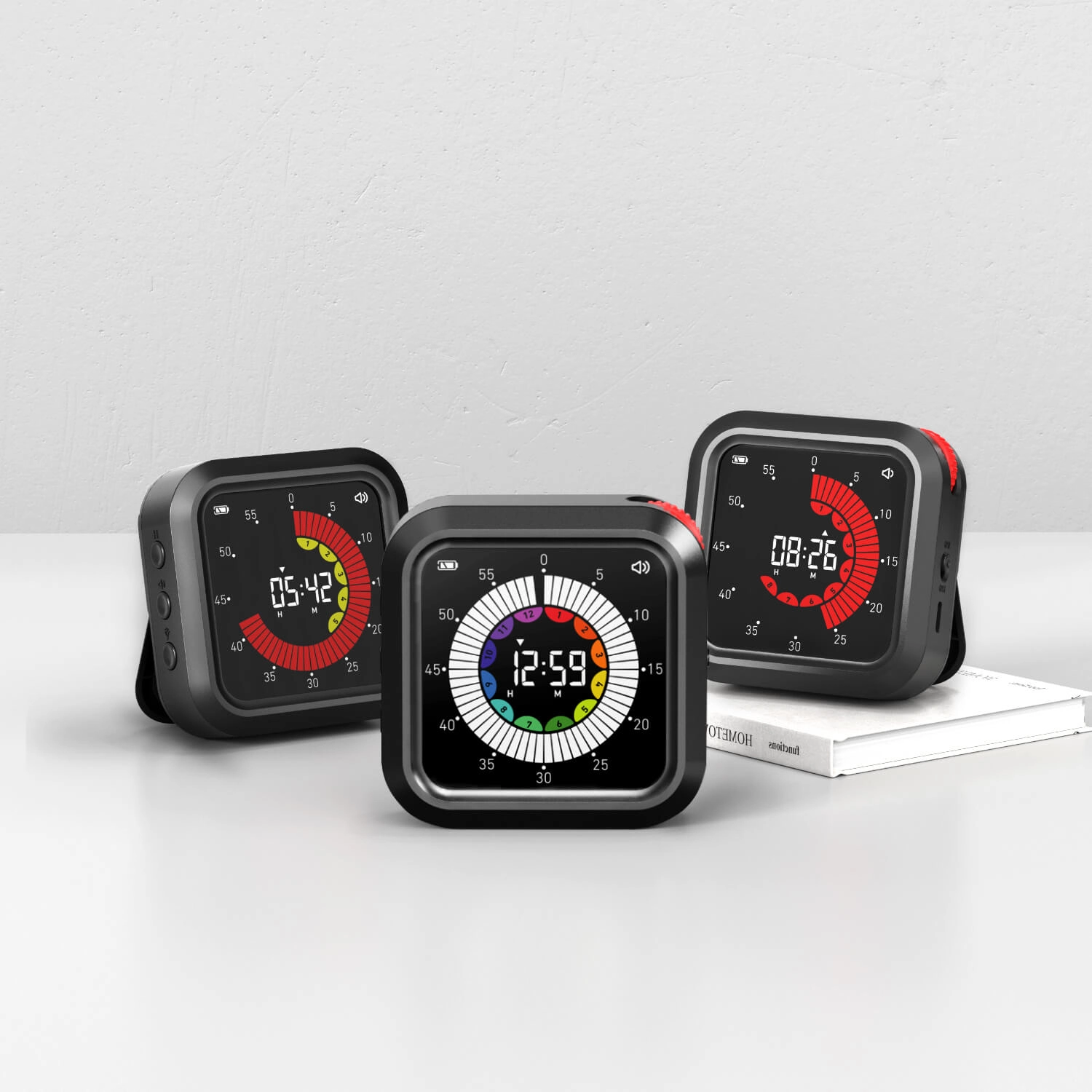
Our portfolio covers compact Digital Timers, visual countdown products, interval-based productivity devices, thermo hygrometers, and temperature humidity monitors. These categories share important engineering concerns, including readable displays, stable sensor performance, low-power operation, intuitive controls, reliable housings, and consistent firmware behavior.
For a brand launching a study aid, office productivity accessory, kitchen timing tool, classroom device, or indoor climate monitor, our team can evaluate whether an existing platform is sufficient or whether a new design is commercially justified. That decision helps avoid unnecessary tooling while preserving a path toward stronger differentiation when the market opportunity supports it.
Compliance, quality, and scalable manufacturing
All Youben life products are developed to meet applicable CE, FCC, and RoHS requirements, subject to the final product configuration and destination-market assessment. The U.S. FCC Part 15 regulations are an important reference for applicable unintentional radiators and electronic devices marketed in the United States. For European conformity planning, buyers can consult the European Commission CE marking guidance.
Our decade-plus engineering background and scalable manufacturing capacity support both pilot launches and repeat orders. Quality planning can be aligned with the customer’s channel, product risk, and volume requirements, including incoming inspection, assembly checks, functional testing, appearance standards, pilot-run approval, and pre-shipment verification. This approach gives distributors and brand owners better visibility into the factors that influence warranty rates, customer reviews, and repeat purchase potential.
Our manufacturing model is most suitable when a buyer wants more than a logo on an existing timer. It supports organizations seeking a reliable product-development partner capable of converting a market brief into a differentiated device, packaging system, and repeatable production process. Buyers can review our product capabilities at Youben life or contact our team at info@youbenlife.com to discuss specifications, target volumes, and launch requirements.
Frequently Asked Questions
What is the main difference between a timer manufacturer and an OEM partner?
A timer manufacturer commonly supplies an existing platform with selected branding or cosmetic changes, while an OEM/ODM partner can support industrial design, electronics, firmware, tooling, compliance preparation, packaging, and production scale-up.
Which option is better for a first product launch?
A platform-based supplier is often better for a fast, lower-risk launch when standard functions meet the market need. A full OEM/ODM partner is preferable when the launch depends on proprietary features, strong visual differentiation, or long-term product ownership.
How should buyers compare supplier quotations?
Buyers should compare total project cost, including engineering, tooling, certification, samples, packaging, inspection, warranty exposure, and recurring unit price, rather than evaluating the factory quotation alone.
What information should be included in a product brief?
The brief should specify timing functions, display size, visibility, controls, sound, power source, materials, dimensions, operating conditions, packaging, labeling, target markets, compliance expectations, forecast volume, and required delivery schedule.
Can an OEM partner support both small pilot orders and larger production volumes?
Many OEM partners can support both stages, but buyers should verify tooling capacity, component availability, pilot-run procedures, quality controls, and the supplier’s ability to reserve production capacity as demand increases.
Why are firmware ownership and tooling terms important?
Firmware and tooling determine how easily a brand can modify, reproduce, or transfer its product in the future. Contracts should define ownership, access, confidentiality, maintenance responsibility, and the conditions for using or releasing these assets.
Top 10 large display desk clock for seniors manufacturers and suppliers
Bulk Ordering Tips for Digital Smart Timer Suppliers
Minimizing Lead Time and MOQ for Digital Timer Clock Procurement
Top magnetic digital kitchen timer Manufacturers and Suppliers
Interested in this article?
Let’s talk.
Need specifications, pricing, or customization options? We’ll provide everything you need.

Youben life
Youben life