
How to Compare Private Label Visual Timer Designs for Retail, Education, Healthcare, and Workplace Use
- Compare visual countdown timer designs by application
- Retail: balance shelf impact with fast understanding
- Education: prioritize shared visibility and repeatable routines
- Healthcare: assess cleaning, placement, and claims carefully
- Build a like-for-like specification and comparison
- Separate core functions from optional features
- Compare designs using consistent evidence
- Account for power, safety, and production readiness
- Turn the comparison into a private-label sourcing decision
- Choose a design platform that supports the channel
- Use product-family alignment to strengthen the offer
- Approve samples against a written scorecard
- Frequently Asked Questions
Choosing a private label visual timer means comparing more than colors and case shapes. Brand owners and procurement teams should assess how quickly users can read the remaining time, whether controls suit the environment, how the product will be powered and cleaned, and which claims can be substantiated. Retail, education, healthcare, and workplace applications create different requirements for visibility, durability, setup, packaging, and compliance. A practical sourcing process defines these requirements first, compares candidate designs against measurable criteria, then confirms samples, labeling, and production controls before launch.
Compare visual countdown timer designs by application
Retail: balance shelf impact with fast understanding
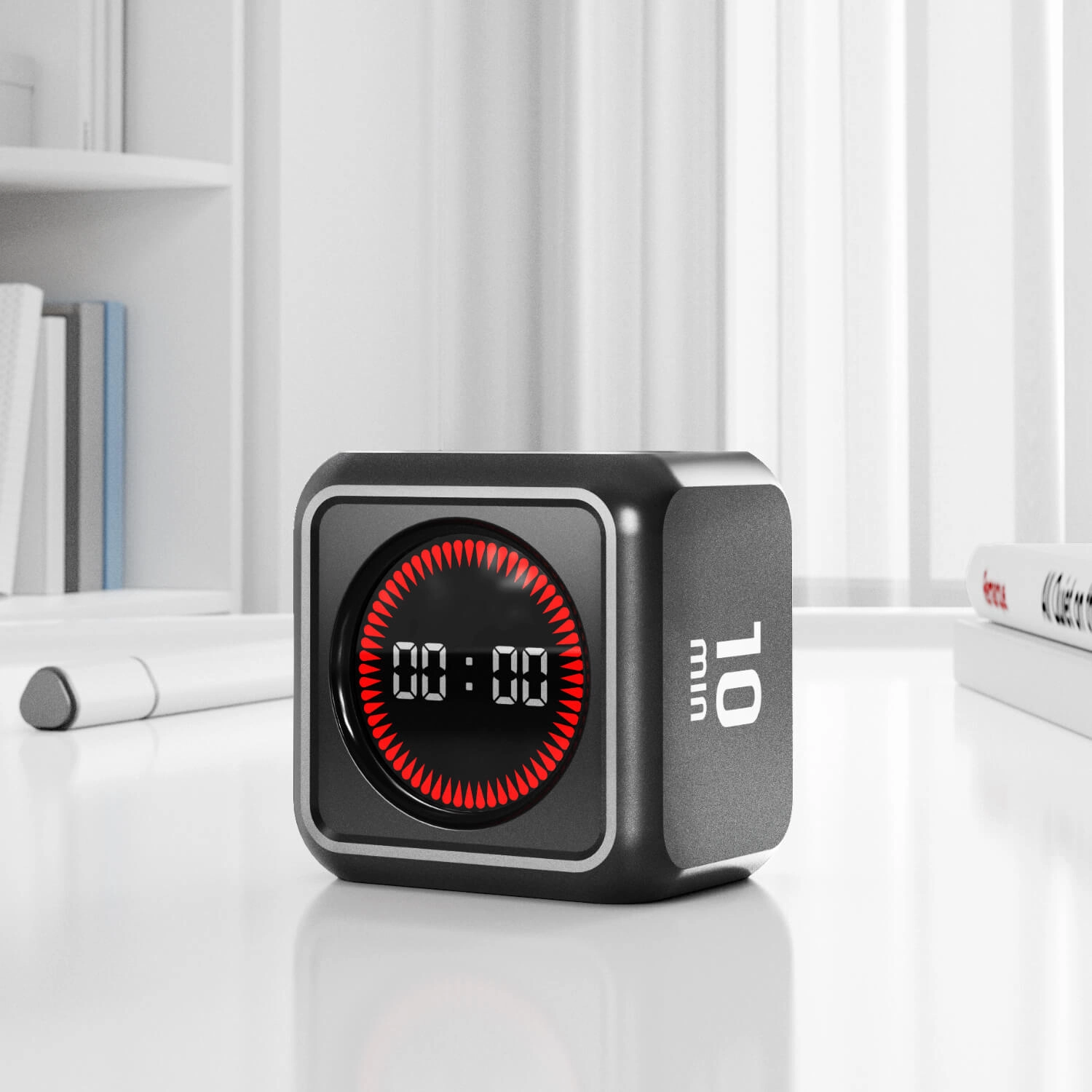
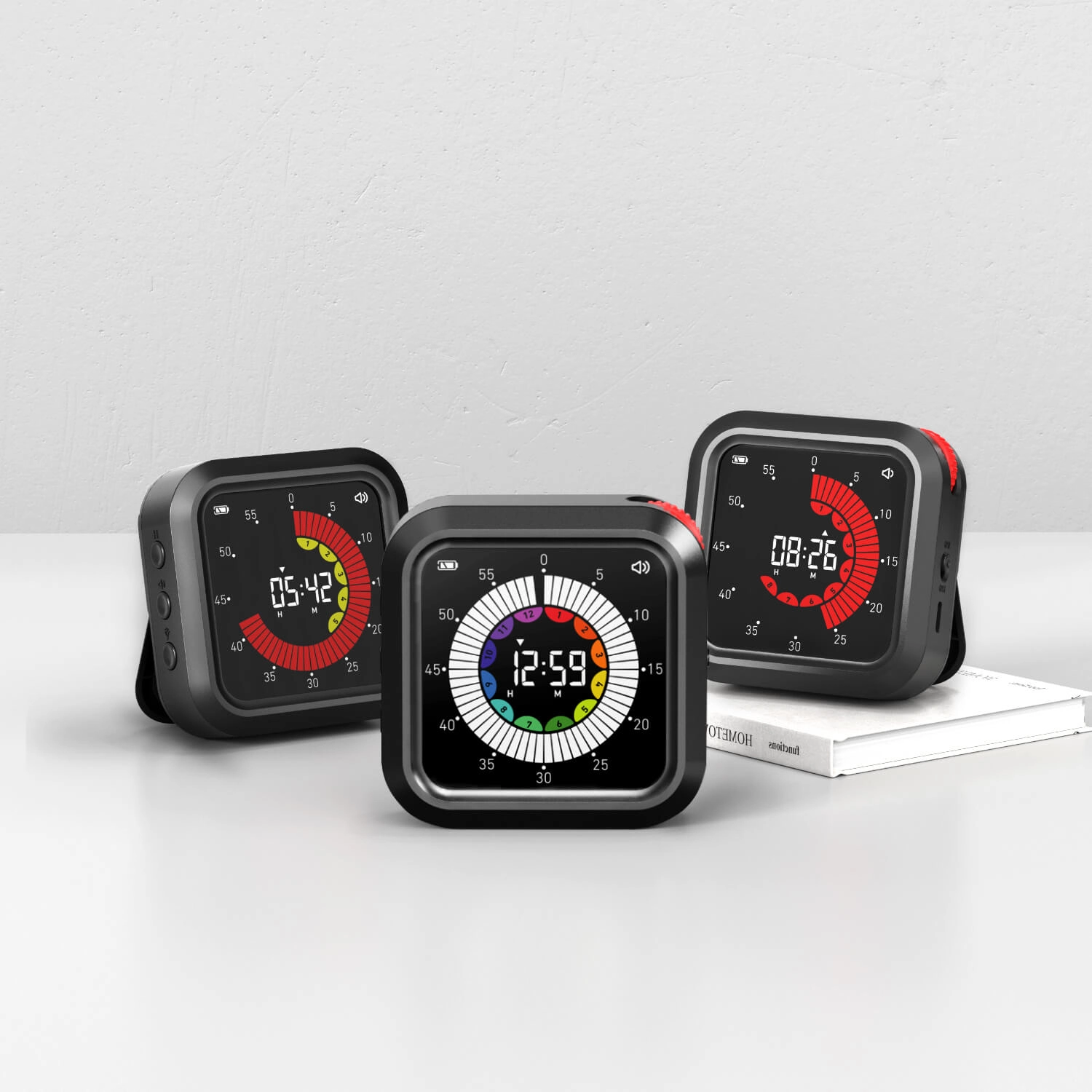
For consumer retail, the design has to communicate its purpose before a shopper reads a long product description. A colored disk, shrinking segment, or other changing visual indicator can make remaining time easier to understand at a glance than a numeric display alone. Buyers should compare how clearly the visual changes at different intervals, whether the screen is readable in typical indoor lighting, and whether the product remains understandable when shown in packaging or on a product page.
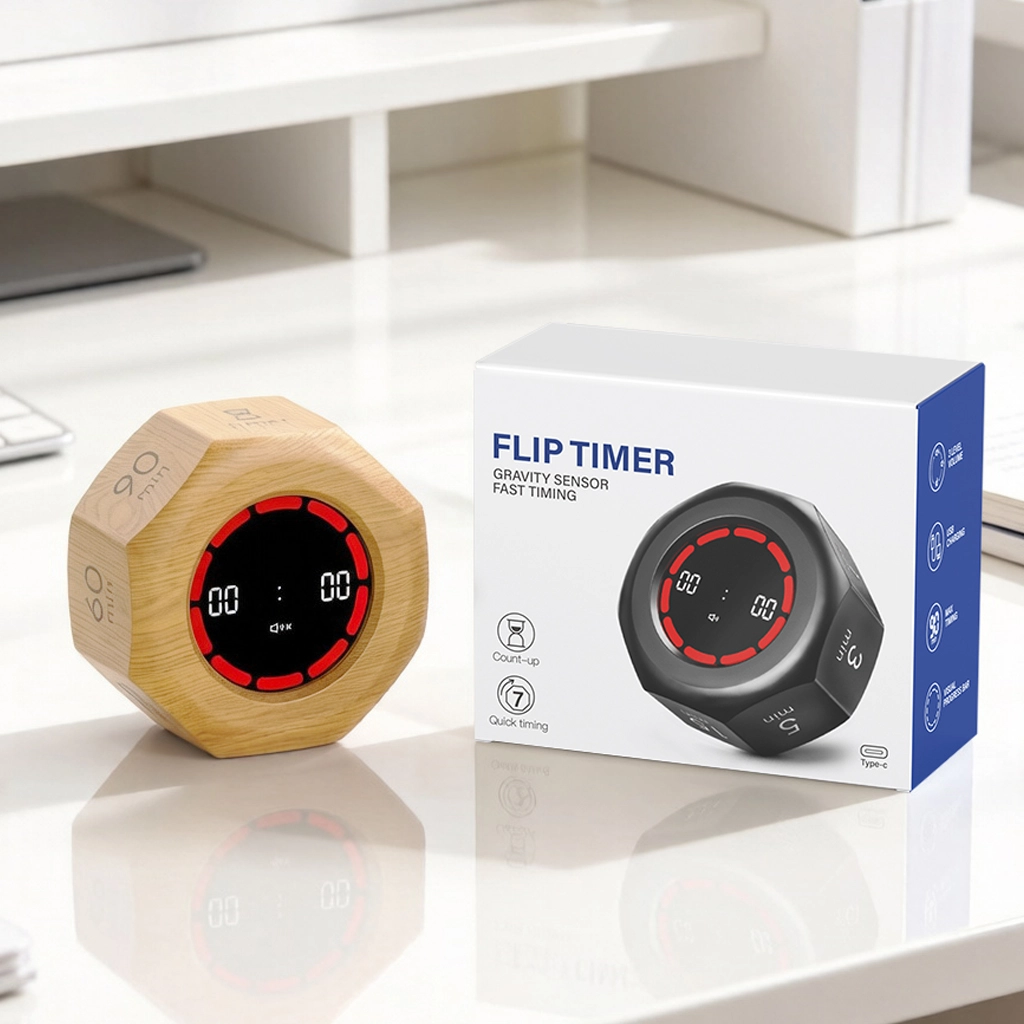
Ease of setup influences returns and reviews. Assess whether the timer starts with a single control, whether users can set common intervals without navigating confusing menus, and whether the sound alert can be adjusted or silenced. Packaging should explain the operating principle, included accessories, battery requirements, and intended use without implying capabilities the product does not have. For a new retail line, review the design alongside price point, shelf footprint, packaging format, and the brand’s broader visual identity.
Education: prioritize shared visibility and repeatable routines
Classroom and learning-center buyers often need a timer that can be understood from several positions in a room. Compare display size and contrast at realistic viewing distances rather than relying only on close-up product photos. A stable stand, wall-mounting option, or suitable magnetic attachment may improve placement, but the attachment method should be checked against the actual surfaces and movement expected in use.
Teachers may use a visual countdown for transitions, independent work, group activities, or turn-taking. These routines reward controls that are easy to reset and a visual display that changes predictably. Compare maximum duration, repeat or interval functions, alert options, and the risk of accidental setting changes. If the product is intended for younger users, evaluate the casing, controls, battery access, and labeling for the relevant age group and destination-market requirements; do not assume that a general-purpose timer is automatically suitable as a toy.
Healthcare: assess cleaning, placement, and claims carefully
Healthcare environments vary from staff offices and therapy rooms to patient-facing spaces, so buyers should specify the precise use before selecting a housing or interface. A timer used near patients may need quiet or adjustable alerts, clear visibility, stable placement, and surfaces compatible with the facility’s approved cleaning process. Request material and cleaning guidance from the supplier, then validate it against the disinfectants and procedures the facility actually uses. Do not infer chemical resistance from a smooth appearance or a general statement that a surface is easy to clean.
Intended use and marketing language also matter. A countdown aid for routines is not automatically a medical device, but claims about diagnosis, treatment, mitigation, or patient outcomes can affect regulatory assessment. The U.S. Food and Drug Administration’s guidance on determining whether a product is a medical device explains that intended use is relevant to that determination. Buyers should obtain market-specific regulatory advice when product claims or deployment could bring the device within a regulated category.
Build a like-for-like specification and comparison
Separate core functions from optional features
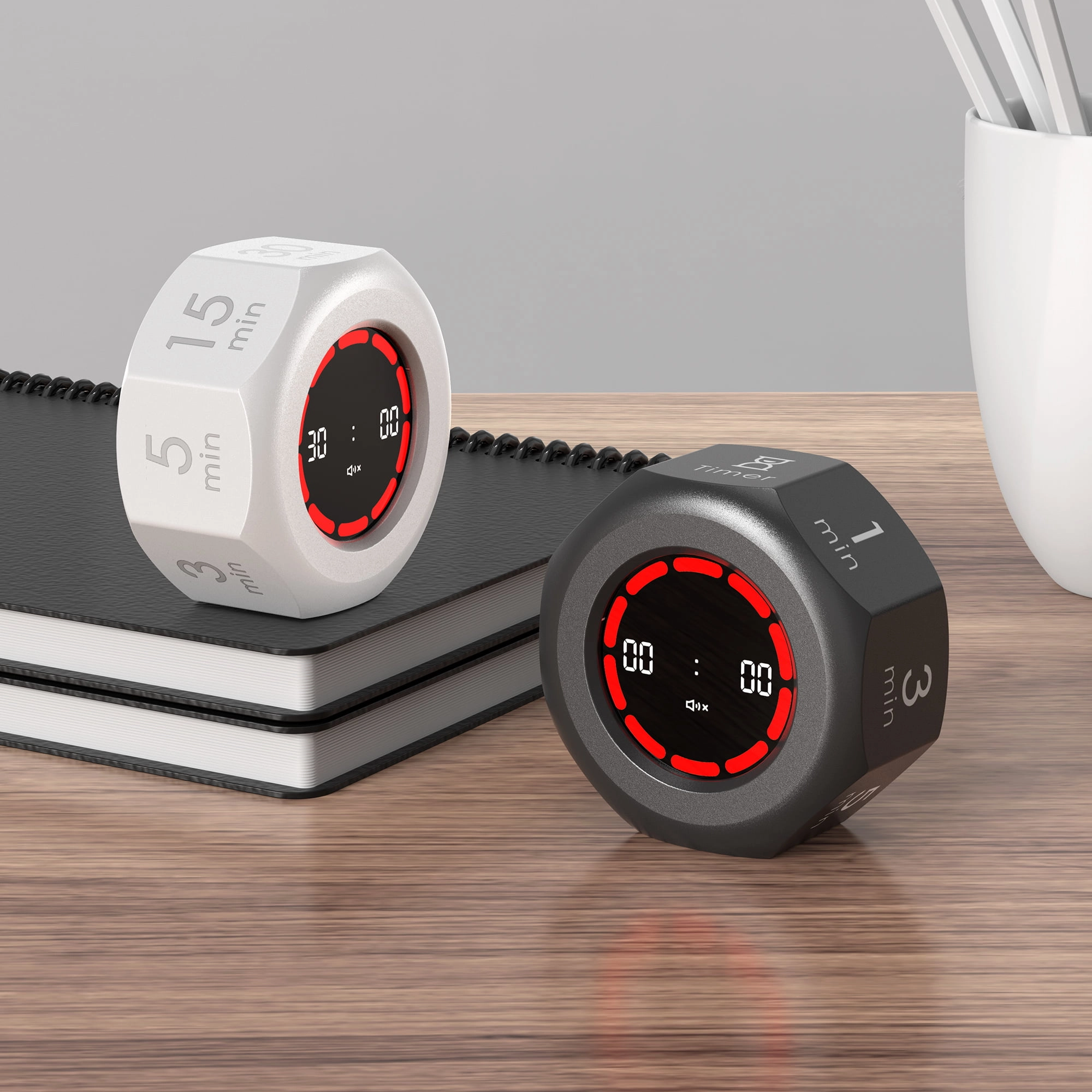
A sourcing brief should distinguish required functions from features that are merely attractive. Core functions may include countdown duration, countdown readability, setting method, restart behavior, and the alert format. Optional functions might include count-up operation, preset intervals, magnetic mounting, rechargeable power, or a companion display. This separation helps suppliers quote comparable configurations and prevents a low initial price from obscuring the cost of essential accessories or later engineering changes.
Define measurable acceptance criteria wherever possible. Examples include the viewing distance at which a user must distinguish the remaining time, the time-setting steps for a common interval, the acceptable alert volume range, or the expected number of operating cycles for a control. These are project requirements, not universal industry thresholds; the buyer should set them based on user testing and the deployment environment. A useful interface review also considers consistency and error prevention. The ISO 9241-110 standard on interaction principles provides a framework for evaluating human-system interaction, although the buyer should confirm the applicable edition and scope for the project.
Compare designs using consistent evidence
Ask each supplier to provide the same evidence for every candidate model: dimensioned drawings, display and control details, material information, power specifications, packaging dimensions, available colors, and sample lead time. Evaluate production samples under comparable lighting and viewing conditions. Check whether the visual indicator remains legible when the timer is placed on a desk, mounted on a wall, or viewed from an angle likely in the intended setting. Record differences in setup effort, alert behavior, stability, and perceived build quality instead of relying on general impressions.
| Use case | Design priorities to compare | Practical verification | Procurement consideration |
|---|---|---|---|
| Retail | At-a-glance visual appeal, intuitive setup, packaging clarity, alert adjustment | Review packaged samples, product images, setup steps, and display readability in common indoor light | Confirm branding options, packaging specifications, accessories, and configuration pricing |
| Education | Room-level visibility, simple reset, stable placement, robust controls | Test from representative classroom positions and repeat common setting and reset tasks | Check mounting options, battery access, age-related labeling, and expected service conditions |
| Healthcare | Quiet or adjustable alerts, legibility, cleanable surfaces, suitable placement | Validate supplier cleaning instructions against facility-approved products and procedures | Review intended-use language and seek regulatory assessment when claims or use require it |
| Workplace | Discreet alerts, flexible intervals, desk or shared-space usability | Test alert settings, typical work intervals, button usability, and operation in shared spaces | Compare power options, user instructions, and consistency across repeat orders |
The table is a decision framework rather than a set of universal pass marks. A project owner should convert its priorities into a product specification and use the same test conditions for every supplier. If a device uses a rechargeable lithium battery, request documentation for the actual cell and battery configuration and check the regulatory obligations in each target market. IEC 62133-2 covers safety requirements and tests for portable sealed secondary lithium cells and batteries under its defined scope; it should not be treated as a blanket certification for every finished timer or market.
Account for power, safety, and production readiness
Power choice affects more than runtime. Disposable batteries can simplify replenishment in some channels, while rechargeable designs may suit frequent use but introduce charging components, instructions, and battery documentation. Ask how the timer indicates low power, what happens to settings after a battery change, and whether the supplied cable or adapter is part of the offer. If the product falls within audio, video, information, or communication technology equipment scope, assess the applicable product-safety requirements with a qualified compliance partner. IEC 62368-1 is a hazard-based safety standard for equipment within its scope; applicability depends on the product and market, so buyers should not assume it applies identically to every timer.
Before approving production, agree on the final bill of materials, artwork, color references, labeling, packaging, inspection criteria, and change-control process. Confirm who owns the design files and tooling, how substitutions are approved, and how a production batch will be checked against the approved sample. A documented golden sample and defect definitions can reduce ambiguity when a reorder, factory transfer, or packaging revision occurs.
Turn the comparison into a private-label sourcing decision
Choose a design platform that supports the channel
Once functional requirements are stable, assess how much customization is commercially worthwhile. A buyer may differentiate a proven platform through color, logo placement, packaging, language, or selected functions, while a new housing or electronics design can require additional engineering, testing, and tooling investment. The right decision depends on forecast volume, launch timing, target price, expected product life, and the business value of exclusivity. Compare the cost and lead-time implications of each change before approving a visual concept.
Procurement teams should also check whether the proposed customization changes performance or compliance. A new battery type, charger, material, coating, or mounting feature can affect the test plan. Establish which party is responsible for verifying the finished configuration, maintaining technical documents, and updating labels when specifications change. These questions are especially important when products will be sold across several markets, where electrical, chemical, labeling, and packaging obligations may differ.
Use product-family alignment to strengthen the offer
In the latter stage of supplier evaluation, compare whether the timer fits a broader product strategy rather than treating it as an isolated item. Our product categories include Digital Timer and Pomodoro timer options, alongside thermo-hygrometers and temperature-humidity monitors. These products can support adjacent needs in time management and environmental monitoring, but each should be specified and marketed according to its verified functions. A product-family review can help buyers consider coordinated packaging, complementary merchandising, and a consistent interface language without assuming that every category shares the same technical requirements.
When reviewing our proposals, buyers should provide the intended channel, user profile, destination markets, target configuration, branding needs, and expected order plan. This information allows the project team to discuss the relevant design options and identify which details need sample validation or compliance review. Clear inputs at the quotation stage make it easier to distinguish a feasible customization from a change that could add cost, extend development time, or require additional testing.
Approve samples against a written scorecard
Use a scorecard that reflects the project’s highest risks: visual readability, ease of use, alert suitability, mechanical stability, cleaning compatibility where relevant, power behavior, packaging, and documentation. Weight criteria by application; a classroom may place more emphasis on visibility and durability, while a retail line may give greater weight to setup simplicity and shelf presentation. Record observations and decisions so that product, marketing, quality, and procurement teams approve the same configuration.
For a final review, verify the sample’s branding, dimensions, user instructions, and included accessories against the purchase specification. Confirm the inspection plan, production-change notification expectations, and remedy process for nonconforming goods. A controlled approval process helps protect the buyer’s launch schedule and gives the supplier a clear reference for repeat production. Time is standardized as a unit of measurement, and the National Institute of Standards and Technology’s explanation of SI units for time describes the second’s role in the International System of Units; product-specific timing accuracy should still be verified against the buyer’s own requirement and test method.
To compare suitable timer designs and related monitoring products for your target channel, contact our team with your application, market, and customization requirements.
Frequently Asked Questions
What should buyers compare first when sourcing a private-label visual timer?
Start with the intended users and setting, then compare visual readability, setting and reset controls, timing functions, alert options, power source, mounting, packaging, and market-specific requirements. Use written acceptance criteria and evaluate samples under consistent conditions.
Which visual timer features matter most for classroom use?
Classroom buyers should prioritize visibility from representative positions in the room, simple setting and reset, stable placement, durable controls, and alert options suited to group activities. Mounting methods and age-related labeling should also be checked for the intended use.
Can a visual timer be used in healthcare settings?
It may be suitable for some healthcare environments, but buyers should assess the exact use, alert needs, placement, and compatibility of the surfaces with facility-approved cleaning procedures. Regulatory assessment may be needed if intended-use claims place the product within a regulated category.
What information should a buyer request from a visual timer supplier?
Request drawings, display and control specifications, materials, power details, packaging dimensions, customization options, sample lead times, and relevant compliance documentation. Also agree on the approved sample, inspection criteria, change control, and responsibility for verifying the finished configuration.
Does adding a logo make a timer a medical device?
A logo alone does not determine whether a product is a medical device. Intended use and product claims are relevant, so buyers should seek market-specific regulatory advice if the timer is promoted for diagnosis, treatment, mitigation, or another regulated purpose.
How should buyers compare suppliers’ customized timer samples?
Test each sample against the same written scorecard and conditions, including readability, ease of use, alert behavior, stability, power behavior, packaging, and documentation. Approve the final branded configuration and retain a reference sample for production comparisons.
Best Smart Focus Timers 2026: Top Picks for Buyers
Wholesale digital pomodoro timer manufacturer and supplier
Wholesale waterproof digital timer for pool manufacturer and supplier
Digital Visual Countdown Timer vs. Traditional Timers: Which Solution Fits Your Operation?
Interested in this article?
Let’s talk.
Need specifications, pricing, or customization options? We’ll provide everything you need.

Youben life
Youben life