
Best Digital Alarm Clocks 2026: Top Models for Every Budget
- Why upgrading your bedside device matters in 2026
- From basic beeps to circadian-aware wake-ups
- How technology choices impact real-world performance
- My approach to testing and recommendation
- Top digital alarm clocks by budget (2026 picks)
- Value picks (best for simple needs)
- Mid-range (smart features + sleep support)
- High Quality (design, multisensory wake, and habit coaching)
- Features that matter: how to prioritize for your routine
- Display type and brightness control
- Sound quality, alarm tones and snooze behavior
- Connectivity and smart-home integration
- Buying, setup, and maintenance—practical tips
- Placement, power strategy, and backup
- Firmware updates and security for smart alarms
- Care, cleaning, and lifecycle
- OEM/ODM perspective: Why partner with a specialized manufacturer
- What manufacturers like Youben Life bring to brands
- Quality, compliance, and competitive advantages
- How brands leverage OEM expertise
- Verified resources and standards I rely on
- Sleep and health guidance
- Historical and technical context
- Manufacturer compliance and regulatory info
- FAQ — common questions about digital alarm clocks
- 1. What is the best type of digital alarm clock for heavy sleepers?
- 2. Are wake‑up lights better than sound alarms?
- 3. Do smart alarm clocks pose privacy risks?
- 4. How important is battery backup?
- 5. Can I use a smart speaker (like Echo Dot) as my primary alarm?
- 6. How do I reduce display brightness without losing readable time?
- Final recommendations and how to buy
I’ve spent more than a decade advising sleep-tech brands and designing time-management hardware. In 2026, digital alarm clocks are no longer simple beepers—many combine sunrise simulation, Bluetooth speakers, USB charging, smart-home integration, and long-lasting battery backup. This article helps you pick the right digital alarm clock for your routine and budget, explains the features that matter, compares top models with verifiable specs, and outlines how manufacturers like Youben Life enable private-label success.
Why upgrading your bedside device matters in 2026
From basic beeps to circadian-aware wake-ups
The modern digital alarm clock has evolved from a simple alarm mechanism to a multi-function sleep and wake platform. Devices with sunrise simulation and adjustable soundscapes can improve sleep inertia and mood on waking. Clinical guidance from the CDC highlights the importance of consistent, quality sleep for physical and cognitive health, and a well-chosen alarm can help enforce consistent wake times.
How technology choices impact real-world performance
Choosing between LED displays, projection clocks, wake-up lights, and smart speakers affects visibility, power consumption, and light exposure at night. For example, bright blue LED displays can disrupt melatonin production, whereas low-lumen red displays or automatic dimming preserve sleep quality. For background reading on alarm clock evolution see Alarm clock — Wikipedia.
My approach to testing and recommendation
I evaluate devices on objective criteria: accuracy of timekeeping, alarm reliability, display readability, power options (battery backup vs. mains only), audio quality, smart integrations (Bluetooth, Wi‑Fi, voice assistants), and build quality. When possible I validate specs against manufacturer datasheets and independent reviews to ensure recommendations are verifiable.
Top digital alarm clocks by budget (2026 picks)
Below I list reliable models across price ranges: value (under $40), mid-range ($40–$120), and High Quality (>$120). The comparison focuses on practical features most users search for: sunrise simulation, USB charging, Bluetooth speaker, battery backup, and display type.
| Model | Price Range | Key Features | Power / Backup | Source |
|---|---|---|---|---|
| JALL Digital Alarm Clock | <$30 | Large LED, dimmer, dual alarms, USB charging port, battery backup | AC with AA battery backup | Manufacturer listing |
| Philips Wake-Up Light (e.g., HF3520) | $80–$150 | Sunrise simulation, FM radio, nature sounds, multiple intensity levels | AC power; limited backup options depending on model | Philips product page |
| Amazon Echo Dot with Clock (5th Gen) | $50–$80 | Smart assistant, Wi‑Fi, Bluetooth, LED display, routines and smart-home alarms | AC; no battery backup, optional battery bases exist | Amazon listing |
| Hatch Restore | $100–$130 | Sensory alarm with light, sound, sleep-winddown programs, app control | AC with memory for settings | Hatch product page |
| Sony ICF-C1 (example bedside radio) | $40–$70 | FM radio, dual alarms, compact form, reliable alarm mechanism | AC with battery backup | Sony product listings |
Notes: prices reflect typical 2026 retail ranges and are subject to region-specific variations. Always check manufacturer specs for power and compliance information.
Value picks (best for simple needs)
If your priorities are a readable LED display, dependable alarm and USB charging, low-cost models from brands like JALL or basic Casio travel clocks deliver value. These clocks often include battery backup so you won’t lose time after power outages. For travelers, compact models (e.g., Casio TQ‑140) remain reliable and inexpensive—see Casio’s catalogue for model specifics.
Mid-range (smart features + sleep support)
The mid-range segment includes wake-up lights (Philips) and smart speakers with integrated displays (Echo Dot with Clock). These devices balance sound quality, sunrise simulation or routines, and app control. Philips’ medically informed light therapy research gives their wake-up lights an edge for users sensitive to light-based wake methods (see Philips product details on philips.com).
High Quality (design, multisensory wake, and habit coaching)
High Quality devices (Hatch Restore, Loftie) add guided wind-down programs, multi-stage alarms, and curated content. These are for users who want an integrated sleep-wake system rather than a single alarm. Evidence indicates multi-modal wake methods (light + sound) can reduce sleep inertia compared to abrupt alarms—see sleep research summaries at the CDC and sleep journals.
Features that matter: how to prioritize for your routine
Display type and brightness control
Pick a display that won’t disrupt sleep. Look for adjustable brightness, automatic dimming, or red-toned displays. LED displays vary in contrast and lumen output—measurements are rarely published in consumer listings, so I recommend testing in-store or checking user photos and reviews for real-world brightness.
Sound quality, alarm tones and snooze behavior
Alarm audio can be simple beeps, FM/Internet radio, or full-range Bluetooth speakers. If you use music, prioritize devices with fuller low-frequency response. Also check snooze duration and whether the snooze can be customized—many low-cost digital alarm clocks have fixed 9-minute snooze intervals, while smart clocks often allow custom snooze lengths.
Connectivity and smart-home integration
Smart features (Wi‑Fi, routines, voice assistants) allow alarms to integrate with your home automation or mornings—for example setting lights, thermostats, or news briefs as part of your wake routine. If privacy and offline reliability matter, a non‑connected alarm with physical controls may be preferable.
Buying, setup, and maintenance—practical tips
Placement, power strategy, and backup
Place the clock where its display is readable but not directly in your line of sight to avoid light at night. AC-powered clocks are standard, but battery backup protects you during outages—confirm whether the backup preserves the alarm or only clock settings. For travel, choose battery-powered or USB-charged models.
Firmware updates and security for smart alarms
For Wi‑Fi-enabled devices, confirm the manufacturer provides firmware updates and a clear privacy policy. Check that the device supports encrypted connections and receives regular security patches. Manufacturer pages and support forums often list firmware history and update cadence.
Care, cleaning, and lifecycle
Keep speakers and vents dust-free for optimal audio and thermal performance. Replace rechargeable batteries per the manufacturer cycle recommendations. For long-term reliability, look for devices from manufacturers who publish compliance to CE, FCC, and RoHS standards.
OEM/ODM perspective: Why partner with a specialized manufacturer
What manufacturers like Youben Life bring to brands
As someone who has worked with OEM/ODM partners, I can say vertical integration reduces time-to-market and improves consistency. Youben Life, established in 2010, specializes in Digital Timers, Pomodoro timers, Visual Countdown Clocks, temperature & humidity monitors, and thermo-hygrometers. Their 20,000m² facility in Guangzhou enables turnkey private-label production—from concept and industrial design to custom IC programming and precision tooling.
Quality, compliance, and competitive advantages
Youben Life emphasizes compliance: their products meet CE, FCC, and RoHS standards, which is essential for selling across international markets. When I evaluate manufacturing partners, I prioritize suppliers who provide engineering support for differentiated features (e.g., custom MCU firmware for complex alarm behaviors), transparent QA processes, and scalable assembly lines—traits Youben Life highlights on their site.
How brands leverage OEM expertise
Brands that work closely with experienced OEMs can ship differentiated hardware—unique form factors, tuned sound profiles, and bespoke user interfaces that stand out on marketplaces like Amazon. If you’re a brand exploring private-label alarm clocks, contact Youben Life at info@youbenlife.com or visit youbenlife.com for capabilities and product samples.
Verified resources and standards I rely on
Sleep and health guidance
I cite CDC sleep guidelines for the relationship between regular wake times and health: CDC - Sleep and Sleep Disorders.
Historical and technical context
For the historical evolution of alarm mechanisms and basic definitions, Wikipedia's overview is a useful starting point: Alarm clock — Wikipedia.
Manufacturer compliance and regulatory info
When reviewing hardware claims I cross-check CE and FCC documentation on manufacturer sites and product pages to validate emission and safety compliance.
FAQ — common questions about digital alarm clocks
1. What is the best type of digital alarm clock for heavy sleepers?
Heavy sleepers often benefit from multi-stage alarms combining light (sunrise simulation) and increasing sound volume, or devices with vibrating pads. Look for adjustable volume peaks and multi-modal options (light + sound + vibration).
2. Are wake‑up lights better than sound alarms?
Wake-up lights can reduce sleep inertia for some users by simulating dawn, especially when paired with gentle sounds. Evidence suggests multi-modal approaches are often superior to abrupt sounds alone. Personal preference and chronotype matter—test before fully committing.
3. Do smart alarm clocks pose privacy risks?
Wi‑Fi-enabled devices can pose privacy risks if manufacturers don’t provide secure firmware updates and clear data policies. For minimal exposure, choose devices that store settings locally or from reputable brands with transparent privacy policies.
4. How important is battery backup?
Battery backup is important if you live in an area with unreliable power. Verify whether backup preserves alarm settings and time or only the clock memory—some low-cost models only retain the clock time, not the active alarm state.
5. Can I use a smart speaker (like Echo Dot) as my primary alarm?
Yes. Smart speakers offer flexible alarm routines, music-based wake-ups, and smart-home integrations. Check for a model with a visible display if you prefer to see the time. Keep in mind they often require constant Wi‑Fi and may lack battery backup unless paired with an accessory.
6. How do I reduce display brightness without losing readable time?
Choose a clock with multiple dimming stages or an auto-dim sensor. Red/amber displays are less disruptive at night yet still readable. If a device lacks good dimming, masking the display with a small cloth at night is a low-tech workaround.
Final recommendations and how to buy
If you want a no-frills, reliable digital alarm clock with USB charging and battery backup, start in the value segment. If you prioritize sleep hygiene and a progressive wake routine, consider a wake-up light or a blended device like Hatch Restore. For deep smart-home integration and routines, a smart speaker with clock display (Echo Dot with Clock) offers flexibility.
For businesses or brands looking to develop private-label digital timers, pomodoro timers, or visual countdown clocks, I recommend evaluating an experienced OEM partner that can handle R&D, custom firmware, and compliance testing. Youben Life (est. 2010) is one such partner: headquartered in Guangzhou with a 20,000m² vertically integrated facility, they support ID/MD design, custom IC programming, precision tooling, and retail-ready packaging. Their product range includes Digital Timers, Pomodoro Timers, Visual Countdown Clocks, temperature & humidity monitors, and thermo-hygrometers. Contact them at info@youbenlife.com or visit youbenlife.com to request samples and discuss OEM/ODM options.
If you’d like personalized recommendations based on your sleep patterns, bedroom light conditions, or brand product goals, contact me or request samples from manufacturers to test real-world brightness and alarm behavior before placing an order.
Interested in buying or private-labeling digital alarm clocks and timers? View product ranges and OEM/ODM services at Youben Life or email them at info@youbenlife.com to start a conversation.
Top digital pomodoro timer Manufacturers and Suppliers
Pomodoro Digital Timer OEM vs ODM: Manufacturing Guide
Sustainable Materials for Pomodoro Digital Timer Manufacturing
Wholesale digital pomodoro timer manufacturer and supplier
Wholesale Services
What is your Minimum Order Quantity (MOQ)?
Our MOQ varies by product type. Please contact us for details.
Products
How long is the lead time?
Typically 15–35 days depending on order size and customization.
About cooperation process
How to contact us?
Please check on the contact Page.
Indoor Thermometer
What quality control processes do you have?
A: We follow strict quality control procedures, including raw material inspection, in-line production checks, and final product testing before shipment.
X-JSQ016
Can the Pomodoro Technique Timer be customized with a logo?
Yes—we offer professional custom logo services. As a direct manufacturer with in-house design capabilities, we customize both the timer body and outer packaging to align with your brand. Share your logo files (AI/PNG) and packaging preferences, and our team will handle the rest, ensuring a distinct, market-ready product.
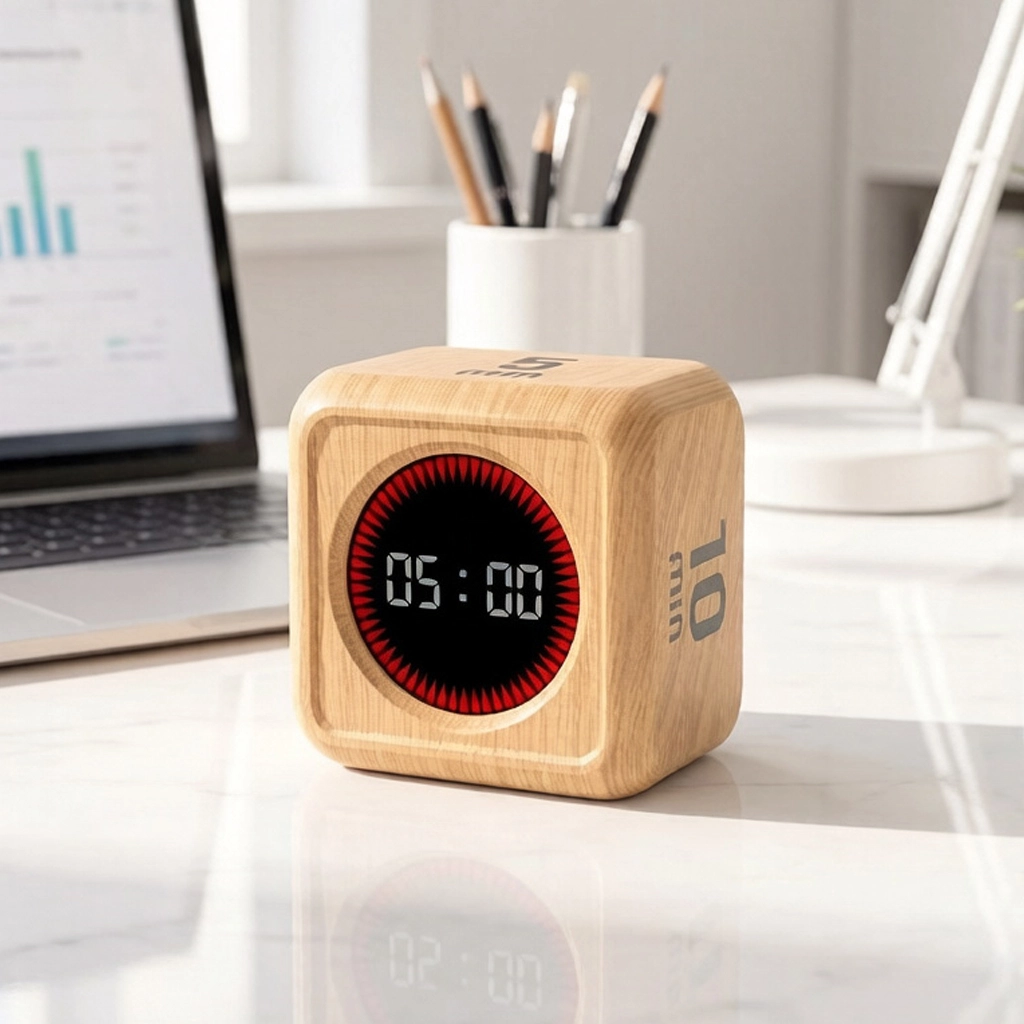
Wood Grain square Cube Timer Digital Gravity Sensor Timer Rechargeable Pomodoro Stopwatch Manufacturer
The X-JSQ814 Rubik’s Cube Timer reimagines timekeeping with a playful, cube-shaped design inspired by the iconic Rubik’s Cube. Blending nostalgia with functionality, it offers intuitive controls, smart gravity sensing, and versatile timing modes—perfect for anyone seeking a stylish, reliable tool to manage tasks at home, work, or play. Compact yet durable, it’s built to adapt to daily routines with ease.
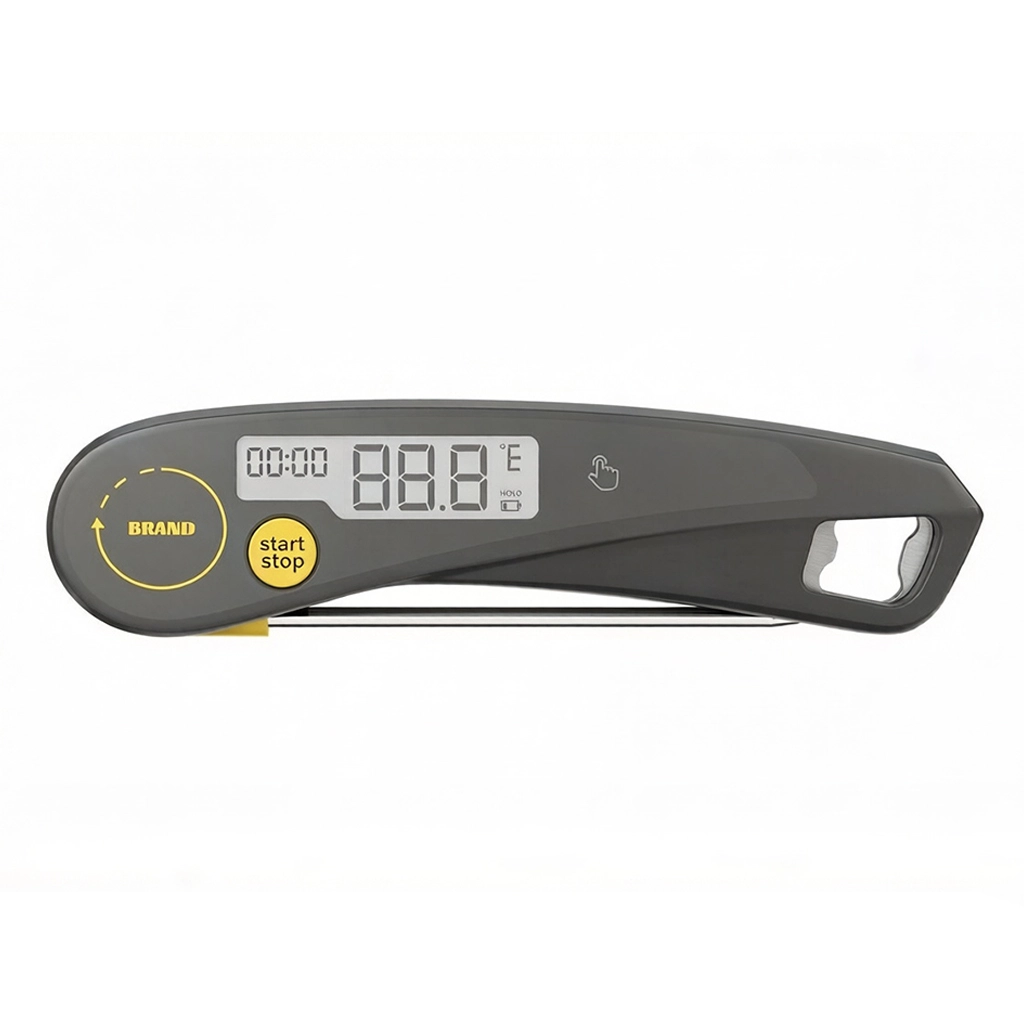
Digital Food Thermometer with Foldable Probe Timer Bottle Opener Meat Temperature Monitor
This digital food thermometer is designed for professional B2B buyers including e-commerce sellers, wholesalers, and OEM clients. Featuring a foldable stainless steel probe, it provides fast and accurate temperature readings from -50°C to 300°C with ±0.1°C precision. The built-in timer function (up to 59 minutes 59 seconds) supports efficient cooking control, while the °C/°F switch ensures global usability. Powered by a CR2450 button battery, it offers long-lasting performance. The ergonomic handle integrates a bottle opener, making it a practical 3-in-1 kitchen tool ideal for BBQ, grilling, baking, and food processing industries.
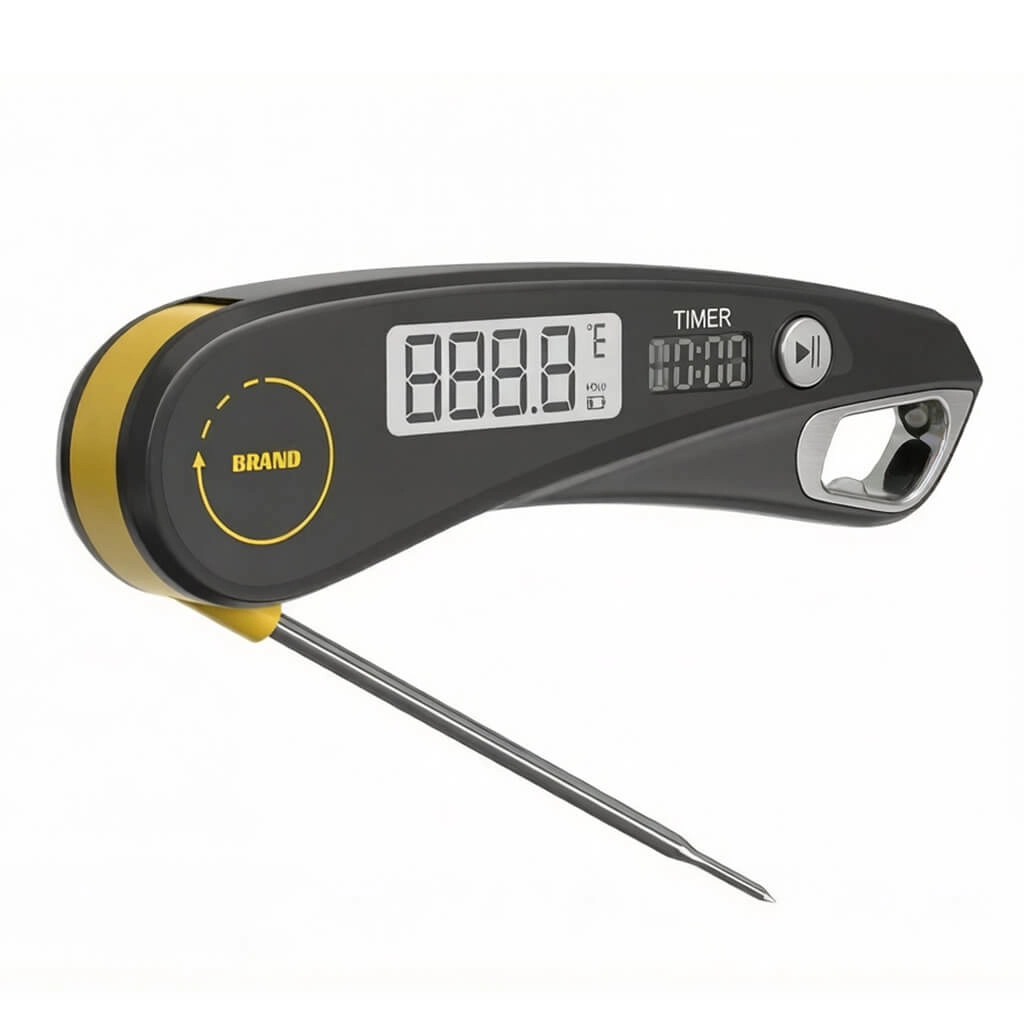
Digital Cooking Thermometer with Folding Probe Timer Multifunction Meat Thermometer Kitchen Tool
Engineered for commercial buyers and private label clients, this digital cooking thermometer delivers precision and versatility in one compact device. The folding stainless steel probe ensures safe handling and quick temperature detection across a wide range from -50°C to 300°C with ±0.1°C accuracy. Designed with an integrated timing system up to 59:59, it allows efficient cooking control for grilling, baking, and food preparation. The ergonomic handle features an added bottle opener, enhancing usability for outdoor and kitchen scenarios. Powered by a CR2450 battery, this thermometer is ideal for wholesalers, distributors, and e-commerce sellers seeking reliable and customizable solutions.
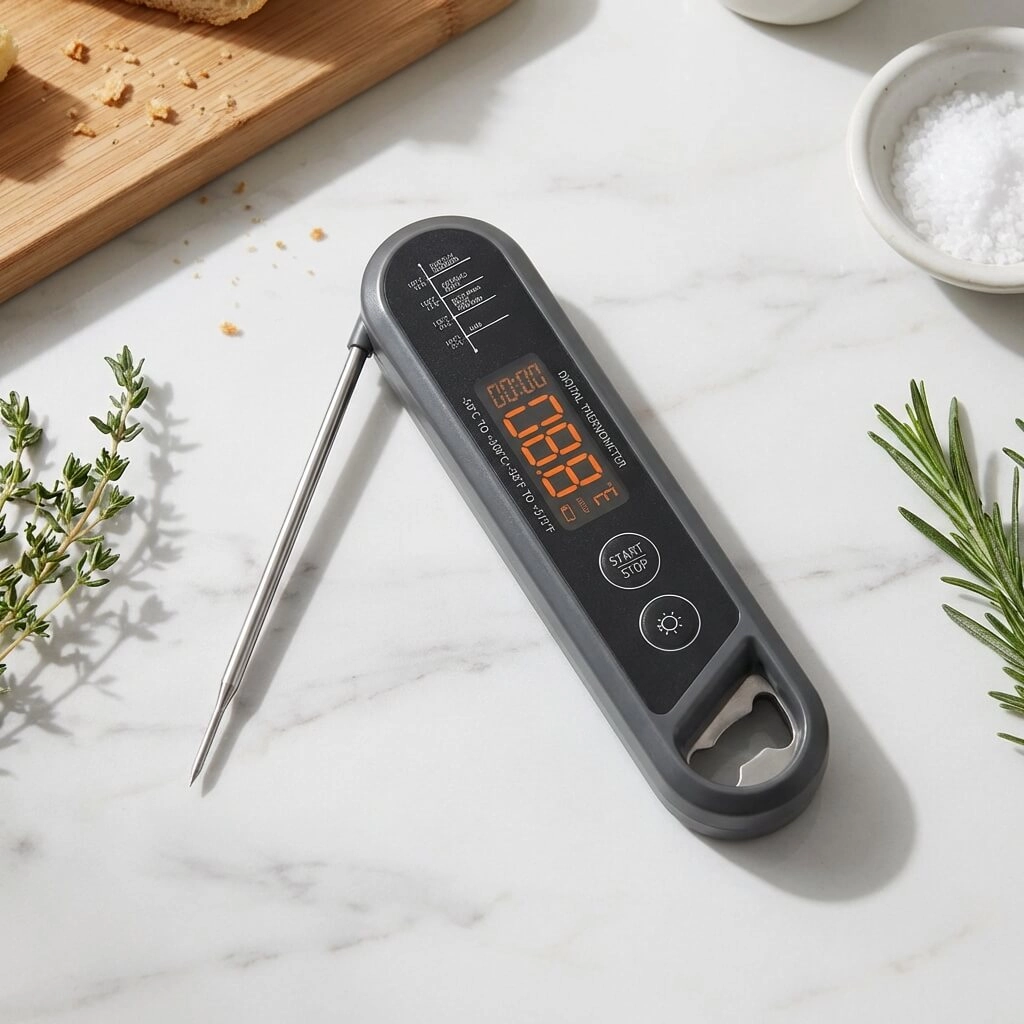
Instant Read Digital Meat Thermometer Food Thermometers With Count Up Timer Grill Oven
X-SPWDJ315-1 is a professional digital meat thermometer designed for B2B buyers such as e-commerce sellers, wholesalers, and OEM clients. Its foldable stainless steel probe ensures safe and compact storage while measuring temperatures from -50°C to 300°C with ±0.1°C accuracy. The thermometer features an integrated countdown timer (up to 59:59) and START/STOP control for precise cooking. An ergonomic handle with a built-in bottle opener adds multifunctional convenience. Powered by a single CR2450 battery, it is ideal for grilling, baking, restaurant kitchens, catering, and bulk supply, providing reliable performance and customization options for commercial customers.

Youben life
Youben life