
Avoiding Costly Errors in Custom Pomodoro Timer Orders
- How to Build a Reliable Specification for a Focus Timer
- Convert the user experience into measurable requirements
- Separate cosmetic customization from functional customization
- Use human-factors testing before mass production
- Procurement Controls That Prevent Expensive Rework
- Verify the quotation beyond the unit price
- Control samples, drawings, and revision history
- Define quality gates from prototype to shipment
- Compliance, Reliability, and Total Cost of Ownership
- Match certification planning to the destination market
- Evaluate batteries, power consumption, and durability
- Calculate landed cost and lifecycle risk
- Why a Specialized OEM/ODM Partner Reduces Order Risk
- Integrated development shortens the path from concept to production
- Quality and compliance are built into project planning
- Product breadth supports broader private-label portfolios
- Frequently Asked Questions
A custom pomodoro timer order can become unexpectedly expensive when product requirements are incomplete, timing functions are misunderstood, or quality expectations are not converted into measurable production criteria. The most common failures include unclear work-and-break intervals, unreadable displays, unsuitable buttons, weak battery performance, missing regulatory documentation, packaging damage, and unapproved changes between the prototype and mass-production version. For B2B buyers, the safest approach is to treat the project as a controlled product-development program: define the use case, document every requirement, verify the engineering sample, approve compliance evidence, and connect payment milestones to objective quality gates.
How to Build a Reliable Specification for a Focus Timer
Convert the user experience into measurable requirements
A successful productivity timer begins with a precise product requirements document rather than a general request for a branded clock. The document should state the intended users, sales channel, operating environment, target price, preferred dimensions, display technology, color palette, logo position, packaging format, and expected annual volume. It should also define whether the device is intended for students, office workers, families, classrooms, therapy programs, or commercial productivity kits. Each audience may require different sound levels, button sizes, viewing angles, child-safety considerations, and cleaning requirements.
Timing behavior needs the same level of detail. Buyers should specify the default work interval, short-break duration, long-break duration, repeat behavior, countdown range, count-up capability, pause and resume logic, memory function, reset behavior, and end-of-cycle alert. Terms such as silent mode, automatic cycle, and customizable program can have different meanings to different suppliers. A written state diagram or simple operating-flow document prevents disputes during firmware approval and reduces the risk of redesign after tooling begins.
Separate cosmetic customization from functional customization
Logo printing, color matching, surface texture, and retail packaging are usually less technically complex than changes to the enclosure, display window, button layout, or electronic architecture. However, even cosmetic decisions can affect cost and lead time. A metallic ink may require a different printing process, a soft-touch finish can influence mold release, and a transparent front panel may expose dust or light leakage. The buyer should request a finish sample, color reference, artwork proof, and packaging mock-up before final approval.
Functional changes should be classified as software, electronics, mechanical, or tooling modifications. A firmware-only adjustment may be relatively efficient, while a new button position can require a revised mold and updated internal supports. Custom integrated-circuit programming, charging components, magnets, speakers, and sensors can also affect certification and testing. This classification helps project owners compare quotations accurately instead of evaluating only the initial unit price.
Use human-factors testing before mass production
A productivity device must be easy to understand without repeatedly consulting a manual. Prototype testing should cover display readability from normal desk distance, operation with one hand, button force, tactile feedback, alert audibility, reflection under office lighting, and visibility in classrooms or shared workspaces. The product should be evaluated by representative users rather than only by engineering staff.
Buyers should record test conditions and acceptance limits. For example, the brief may require the remaining time to be legible at a specified distance, the alert to remain noticeable without being disruptive, and the controls to be usable by people with limited dexterity. These details convert subjective feedback into actionable engineering criteria and make supplier corrective actions easier to verify.
Procurement Controls That Prevent Expensive Rework
Verify the quotation beyond the unit price
A low quoted price does not necessarily represent the lowest project cost. The commercial comparison should identify tooling charges, engineering fees, prototype charges, firmware development, certification, battery inclusion, accessories, packaging, inspection, freight assumptions, tariffs, and replacement-part provisions. It should also clarify whether the price is based on an ex-works, FOB, or delivered model. Missing cost categories often appear later as change orders or shipping surcharges.
Tooling ownership and revision policy require special attention. The contract should state who owns the mold, where it is stored, how maintenance is charged, what happens if the supplier changes, and whether the tool can support the forecasted production volume. Buyers should also confirm whether the quoted mold includes all cavities, sliders, inserts, texture, logo areas, and expected corrections. Written commercial controls protect the investment when a product becomes a long-term private-label program.
Control samples, drawings, and revision history
Every approved sample should receive a traceable identification number. The approval package should include industrial-design files, mechanical drawings, button labels, display artwork, firmware version, bill of materials, color standards, packaging dielines, and inspection criteria. A supplier should not be permitted to substitute a component or alter a surface finish without documented approval.
Engineering-change control is particularly important for electronic timing products. A different display supplier may change contrast, viewing angle, or power consumption. A substitute buzzer may produce a different alert volume. A revised battery can affect operating time, enclosure fit, and transport documentation. The buyer should require notification before any change that affects performance, compliance, appearance, reliability, or user safety.
Define quality gates from prototype to shipment
Quality should be assessed in stages rather than discovered after cartons reach a warehouse. A practical sequence includes design review, engineering prototype approval, tooling trial, pilot-run approval, pre-production inspection, first-article testing, during-production inspection, and final random inspection. The inspection plan should define sample size, defect categories, measurement methods, and disposition rules for critical, major, and minor defects.
Relevant checks can include countdown accuracy, display segments, button response, alert function, memory retention, battery installation, charging behavior where applicable, enclosure gaps, scratches, logo alignment, barcode readability, packaging strength, and included accessories. A documented acceptance-quality approach is more useful than a general statement that the goods must be good quality. The ISO 9001 quality management principles provide a recognized framework for consistent processes, customer focus, evidence-based decisions, and continual improvement.
| Project control point | What buyers should verify | Cost exposure if missed |
|---|---|---|
| Product brief | Timer modes, intervals, alert logic, power source, dimensions, and target users | Firmware revision, redesign, or unsuitable product positioning |
| Engineering sample | Display readability, button ergonomics, sound level, enclosure fit, and operating time | Tooling changes, customer complaints, and return costs |
| Compliance file | Applicable test reports, declarations, labeling, and technical records | Shipment delays, listing restrictions, or market withdrawal |
| Pilot run | Production consistency, component substitutions, packaging, and assembly defects | Rework, scrap, late delivery, and chargebacks |
| Final inspection | Functional tests, cosmetic standards, carton quantity, and barcode accuracy | Warehouse disruption and expensive reverse logistics |
Compliance, Reliability, and Total Cost of Ownership
Match certification planning to the destination market
Regulatory planning should begin before the electronics and enclosure are finalized. Requirements vary according to destination, radio functionality, power system, battery type, materials, and sales channel. A non-radio desk timer may have a different compliance path from a connected product. Buyers should ask for test reports that identify the exact model, hardware revision, factory, and applicable standards rather than accepting generic certificates.
For European sales, the European Commission RoHS Directive information explains restrictions on specified hazardous substances in electrical and electronic equipment. For products entering the United States, the U.S. FCC Part 15 rules are relevant to applicable unintentional radiators and other covered devices. Certification marks, technical files, declarations, warnings, and importer responsibilities should be reviewed with the supplier and the buyer's compliance advisor.
Evaluate batteries, power consumption, and durability
Power design affects user satisfaction and operating cost. Buyers should compare disposable batteries, rechargeable cells, USB power, and hybrid options against the target market, expected usage frequency, shipping route, and environmental policy. The specification should define operating-time expectations, low-battery behavior, charging indicators, overcharge protection where applicable, and whether the battery is included in the retail package.
Reliability validation should reflect actual use rather than laboratory appearance alone. Repeated button cycling, drop testing, connector insertion, battery replacement, display aging, temperature exposure, and packaging vibration may be appropriate depending on the product category. Where the device includes humidity or temperature measurement, sensor accuracy, calibration method, response time, and placement inside the enclosure should be specified separately from timer performance. A digital timer and a thermo hygrometer can share a retail concept but require different validation criteria.
Calculate landed cost and lifecycle risk
Total cost of ownership includes more than factory pricing. A realistic model includes tooling amortization, sample freight, testing, packaging, duties, insurance, inspection, warehousing, warranty reserves, marketplace deductions, and expected defect rates. Buyers should also estimate the financial effect of missed seasonal launches, delayed content production, and insufficient replacement stock.
Lifecycle planning improves margins. The project should identify approved second sources, end-of-life notification periods, spare-part availability, firmware version control, and minimum order quantities for future replenishment. A supplier that documents these factors can help brand owners avoid a successful launch followed by an unstable supply chain.
Why a Specialized OEM/ODM Partner Reduces Order Risk
Integrated development shortens the path from concept to production
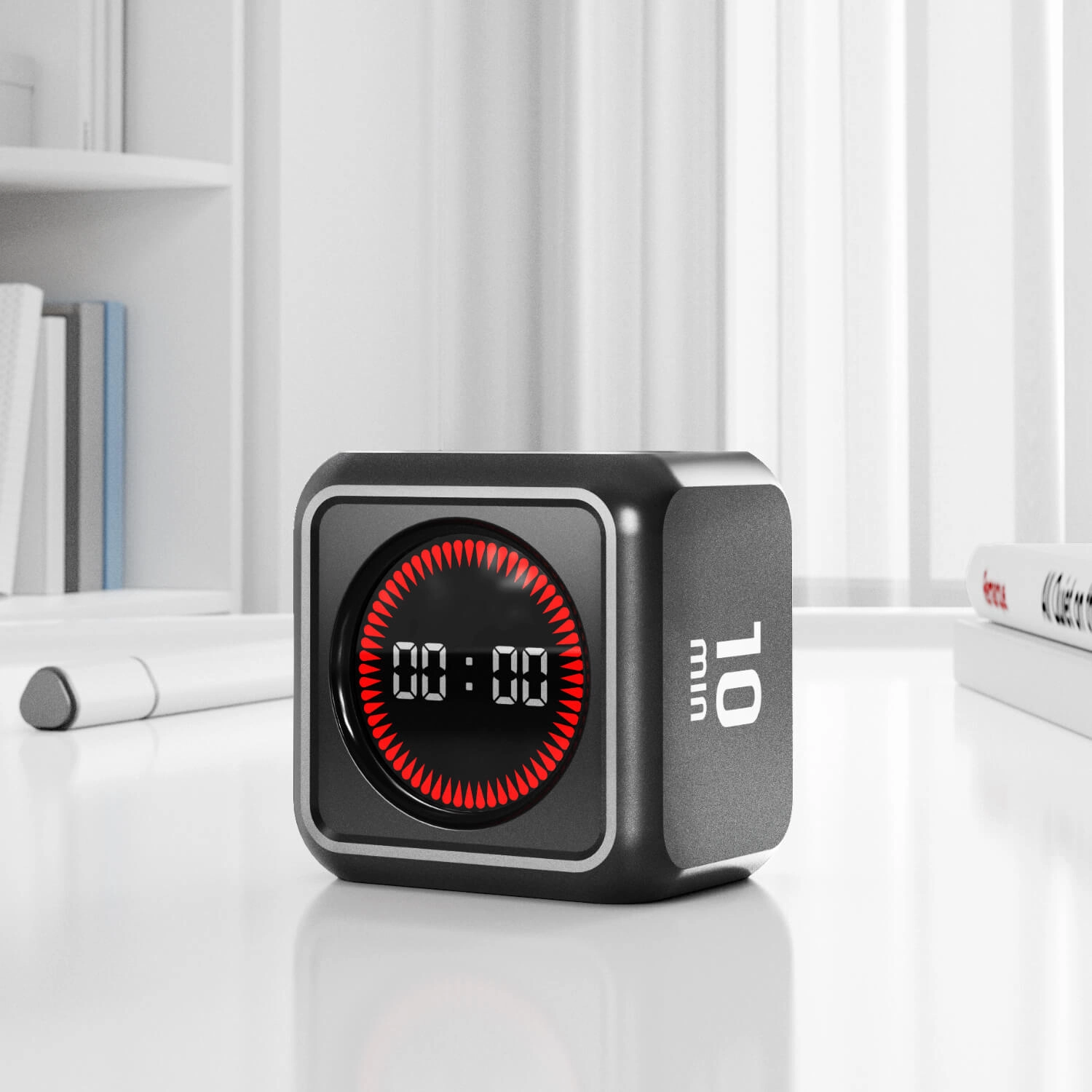
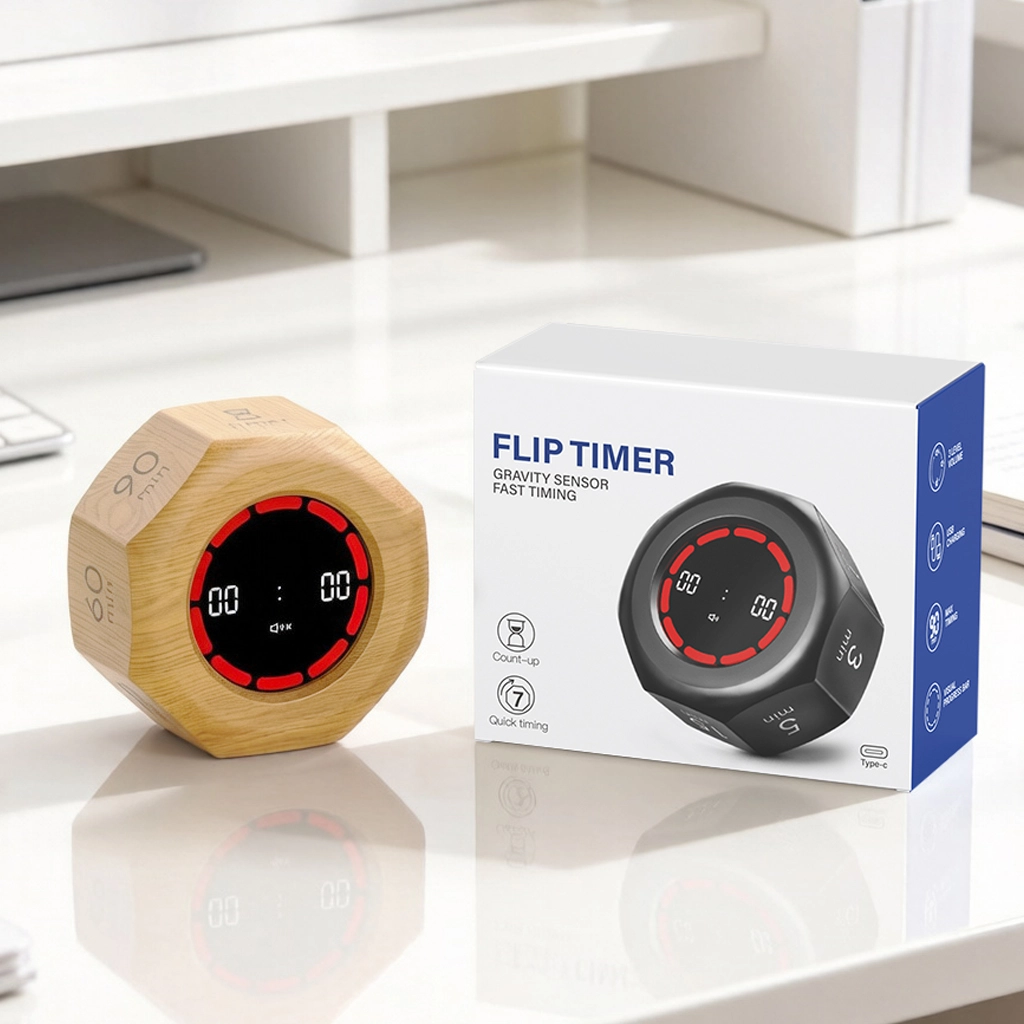
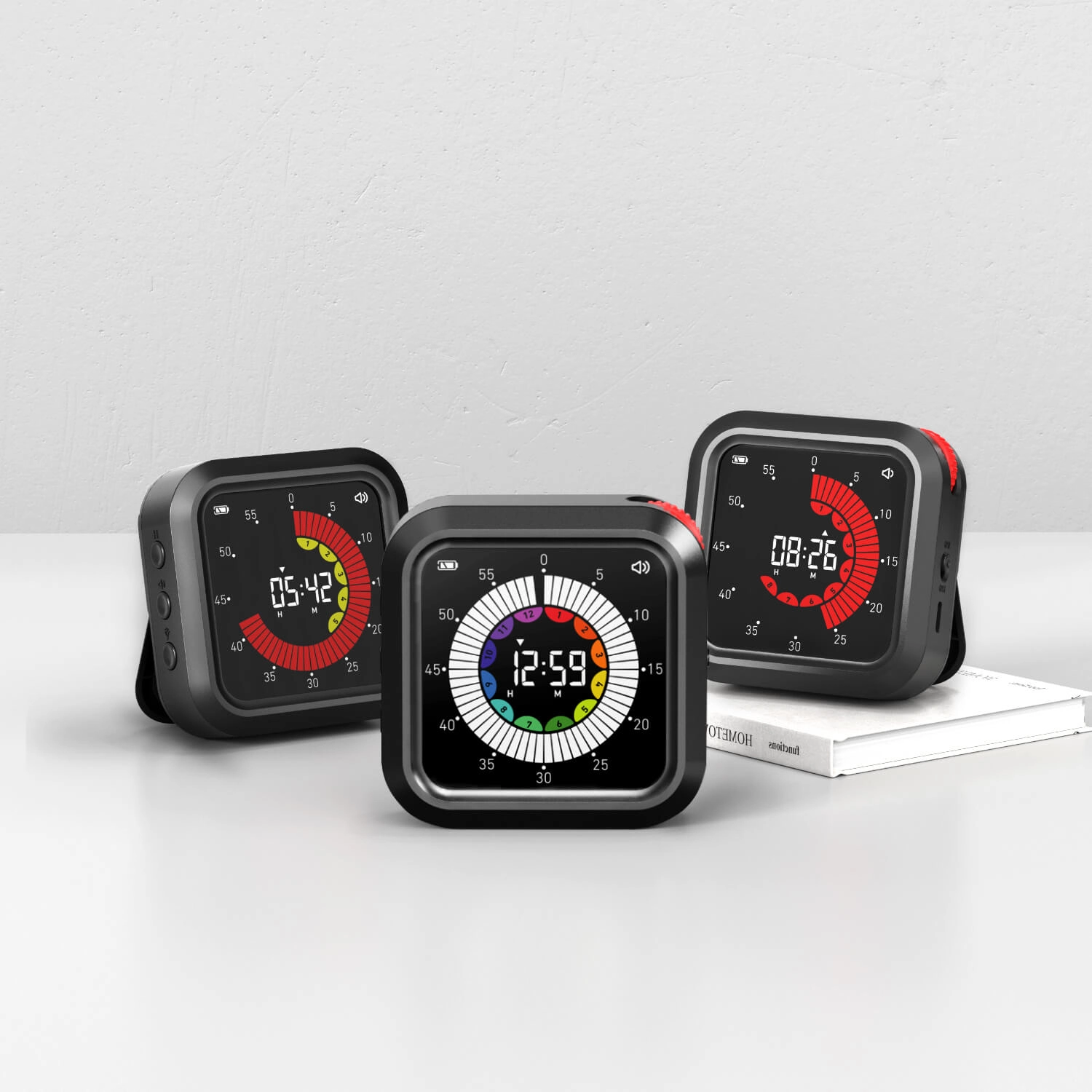
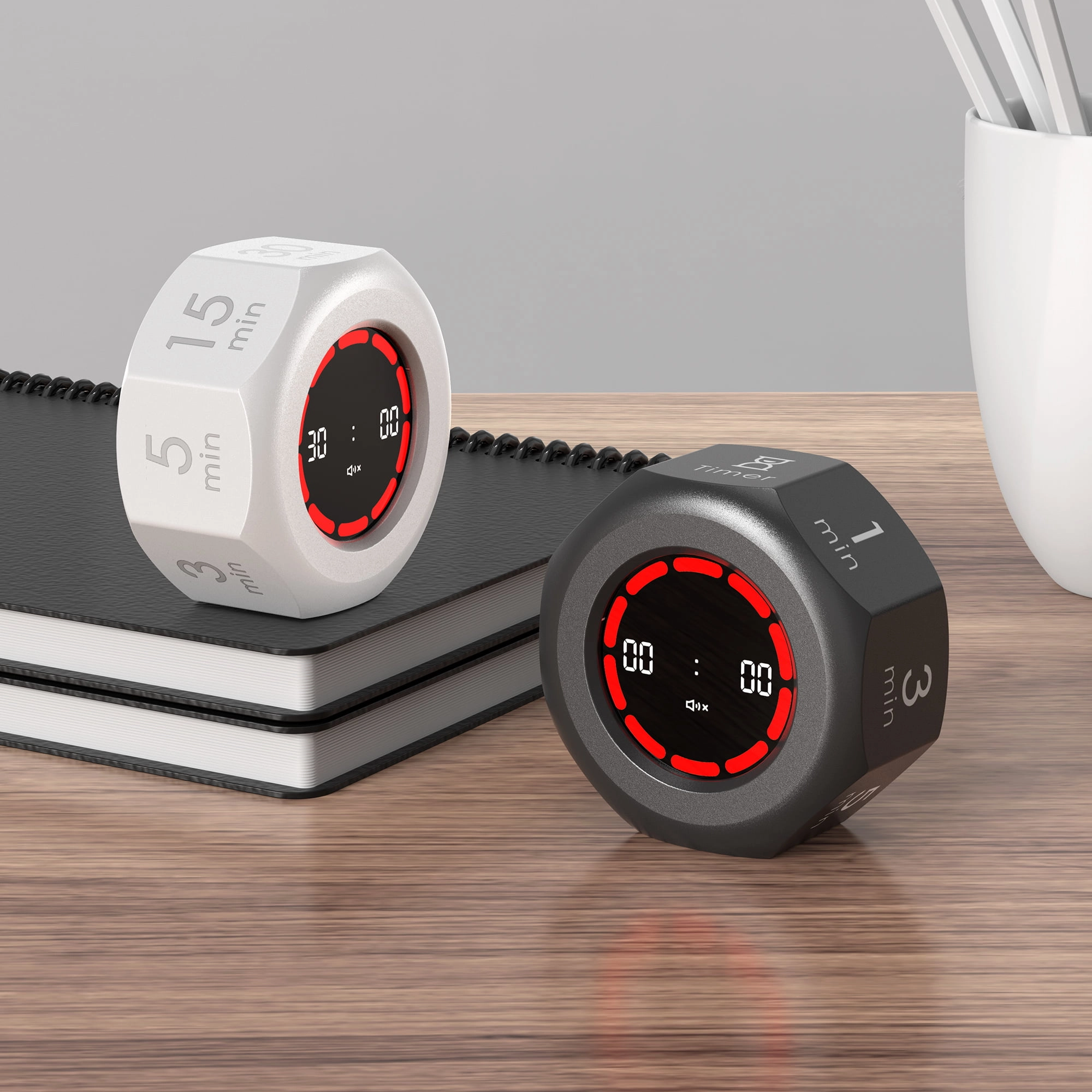
Youben life is a specialized OEM/ODM manufacturer focused on Digital Timer products, Pomodoro timers, Visual Countdown Clocks, temperature and humidity monitors, and thermo hygrometers. Established in 2010 and headquartered in Guangzhou, China, our 20,000m² vertically integrated facility supports turnkey private-label programs for global brands and Amazon bestsellers.
Our capabilities extend beyond assembly. Our engineering team supports ID and MD industrial design, custom IC programming, precision mold tooling, electronic development, prototype refinement, and retail-ready packaging. This integrated model gives project owners a clearer route for resolving conflicts between appearance, ergonomics, electronics, assembly, and packaging. It also reduces communication gaps that can occur when design, tooling, firmware, and production are managed by unrelated vendors.
Quality and compliance are built into project planning
Our manufacturing process is structured around controlled specifications, sample confirmation, production consistency, and documented quality checks. Youben Life products meet strict CE, FCC, and RoHS requirements applicable to the relevant product and market configuration. Buyers should still confirm the exact compliance scope for each model, destination, and hardware revision, but a supplier with established compliance processes provides a stronger foundation for launch readiness.
Our decade of engineering experience supports practical decisions about display selection, enclosure construction, timing logic, battery architecture, alert design, and sensor integration. This is valuable when a buyer needs a differentiated desk accessory rather than a generic countdown device. It also helps procurement teams balance retail appearance, target cost, production volume, and reliability before committing to tooling.
Product breadth supports broader private-label portfolios
Brand owners can develop a focused productivity range with a compact Digital Timer, a visual countdown clock, or a programmable Pomodoro timer, then extend the portfolio with a temperature humidity monitor or thermo hygrometer for home, office, education, and wellness applications. A coordinated product family can share visual language, packaging architecture, and channel strategy while maintaining different technical specifications.
For distributors and marketplace operators, this breadth can simplify supplier management and create opportunities for bundled products. For investors and established brands, it supports a staged launch strategy: validate demand with a well-defined core timer, collect customer feedback, and then introduce upgraded functions or adjacent environmental-monitoring products. Our team can support private-label artwork, product differentiation, mold development, firmware customization, and scalable manufacturing planning from one coordinated source.
Buyers seeking additional technical context can review the Pomodoro Technique overview, while product teams should use their own user research to determine whether a fixed 25-minute work period, adjustable intervals, or a fully programmable schedule best serves the intended market. The commercial goal is not to copy a productivity method mechanically; it is to create a dependable physical product that makes the chosen workflow clear and repeatable.
Before issuing a purchase order, project owners should confirm the final specification, approved sample, bill of materials, compliance file, inspection plan, packaging artwork, warranty policy, lead time, and change-control procedure. That discipline turns a visually appealing concept into a commercially reliable product. It also gives the supplier a precise operating framework for delivering consistent results across pilot production, replenishment orders, and future model updates.
Frequently Asked Questions
What should be included in a custom Pomodoro timer specification?
The specification should define the target users, sales channel, dimensions, display, power source, default and adjustable intervals, pause and resume logic, alert behavior, memory function, materials, logo placement, packaging, compliance requirements, and quality acceptance criteria.
How can buyers compare quotations from different timer suppliers?
Buyers should compare tooling, engineering, firmware, certification, batteries, packaging, inspection, freight assumptions, tariffs, replacement parts, and payment terms in addition to the unit price. The quotation should also identify the commercial basis, such as ex-works, FOB, or delivered pricing.
Why is an engineering sample important before tooling approval?
An engineering sample allows buyers to verify display readability, button ergonomics, alert volume, enclosure fit, battery performance, timing behavior, and overall usability before mass production. Finding problems at this stage is usually less expensive than changing production tooling or correcting finished inventory.
What quality checks should be performed before shipment?
Pre-shipment checks may include countdown accuracy, display segments, button response, alert function, memory retention, battery installation, charging behavior, enclosure gaps, scratches, logo alignment, packaging strength, barcode readability, carton quantity, and included accessories.
Which compliance documents should a buyer request?
The buyer should request test reports and declarations applicable to the exact model and hardware revision, along with required labeling and technical records. Requirements depend on the destination market, radio functionality, power system, battery type, materials, and sales channel.
Can one supplier support both timer products and environmental monitors?
Yes. A specialized OEM/ODM manufacturer may support Digital Timers, visual countdown clocks, Pomodoro timers, temperature humidity monitors, and thermo hygrometers within one coordinated private-label program, provided that each product receives its own technical specification and validation plan.
Battery vs Wired Indoor Thermometers: Pros and Cons
Top-Rated Indoor Thermometers with Humidity Display
Packaging and Labeling Best Practices for Pomodoro Timers
Energy-Efficient Mini Timers: Battery Life and Power Options
Interested in this article?
Let’s talk.
Need specifications, pricing, or customization options? We’ll provide everything you need.

Youben life
Youben life