
How to Assess a Visual Timer Manufacturer’s Production Capabilities and Quality Control System
- How to Evaluate a Timer Supplier’s Manufacturing Readiness
- Review engineering capability before reviewing price
- Validate capacity using evidence, not stated monthly output
- Inspect tooling, materials, and component controls
- Quality Control Checkpoints That Matter in Commercial Production
- Assess the quality management system and documentation
- Separate incoming, in-process, and final inspection
- Understand sampling standards and factory acceptance criteria
- Compliance, Reliability, and Traceability for Buyer Risk Control
- Confirm regulatory and market-entry documentation
- Evaluate reliability testing and failure analysis
- Check lot traceability and change management
- How Our Product Approach Supports Commercial Buyers
- Product coverage for timing and environmental monitoring
- Manufacturing communication and project control
- Commercial value beyond the factory quotation
- Frequently Asked Questions
Assessing a visual timing products supplier requires more than reviewing product photographs or comparing unit prices. B2B buyers should verify engineering capability, tooling control, electronic component sourcing, assembly capacity, calibration methods, reliability testing, production traceability, compliance documentation, and corrective-action procedures. A dependable partner should be able to convert a product specification into repeatable output, maintain stable quality across production lots, protect delivery schedules, and provide objective records that support retail, education, healthcare, workplace, and industrial applications. This evaluation framework helps importers, distributors, brand owners, and project purchasers distinguish a capable factory from a trading company or a supplier whose quality depends on manual inspection alone.
How to Evaluate a Timer Supplier’s Manufacturing Readiness
Review engineering capability before reviewing price
The first assessment should focus on whether the supplier can manage the complete product development cycle. This includes industrial design, enclosure development, display selection, printed circuit board design, firmware configuration, battery management, acoustic or visual alerts, button-life requirements, and design-for-manufacturing review. A supplier that only assembles an existing module may be suitable for a standard stock item, but custom projects require stronger engineering ownership.
Buyers should ask for a documented product requirement review covering timing accuracy, countdown behavior, display visibility, alarm duration, power consumption, operating temperature, drop resistance, mounting method, packaging, and labeling. The supplier should explain which parameters are controlled by hardware, firmware, production calibration, or final inspection. Clear ownership reduces the risk of disputes when the delivered product technically operates but fails to meet the intended user experience.
Validate capacity using evidence, not stated monthly output
Factory capacity should be evaluated through production equipment, staffing, shift arrangements, line balancing, bottleneck analysis, and historical delivery performance. A stated monthly quantity has limited value unless it is supported by available assembly lines, injection molding resources, testing stations, warehouse space, and component replenishment plans.
Request a capacity model showing normal output, peak output, lead time for new tooling, minimum order quantity, and the effect of custom packaging or firmware changes. Buyers should also determine whether key operations are performed in-house or subcontracted. Outsourcing is not automatically a weakness, but outsourced molding, PCB assembly, printing, or calibration requires supplier qualification and incoming inspection controls.
Inspect tooling, materials, and component controls
Plastic housings, transparent covers, control buttons, LCD or LED displays, buzzers, sensors, batteries, and circuit boards can all influence field performance. A mature operation maintains approved drawings, revision-controlled bills of materials, material specifications, and supplier records. It should also define how obsolete components, substitutions, and engineering changes are approved.
For products with temperature and humidity measurement functions, sensor accuracy, response time, placement, airflow exposure, and calibration conditions require particular attention. A sensor can meet its data-sheet specification while producing poor real-world readings if it is placed too close to heat-generating electronics or enclosed without adequate ventilation. The production partner should explain how mechanical design and sensor positioning are validated together.
Quality Control Checkpoints That Matter in Commercial Production
Assess the quality management system and documentation
A quality system should define responsibilities from incoming material inspection through final shipment. Buyers should review quality manuals, inspection instructions, process flow charts, work instructions, control plans, nonconformance procedures, and corrective-action reports. Certification to ISO 9001 quality management principles can provide useful evidence of system discipline, although certification does not replace a product-specific audit.
Effective documentation should identify acceptance criteria rather than simply state that products are checked. For example, a final inspection plan may define allowable display defects, button force, timing deviation, alarm volume, battery polarity, enclosure gaps, label position, and packaging condition. Each criterion should have a test method, sampling level, responsible operator, and record retention period.
Separate incoming, in-process, and final inspection
Incoming inspection confirms that purchased components match approved specifications. Typical checks include resistor or capacitor values, display appearance, battery voltage, plastic color, sensor identification, PCB version, and packaging material. In-process inspection then verifies soldering, component placement, firmware loading, screw torque, enclosure assembly, and functional operation before a product reaches final packaging.
Final inspection should combine appearance, function, safety, and packaging checks. For a countdown device, this may include setting multiple time values, confirming start and pause behavior, checking the end-of-cycle indication, verifying reset operation, and confirming that the display remains legible at the intended viewing distance. For a digital thermometer or humidity monitor, the procedure may include comparison against calibrated reference instruments at defined environmental points.
Understand sampling standards and factory acceptance criteria
Sampling can control cost while preserving reasonable confidence in lot quality, but only when the plan is statistically defined. Buyers should ask whether the supplier uses a recognized approach such as ISO 2859-1 sampling procedures, an internally approved equivalent, or a customer-specific inspection level. The purchase agreement should state the acceptable quality limit, critical defects, major defects, minor defects, sample size, and disposition of rejected lots.
| Control area | What to verify | Evidence to request | Procurement risk if absent |
|---|---|---|---|
| Incoming materials | Approved supplier list and component verification | Incoming inspection records and material specifications | Hidden variation in displays, sensors, plastics, or batteries |
| Assembly process | Controlled work instructions and operator training | Process audit records, training logs, and first-piece approval | Inconsistent assembly and higher rework rates |
| Functional testing | Timing, display, alarm, button, and power checks | Test fixtures, inspection reports, and defect records | Intermittent failures reaching customers |
| Calibration | Reference instruments and defined environmental conditions | Calibration certificates and measurement records | Unreliable temperature or humidity readings |
| Shipment release | Lot identification and final acceptance approval | Final inspection report and packing list | Mixed revisions or unapproved goods shipped |
Compliance, Reliability, and Traceability for Buyer Risk Control
Confirm regulatory and market-entry documentation
Compliance requirements depend on destination market, power source, radio functions, materials, and intended use. For electrical and electronic products sold in the European market, buyers may need evidence related to restricted substances under the European Union RoHS Directive. Battery-powered products may also require battery transport, labeling, recycling, and chemical documentation. Products with wireless connectivity can introduce additional radio and electromagnetic compatibility requirements.
Documentation should be linked to the exact model, hardware revision, and production configuration. A certificate for a visually similar product is not sufficient. Buyers should review test reports, declarations, material statements, user manuals, labels, packaging artwork, and country-specific warnings. If a product is marketed for clinical, laboratory, or food-related use, claims must be assessed separately because general consumer testing may not support specialized performance statements.
Evaluate reliability testing and failure analysis
Reliability testing should reflect how customers will use the product. Relevant tests can include power-cycle testing, continuous countdown operation, button-life cycling, display aging, battery drain, low- and high-temperature exposure, humidity exposure, drop testing, vibration, packaging compression, and electrostatic discharge assessment where applicable. The correct test profile depends on the product design and sales channel.
Ask how failures are recorded and analyzed. A capable operation uses defect codes, containment actions, root-cause analysis, corrective measures, and effectiveness verification. An eight-discipline report or equivalent corrective-action format is useful when repeated failures occur. Buyers should pay attention to whether the supplier distinguishes design defects from assembly defects, component failures, shipping damage, misuse, and documentation errors.
Check lot traceability and change management
Traceability allows a supplier to identify when and where a problem occurred. At minimum, records should connect finished goods to production date, work order, firmware version, PCB revision, major component lot, inspection operator, and shipment batch. QR codes, date codes, serialized labels, or carton-level records can support this process.
Engineering changes should require formal approval before implementation. Substituting a display, battery, sensor, plastic resin, or adhesive without notification can change performance even when the product exterior appears unchanged. A buyer should establish a written change-notification period and require sample approval for changes that affect fit, function, safety, compliance, firmware, or user instructions.
How Our Product Approach Supports Commercial Buyers
Product coverage for timing and environmental monitoring
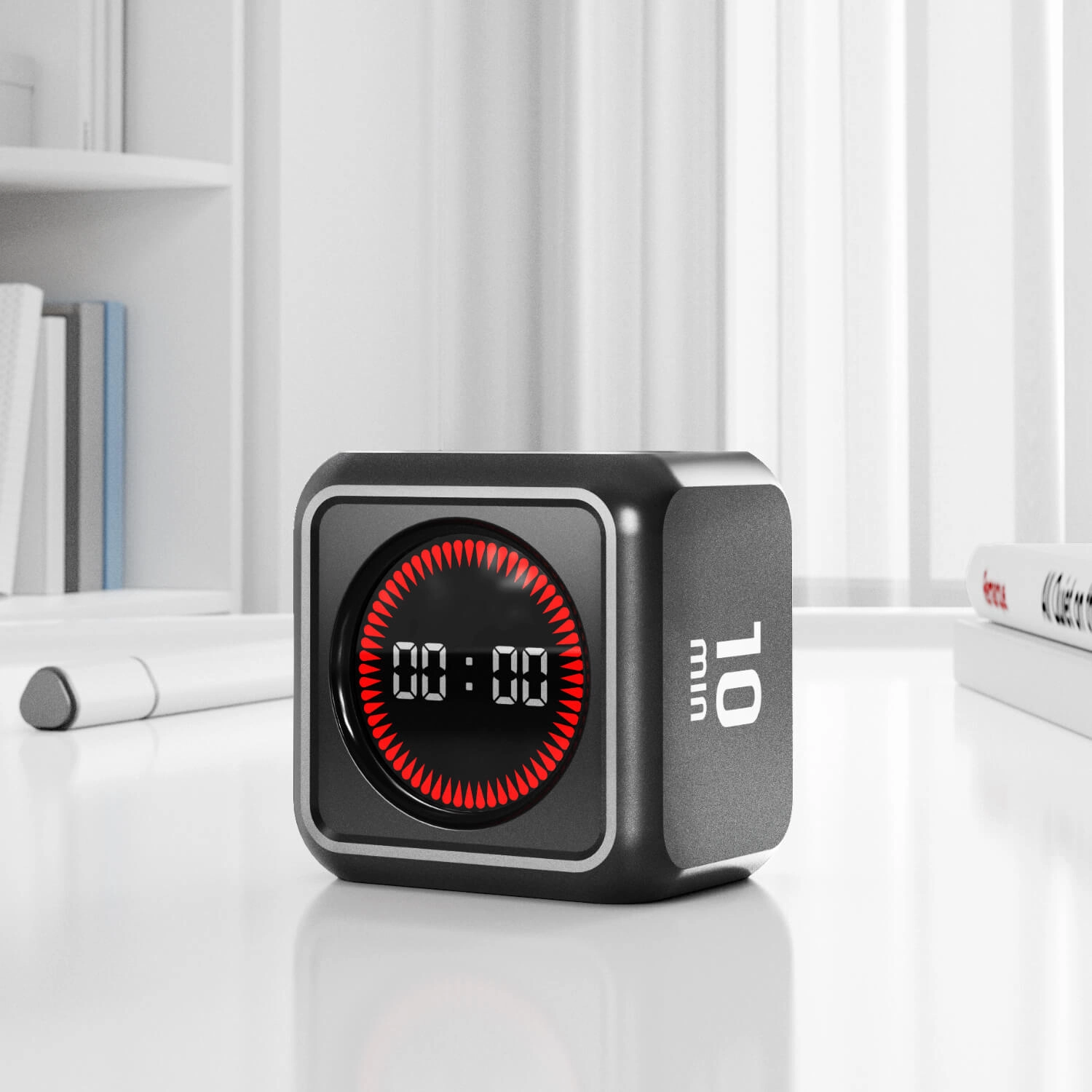
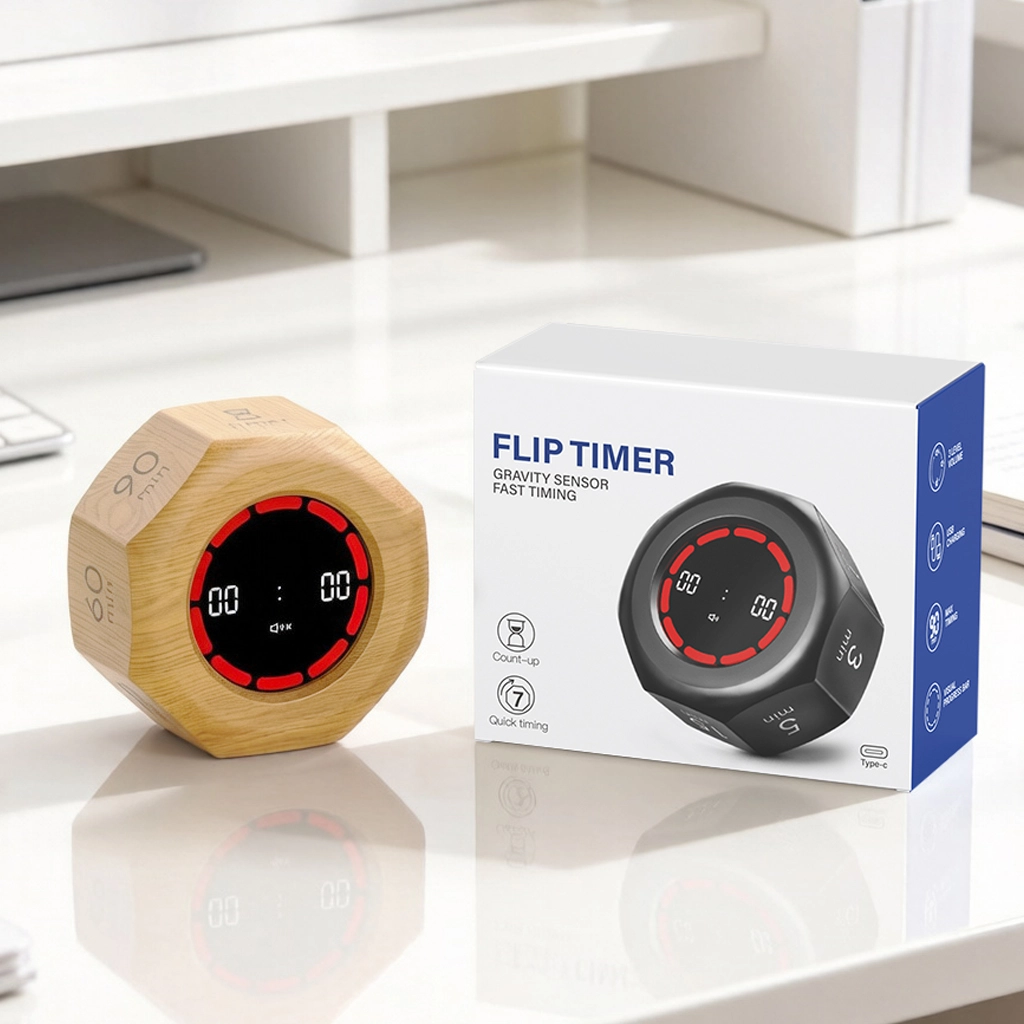
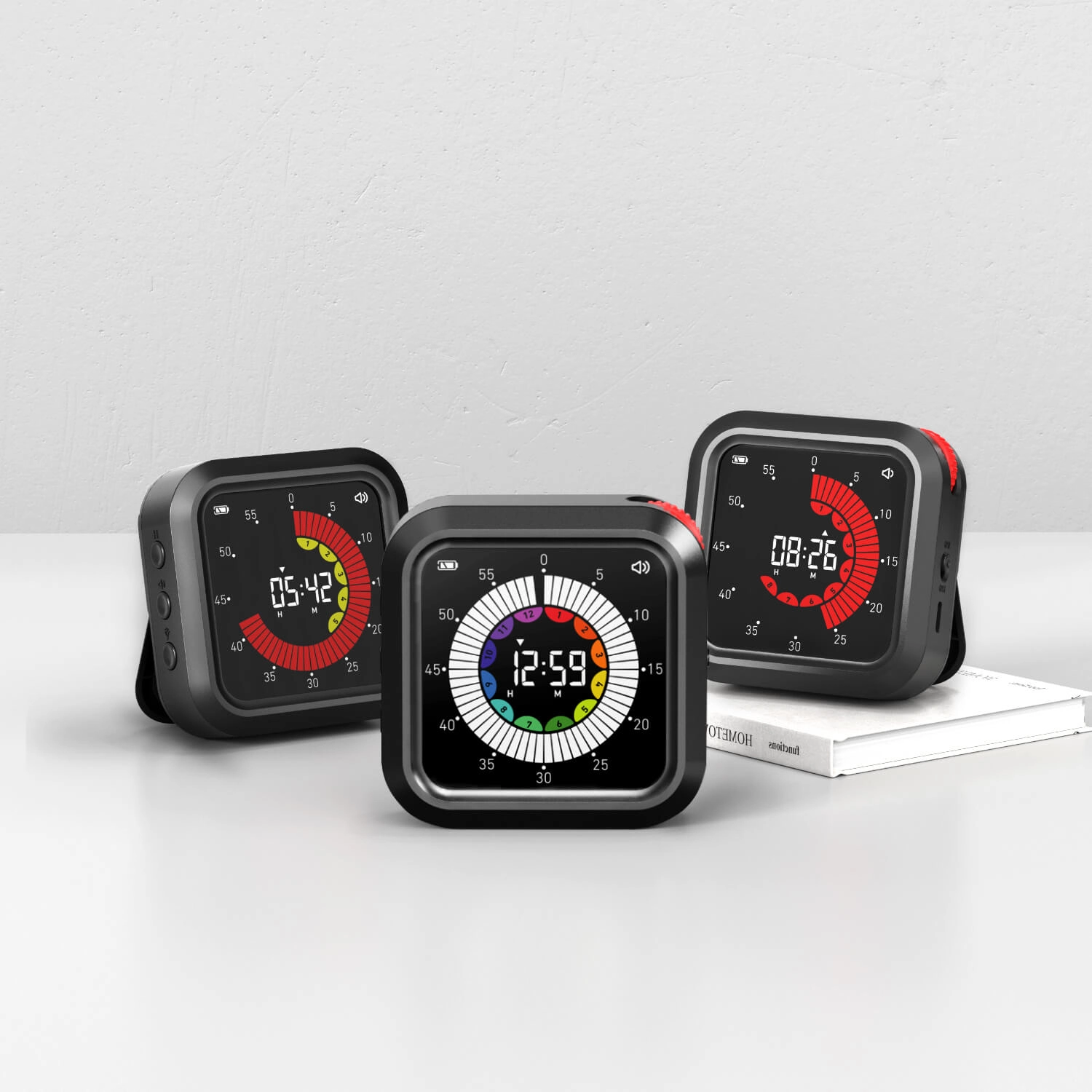
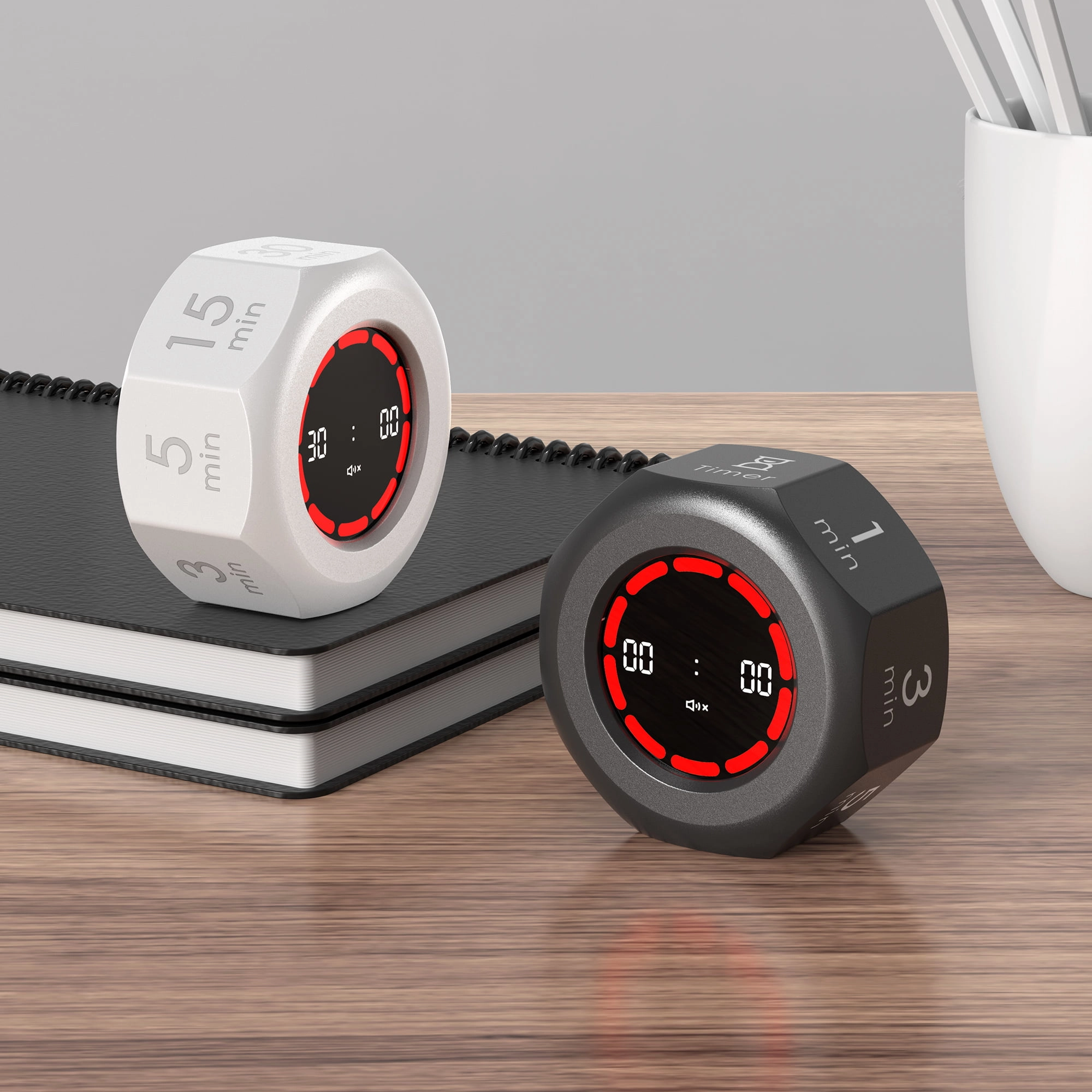
Our product portfolio is designed around practical measurement and time-management needs, including Digital Timer products, Pomodoro Timer solutions, thermo hygrometers, and temperature humidity monitors. These categories serve different use cases, but they share several procurement priorities: readable displays, intuitive controls, stable electronic performance, efficient battery use, dependable sensing, and packaging suitable for distribution.
For buyers developing a private-label or channel-specific range, product selection should begin with application requirements rather than a catalog photograph. A classroom timer may prioritize large visual progress indication and simple operation. A Pomodoro Timer may require fast switching between work and rest intervals. A thermo hygrometer may require clear maximum and minimum records, sensor stability, and appropriate environmental placement. A temperature humidity monitor intended for home, office, storage, or retail use should be evaluated against the accuracy and response expectations of its target application.
Manufacturing communication and project control
Our team supports the procurement process by treating specifications, samples, artwork, packaging, and inspection criteria as connected project documents. This approach helps reduce ambiguity between product development and mass production. Before an order is released, buyers should confirm the approved sample, bill of materials, display language, alarm behavior, logo position, packaging configuration, carton quantity, and shipment inspection standard.
For custom programs, a controlled approval sequence is especially important. The normal sequence includes requirement confirmation, engineering review, prototype or sample evaluation, pre-production approval, pilot-run inspection, mass-production monitoring, and final shipment release. Each stage creates an opportunity to identify issues before they become expensive inventory problems. It also gives distributors and brand owners a documented basis for internal approval and customer support.
Commercial value beyond the factory quotation
A low unit price can be outweighed by inconsistent batches, high warranty rates, delayed replenishment, unplanned tooling changes, or missing compliance files. Our approach therefore emphasizes product consistency, communication, and practical quality evidence alongside cost considerations. Buyers can improve total cost of ownership by comparing expected defect rates, inspection requirements, service workload, replacement exposure, packaging damage, and lead-time reliability rather than evaluating price alone.
Before selecting a long-term partner, buyers should conduct a structured audit, approve a reference sample, define measurable acceptance criteria, and place quality obligations in the purchase agreement. A supplier that welcomes technical questions, shares objective records, explains limitations, and responds with corrective actions is generally better positioned to support sustainable growth than one that relies only on broad claims about experience or capacity.
Contact our team to discuss Digital Timer, Pomodoro Timer, thermo hygrometer, and temperature humidity monitor requirements or to review suitable products for your market.
Frequently Asked Questions
What should buyers check first when evaluating a visual timer supplier?
Buyers should first review engineering capability, product requirement management, production equipment, quality documentation, component controls, and evidence of repeatable delivery performance.
How can a buyer verify a supplier’s stated production capacity?
A buyer should request a capacity model covering normal and peak output, available assembly lines, staffing, bottlenecks, lead times, tooling resources, component supply, and historical delivery records.
What quality documents should a timer factory provide?
Relevant documents include quality manuals, process flow charts, work instructions, control plans, incoming and final inspection records, calibration certificates, nonconformance reports, corrective-action reports, and shipment release records.
Why is ISO 2859-1 relevant to electronic timer procurement?
ISO 2859-1 provides recognized sampling procedures for inspection by attributes, helping define sample sizes and acceptance criteria for production lots instead of relying on informal or inconsistent inspection.
How should buyers assess temperature and humidity measurement products?
Buyers should review sensor specifications, placement, response time, operating range, calibration conditions, reference instruments, environmental test results, and the relationship between enclosure design and measurement performance.
What traceability information should a supplier maintain?
A supplier should connect finished goods with production date, work order, firmware version, PCB revision, major component lot, inspection records, and shipment batch so that defects can be contained and investigated efficiently.
What should be included in a quality agreement with a timer manufacturer?
The agreement should define approved samples, bills of materials, inspection standards, acceptable quality limits, critical and major defects, change-notification requirements, compliance documents, corrective-action response times, and shipment release procedures.
Top 10 professional food thermometer for restaurants manufacturers and suppliers
How to Source Reliable Electronic Kitchen Timer Manufacturers
Top 10 led digital wall clock for office manufacturers and suppliers
OEM Smart Focus Timer Solutions: Customization and MOQ Guide
Interested in this article?
Let’s talk.
Need specifications, pricing, or customization options? We’ll provide everything you need.

Youben life
Youben life